




According to current statistics, urethral stones account for only a small proportion (approximately 4%) of all urinary stone cases. However, if left untreated, they can lead to serious consequences for patients’ health and quality of life. Let’s explore everything you need to know about urethral stones in the article below.
What are urethral stones?
Urethral stones are more commonly seen in men than in women. They develop when mineral salts and crystals accumulate and harden within the urethra, obstructing the flow of urine. In most cases, however, the stones originate from the kidneys or bladder and migrate down before becoming trapped in the urethra.
If not detected early and managed appropriately, urethral stones may cause partial or complete urethral obstruction, recurrent urinary tract infections, and even lower urinary tract dysfunction. These complications can severely affect both the health and quality of life of the patient.
Are urethral stones dangerous?
The urethra is the final passage through which urine exits the body. Therefore, if urethral stones are not removed in time, they can obstruct urinary flow, causing urine to back up throughout the entire urinary tract. This may result in serious complications, including:
- Hydronephrosis and dilatation of the renal pelvis and calyces: when urine is unable to drain properly due to obstruction by a urethral stone, pressure builds up in the kidneys, ureters, and bladder. Over time, this leads to hydronephrosis, with progressive dilatation of the renal pelvis and calyces.
- Acute and chronic kidney failure: prolonged obstruction increases the risk of kidney infections, hydronephrosis, and pyonephrosis. Left untreated, these conditions can impair kidney function, eventually progressing to acute or chronic renal failure, which poses a serious threat to the patient’s health and even life.
- Urinary tract infections (UTIs): stones in the urethra can scratch and damage the lining of the urinary tract, causing obstruction and urine retention. This stagnant urine provides a favorable environment for bacteria to grow, leading to recurrent infections such as urethritis, cystitis, pyonephrosis, and pyelonephritis.

Symptoms of urethral stones
In the early stages, urethral stones often do not cause noticeable symptoms, making them difficult to detect. The condition is usually recognized only when the stones grow larger and cause pain—by which time complications may already be developing.
If you are experiencing symptoms of bladder or urethral stones and would like medical advice on appropriate treatment options, please contact our specialists via hotline 0912.002.131 or fill in the form HERE to schedule an appointment.
Depending on the size, location, and hardness of the stone, patients may present with the following symptoms:
- Urinary difficulties: weak stream, interrupted flow, painful urination, urinary urgency or leakage, cloudy urine, or hematuria caused by obstruction of the urethra.
- Pain: sharp or colicky pain radiating to the genital area or perineum. In cases of complete obstruction, renal colic may occur.
- Systemic symptoms: fever, chills, and nausea may develop when stones injure the urethral lining, creating favorable conditions for bacterial or fungal infections leading to urinary tract inflammation.
Treatment of urethral stones
If you or your family members notice any signs of urethral stones, it is essential to seek medical attention at a reputable healthcare facility for early detection and timely management. Prompt treatment helps minimize the risk of dangerous complications. Depending on the condition, location, and size of the stone, physicians will recommend different treatment approaches.
Reader may also be interested in:
- Early symptoms of kidney stones to recognize and effective treatment methods for kidney stones
- Urolithiasis: Everything you need to know from A to Z
Medical treatment
This method is indicated for small stones (<7 mm), single calculi, and cases without complications affecting the urinary tract. Commonly prescribed medications include:
- Smooth muscle relaxants: to facilitate stone passage.
- Diuretics: to increase urine output and promote natural expulsion of the stone.
- Anti-inflammatory and analgesic drugs: to relieve pain, reduce inflammation, and prevent infection.
- Antibiotics: to prevent and treat urinary tract infections.
Surgical treatment
When conservative management is no longer effective, surgical intervention is considered the optimal approach to completely remove urethral stones. Common techniques include:
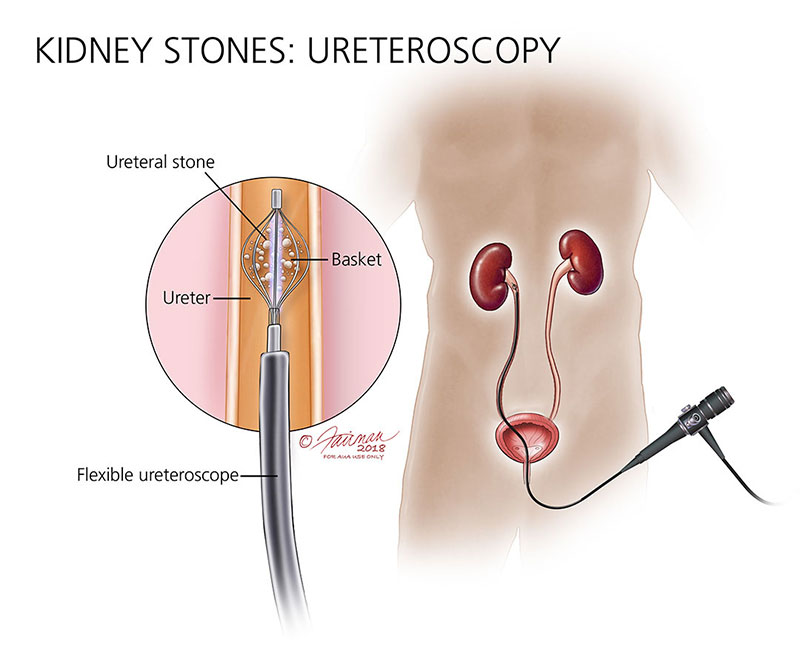
- Retrograde ureteroscopic lithotripsy with laser: a ureteroscope is inserted through the urethra, and laser energy is used to fragment the stone into small pieces, which are then flushed and removed.
This method is highly effective, minimally invasive, preserves kidney function, and allows for rapid recovery.

Open surgery for stone removal
In the past, open surgery was the most common method of treating urethral stones. However, this approach has significant drawbacks: it is highly invasive, causes considerable bleeding, leaves surgical scars, and carries a high risk of recurrence. Moreover, it may lead to serious complications, requiring long hospital stays and making recovery more difficult. Today, this method is rarely indicated. It is generally reserved for a limited number of patients, such as those with obesity or with stones that are exceptionally large and cannot be managed by less invasive techniques.
Prevention of urethral stones
- Stay well hydrated Water plays an essential role in overall health, particularly for individuals at risk of stone formation. Even if you do not have stones, it is recommended to drink at least 2 liters of water daily to keep the body well hydrated, help flush out harmful bacteria, and cleanse the urinary tract.
- Maintain proper genital hygiene Daily hygiene helps prevent and manage urinary tract infections. Both men and women should clean the genital area with clean water every day, avoiding overuse of chemical products that may cause irritation. Women, in particular, should avoid deep vaginal douching and use sanitary pads with good absorbency in the correct way.
- Adopt a healthy diet Build a balanced and scientific diet by limiting foods high in fat, oxalates, calcium, as well as stimulants such as alcohol, beer, tobacco, carbonated drinks, and sugary beverages.
- Exercise regularly Engage in regular physical activity to reduce urinary stasis and lower the risk of stone formation.
- Have regular health check-ups Urinary stones in general, and urethral stones in particular, can cause complications that affect kidney function and other related organs. Therefore, regular check-ups every 6 months are recommended to detect stones early, allowing for timely and appropriate treatment. Early management helps prevent severe complications and avoids difficulties in treatment at later stages.
Trusted hospital for ureteral stone treatment in Hanoi
With more than 20 years of experience in managing urological conditions in general, and urethral stones in particular, Hong Ngoc General Hospital has established itself as a trusted medical center for the safe and effective treatment of urinary stones in Hanoi.
Choosing urethral stone treatment at Hong Ngoc, patients will experience world-class, five-star healthcare services, recognized as one of the leading medical standards in Northern Vietnam:
- Advanced techniques: application of the most effective and up-to-date stone management methods, with no open surgery, minimal invasiveness, and limited bleeding.
- Short hospitalization: average stay of only 1–3 days; for extracorporeal shock wave lithotripsy (ESWL), hospitalization is not required.
- Five-star postoperative care: comprehensive, hotel-standard services with clean, well-equipped inpatient rooms, modern facilities, and dedicated nursing staff always available to assist patients, ensuring faster recovery and shorter hospital stays.
- Insurance coverage: partnerships with multiple insurance providers to maximize patients’ benefits and minimize out-of-pocket costs.
- Expert medical team: a highly skilled and experienced group of urologists specializing in stone treatment, offering personalized consultations to recommend the most effective and suitable approach for each patient’s condition.
- Modern equipment: advanced stone management systems, fully imported from leading international suppliers, ensuring safe, accurate, and effective procedures with no residual fragments.
- State-of-the-art operating theaters: all surgical rooms meet strict sterile standards to guarantee patient safety. A calming environment with nature-themed artwork helps patients feel more at ease before procedures.
By choosing Hong Ngoc for stone treatment, patients can be fully assured of receiving safe, effective medical care along with premium, patient-centered services.

Note: The information provided in this article by Hong Ngoc General Hospital is for reference only and does not replace professional medical diagnosis or treatment. Patients should not self-medicate. For an accurate assessment of your health condition, please visit a hospital for direct consultation, diagnosis, and an appropriate treatment plan from a qualified physician.
Follow the Hong Ngoc Hospital fanpage HERE to receive more useful healthcare information and attractive promotional programs.