

Thyroid nodules are a common thyroid condition that can affect people of all ages and often cause no symptoms in their early stages. Most thyroid nodules are benign, although a small proportion may be cancerous and therefore require appropriate assessment and follow-up. What are thyroid nodules, what causes them, how can they be recognised and how are they treated? Read on to learn more with Hong Ngoc General Hospital.
Key points:
- Most thyroid nodules are benign: A thyroid nodule is an abnormal growth of tissue within the thyroid gland. Most are not dangerous, but medical assessment is needed to evaluate the risk of malignancy.
- Early-stage nodules often cause no symptoms: As a nodule grows, it may cause a visible or palpable lump in the neck, difficulty swallowing, hoarseness, breathing difficulties or abnormal thyroid function.
- There are several possible causes and risk factors: These include iodine deficiency or excess, increasing age, genetic factors, underlying thyroid disease, thyroiditis and a history of radiation exposure.
- Diagnostic tests help determine the nature of a nodule: Doctors may recommend thyroid ultrasound, thyroid function tests and fine-needle aspiration (FNA) when clinically indicated.
- Treatment depends on the individual case: Options may include regular monitoring, medication, radiofrequency ablation (RFA) or surgery when indicated.
- Regular follow-up supports early detection and reduces the risk of complications: Thyroid examinations, ultrasound monitoring and adherence to the recommended treatment plan can help identify changes early and preserve thyroid function.
1. What is a thyroid nodule, and can it be dangerous?
A thyroid nodule is an abnormal growth of tissue within the thyroid gland. It may be solid, fluid-filled or composed of both solid and cystic components. Most thyroid nodules are benign and cause no noticeable symptoms. However, medical assessment is still important to evaluate the risk of malignancy and determine an appropriate monitoring or treatment plan. [1]
The potential risk posed by a thyroid nodule depends on several factors, including its size, ultrasound characteristics, growth rate, effects on thyroid function and, when indicated, the results of fine-needle aspiration (FNA). Patients should seek prompt medical assessment if a nodule grows rapidly, causes difficulty swallowing or breathing, leads to persistent hoarseness, or displays suspicious ultrasound features, allowing timely diagnosis and treatment. [1] [2]
2. Signs and symptoms of thyroid nodules
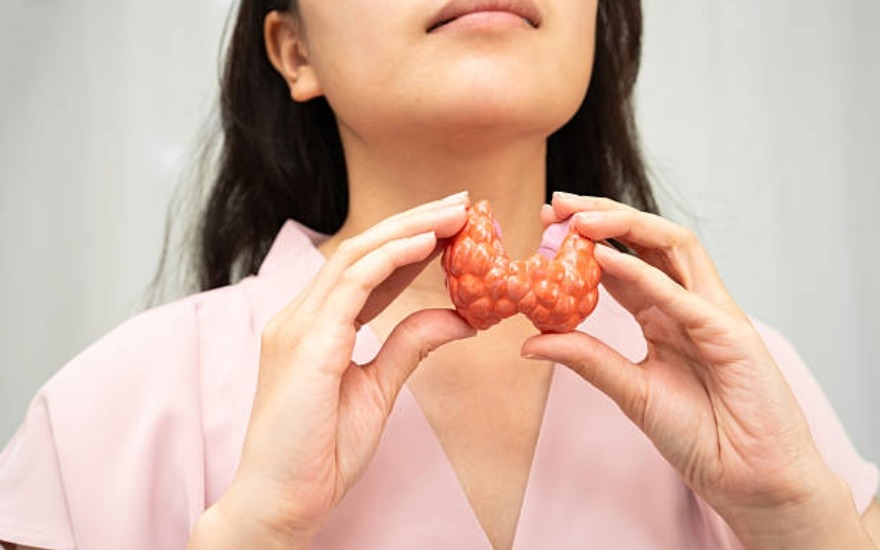
In their early stages, thyroid nodules usually cause no symptoms and are often discovered incidentally during a routine health examination or ultrasound. As a nodule grows or begins to affect thyroid function, patients may experience the following:
- A lump in the neck: A lump may be visible or palpable at the front of the neck and may move when swallowing. Smaller nodules are often detectable only on ultrasound. [1]
- Difficulty swallowing or a sensation of something in the throat: A large nodule may compress the oesophagus, causing discomfort or difficulty swallowing, particularly when eating solid foods. [1]
- Persistent hoarseness: A thyroid nodule may compress or involve the recurrent laryngeal nerve, causing persistent hoarseness unrelated to a respiratory infection. This symptom requires prompt medical assessment. [2]
- Difficulty breathing or pressure in the neck: As a nodule enlarges, it may compress the trachea, causing neck tightness, breathing difficulties or increased discomfort when lying flat. [2]
- Symptoms of thyroid dysfunction: Some hyperfunctioning nodules, also known as toxic nodules, may cause hyperthyroidism, with symptoms such as palpitations, a rapid heartbeat, hand tremors, weight loss and excessive sweating. When nodules occur alongside hypothyroidism, patients may experience fatigue, weight gain, constipation and sensitivity to cold. [3]
3. Causes and risk factors for thyroid nodules
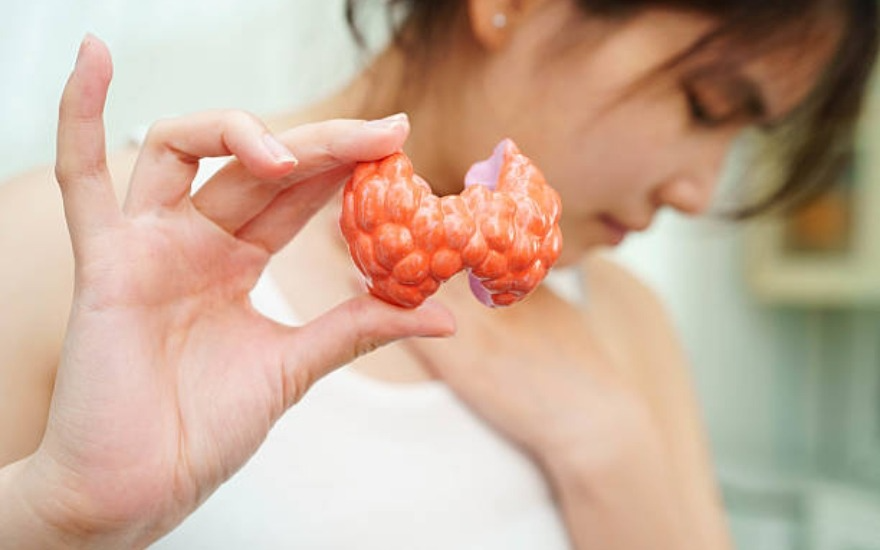
Thyroid nodules may develop due to various factors related to iodine intake, age, underlying medical conditions and genetics. Common causes and risk factors include:
- Iodine deficiency or excess: Prolonged iodine deficiency may stimulate thyroid tissue growth as the gland attempts to maintain hormone production, increasing the likelihood of nodule formation. Conversely, excessive iodine intake may trigger thyroid dysfunction in some people with an underlying thyroid condition. [3]
- Age and sex: Thyroid nodules are more common in older adults and women. Their prevalence increases with age due to changes in thyroid tissue and hormonal factors. [3]
- Genetic factors: People with a family history of thyroid nodules, goitre or thyroid cancer may have a higher risk of developing thyroid nodules. [3]
- Underlying thyroid disorders: Conditions such as hyperthyroidism, hypothyroidism and Hashimoto’s thyroiditis may alter the structure and function of the thyroid gland and contribute to nodule formation. [2]
- Radiation exposure to the head and neck: People who have undergone radiotherapy to the head or neck, particularly during childhood, have a higher risk of developing thyroid nodules and thyroid cancer. [1]
- Chronic thyroiditis: Long-term inflammation, particularly in Hashimoto’s thyroiditis, may alter thyroid tissue and increase the likelihood of nodule formation. [2]
4. Potential complications of thyroid nodules
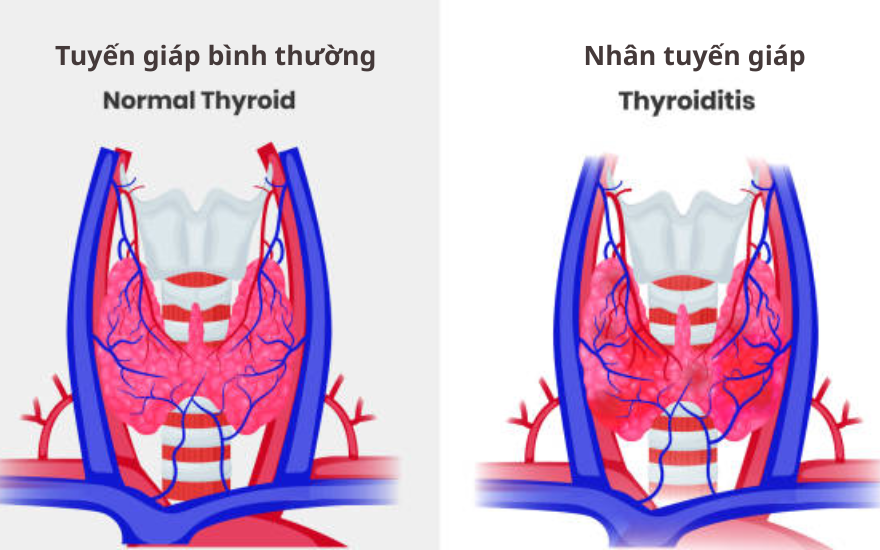
Most thyroid nodules are benign and cause no complications. However, some may enlarge or affect thyroid function and overall health if they are not appropriately monitored and managed.
- Thyroid cancer: A small proportion of thyroid nodules are malignant. Suspicious signs include rapid growth, persistent hoarseness, enlarged cervical lymph nodes or concerning ultrasound features. When detected early, most thyroid cancers have a favourable prognosis. [3]
- Compression of structures in the neck: Large nodules may compress the trachea, oesophagus or surrounding structures, causing difficulty swallowing or breathing, a sensation of pressure in the neck, or persistent hoarseness. These symptoms may affect quality of life. [3]
- Bleeding within a thyroid nodule: Cystic nodules may occasionally bleed internally, causing sudden neck pain, rapid swelling or a feeling of pressure. Most cases can be managed conservatively, but medical assessment is needed to evaluate the extent of bleeding and rule out significant compression.
- Thyroid dysfunction: Some hyperfunctioning nodules, also known as toxic thyroid nodules, may cause hyperthyroidism, with symptoms such as palpitations, a rapid heartbeat, hand tremors and weight loss. Conversely, nodules associated with chronic thyroiditis may occur alongside hypothyroidism, causing fatigue, weight gain and sensitivity to cold. [2]
5. Who is at higher risk of developing thyroid nodules?
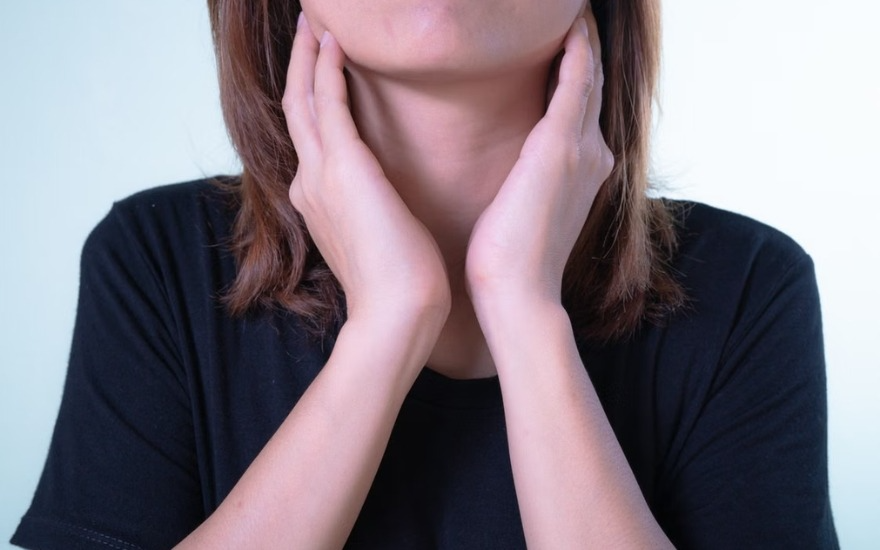
Thyroid nodules can affect people of all ages. However, certain groups may have a higher risk because of age, sex, medical history and environmental factors.
- Women and people over the age of 50: Thyroid nodules are more common in these groups, partly because of hormonal changes and age-related changes in the thyroid gland. [3]
- People with a family history of thyroid disease: Those with a close relative who has thyroid nodules, goitre or thyroid cancer may have an increased risk. [3]
- People with iodine deficiency or excessive iodine intake: Prolonged iodine deficiency or excessive iodine supplementation may increase the risk of thyroid nodule formation in susceptible individuals. [2]
- People with a history of radiation exposure to the head or neck: Previous radiotherapy or radiation exposure involving the head and neck, particularly during childhood, increases the risk of thyroid nodules and thyroid cancer. [2]
- People with an existing thyroid disorder: Those with Hashimoto’s thyroiditis, hyperthyroidism, hypothyroidism or other thyroid conditions may be more likely to develop nodules.
- People who are overweight, have obesity or smoke: Some studies suggest that these factors may be associated with a higher risk of thyroid nodules, although their effects may vary between individuals. [1]
6. How are thyroid nodules diagnosed?
Diagnostic assessment helps confirm the presence of a thyroid nodule, evaluate the risk of malignancy, assess thyroid function and determine the most appropriate management. Depending on the individual case, a doctor may recommend one or more of the following methods:
6.1. Clinical assessment
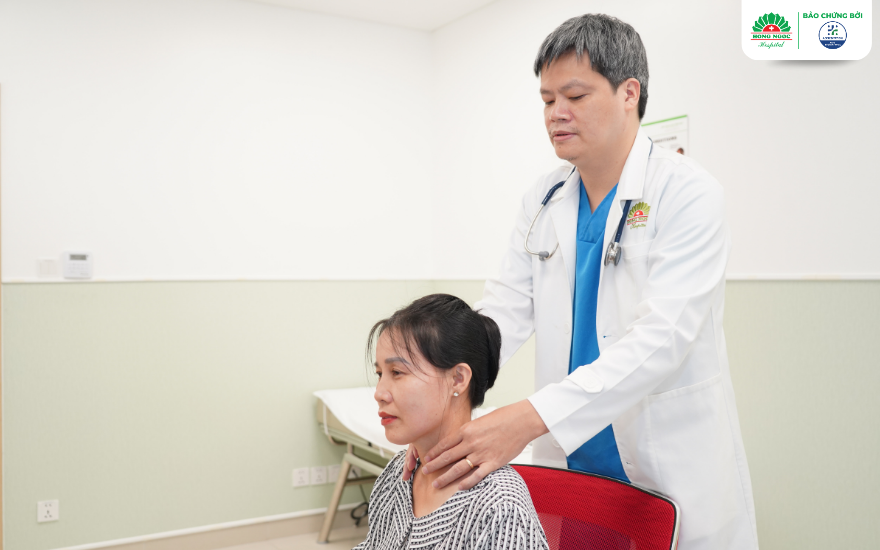
The doctor will review the patient’s medical history, family history of thyroid disease or thyroid cancer, previous radiation exposure to the head or neck, and symptoms such as a neck lump, difficulty swallowing or breathing, hoarseness, or unexplained changes in body weight.
The doctor will then examine the neck to assess the location, size and mobility of the thyroid nodule and check for enlarged cervical lymph nodes. Findings from the clinical examination help guide subsequent laboratory tests and diagnostic imaging. [1]
6.2. Thyroid ultrasound
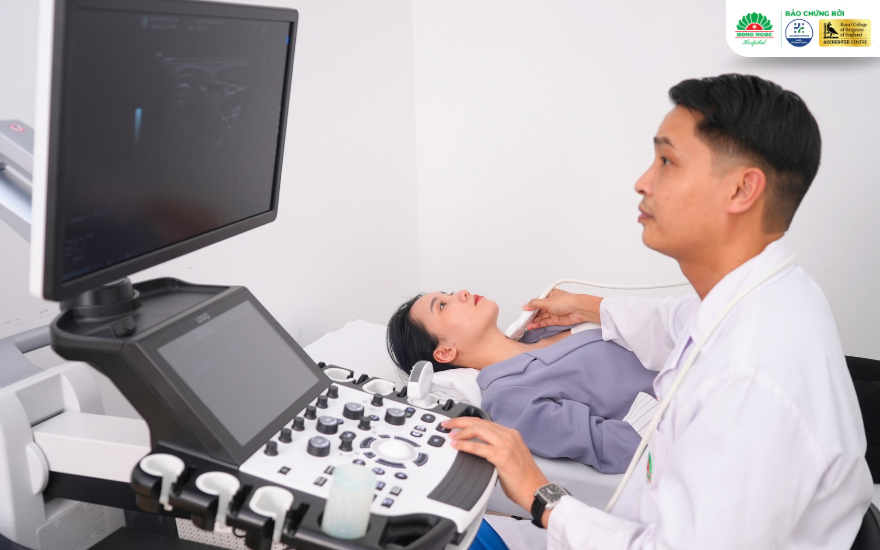
Ultrasound is a non-invasive imaging method widely used to detect and evaluate thyroid nodules. It can determine their location, size and number, as well as whether they are solid, fluid-filled or mixed solid-cystic nodules. [3]
Ultrasound can also identify suspicious features associated with malignancy, including marked hypoechogenicity, irregular margins, a taller-than-wide shape and punctate echogenic foci consistent with microcalcifications. Based on these characteristics, doctors may classify nodules using the ACR TI-RADS system to estimate the risk of malignancy and determine whether ultrasound monitoring or fine-needle aspiration (FNA) is appropriate. [3]
6.3. Thyroid function tests
Thyroid function tests assess how well the thyroid gland is working. TSH is usually the first test performed. If the TSH level is abnormal, the doctor may order additional tests such as FT4 and FT3. Thyroid antibody tests, including anti-TPO and anti-Tg, may also be recommended when autoimmune thyroid disease is suspected. [4]
6.4. Fine-needle aspiration (FNA)
Fine-needle aspiration (FNA) involves collecting cells from a thyroid nodule under ultrasound guidance for cytological examination. It is an important diagnostic procedure used to distinguish benign from malignant nodules and helps avoid unnecessary surgery. FNA is generally recommended when a nodule meets the relevant size threshold and displays suspicious ultrasound features according to clinical guidelines. [5]
7. Thyroid nodule treatments at Hong Ngoc General Hospital
At Hong Ngoc General Hospital, patients are assessed by endocrinologists and surgeons using ultrasound, thyroid function tests, fine-needle aspiration and other specialised diagnostic methods. These findings are used to develop an individualised treatment plan aimed at controlling the condition, preserving thyroid function whenever possible and avoiding unnecessary intervention.
7.1. Regular monitoring
For small, benign thyroid nodules that cause no symptoms and display no suspicious features, doctors commonly recommend regular monitoring. Follow-up appointments and ultrasound examinations allow changes in the nodule’s size and characteristics to be assessed so that any concerning developments can be identified and managed promptly. [3]
7.2. Medical treatment
Medication may be prescribed when a thyroid nodule is accompanied by thyroid dysfunction, such as hyperthyroidism or hypothyroidism. Depending on the condition, treatment may include antithyroid medication, thyroid hormone replacement or other medicines to manage symptoms and stabilise thyroid function. Patients should take all medication as prescribed and attend regular follow-up appointments so that treatment can be adjusted when necessary. [3]
7.3. Radiofrequency ablation (RFA)
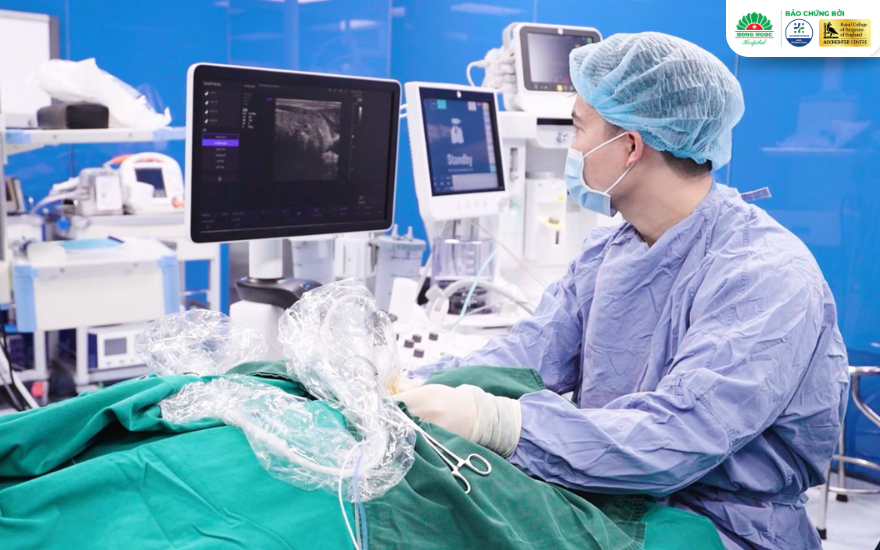
Radiofrequency ablation (RFA) is a minimally invasive treatment that may be considered for appropriately selected benign thyroid nodules that are large, continue to grow, cause compressive symptoms or create cosmetic concerns. Under ultrasound guidance, the procedure uses heat generated by radiofrequency energy to destroy targeted nodule tissue.
Following treatment, the nodule gradually decreases in size, helping relieve compressive symptoms while preserving healthy thyroid tissue. [6]
At Hong Ngoc General Hospital, RFA is performed under real-time ultrasound guidance to accurately identify the treatment area and minimise effects on surrounding healthy tissue. Compared with conventional surgery, potential benefits of RFA include:
- No open surgery or removal of the thyroid gland.
- Local anaesthesia, with minimal pain and tissue disruption.
- Minimal or no visible scarring on the neck.
- Preservation of thyroid function, reducing the likelihood of long-term thyroid hormone replacement.
- A relatively short procedure, typically around 30 minutes; hospital admission is usually unnecessary, and patients can generally return to normal activities soon afterwards.
However, RFA is not suitable for every thyroid nodule. The doctor will assess the nodule’s size, location and characteristics, together with FNA results and the patient’s overall health, to determine whether the procedure is appropriate.
7.4. Surgery when clinically indicated
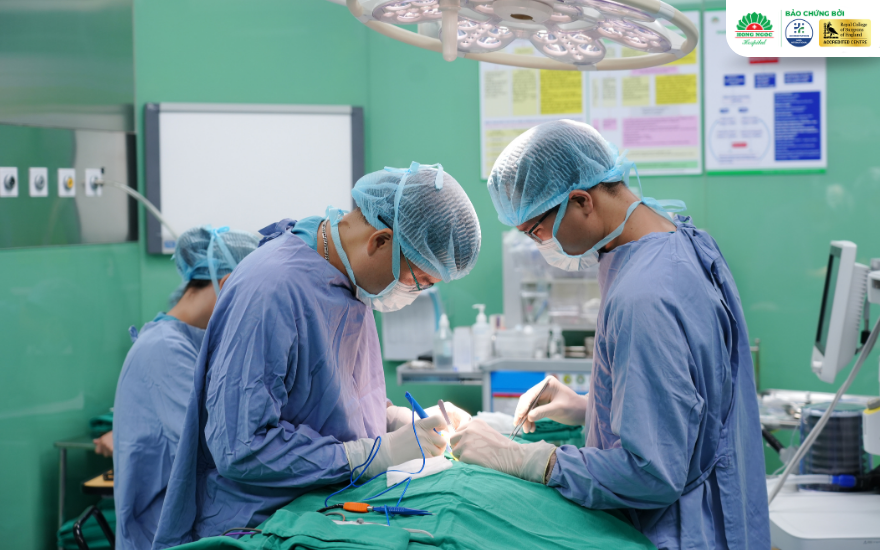
Surgery may be recommended when a thyroid nodule is suspicious or confirmed to be malignant, is large enough to compress the trachea or oesophagus and interfere with breathing or swallowing, or when FNA findings cannot exclude cancer.
At Hong Ngoc General Hospital, specialists conduct a comprehensive assessment and multidisciplinary consultation before selecting the most appropriate surgical approach. The aim is to remove the lesion while preserving as much healthy thyroid tissue and function as possible. [3]
The two main surgical approaches are:
- Transoral endoscopic thyroidectomy vestibular approach (TOETVA): This approach may be offered to appropriately selected patients. Surgery is performed through small incisions inside the lower lip, avoiding a visible scar on the neck. Potential benefits include less postoperative pain, reduced blood loss and a shorter recovery period.
- Open thyroid surgery: This approach may be recommended for large nodules, suspected or confirmed thyroid cancer, invasion into surrounding tissues, or cases requiring cervical lymph node dissection. It provides direct access to the surgical field and allows surgeons to manage complex conditions effectively.
With advanced medical technology and an experienced specialist team, Hong Ngoc General Hospital develops an individualised treatment plan for each patient and provides post-treatment follow-up. The approach aims to reduce the risk of complications, preserve the parathyroid glands and recurrent laryngeal nerves, and support favourable long-term outcomes.
8. Monitoring and reducing the risk of thyroid nodules
Thyroid nodules cannot always be prevented. However, maintaining a healthy lifestyle, ensuring an appropriate iodine intake and attending regular health checks may help reduce certain risk factors and support the early detection and timely management of thyroid abnormalities.
- Attend regular health checks and thyroid ultrasound appointments: People with thyroid nodules or a higher risk of developing them should attend follow-up appointments as recommended. Regular monitoring allows doctors to assess changes in nodule size and characteristics and identify suspicious features early. [3]
- Maintain an appropriate iodine intake: Consuming the right amount of iodine supports normal thyroid function. High-dose iodine supplements should not be taken without medical advice. [3]
- Follow a balanced diet and healthy lifestyle: A varied diet, healthy body weight, regular physical activity and avoidance of smoking support thyroid and overall health.
- Manage existing thyroid conditions: People with hyperthyroidism, hypothyroidism or thyroiditis should follow their treatment plan and attend scheduled follow-up appointments to maintain stable thyroid function and monitor any nodules. [2]
- Avoid unnecessary radiation exposure: Imaging examinations involving ionising radiation should be performed only when medically indicated, with appropriate protective measures used when required. [1]
9. Frequently asked questions about thyroid nodules
9.1. Can thyroid nodules disappear on their own?
Most thyroid nodules do not disappear spontaneously. Benign nodules may remain stable for many years or grow slowly. Some fluid-filled thyroid cysts may decrease in size as the fluid is reabsorbed or after aspiration, although they can recur. Patients should therefore attend regular follow-up appointments and ultrasound examinations as advised by their doctor. [3]
9.2. Do thyroid nodules require surgery?
Not all thyroid nodules require surgery. Most benign nodules only need regular monitoring. Surgery may be recommended when a nodule is suspicious or confirmed to be malignant, is large enough to cause compressive symptoms or interfere with breathing or swallowing, or causes hyperthyroidism that does not respond to other treatments.
The doctor will determine the most appropriate treatment based on ultrasound findings, FNA results and the patient’s individual condition. [6]
9.3. Are thyroid nodules cancerous?
Most thyroid nodules are benign. According to Cleveland Clinic, more than 90% of thyroid nodules in adults are benign, while approximately 4–6.5% are cancerous. However, determining the nature of a nodule requires medical assessment, ultrasound and, when indicated, fine-needle aspiration. [1]
Most thyroid nodules do not require immediate intervention. Nevertheless, early assessment, accurate diagnosis and regular monitoring are important for identifying nodules that may be malignant or cause complications. Anyone who notices a lump in the neck, experiences difficulty swallowing or persistent hoarseness, or is found to have a thyroid nodule during a health examination should visit a specialist healthcare facility for appropriate evaluation and treatment advice.
If you have concerns about your thyroid health, please contact Hong Ngoc General Hospital on 0916 987 366 for timely assistance.
Medical disclaimer: The information provided in this article by Hong Ngoc General Hospital is for general reference only and does not replace professional medical diagnosis or treatment. For an accurate assessment, patients should visit a reputable healthcare facility for an in-person examination and an appropriate treatment plan recommended by a qualified doctor.
References:
- Cleveland Clinic - Thyroid Nodules. https://my.clevelandclinic.org/health/diseases/13121-thyroid-nodule
- Mayo Clinic - Thyroid Nodules. https://www.mayoclinic.org/diseases-conditions/thyroid-nodules/symptoms-causes/syc-20355262
- American Thyroid Association - Thyroid Nodules. https://www.thyroid.org/thyroid-nodules/
- American Thyroid Association - Thyroid Function Tests. https://www.thyroid.org/thyroid-function-tests/
- American Thyroid Association - Fine Needle Aspiration Biopsy of Thyroid Nodules. https://www.thyroid.org/fna-thyroid-nodules/
- Mayo Clinic - Thyroid Nodules. https://www.mayoclinic.org/diseases-conditions/thyroid-nodules/diagnosis-treatment/drc-20355266