

Sinus bradycardia is a condition in which the heart’s sinus node generates impulses more slowly than normal, resulting in a heart rate below 60 beats per minute. If this condition persists, it may cause symptoms such as fatigue, dizziness, and fainting. In some cases, it may even lead to sudden cardiac death and become life threatening.
What is sinus bradycardia?
Sinus bradycardia is a condition in which the heart’s sinus node generates electrical impulses more slowly than normal, resulting in a heart rate below 60 beats per minute. In adults, the sinus node normally generates impulses at a rate of about 60 to 100 beats per minute at rest, while a rate below 60 beats per minute is considered slow.
However, the normal sinus rate may vary depending on age. In older adults, the sinus rhythm tends to be slower, while in newborns, the sinus rate is faster, usually ranging from 120 to 160 beats per minute.
Causes of sinus bradycardia
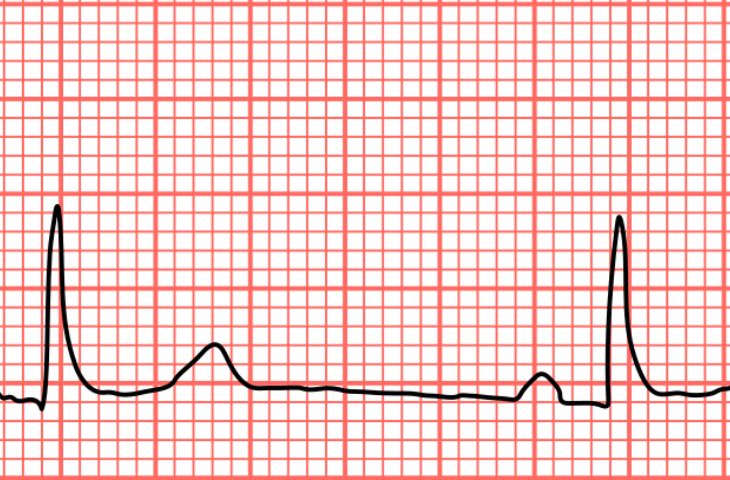
Sinus bradycardia is a slow sinus rhythm, usually below 60 beats per minute in adults.
Sinus bradycardia may be caused by various factors, including heart damage, medication side effects, and metabolic disorders. Common causes include:
Cardiac causes
Congenital heart disease.
Coronary artery disease.
Myocardial ischemia or acute myocardial infarction.
Sick sinus syndrome.
Cardiac inflammation, such as myocarditis or pericarditis.
Non cardiac causes
Anemia or hypoxia.
Hyperkalemia.
Hypothyroidism.
Side effects of antiarrhythmic drugs or antidepressants.
Use of stimulants.
Sleep apnea.
Increased intracranial pressure.
Age
Aging can cause fibrosis and gradual loss of pacemaker cells in the sinus node, leading to sick sinus syndrome and sinus bradycardia. People over 65 are at higher risk of sinus node dysfunction than younger individuals.
Symptoms of sinus bradycardia

People with sinus bradycardia often experience dizziness or fainting.
Most cases of sinus bradycardia do not cause obvious symptoms, making the condition difficult to detect during clinical examination. When symptoms occur, patients may experience:
Shortness of breath or breathlessness.
Angina or chest pain.
Fatigue and reduced exercise tolerance.
Dizziness, lightheadedness, or fainting.
Difficulty concentrating and memory impairment.
Irritability.
People at higher risk of sinus bradycardia
Anyone can develop sinus bradycardia, but the following groups are at higher risk:
People over 65, mainly due to the effects of aging.
People who exercise regularly. Regular physical activity and good physical fitness can have a positive effect on the vagus nerve. Better vagal tone is associated with a lower resting heart rate.
Newborns with congenital sinus bradycardia.
Is sinus bradycardia dangerous?
Most cases of sinus bradycardia are asymptomatic and not highly dangerous. However, if the condition persists and is left untreated, the heart may not function effectively and may fail to pump enough blood to the body’s organs, leading to complications such as:
High blood pressure.
Angina.
Recurrent fainting episodes.
Sudden cardiac arrest.
Heart failure.
Therefore, although sinus bradycardia is not always dangerous, patients should not ignore it. Once the condition is detected, early treatment should be provided according to the guidance of a cardiology specialist.

Prolonged sinus bradycardia may lead to heart failure.
Diagnostic methods for sinus bradycardia
Sinus bradycardia can be diagnosed using the following methods:
Electrocardiogram
An electrocardiogram records the electrical signals traveling through the heart as waveforms, allowing doctors to assess the heart’s activity, rate, and rhythm.
Blood tests
Blood tests can help doctors determine whether bradycardia is caused by infection, electrolyte imbalance, or hypothyroidism.
Exercise stress test
This test evaluates whether the heart rate increases appropriately in response to the body’s demand during physical activity.
How is sinus bradycardia treated?
Mild sinus bradycardia may not require treatment. However, if the sinus rate is too low, treatment may be needed to prevent complications. The treatment approach depends on the underlying cause.
Treatment for sinus bradycardia may include managing secondary causes, such as hypothyroidism with appropriate medication, sleep apnea with supportive devices, or infection with antibiotics.
Medications that may affect heart rate should only be used or adjusted under a doctor’s guidance.
Pacemaker implantation may be indicated for patients with sinus bradycardia caused by sick sinus syndrome, especially when symptoms such as fainting occur and the condition does not respond to medication.
Preventive measures against sinus bradycardia
Although sinus bradycardia is not always dangerous, early prevention is still important. Recommended measures include:
Maintaining a healthy body weight and avoiding overweight or obesity.
Controlling blood pressure and cholesterol levels.
Limiting alcohol consumption and avoiding stimulants.
Exercising regularly at an appropriate intensity.
Following a heart healthy diet rich in green vegetables, fruits, and whole grains, while limiting red meat, greasy foods, and processed foods.
Reducing stress.
Having annual health checkups.
If any abnormal symptoms occur, even mild ones, patients should proactively seek medical evaluation for an accurate diagnosis and timely treatment.

Proactively schedule regular cardiovascular health checkups.
Register for a consultation with cardiology specialists at Hong Ngoc General Hospital here:
Cardiology Department, Hong Ngoc General Hospital
55 Yen Ninh Street, Ba Dinh District, Hanoi
No. 8 Chau Van Liem Street, Tu Liem, Hanoi
Consultation and appointment hotline: 0911 858 616
Note: The information provided in this article by Hong Ngoc General Hospital is for reference purposes only and is not intended to replace professional medical diagnosis or treatment. To accurately determine their medical condition, patients should visit a reputable healthcare facility for direct examination by a physician and consultation on an appropriate and effective treatment plan.
Follow the official fanpage of Hong Ngoc General Hospital for more useful health information.
Sinus bradycardia is a condition in which the heart’s sinus node generates impulses more slowly than normal, resulting in a heart rate below 60 beats per minute. If this condition persists, it may cause symptoms such as fatigue, dizziness, and fainting. In some cases, it may even lead to sudden cardiac death and become life threatening.
What is sinus bradycardia?
Sinus bradycardia is a condition in which the heart’s sinus node generates electrical impulses more slowly than normal, resulting in a heart rate below 60 beats per minute. In adults, the sinus node normally generates impulses at a rate of about 60 to 100 beats per minute at rest, while a rate below 60 beats per minute is considered slow.
However, the normal sinus rate may vary depending on age. In older adults, the sinus rhythm tends to be slower, while in newborns, the sinus rate is faster, usually ranging from 120 to 160 beats per minute.
Causes of sinus bradycardia
Sinus bradycardia is a slow sinus rhythm, usually below 60 beats per minute in adults.
Sinus bradycardia may be caused by various factors, including heart damage, medication side effects, and metabolic disorders. Common causes include:
Cardiac causes
Congenital heart disease.
Coronary artery disease.
Myocardial ischemia or acute myocardial infarction.
Sick sinus syndrome.
Cardiac inflammation, such as myocarditis or pericarditis.
Non cardiac causes
Anemia or hypoxia.
Hyperkalemia.
Hypothyroidism.
Side effects of antiarrhythmic drugs or antidepressants.
Use of stimulants.
Sleep apnea.
Increased intracranial pressure.
Age
Aging can cause fibrosis and gradual loss of pacemaker cells in the sinus node, leading to sick sinus syndrome and sinus bradycardia. People over 65 are at higher risk of sinus node dysfunction than younger individuals.
Symptoms of sinus bradycardia
People with sinus bradycardia often experience dizziness or fainting.
Most cases of sinus bradycardia do not cause obvious symptoms, making the condition difficult to detect during clinical examination. When symptoms occur, patients may experience:
Shortness of breath or breathlessness.
Angina or chest pain.
Fatigue and reduced exercise tolerance.
Dizziness, lightheadedness, or fainting.
Difficulty concentrating and memory impairment.
Irritability.
People at higher risk of sinus bradycardia
Anyone can develop sinus bradycardia, but the following groups are at higher risk:
People over 65, mainly due to the effects of aging.
People who exercise regularly. Regular physical activity and good physical fitness can have a positive effect on the vagus nerve. Better vagal tone is associated with a lower resting heart rate.
Newborns with congenital sinus bradycardia.
Is sinus bradycardia dangerous?
Most cases of sinus bradycardia are asymptomatic and not highly dangerous. However, if the condition persists and is left untreated, the heart may not function effectively and may fail to pump enough blood to the body’s organs, leading to complications such as:
High blood pressure.
Angina.
Recurrent fainting episodes.
Sudden cardiac arrest.
Heart failure.
Therefore, although sinus bradycardia is not always dangerous, patients should not ignore it. Once the condition is detected, early treatment should be provided according to the guidance of a cardiology specialist.
Prolonged sinus bradycardia may lead to heart failure.
Diagnostic methods for sinus bradycardia
Sinus bradycardia can be diagnosed using the following methods:
Electrocardiogram
An electrocardiogram records the electrical signals traveling through the heart as waveforms, allowing doctors to assess the heart’s activity, rate, and rhythm.
Blood tests
Blood tests can help doctors determine whether bradycardia is caused by infection, electrolyte imbalance, or hypothyroidism.
Exercise stress test
This test evaluates whether the heart rate increases appropriately in response to the body’s demand during physical activity.
How is sinus bradycardia treated?
Mild sinus bradycardia may not require treatment. However, if the sinus rate is too low, treatment may be needed to prevent complications. The treatment approach depends on the underlying cause.
Treatment for sinus bradycardia may include managing secondary causes, such as hypothyroidism with appropriate medication, sleep apnea with supportive devices, or infection with antibiotics.
Medications that may affect heart rate should only be used or adjusted under a doctor’s guidance.
Pacemaker implantation may be indicated for patients with sinus bradycardia caused by sick sinus syndrome, especially when symptoms such as fainting occur and the condition does not respond to medication.
Preventive measures against sinus bradycardia
Although sinus bradycardia is not always dangerous, early prevention is still important. Recommended measures include:
Maintaining a healthy body weight and avoiding overweight or obesity.
Controlling blood pressure and cholesterol levels.
Limiting alcohol consumption and avoiding stimulants.
Exercising regularly at an appropriate intensity.
Following a heart healthy diet rich in green vegetables, fruits, and whole grains, while limiting red meat, greasy foods, and processed foods.
Reducing stress.
Having annual health checkups.
If any abnormal symptoms occur, even mild ones, patients should proactively seek medical evaluation for an accurate diagnosis and timely treatment.
Proactively schedule regular cardiovascular health checkups.
Register for a consultation with cardiology specialists at Hong Ngoc General Hospital here:
Cardiology Department, Hong Ngoc General Hospital
55 Yen Ninh Street, Ba Dinh District, Hanoi
No. 8 Chau Van Liem Street, Tu Liem, Hanoi
Consultation and appointment hotline: 0911 858 616
Note: The information provided in this article by Hong Ngoc General Hospital is for reference purposes only and is not intended to replace professional medical diagnosis or treatment. To accurately determine their medical condition, patients should visit a reputable healthcare facility for direct examination by a physician and consultation on an appropriate and effective treatment plan.
Follow the official fanpage of Hong Ngoc General Hospital for more useful health information.
Để lại câu hỏi của bạn để nhận được giải đáp từ các bác sĩ của Hồng Ngọc
Lorem ipsum dolor
Lorem ipsum dolor sit amet, consectetur adipiscing elit. Mauris odio lectus, pretium faucibus nisi eu, accumsan consectetur orci. In blandit vehicula nisl, vel lacinia ligula finibus a. Donec fermentum rhoncus