

Round ligament pain during pregnancy is a common condition experienced by many expectant mothers. Understanding its causes and appropriate management strategies can help alleviate discomfort and improve maternal well being throughout pregnancy.
What is round ligament pain?
The round ligaments are two bands of connective tissue located on either side of the uterus. Their function is to support and connect the uterus to the groin and pubic region. During pregnancy, as the uterus progressively enlarges to accommodate fetal growth, the round ligaments stretch accordingly.
As the fetus grows and the abdomen expands, everyday movements such as walking or changes in posture may cause the round ligaments to contract, leading to pain or discomfort. This condition most commonly occurs during pregnancy, although in some cases it may also be observed in women with endometriosis.
According to experts, approximately 10% to 30% of pregnant women experience round ligament pain, typically affecting the lower abdomen or groin area. Symptoms usually begin during the second trimester.
Round ligament pain is considered a normal physiological change associated with pregnancy. It is generally not dangerous and does not adversely affect the health of either the mother or the fetus, so pregnant women should not be overly concerned.
Round ligament pain is a common condition during pregnancy.
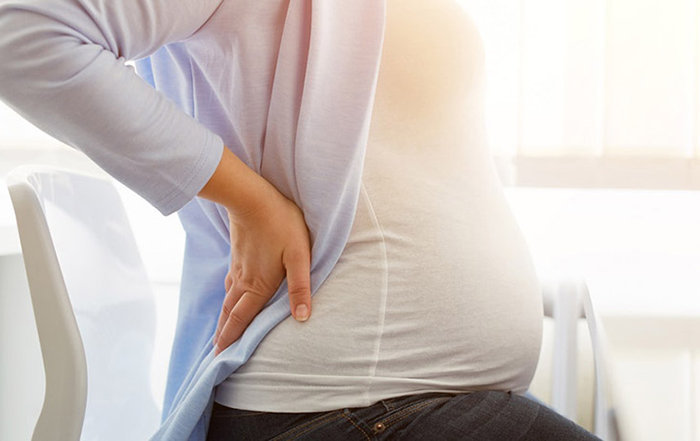
Round ligament pain is a normal physiological condition during pregnancy.
Although all are classified as round ligament related pain, the condition may present in different forms depending on the stage of pregnancy and symptom severity, including:
Round ligament pain during pregnancy;
Lower abdominal ligament pain during pregnancy;
Round ligament pain during the first trimester;
Ligament weakness in pregnant women;
Pelvic ligament pain during pregnancy;
Ligament laxity or weakness.
If the pain becomes persistent or severe, pregnant women should seek medical evaluation at a reputable healthcare facility.
To register for a comprehensive maternity care package, please contact our hotline at 0919 645 271 or complete the registration form below.
Causes of round ligament pain during pregnancy
Round ligament pain is a common physiological change during pregnancy and generally does not have a significant impact on maternal health. In most cases, the discomfort resolves after delivery, once the uterus returns to its normal size.
The primary cause of round ligament pain is the growing fetus and enlarging uterus, which place increasing tension on the ligaments. As the ligaments stretch rapidly to accommodate uterine expansion, nearby nerves may be affected, resulting in pain or discomfort.
In addition, certain movements and activities may make the pain more noticeable, including:
Rolling over while lying down;
Standing up suddenly from a sitting position;
Coughing or sneezing;
Laughing loudly or excessively;
Sudden or strenuous movements, such as lifting heavy objects or falling from a motorbike or bicycle.
What can pregnant women do to relieve round ligament pain?
Round ligament pain is a common discomfort during pregnancy and is often difficult to avoid completely. Although it cannot be entirely eliminated, several measures may help reduce both the frequency and severity of pain episodes:
When lying down, pregnant women should lie on their side with the knees slightly bent. Placing a pillow between the legs and under the lower abdomen may provide additional support and comfort;
Changes in position or posture should be performed slowly and gently, avoiding sudden movements;
Applying a warm compress may help relieve pain;
Soaking in a warm bath can not only reduce discomfort but also promote relaxation and overall well being;
Prenatal yoga may help improve physical fitness and reduce round ligament pain;
Women with a larger abdomen or advanced pregnancy may benefit from using a maternity support belt;
Adequate rest and minimizing sudden movements may also help alleviate symptoms.
If the pain becomes frequent, severe, or does not improve, pregnant women should seek medical evaluation.

Sleeping on the left side is considered the most beneficial sleeping position for pregnant women.
When should pregnant women see a doctor?
Round ligament pain is generally harmless and usually resolves after childbirth. However, pregnant women should seek immediate medical attention if any of the following warning signs occur:
Persistent lower abdominal pain that does not improve despite changing position;
Burning sensation during urination;
Cloudy urine or urine with an unusual odor;
Early uterine contractions;
Increased or abnormal vaginal discharge;
Nausea or vomiting;
Fever or chills;
Difficulty walking;
A sensation of significant pelvic pressure.
Pregnant women should not ignore these symptoms, as they may affect the health of both the mother and the fetus.
These signs may not only be associated with round ligament pain but can also indicate more serious medical conditions, including:
Urinary tract infection;
Appendicitis;
Placental abruption;
Preterm labor;
Sexually transmitted infections.
Effective management of round ligament pain during pregnancy
Round ligament pain is a normal physiological condition during pregnancy, resulting from enlargement of the uterus and increased pressure on the round ligaments. In most cases, this condition does not significantly affect maternal health and usually resolves after childbirth.
However, appropriate management strategies are still important to help pregnant women reduce discomfort and minimize the risk of potential complications for both mother and fetus.

If pregnant women experience abdominal pain accompanied by fever or chills, they should seek immediate medical evaluation.
The following measures may help relieve round ligament pain during pregnancy
Seek medical evaluation when necessary
Occasional episodes of round ligament pain are generally not a cause for concern. However, pregnant women should consult a physician immediately if any of the following symptoms occur:
Persistent pain accompanied by vaginal bleeding;
Abdominal cramping or contractions;
Fever or chills;
Nausea or vomiting.
Adjust diet and daily activities
Lifestyle habits, physical activity, and nutrition can significantly influence the severity of round ligament pain. Therefore, pregnant women are encouraged to adopt healthier daily routines to help improve symptoms.
A balanced and nutritious diet, combined with gentle physical activity and adequate rest, may help alleviate discomfort and reduce progression of this common physiological condition during pregnancy. As symptoms improve, expectant mothers often feel considerably more comfortable.
Simple supportive measures
Pregnant women may also consider the following supportive strategies to help relieve symptoms:
Adequate rest: Women who work in office settings should take a short break of approximately 5 minutes after every 45 minutes to 1 hour of sitting to help reduce ligament strain. Prolonged sitting should be avoided, and standing up should be done slowly rather than abruptly;
Proper sleeping position: Sleeping on the left side is recommended during pregnancy because it promotes better blood circulation and reduces uterine pressure on the round ligaments, thereby helping relieve pain. Left lateral positioning also minimizes pressure on the heart, reduces shortness of breath, and may improve sleep quality;
Appropriate physical activity: Strenuous exercise should be avoided during pregnancy because it may adversely affect the fetus. High impact sports such as running, badminton, or table tennis are generally not recommended. Instead, pregnant women should engage in gentle and pregnancy appropriate activities such as swimming, yoga, or walking. Moderate exercise may improve overall health without negatively affecting fetal development;
Relaxation massage: Gentle massage or soaking in warm water for approximately 10 to 15 minutes may help reduce discomfort associated with round ligament pain;
Maternity support belt: Women with larger pregnancies who frequently experience heaviness, fatigue, or round ligament pain may benefit from using a maternity support belt. However, excessive reliance on support belts should be avoided, as prolonged use may reduce muscle activity and potentially contribute to decreased muscle tone after delivery.
The above information may help pregnant women better understand round ligament pain during pregnancy and support a healthier, more comfortable prenatal journey while awaiting the birth of their baby.
Note: The information provided in this article by Hong Ngoc General Hospital is intended for reference purposes only and does not replace professional medical diagnosis or treatment.
Round ligament pain during pregnancy is a common condition experienced by many expectant mothers. Understanding its causes and appropriate management strategies can help alleviate discomfort and improve maternal well being throughout pregnancy.
What is round ligament pain?
The round ligaments are two bands of connective tissue located on either side of the uterus. Their function is to support and connect the uterus to the groin and pubic region. During pregnancy, as the uterus progressively enlarges to accommodate fetal growth, the round ligaments stretch accordingly.
As the fetus grows and the abdomen expands, everyday movements such as walking or changes in posture may cause the round ligaments to contract, leading to pain or discomfort. This condition most commonly occurs during pregnancy, although in some cases it may also be observed in women with endometriosis.
According to experts, approximately 10% to 30% of pregnant women experience round ligament pain, typically affecting the lower abdomen or groin area. Symptoms usually begin during the second trimester.
Round ligament pain is considered a normal physiological change associated with pregnancy. It is generally not dangerous and does not adversely affect the health of either the mother or the fetus, so pregnant women should not be overly concerned.
Round ligament pain is a common condition during pregnancy.
Round ligament pain is a normal physiological condition during pregnancy.
Although all are classified as round ligament related pain, the condition may present in different forms depending on the stage of pregnancy and symptom severity, including:
Round ligament pain during pregnancy;
Lower abdominal ligament pain during pregnancy;
Round ligament pain during the first trimester;
Ligament weakness in pregnant women;
Pelvic ligament pain during pregnancy;
Ligament laxity or weakness.
If the pain becomes persistent or severe, pregnant women should seek medical evaluation at a reputable healthcare facility.
To register for a comprehensive maternity care package, please contact our hotline at 0919 645 271 or complete the registration form below.
Causes of round ligament pain during pregnancy
Round ligament pain is a common physiological change during pregnancy and generally does not have a significant impact on maternal health. In most cases, the discomfort resolves after delivery, once the uterus returns to its normal size.
The primary cause of round ligament pain is the growing fetus and enlarging uterus, which place increasing tension on the ligaments. As the ligaments stretch rapidly to accommodate uterine expansion, nearby nerves may be affected, resulting in pain or discomfort.
In addition, certain movements and activities may make the pain more noticeable, including:
Rolling over while lying down;
Standing up suddenly from a sitting position;
Coughing or sneezing;
Laughing loudly or excessively;
Sudden or strenuous movements, such as lifting heavy objects or falling from a motorbike or bicycle.
What can pregnant women do to relieve round ligament pain?
Round ligament pain is a common discomfort during pregnancy and is often difficult to avoid completely. Although it cannot be entirely eliminated, several measures may help reduce both the frequency and severity of pain episodes:
When lying down, pregnant women should lie on their side with the knees slightly bent. Placing a pillow between the legs and under the lower abdomen may provide additional support and comfort;
Changes in position or posture should be performed slowly and gently, avoiding sudden movements;
Applying a warm compress may help relieve pain;
Soaking in a warm bath can not only reduce discomfort but also promote relaxation and overall well being;
Prenatal yoga may help improve physical fitness and reduce round ligament pain;
Women with a larger abdomen or advanced pregnancy may benefit from using a maternity support belt;
Adequate rest and minimizing sudden movements may also help alleviate symptoms.
If the pain becomes frequent, severe, or does not improve, pregnant women should seek medical evaluation.
Sleeping on the left side is considered the most beneficial sleeping position for pregnant women.
When should pregnant women see a doctor?
Round ligament pain is generally harmless and usually resolves after childbirth. However, pregnant women should seek immediate medical attention if any of the following warning signs occur:
Persistent lower abdominal pain that does not improve despite changing position;
Burning sensation during urination;
Cloudy urine or urine with an unusual odor;
Early uterine contractions;
Increased or abnormal vaginal discharge;
Nausea or vomiting;
Fever or chills;
Difficulty walking;
A sensation of significant pelvic pressure.
Pregnant women should not ignore these symptoms, as they may affect the health of both the mother and the fetus.
These signs may not only be associated with round ligament pain but can also indicate more serious medical conditions, including:
Urinary tract infection;
Appendicitis;
Placental abruption;
Preterm labor;
Sexually transmitted infections.
Effective management of round ligament pain during pregnancy
Round ligament pain is a normal physiological condition during pregnancy, resulting from enlargement of the uterus and increased pressure on the round ligaments. In most cases, this condition does not significantly affect maternal health and usually resolves after childbirth.
However, appropriate management strategies are still important to help pregnant women reduce discomfort and minimize the risk of potential complications for both mother and fetus.
If pregnant women experience abdominal pain accompanied by fever or chills, they should seek immediate medical evaluation.
The following measures may help relieve round ligament pain during pregnancy
Seek medical evaluation when necessary
Occasional episodes of round ligament pain are generally not a cause for concern. However, pregnant women should consult a physician immediately if any of the following symptoms occur:
Persistent pain accompanied by vaginal bleeding;
Abdominal cramping or contractions;
Fever or chills;
Nausea or vomiting.
Adjust diet and daily activities
Lifestyle habits, physical activity, and nutrition can significantly influence the severity of round ligament pain. Therefore, pregnant women are encouraged to adopt healthier daily routines to help improve symptoms.
A balanced and nutritious diet, combined with gentle physical activity and adequate rest, may help alleviate discomfort and reduce progression of this common physiological condition during pregnancy. As symptoms improve, expectant mothers often feel considerably more comfortable.
Simple supportive measures
Pregnant women may also consider the following supportive strategies to help relieve symptoms:
Adequate rest: Women who work in office settings should take a short break of approximately 5 minutes after every 45 minutes to 1 hour of sitting to help reduce ligament strain. Prolonged sitting should be avoided, and standing up should be done slowly rather than abruptly;
Proper sleeping position: Sleeping on the left side is recommended during pregnancy because it promotes better blood circulation and reduces uterine pressure on the round ligaments, thereby helping relieve pain. Left lateral positioning also minimizes pressure on the heart, reduces shortness of breath, and may improve sleep quality;
Appropriate physical activity: Strenuous exercise should be avoided during pregnancy because it may adversely affect the fetus. High impact sports such as running, badminton, or table tennis are generally not recommended. Instead, pregnant women should engage in gentle and pregnancy appropriate activities such as swimming, yoga, or walking. Moderate exercise may improve overall health without negatively affecting fetal development;
Relaxation massage: Gentle massage or soaking in warm water for approximately 10 to 15 minutes may help reduce discomfort associated with round ligament pain;
Maternity support belt: Women with larger pregnancies who frequently experience heaviness, fatigue, or round ligament pain may benefit from using a maternity support belt. However, excessive reliance on support belts should be avoided, as prolonged use may reduce muscle activity and potentially contribute to decreased muscle tone after delivery.
The above information may help pregnant women better understand round ligament pain during pregnancy and support a healthier, more comfortable prenatal journey while awaiting the birth of their baby.
Note: The information provided in this article by Hong Ngoc General Hospital is intended for reference purposes only and does not replace professional medical diagnosis or treatment.
Để lại câu hỏi của bạn để nhận được giải đáp từ các bác sĩ của Hồng Ngọc
Lorem ipsum dolor
Lorem ipsum dolor sit amet, consectetur adipiscing elit. Mauris odio lectus, pretium faucibus nisi eu, accumsan consectetur orci. In blandit vehicula nisl, vel lacinia ligula finibus a. Donec fermentum rhoncus