


Rectal cancer is one of the most common and serious malignancies in Vietnam. Notably, the disease is showing a trend toward younger age groups and is associated with a high mortality rate. Despite this, public awareness and understanding of rectal cancer remain limited. The following article provides comprehensive, evidence based information on rectal cancer, including key aspects of its epidemiology, clinical features, and management.
What is rectal cancer?
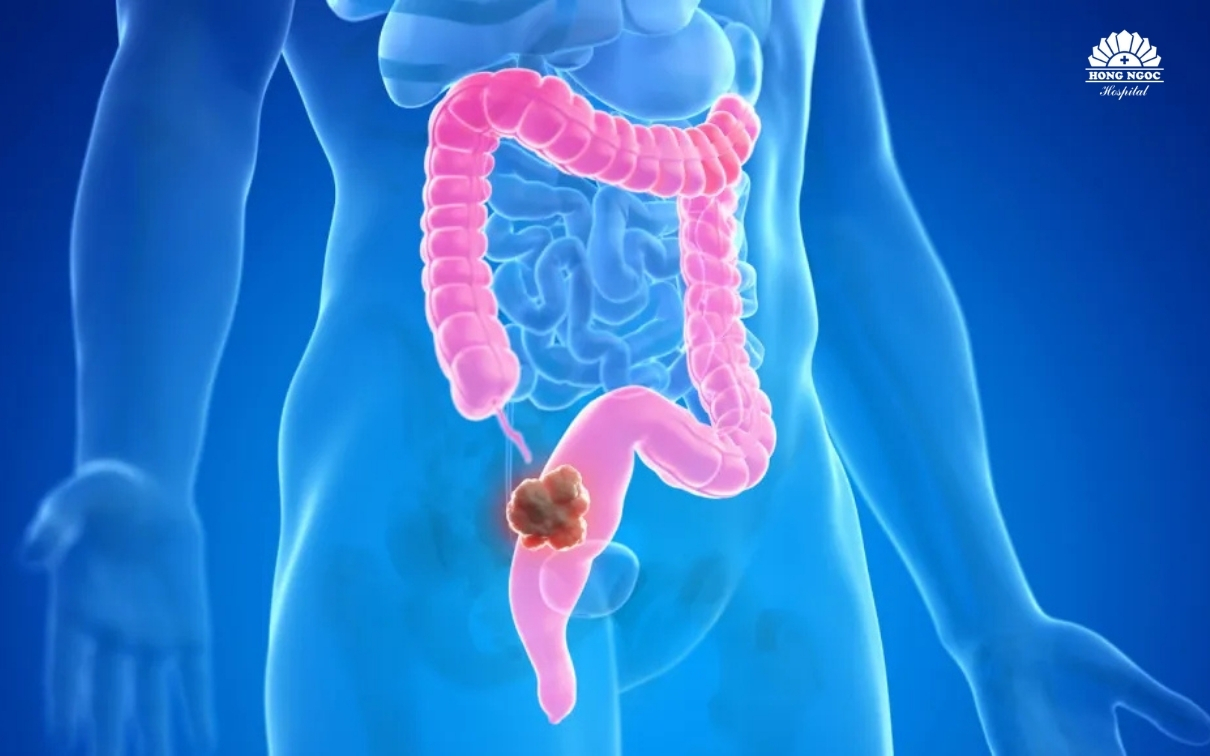
Rectal cancer occurs when cells in the rectum undergo abnormal, uncontrolled proliferation and form a malignant tumor. If not detected and treated early, the tumor can grow locally, invade surrounding tissues of the rectum, and spread to other parts of the body, a process known as metastasis.
The rectum is the final segment of the large intestine (colon), responsible for storing solid waste (stool) before it is expelled from the body through the anus. Colon cancer and rectal cancer are often collectively referred to as colorectal cancer.
Is rectal cancer dangerous?
Rectal cancer is a very serious disease. It is one of the most common cancers and a leading cause of cancer-related mortality in Vietnam.
According to GLOBOCAN 2022, Vietnam records more than 16,835 new cases of colorectal cancer each year, accounting for 9.7% of all cancer cases, with over 8,454 deaths annually. Colorectal cancer ranks fourth in incidence and fifth in mortality among all cancers in Vietnam.
In addition, rectal cancer has a high recurrence rate and a strong tendency to metastasize, making treatment more complex, costly, and significantly impacting patients’ health and quality of life. If not detected early and treated promptly, rectal cancer can lead to life-threatening complications, such as:
- Intestinal obstruction or colorectal obstruction
- Bowel perforation leading to intra-abdominal infection
- Peritumoral abscess formation
- Rectal bleeding
- Distant metastasis to other organs in the body
Additionally, compared with colon cancer, rectal cancer is considered more dangerous because tumors often develop in a lower anatomical location and tend to spread extensively if the disease progresses silently. If not treated promptly, patients may require resection of the rectum and creation of a permanent colostomy, which significantly affects quality of life and daily activities.
How long can patients with rectal cancer survive?
According to statistics from the National Cancer Institute (NCI), approximately 68% of patients with rectal cancer survive for at least five years after diagnosis. However, prognosis and survival time vary depending on the stage at diagnosis, disease extent, and the patient’s overall health status.
Therefore, screening for rectal cancer is the most effective approach for early detection, diagnosis, and prevention. The earlier the disease is detected, the higher the treatment success rate and the longer the expected survival.
Causes of rectal cancer
The exact cause of rectal cancer has not been fully identified. However, in most cases, the risk of developing rectal cancer increases with age, and more than 90% of patients are diagnosed after the age of 50.
Risk factors associated with rectal cancer include:
- People with certain gastrointestinal conditions such as chronic proctitis, rectal polyps, or Crohn’s disease
- A family history of colorectal cancer
- A personal history of colorectal cancer
- Rectal polyps
- An unhealthy diet, including high consumption of red meat (beef, buffalo, goat), frequent intake of salted or fermented foods, and excessive processed foods
- Poor or restrictive dieting habits
- Overweight and obesity
- A sedentary lifestyle
- Smoking, alcohol consumption, and use of other stimulants

Early signs of rectal cancer
In reality, many people are unaware of the symptoms of rectal cancer until they are diagnosed, and the disease is often discovered incidentally during routine health check-ups. This is because early-stage rectal cancer usually does not cause obvious symptoms and is easily mistaken for other common gastrointestinal disorders.
Therefore, anyone who experiences the following symptoms should see a doctor as soon as possible for timely diagnosis and treatment.
- Persistent digestive disturbances
- Abdominal pain or bloating with no clear cause
- Unexplained weight loss
- Changes in bowel habits, such as narrower or flattened stools; dark-colored stools mixed with mucus or blood
- Rectal bleeding
- Fatigue and general weakness
- A palpable mass in the abdominal area
Methods for diagnosing rectal cancer
Rectal endoscopy and histopathological biopsy
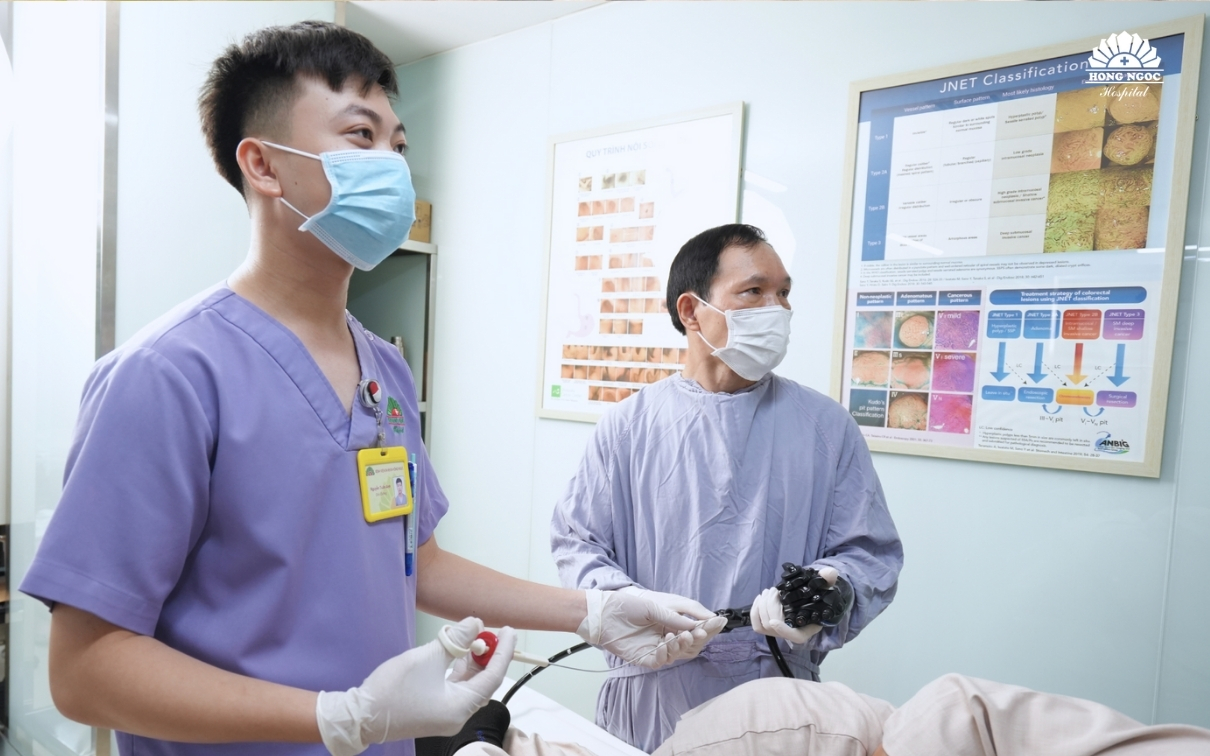
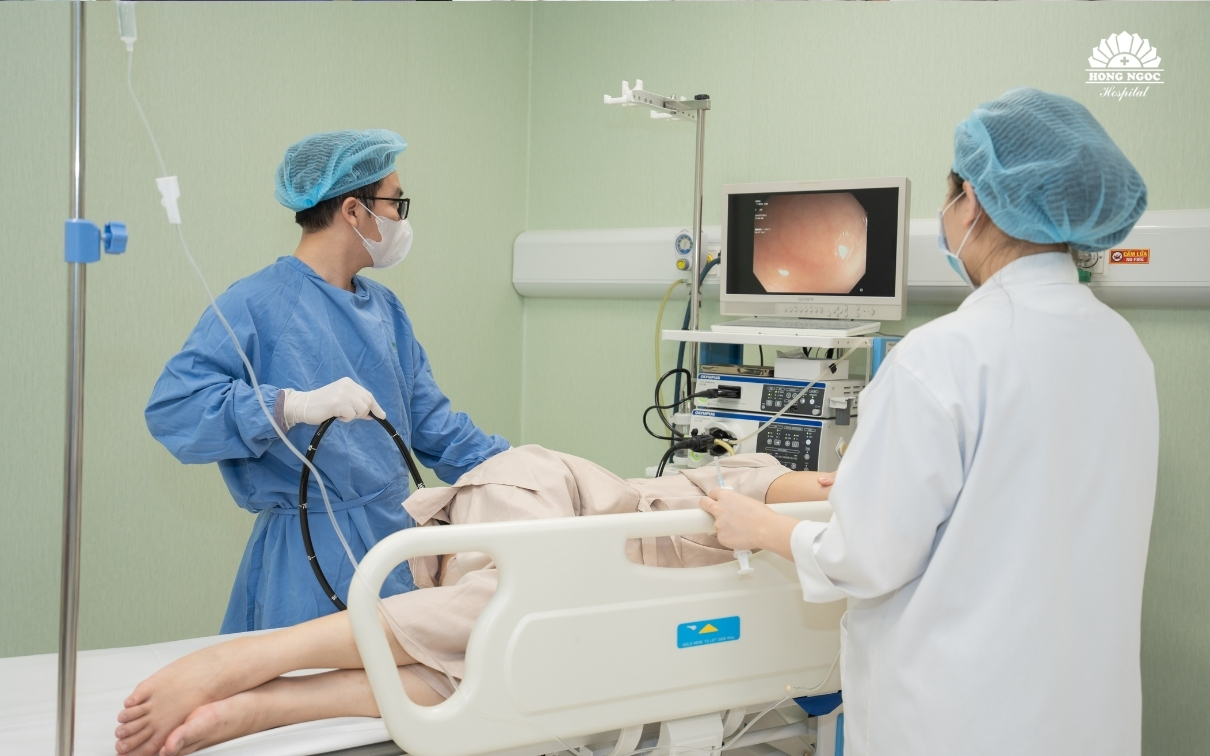
This is considered the gold standard for screening and diagnosing rectal cancer. Through endoscopy, physicians can detect polyps, precancerous lesions, malignant tumors, or other abnormal changes within the rectal lumen. The procedure allows accurate assessment of the lesion’s location, size, and surface characteristics.
During endoscopy, a small tissue sample is taken from the suspicious lesion and sent for histopathological examination.
Abdominal CT scan
Uses X rays and computer processing to generate images of the colorectum, helping physicians assess disease stage and detect tumor spread or metastasis.If suspicious lesions are identified on CT, colonoscopy is required for direct visualization and biopsy or removal when indicated.
Blood tests
Measurement of CEA (carcinoembryonic antigen). Elevated CEA levels are associated with a higher risk of rectal cancer, particularly in advanced disease or recurrence monitoring.
Stool tests
A population based screening method that is minimally invasive and easy to perform. Tests include fecal occult blood testing and stool DNA testing. However, these methods have a relatively high false negative rate and lower diagnostic reliability compared with endoscopy.
Stages of rectal cancer
Early-stage rectal cancer
Early-stage rectal cancer is divided into two stages: stage 0 and stage I.
- Stage 0: Also known as carcinoma in situ. Cancer cells are confined to the mucosa or the innermost lining of the rectum and have not invaded deeper layers.
- Stage I: The tumor has grown through the mucosa and invaded the inner wall of the rectum but has not penetrated the full thickness of the rectal wall. There is no spread to surrounding tissues or nearby lymph nodes.
- Stage II rectal cancer: At stage II, the tumor has invaded more deeply into or penetrated through the rectal wall. Cancer cells may extend to nearby tissues but have not spread to regional or distant lymph nodes.
- Stage III rectal cancer: In stage III, cancer cells have grown beyond the rectal wall (through the serosa) and spread to nearby lymph nodes. The estimated 5-year survival rate at this stage ranges from approximately 44% to 83%, depending on the extent of lymph node involvement.
- Advanced (end-stage) rectal cancer: At the final stage, cancer has penetrated all layers of the rectal wall and involved regional lymph nodes. The tumor has also metastasized to distant organs such as the liver or lungs. The 5-year survival rate at this stage is very low, at around 8%.
Treatment methods for rectal cancer
Currently, four main treatment approaches are commonly used in the management of rectal cancer:
Endoscopic submucosal dissection (ESD) for rectal cancer
Endoscopic submucosal dissection (ESD) is a minimally invasive treatment indicated for early-stage rectal cancer, specifically stage 0 and early stage I disease.
With this technique, the physician inserts an endoscope through the anus into the rectum. Using a magnified imaging system, the tumor is carefully dissected and removed en bloc with an electrosurgical knife, allowing complete excision of the cancerous tissue.Advantages of ESD include minimal invasiveness, less pain, preservation of gastrointestinal tract integrity, faster recovery, and a lower risk of complications.
At Hong Ngoc General Hospital, ESD has been routinely applied in the treatment of early rectal cancer and other early gastrointestinal cancers, helping hundreds of patients achieve curative treatment in a safe, gentle, and cost-effective manner.
For consultation, please contact the hotline: 0911 908 856
Surgical treatment for rectal cancer
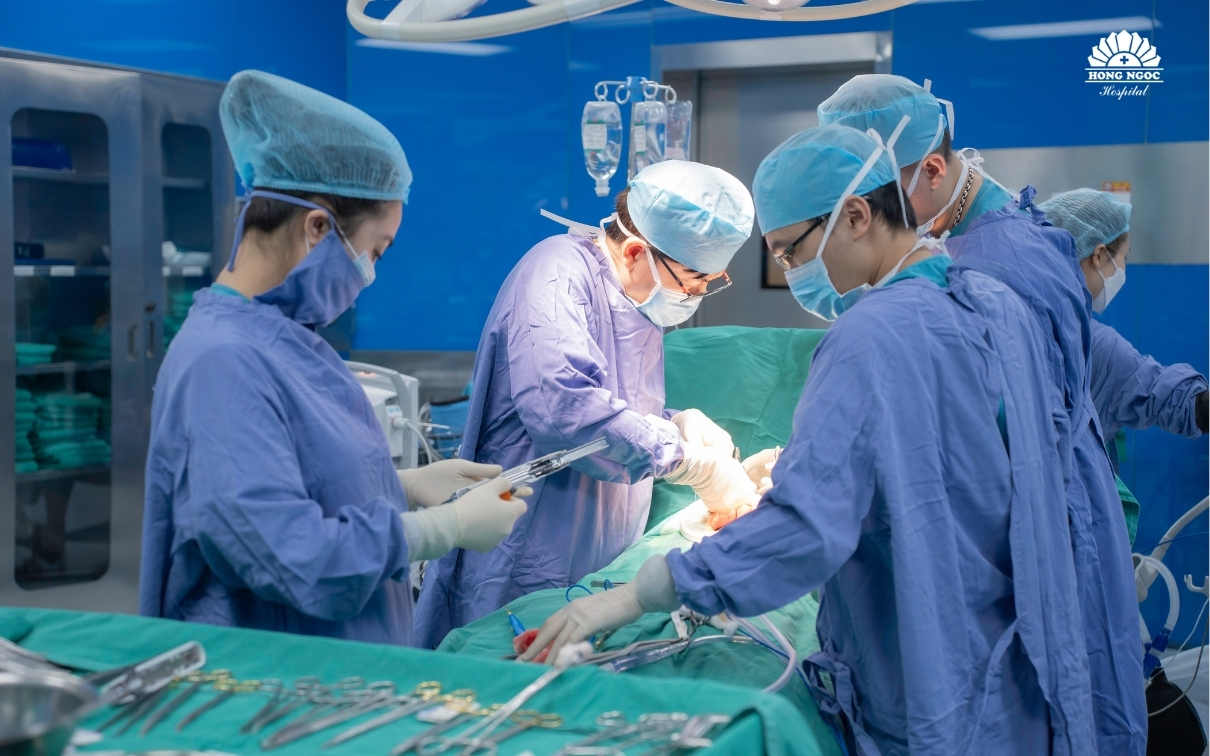
Surgery is a standard and effective treatment for rectal cancer, particularly in early-stage disease. The procedure involves removal of the rectal tumor along with surrounding tissues and regional lymph nodes, following oncologic principles such as resection of the affected bowel segment, feeding vessels, and mesorectal lymph nodes.
Currently, two main surgical approaches are used: open surgery and laparoscopic surgery. The choice of method depends on the patient’s disease stage, rectal anatomy, and the complexity of the tumor.
Hong Ngoc General Hospital is home to a highly experienced surgical team, led by Assoc. Prof. Dr. Nguyen Xuan Hung, a gastrointestinal surgery specialist with over 40 years of experience and extensive expertise in treating complex colorectal cancer cases.
To schedule a consultation or surgery, please contact: 0949 646 556
Chemotherapy
Chemotherapy plays an important role in rectal cancer treatment. It uses anticancer drugs to inhibit tumor growth and destroy cancer cells. Chemotherapy may be administered as neoadjuvant treatment (before surgery) or adjuvant treatment (after surgery), depending on disease stage and clinical indications. Drug regimens, dosages, and schedules are individualized for each patient.
Radiotherapy
Radiotherapy uses high-energy X-rays directed at the tumor site to destroy cancer cells. In rectal cancer, radiotherapy is often used as an adjunct treatment to improve outcomes before or after surgery. It may also be applied in patients who are not suitable candidates for surgery.
In addition to surgery, chemotherapy, and radiotherapy, other treatment options such as targeted drug therapy, thermal ablation, or cryotherapy may be considered, depending on the patient’s condition and disease characteristics, as determined by the treating physician.
Nutrition for patients with rectal cancer
What should patients with rectal cancer eat?
Dairy-based foods to supplement protein and calcium Soft, liquid, easy-to-digest foods that are low in fat and low in salt Plenty of green vegetables, fresh fruit juices, and whole grains Red or orange-colored fruits and vegetables such as carrots, tomatoes, papaya Simply prepared foods such as boiled or steamed dishes to aid digestion Small, frequent meals throughout the day Adequate water intake daily
What should patients with rectal cancer avoid?
Dry, hard, salty foods that are difficult to digest High-fat foods, greasy foods, and processed meats such as sausages and smoked meats Fermented and salted foods such as pickled vegetables Spicy and heat-producing foods such as chili, pepper, pineapple Limiting red meats such as buffalo meat or goat meat Avoid smoking, alcohol, alcoholic beverages, and carbonated drinks
Proper nutrition plays an important role in supporting treatment, improving tolerance to therapy, and enhancing quality of life for patients with rectal cancer.
Measures to prevent rectal cancer
Rectal cancer often develops from colorectal polyps. When clear symptoms appear, the disease is usually already at an advanced stage, making treatment more complex, costly, and less effective. Proactive periodic rectal endoscopy (with polyp removal if detected) is the most effective way to prevent the progression of rectal cancer.
- People over 35 years old with no known medical history should undergo regular rectal endoscopy for cancer screening.
- Individuals over 40 years old, especially those with a family history of gastrointestinal cancer or colorectal cancer, should undergo gastrointestinal and colorectal endoscopy for health evaluation and early cancer screening, even in the absence of symptoms such as abdominal pain, weight loss, or rectal bleeding.
- Maintain a healthy diet by limiting red meat and processed meats, and regularly supplementing vitamins E, C, and A.
- Maintain a healthy body weight and avoid overweight or obesity.
- Avoid smoking, alcohol, and alcoholic beverages.
- Engage in regular physical exercise.
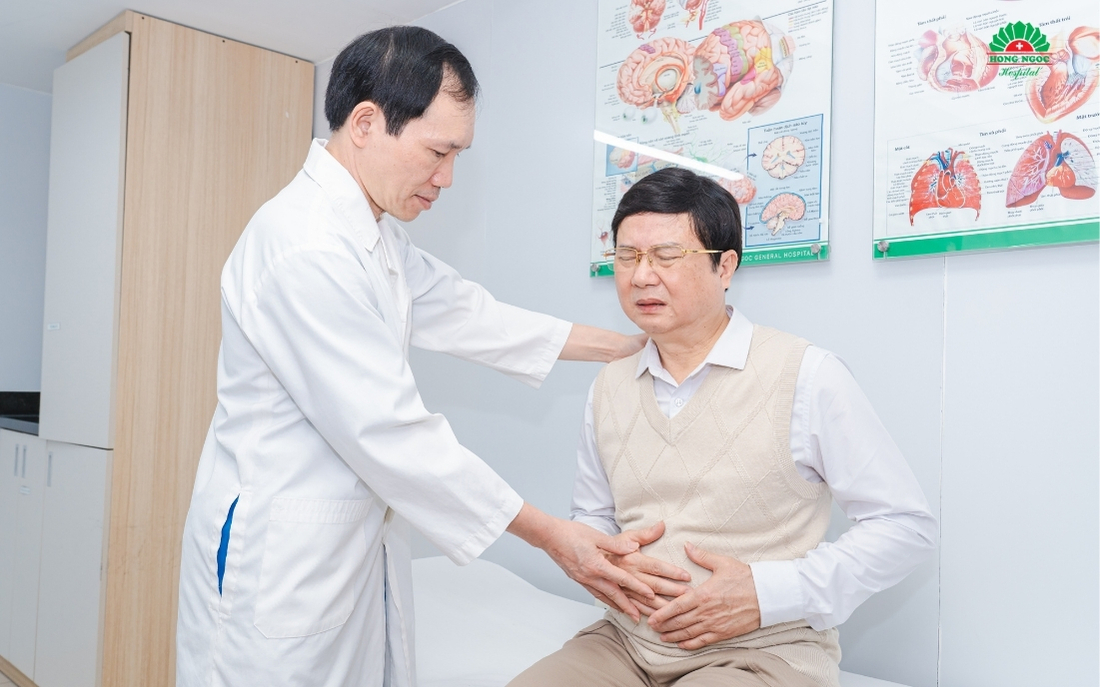
- Seek medical attention promptly if abnormal symptoms occur, such as persistent dull abdominal pain, intermittent abdominal pain, unexplained weight loss, black stools, or blood in the stool.
Note: The information provided in this article by Hong Ngoc General Hospital is for reference only and does not replace medical diagnosis or treatment. Patients should not self-medicate. For an accurate diagnosis and appropriate treatment plan, please visit a medical facility to be examined directly by a physician, who will provide professional consultation and prescribe the most effective medications.
Center for Gastroenterology and Colorectal–Perineal Disorders Hong Ngoc General Hospital
Hotline for consultation and appointment booking: 0911 908 856 or 0949 646 556 |