

Pulmonary fungal infection is caused by various types of fungi affecting the lungs. It may cause persistent coughing, fever, shortness of breath or coughing up blood, with symptoms resembling those of other respiratory diseases. Some forms can become severe, particularly in immunocompromised individuals. Medical evaluation is therefore necessary to identify the underlying cause and determine appropriate treatment.
What is a pulmonary fungal infection?
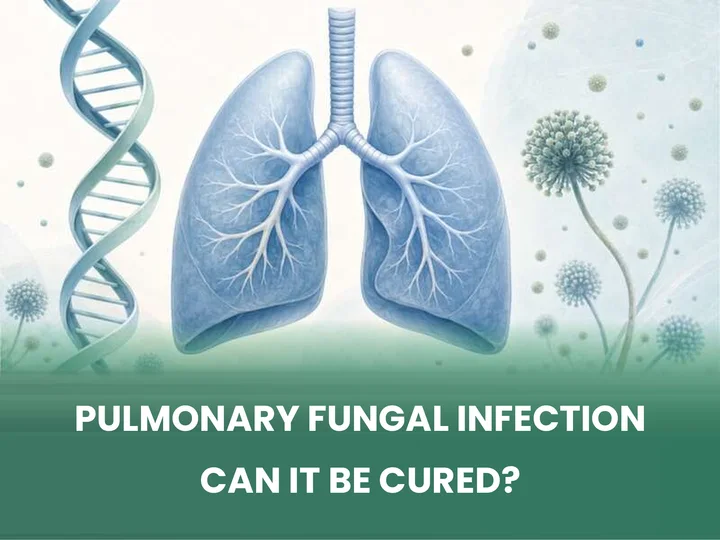
A pulmonary fungal infection, also known as a fungal infection of the lungs, occurs when fungal spores enter the lungs, multiply and cause inflammation and tissue damage. Unlike common bacterial or viral respiratory infections, pulmonary fungal infections may develop gradually and persist over time.
The condition can affect anyone, but the risk is highest among people with weakened immune systems, including those with HIV/AIDS, patients receiving chemotherapy and people taking corticosteroids long term. It is also more common in those with pre-existing structural lung damage caused by conditions such as previous pulmonary tuberculosis, bronchiectasis or chronic obstructive pulmonary disease (COPD). Other lung abnormalities, including pulmonary bullae, may also provide a favorable environment for fungal growth.
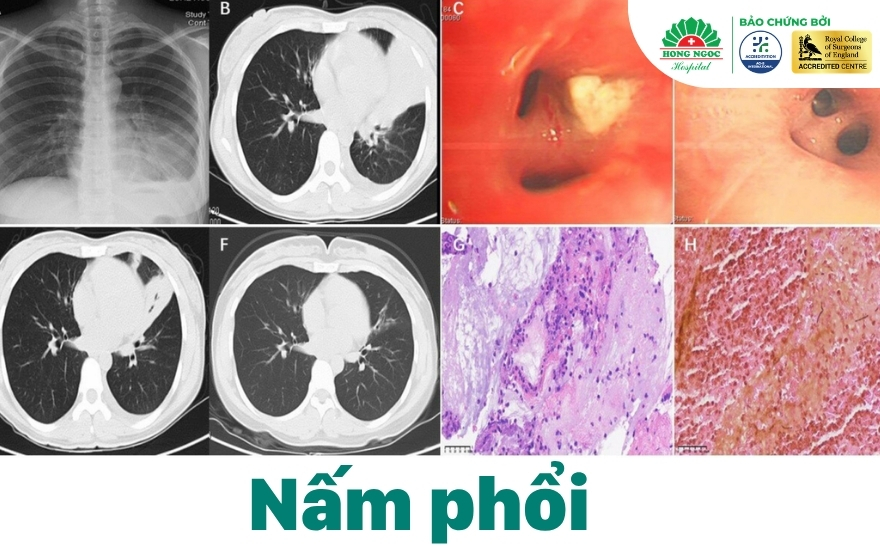
Causes and types of pulmonary fungal infections
Pulmonary fungal infections are commonly caused by inhaling fungal spores naturally present in the environment, including soil, dust, bird droppings, moldy food and poorly maintained air conditioning systems.
Common types of pulmonary fungal infections include:
- Pulmonary aspergillosis: Caused by Aspergillus, one of the most common fungi associated with pulmonary fungal disease.
- Pulmonary candidiasis: Usually occurs in people with severe immunosuppression or in healthcare associated infections.
- Pulmonary cryptococcosis and histoplasmosis: Less common and may be associated with environmental exposure, particularly to soil contaminated with bird or bat droppings.
Common symptoms of pulmonary fungal infections
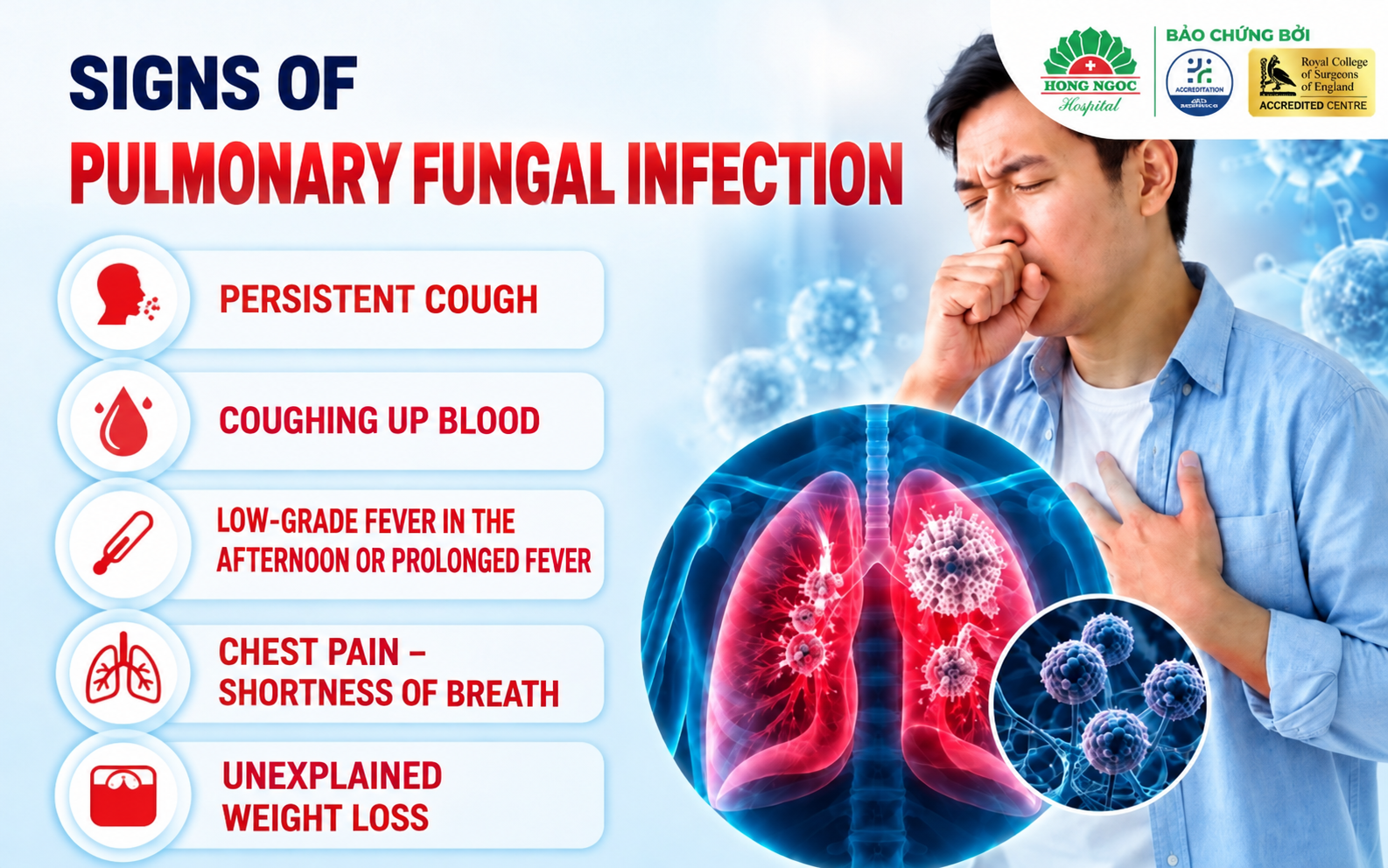
During the early stages, symptoms may be nonspecific and easily confused with those of other respiratory diseases. Common clinical features may include:
- Systemic symptoms: Persistent fever of unknown cause, including a mild fever in the afternoon or at night accompanied by sweating, or a sustained high fever that does not respond to conventional antibiotics; fatigue; and loss of appetite.
- Respiratory symptoms:
- Persistent cough: A dry or productive cough lasting several weeks without improvement despite antibiotic treatment.
- Coughing up blood: A potentially serious warning sign. Sputum may contain streaks of fresh blood, or the patient may cough up blood clots or a large volume of fresh blood.
- Shortness of breath and chest discomfort: A sensation of chest heaviness or breathlessness that gradually worsens with physical activity.
- Fatigue and weight loss: General weakness, loss of appetite and unexplained weight loss.
Because its symptoms closely resemble those of pulmonary tuberculosis, an accurate diagnosis requires specialized investigations, including direct microscopy, sputum culture, antigen testing, chest X-ray, and chest CT.
Is pulmonary fungal infection dangerous? Common complications
Pulmonary fungal infection can be dangerous if it is not accurately diagnosed at an early stage. Its severity depends on the type of fungus, the clinical form of the infection, the extent of lung damage, and the patient’s immune status. Some forms progress slowly, while invasive fungal infections in immunocompromised patients can develop rapidly and become life-threatening.
Serious complications of pulmonary fungal infection may include:
- Massive hemoptysis: A fungal mass may erode major blood vessels in the lungs, causing severe bleeding that can rapidly lead to acute respiratory failure, airway obstruction, or death.
- Acute or chronic respiratory failure: Extensive fungal damage to the lung parenchyma can cause fibrosis and severely impair gas exchange.
- Disseminated fungal infection: The fungus may enter the bloodstream and spread to other organs, such as the brain, kidneys, and heart. This can cause fungal sepsis or septic shock, with mortality rates exceeding 50–80% in high-risk patients.
Pulmonary aspergillosis: A common form requiring particular attention
Among fungal pathogens, pulmonary aspergillosis-commonly caused by Aspergillus fumigatus or Aspergillus flavus—is one of the most common and clinically complex forms. Aspergillus spores are widespread in the environment and commonly found in the air.
The main forms of pulmonary aspergillosis include:
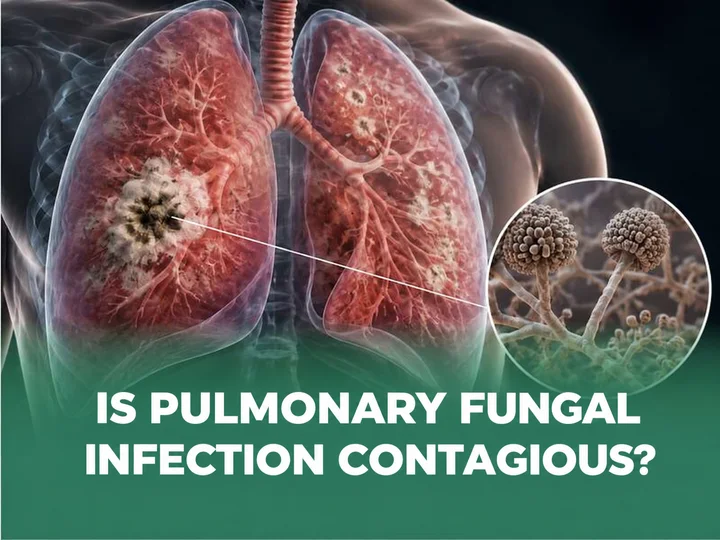
- Aspergilloma (fungus ball): A fungal mass that develops gradually within a pre-existing lung cavity, often one left by previous pulmonary tuberculosis.
- Invasive pulmonary aspergillosis: A severe acute infection that progresses rapidly, particularly in immunocompromised patients. The fungus directly invades lung tissue and may spread to blood vessels and other organs. Without prompt treatment, the condition carries a high risk of death.
- Allergic bronchopulmonary aspergillosis (ABPA): An allergic airway reaction to Aspergillus spores, most commonly occurring in patients with asthma or cystic fibrosis.
How is pulmonary fungal infection diagnosed?
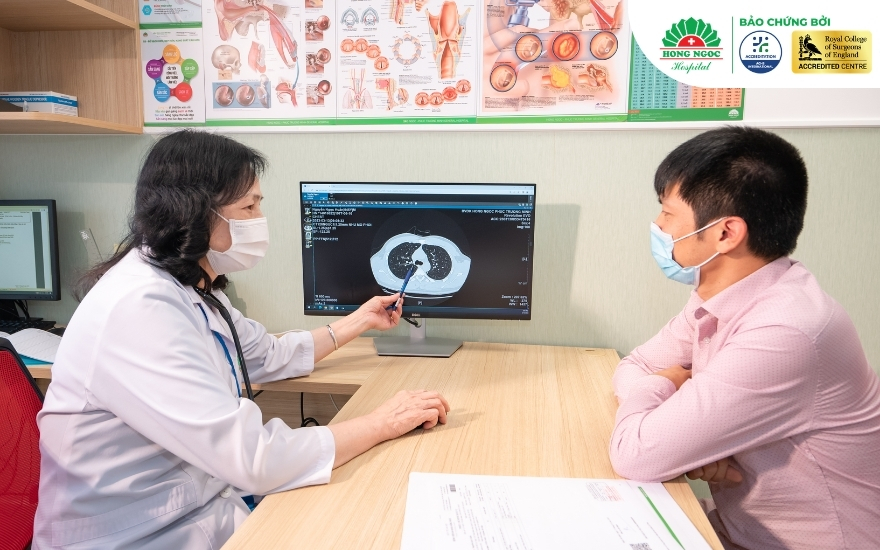
After carefully reviewing the patient’s clinical symptoms, risk factors, and medical history, the doctor will select appropriate diagnostic methods based on the patient’s condition and the level of clinical suspicion.
Diagnostic imaging
This is an important step in detecting abnormal lung lesions:
- Chest X-ray: This is usually the initial imaging test used to identify opacities, lung cavities, or other abnormal areas in the lungs.
- Chest computed tomography (CT): Chest CT plays a key role in diagnostic imaging. It provides detailed images of an aspergilloma within a pre-existing lung cavity and may reveal characteristic findings such as the air crescent sign—a crescent-shaped collection of air surrounding the fungal mass or nodular infiltrates.
Microbiological and serological testing
To determine whether a fungal infection is present and identify the causative fungus, samples such as sputum or bronchoalveolar lavage fluid may be collected:
- Direct microscopy and fungal culture: Sputum or respiratory fluid samples are examined under a microscope for fungal elements and then cultured in a laboratory to determine whether fungi grow.
- Blood antibody and antigen tests: These tests can support the early detection of invasive pulmonary fungal infection or help diagnose chronic fungal infection, even when fungal cultures are negative.
Bronchoscopy and biopsy in selected cases
- Bronchoscopy: A flexible bronchoscope is passed through the nose or mouth into the airways to examine abnormal areas. Bronchoalveolar lavage (BAL) may also be performed to collect fluid for microbiological testing.
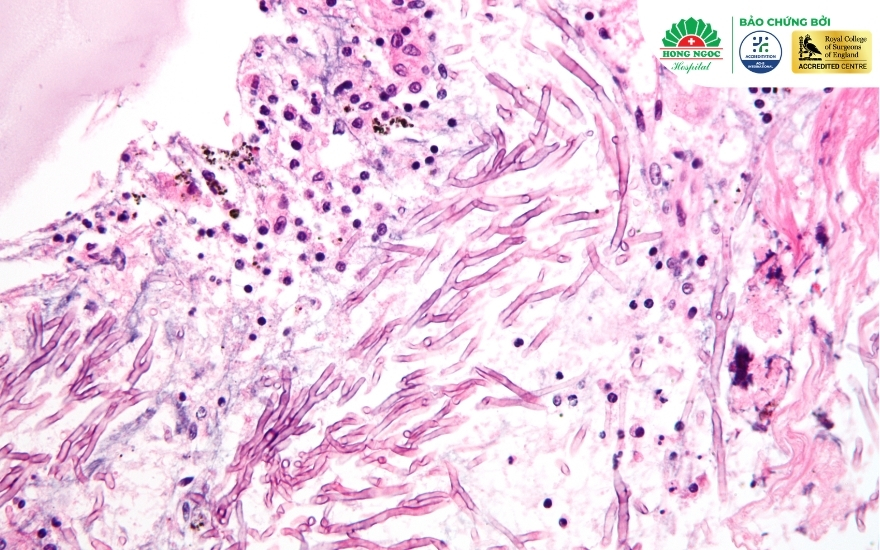
- Lung biopsy: This may be recommended when a lesion is located near the chest wall or when an aspergilloma needs to be distinguished from a lung tumour or lung cancer. A small tissue sample is collected from the affected area and examined under a microscope for histopathological assessment.
Note: Detecting fungi in a clinical specimen does not always mean that the fungus is causing active disease in the lungs. Test results must be interpreted together with the patient’s clinical presentation and imaging findings.
Current treatment options for pulmonary fungal infection
Treatment for pulmonary aspergillosis and other pulmonary fungal infections depends on the clinical form, the extent of lung damage, and the patient’s immune status. Can pulmonary fungal infection be cured? The likelihood of successful treatment depends on the underlying cause, disease type, and stage of progression. Depending on the individual case, the doctor may recommend medical or surgical treatment.
Medical treatment:
- Specific antifungal medications are prescribed according to the doctor’s assessment.
- Antifungal treatment for pulmonary aspergillosis may need to be continued for an extended period, with close monitoring of liver and kidney function.
Note: Treatment duration may vary considerably between different forms of pulmonary fungal infection. The doctor will assess clinical, imaging, and laboratory responses to determine when treatment should be adjusted or discontinued.
Surgical treatment:
- Surgical removal of an aspergilloma or a severely damaged lung lobe may be recommended when medical treatment is ineffective or when the patient is at risk of life-threatening hemoptysis. Surgery can remove the localized lesion and help reduce the risk of recurrence.
Note: Treatment approaches and regimens vary according to the patient’s condition. Patients should not purchase or use antifungal medication without a prescription and guidance from a qualified doctor.
How to prevent pulmonary fungal infection
The following preventive measures can help reduce the risk of pulmonary fungal infection:
- Wear a properly fitted N95 respirator when working in dusty environments, renovating buildings, or cleaning areas contaminated with bird or poultry droppings.
- Keep living spaces dry and well ventilated, and clean air-conditioning systems and misting fans regularly.
- Avoid eating mouldy nuts, grains, or other foods.
- Support immune health through a balanced diet and proper management of underlying conditions such as diabetes and chronic lung disease.
Diagnosis and treatment of pulmonary fungal infection at the Department of Thoracic Surgery, Hong Ngoc General Hospital
The diagnosis and treatment of pulmonary fungal infection require close coordination between advanced diagnostic imaging and specialist expertise. The Department of Thoracic Surgery at Hong Ngoc General Hospital provides screening, diagnosis, and treatment for complex lung conditions, particularly pulmonary fungal infections.
- Experienced medical team: The department brings together leading specialists with extensive experience in managing complex cases of pulmonary aspergilloma.
- Standardised clinical processes:
- Operating rooms are designed and maintained in accordance with the United Kingdom’s Health Building Notes (HBN) standards for infection control.
- The hospital achieved a 5/5 surgical safety rating under Decision No. 7482/QĐ-BYT issued by the Vietnamese Ministry of Health.
- The hospital is accredited by ACHS International for healthcare standards and recognised as a surgical training centre by the Royal College of Surgeons of England (RCS England).
- Surgical intervention with multiple layers of safety:
- Minimally invasive thoracoscopic surgery is used to help reduce postoperative pain and blood loss and support faster recovery.
- Multidisciplinary collaboration enables the medical team to develop an appropriate treatment plan for each patient.

Frequently asked questions about pulmonary fungal infection
Below are expert answers to some of the most common questions about pulmonary fungal infection, helping patients recognise the condition early and seek timely treatment.
Can pulmonary fungal infection be cured?
Pulmonary fungal infection can be cured if it is detected early and treated appropriately. For a localised aspergilloma, surgical removal of the lesion, combined with antifungal medication when indicated, may offer a complete cure. However, patients with severe immunosuppression or advanced disease may require more intensive and prolonged treatment with close monitoring.
Can pulmonary fungal infection spread from person to person?
Most pulmonary fungal infections do not spread directly from person to person. Infection usually occurs when fungal spores are inhaled from the environment.
Read more: Is pulmonary fungal infection contagious? Expert answers
How long does treatment for pulmonary aspergillosis take?
The duration of treatment for pulmonary aspergillosis varies:
- Medical treatment: Antifungal therapy usually lasts three to six months and may continue for more than 12 months, depending on the form of the disease and the patient’s response to treatment.
- Surgical treatment for an aspergilloma: After surgery, the patient may receive postoperative care and a short course of antifungal medication usually lasting from several weeks to several months as prescribed by the doctor to reduce the risk of recurrence.
Can pulmonary fungal infection recur after treatment?
Pulmonary fungal infection can recur, particularly when:
- Pre-existing lung cavities or lesions have not been completely removed by surgery.
- The patient continues to live or work in damp, mouldy environments with high concentrations of fungal spores.
- The patient remains immunocompromised due to conditions such as poorly controlled diabetes or prolonged use of immunosuppressive medication.
Is pulmonary fungal infection dangerous or potentially fatal?
Pulmonary fungal infection can be life-threatening. The leading causes of death include massive hemoptysis, in which severe bleeding obstructs the airways, and septic shock caused by disseminated fungal infection, particularly in immunocompromised patients.
Conclusion:
Pulmonary fungal infection is a complex respiratory infection that may progress silently while carrying a risk of serious complications. Recognising symptoms early, attending regular medical check-ups, and following the treatment plan prescribed by a specialist are essential to reducing health risks and protecting respiratory health.
—------------------------------------------------------------------
Department of Thoracic Surgery - Hong Ngoc General Hospital
- Accredited by ACHS International for healthcare standards
- Recognised as an accredited surgical training centre by the Royal College of Surgeons of England (RCS England)
Addresses:
- Hong Ngoc - Phuc Truong Minh General Hospital: No. 8 Chau Van Liem Street, Tu Liem Ward, Hanoi
- Hong Ngoc General Hospital: No. 55 Yen Ninh Street, Ba Dinh Ward, Hanoi
Hotline: 0949 646 556
Note: The information provided in this article is for reference purposes only and is not a substitute for professional diagnosis or treatment. For an accurate assessment, patients should visit a healthcare facility for examination, diagnosis, and an appropriate treatment plan prescribed by a qualified specialist.