

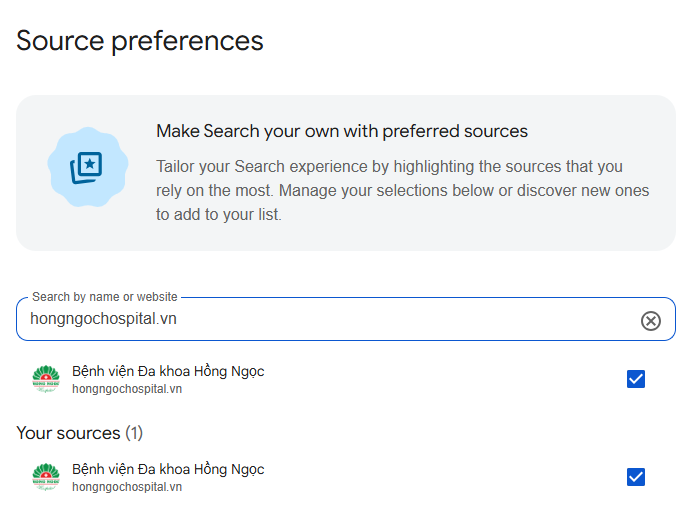
Whether pulmonary fungal infection can be cured is the foremost question for many patients facing this dangerous respiratory infection. The good news is that it can be cured if detected early and treated according to the correct protocol.
This article answers that question in detail and provides a comprehensive overview of current, medically standard approaches to treating pulmonary fungal infection.
Can pulmonary fungal infection be cured?
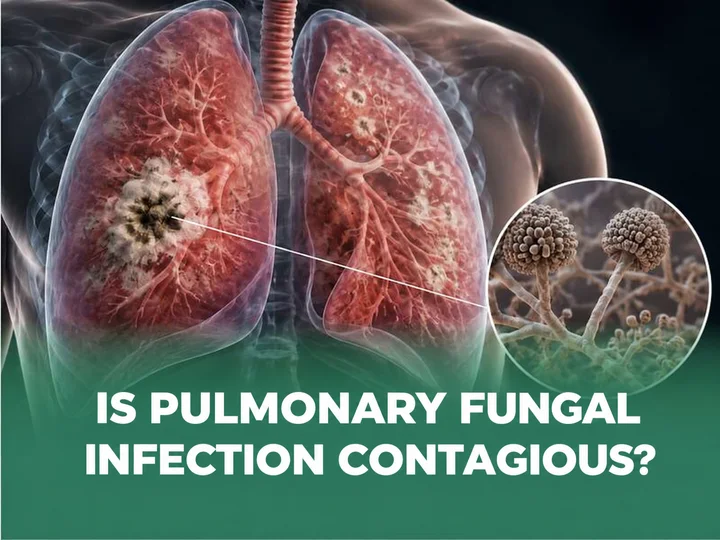
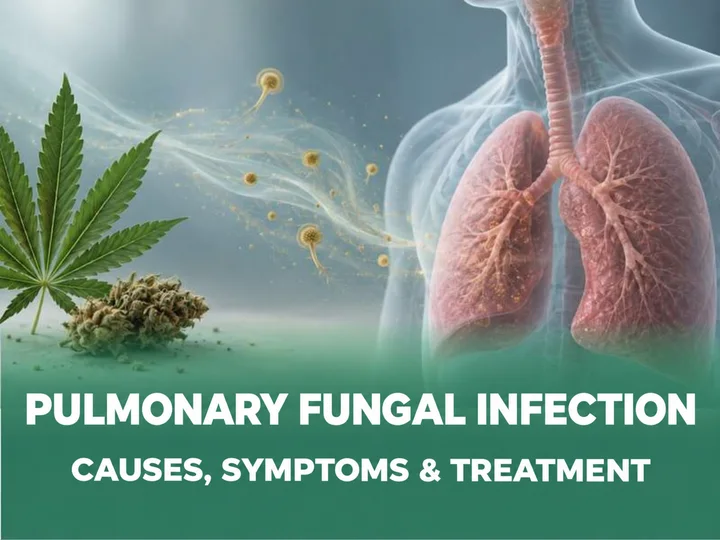
Pulmonary fungal infection is an infection of the lung tissue caused by fungal spores that invade and multiply there. It most often occurs in people with pre-existing lung damage (such as post-tuberculosis sequelae, pulmonary air cysts or bronchiectasis) or a weakened immune system.
To answer the question of whether pulmonary fungal infection can be cured, respiratory specialists confirm that it can, provided it is detected at an early stage and treated with the appropriate regimen (medical or surgical) for the stage of the disease.
A patient’s response to treatment depends largely on the timing of diagnosis and the type of fungus involved:
- In people with a normal immune system: If the infection is detected early, when the spores have only just invaded or have caused only localised lesions, the cure rate is very high.
- In people with a weakened immune system or underlying conditions: Treatment is more difficult and takes longer.
Factors that determine whether pulmonary fungal infection can be cured
Pulmonary fungal infection develops when fungal spores from the environment (soil, dust, rotting plants, bird droppings) enter the body through the respiratory tract. The risk is higher in people with pre-existing lung damage (old tuberculosis cavities, bronchiectasis), in those with weakened immunity (corticosteroid use, diabetes, cancer, HIV), and in those who regularly work in damp, mouldy environments.
Given this mechanism, treatment outcomes depend on a combination of factors:
- Timing of diagnosis: The earlier the infection is detected, before the lesions have spread widely, the higher the likelihood of complete cure.
- General health and underlying conditions: Patients with strong resistance and well-controlled coexisting conditions (diabetes, chronic lung disease) recover faster.
- Adherence to the treatment regimen: Antifungal drugs must be taken at the correct dose and for the full duration. Patients must never stop the medication on their own because symptoms have eased.
Common treatments for pulmonary fungal infection today
Once an accurate diagnosis has been made (through low-dose chest CT, sputum examination, serological tests or biopsy), an individualised treatment regimen is drawn up:
Medical treatment (antifungal drugs)
Specific antifungal medicines are given orally or by intravenous infusion. This approach is used for acute or invasive pulmonary fungal infection, and as an adjunct before or after surgery. The duration of treatment is usually long and varies with the patient’s condition.
Surgery
For chronic fungal balls (aspergilloma) in the lung, localised lesions, or patients at risk of, or already experiencing, life-threatening haemoptysis, the doctor may recommend surgical removal of the damaged section of lung or the fungal ball.
Interventional embolisation (bronchial artery embolisation)
This is a temporary emergency measure for patients with severe haemoptysis who cannot yet undergo surgery because they are too frail. It stops the bleeding temporarily before definitive treatment is carried out.
Important points during and after treatment
Treatment of pulmonary fungal infection, whether by a prolonged course of drug therapy or by surgery, requires comprehensive care and monitoring. To restore respiratory function well and avoid complications, patients should note the following:
- Attend follow-up appointments as scheduled by your doctor: Patients need repeat chest X-rays or CT scans and blood tests, among other checks, so that their response to medication can be assessed.
- Improve nutrition: Get enough protein, vitamins and minerals to restore general health and strengthen the body’s natural immune defences.
- Take an active role in post-operative recovery: Patients who have had chest surgery should begin breathing exercises early and move gently, as instructed by their doctor.
- Do not stop medication on your own: Antifungal drugs must be taken continuously for several months. Stopping because symptoms have eased allows the fungus to flare up again and can lead to drug resistance.
- Look after the surgical wound (for surgical patients): Keep the wound clean and dry, and change dressings as directed by medical staff to avoid superficial infection.
Preventing recurrence of pulmonary fungal infection after treatment
Even after a cure, fungi can re-enter the body if the living environment is not suitable. You can therefore take the following preventive measures:
- Keep your living space clean: Keep the home dry and well ventilated, and use a dehumidifier during the damp season to prevent mould growth.
- Avoid sources of fungal spores: Limit direct contact with poultry or pigeon droppings, mouldy potting soil and old construction sites.
- Use protective equipment: Wear a certified mask (such as an N95) when cleaning, gardening or working in dusty environments.
- Strengthen your immune defences: Maintain a healthy lifestyle, exercise regularly and keep chronic conditions well controlled.
Where should pulmonary fungal infection be treated?
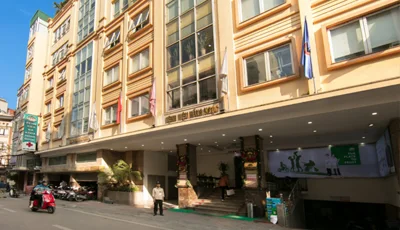
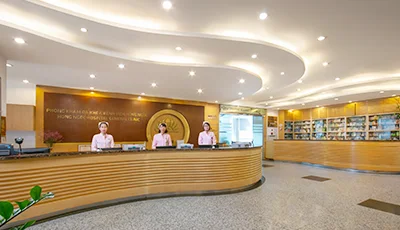
If you are looking for a reputable place to be treated for pulmonary fungal infection or to undergo safe surgery, the Department of Thoracic Surgery at Hong Ngoc General Hospital is worth considering. The department brings together experienced doctors and specialists who have held key positions at central-level hospitals (such as the 108 Central Military Hospital and the National Lung Hospital).
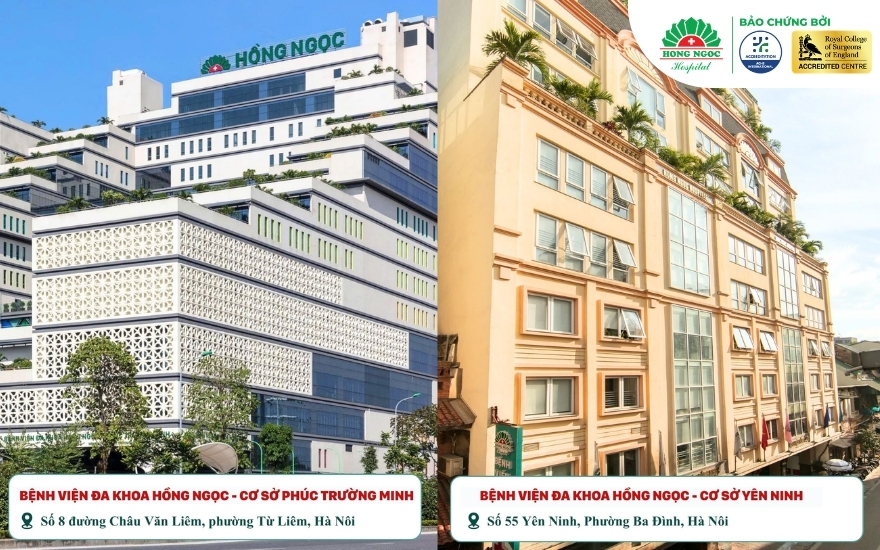
In particular, Hong Ngoc Phuc Truong Minh General Hospital, is a private hospital in Vietnam certified as a surgical training centre under the standards of the Royal College of Surgeons (RCS) and accredited by ACHS International for healthcare standards. Combining a highly qualified medical team with international operating standards, Hong Ngoc is a trustworthy destination for patients with chronic pulmonary fungal infection who need surgery.
CONCLUSION
In short, to the question of whether pulmonary fungal infection can be cured, the answer is yes, provided the patient is diagnosed early and treated according to a medically standard regimen. Whether it requires a prolonged course of drug therapy or surgery, perseverance and adherence to the doctor’s instructions are the “key” to overcoming the disease.
—-----------------------------------------------------------------
THORACIC SURGERY DEPARTMENT, HONG NGOC GENERAL HOSPITAL
- Accredited by ACHS International for healthcare standards
- Certified as a surgical training centre under the standards of the Royal College of Surgeons (RCS)
Addresses:
- Hong Ngoc Phuc Truong Minh General Hospital: No. 8 Chau Van Liem Street, Tu Liem Ward, Hanoi
- Hong Ngoc General Hospital: No. 55 Yen Ninh Street, Ba Dinh Ward, Hanoi
Hotline: 0949 646 556
Note: The information in this article is for reference only and is not a substitute for diagnosis, advice or treatment. If you suspect you may have the condition or need advice on respiratory health, you should visit a medical facility in person or see a specialist doctor for examination and appropriate treatment guidance.