

Is pulmonary fungal infection contagious? Most pulmonary fungal infections are not directly transmitted from person to person. However, the disease can cause serious complications in immunocompromised individuals or those with underlying lung conditions. Below are expert answers to help you better understand the nature of the disease, its risk of transmission, and effective treatment options.
Is pulmonary fungal infection contagious?
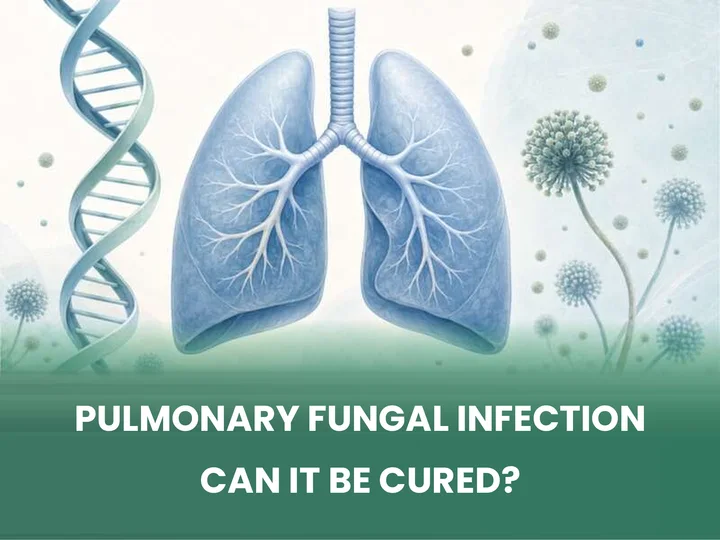
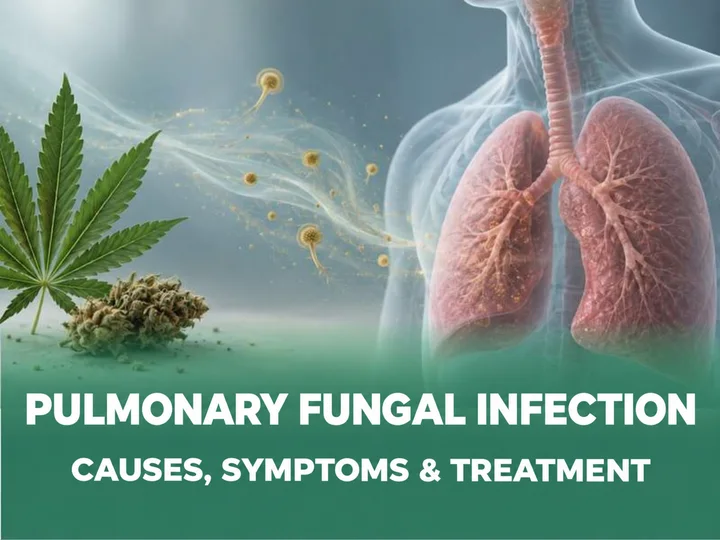
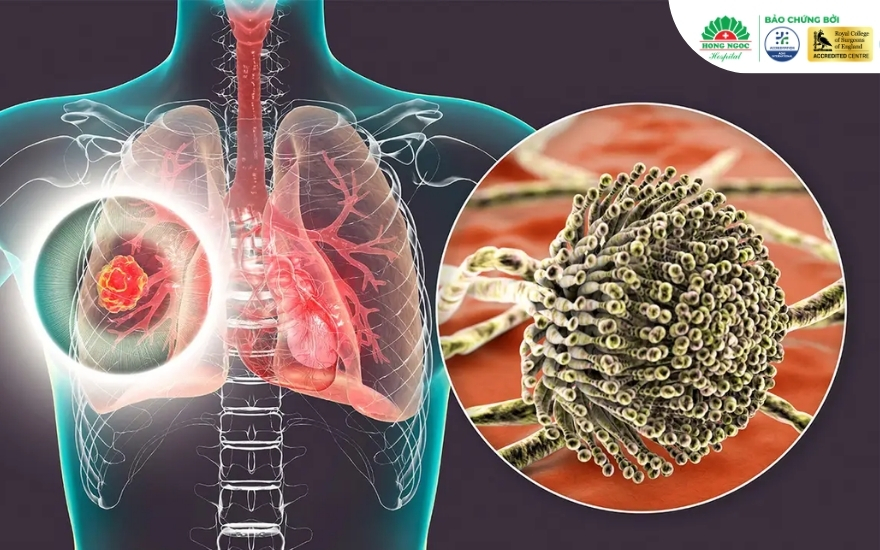
Before looking for the answer to the question “Is pulmonary fungal infection contagious?”, we need to understand what pulmonary fungal infection is. Pulmonary fungal infection (pulmonary mycosis) is a condition in which fungal spores invade lung tissue, spread within it, or develop into fungal masses (fungus balls). Unlike respiratory infections caused by common bacteria or viruses, pulmonary fungal infections are caused by various types of fungi.
As for the question “Is pulmonary fungal infection contagious?”, experts affirm that most pulmonary fungal infections are not transmitted from person to person. The disease mechanism of pulmonary fungal infection is entirely different from that of contagious respiratory diseases such as pulmonary tuberculosis, influenza, or COVID-19:
- Fungal spores enter the body through the respiratory tract from the natural environment (soil, air, mold-contaminated dust).
- When a patient coughs, sneezes, or talks, the fungal cells or hyphae in their sputum cannot spread as infectious droplets capable of causing disease in healthy people nearby.
- The disease develops only when a person with a weakened immune system inhales a large quantity of fungal spores from the environment, or when the lungs already have pre-existing damage (such as tuberculous cavities, bronchiectasis, or air cysts).
Why is pulmonary fungal infection not transmitted from person to person?
Pulmonary fungal infection is not a communicable disease and cannot be transmitted from person to person (or from animals to humans). This non-contagious nature is explained by the following three medical principles:
- Pathogen source in the natural environment: Fungal spores (most commonly Aspergillus) are widespread in nature, found in air, soil, dust, decaying vegetation, and bird droppings. The disease begins when a patient directly inhales fungal spores from the surrounding environment, not by acquiring the pathogen from another individual.
- No spread through respiratory droplets: Once established and causing damage in the lung parenchyma or airways, the fungi do not spread into the surrounding air. Everyday respiratory activities of the patient, such as coughing, sneezing, or talking, do not release infectious pathogens the way viruses (influenza, COVID-19) or bacteria (tuberculosis) do.
- Disease mechanism depends on the host’s condition (immune resistance): The pathogenesis depends entirely on each individual’s immune system and lung structure.
- In healthy people, the natural defense system of the respiratory tract recognizes and clears fungal spores as soon as they are inhaled.
- Fungi have an opportunity to multiply and cause disease only in people with weakened immunity (those undergoing chemotherapy, taking immunosuppressive drugs, or on long-term corticosteroids) or those with pre-existing lung damage (old tuberculous cavities, bronchiectasis, COPD).
Is pulmonary fungal infection dangerous?
Although it is not transmitted between people, pulmonary fungal infection is still considered a dangerous condition if not diagnosed and treated promptly. When fungal spores invade and grow into fungus balls (aspergillomas) within existing lung cavities, they can rub against and damage the surrounding blood vessels.
The most serious consequence is hemoptysis, ranging from blood-streaked sputum to massive coughing up of blood that directly threatens the patient’s life. Late diagnosis not only makes treatment more difficult but also easily leads to chronic respiratory failure.
Who is at risk of pulmonary fungal infection?
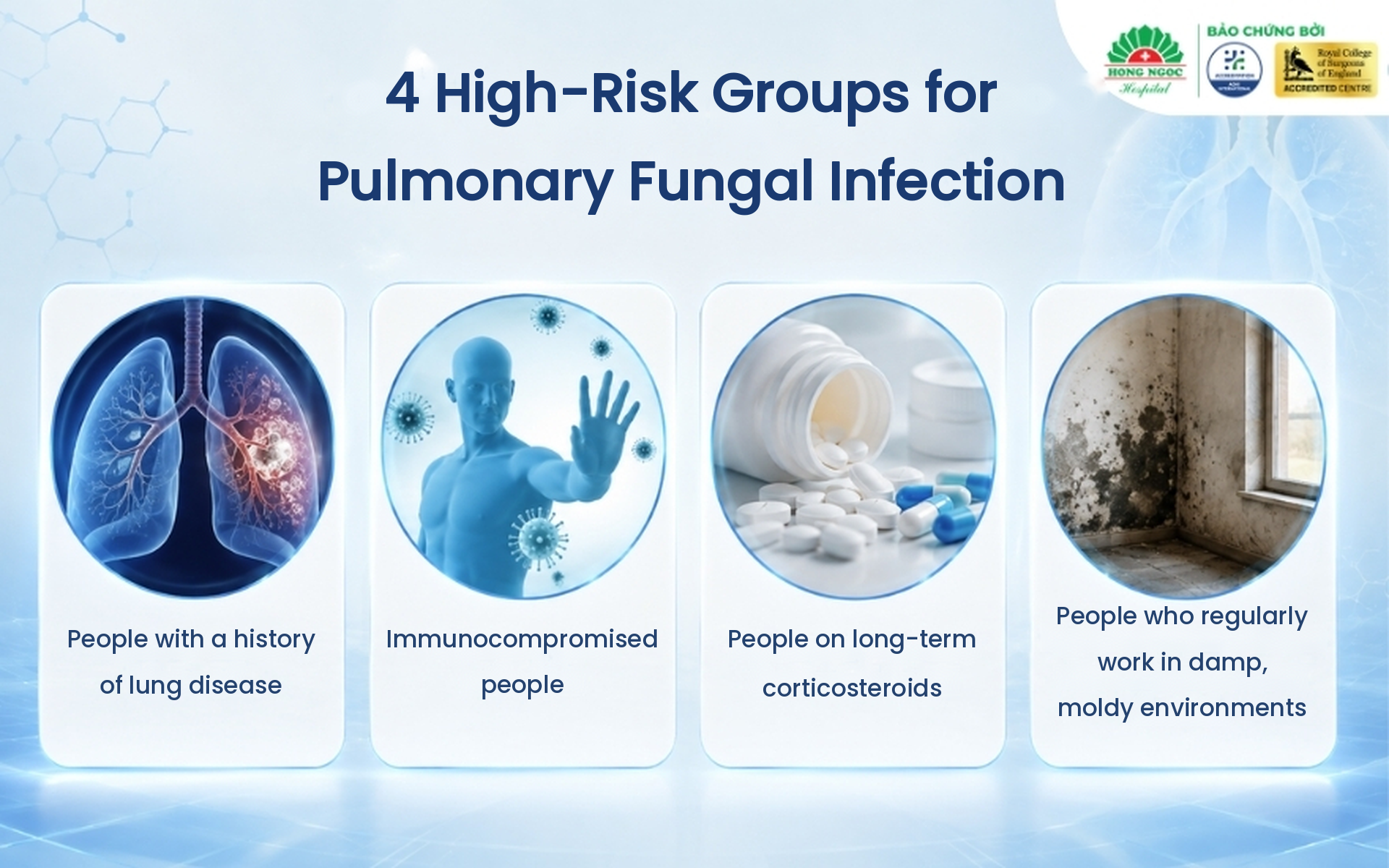
Groups at high risk of pulmonary fungal infection include:
- People with a history of lung disease: Old pulmonary tuberculosis (with cavities), chronic obstructive pulmonary disease (COPD), bronchiectasis, asthma, pulmonary air cysts (bullae).
- Immunocompromised people: Patients with HIV/AIDS, cancer patients undergoing chemotherapy or radiotherapy, organ transplant recipients, and people on long-term corticosteroids.
- People on prolonged corticosteroid therapy or high-dose broad-spectrum antibiotics.
- People who regularly work in damp, moldy, or dusty environments, or who are exposed to moldy agricultural products and poultry droppings.
Do people with pulmonary fungal infection need to be isolated?
In most cases, people with pulmonary fungal infection do not need to be isolated, because the disease does not spread directly from person to person. Patients can carry on with daily life and interact normally with those around them. However, they should still follow their doctor’s instructions, especially if they also have another infection that can be transmitted.
Can pulmonary fungal infection come back after successful treatment?
Pulmonary fungal infection can recur, depending on the type of fungus, the form of the disease, any underlying lung damage and the patient’s immune status. Not every case recurs in the same way.
Recurrence is usually not caused by incomplete clearance of the fungus. It more often stems from two groups of factors:
- Underlying damage that has not been fully resolved: Old cavities in the lungs (from tuberculosis sequelae, bronchiectasis, abscesses and the like) remain a favourable environment for new fungal spores to settle and grow again.
- A still-weakened immune system: People on long-term corticosteroids, or with diabetes, cancer and similar conditions, are more likely to inhale new spores and become reinfected if they continue to be exposed to damp, mouldy or polluted environments.
Effective ways to prevent pulmonary fungal infection
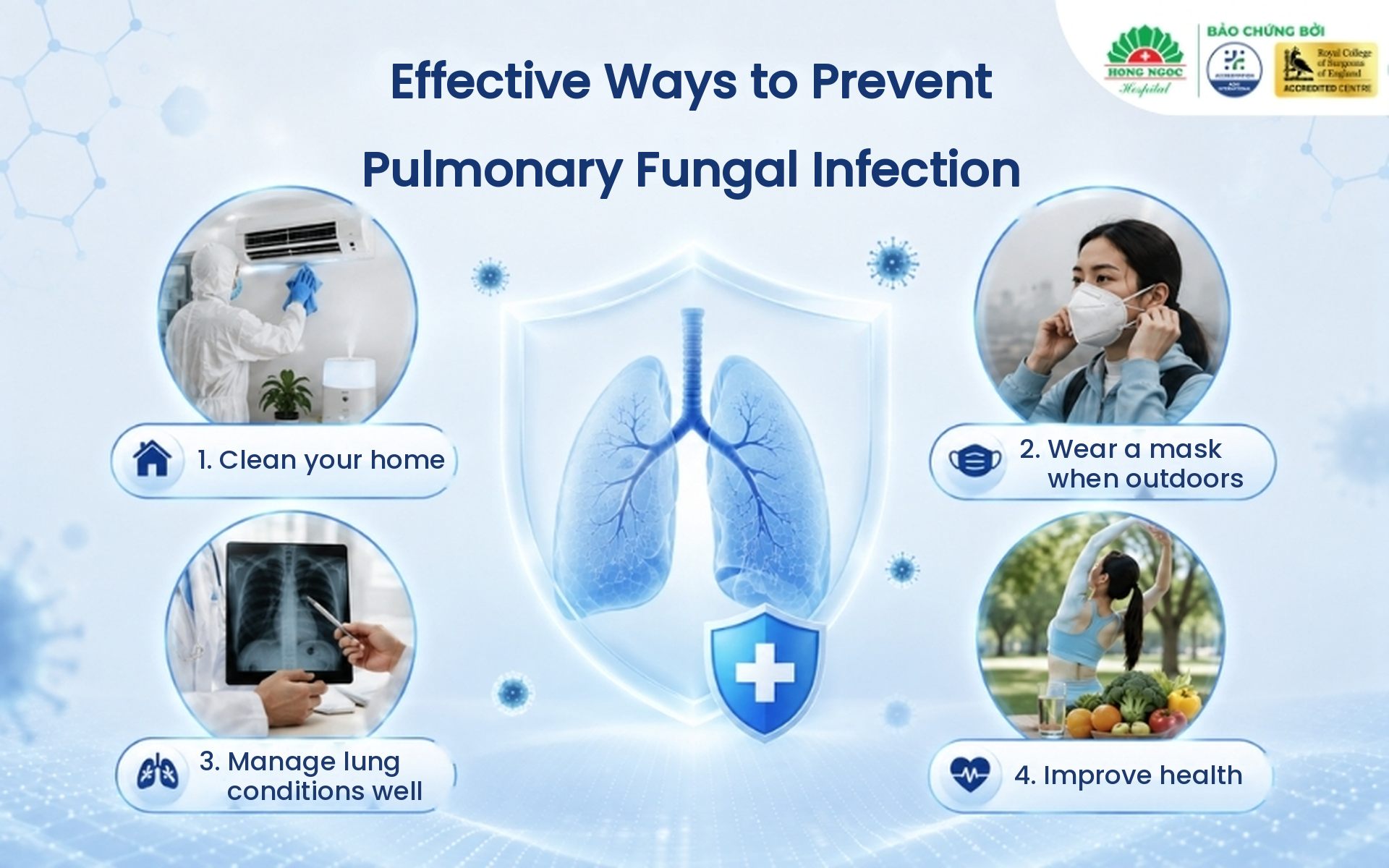
Keeping the external environment clean, managing underlying conditions well and strengthening the body’s defences are the main ways to prevent pulmonary fungal infection:
- Regularly clean damp corners, air conditioners and humidifiers.
- Wear an N95 or standard medical-grade mask when working in dusty environments, clearing storage areas, gardening or handling poultry droppings.
- Treat underlying respiratory conditions (pulmonary tuberculosis, COPD, bronchiectasis) thoroughly and keep them well controlled.
- Improve general health through a balanced diet and regular exercise.
Frequently asked questions: is pulmonary fungal infection contagious?
Can pulmonary fungal infection spread through coughing and sneezing?
Most pulmonary fungal infections do not spread from an infected person to a healthy one through coughing or sneezing. People usually develop the infection by inhaling fungal spores present in the environment, such as soil, dust or mouldy organic material, rather than catching the fungus from an infected person’s respiratory secretions.
Can it spread through shared personal items?
Most pulmonary fungal infections do not spread through shared dishes and chopsticks, clothing, bedding or other everyday household items. This is not a typical route of transmission for pulmonary fungal infections.
Can it be passed from mother to child?
Pulmonary fungal infection is not transmitted through the placenta, during childbirth or through breast milk.
Can it be spread through sexual contact or blood?
Pulmonary fungal infection does not spread through blood or sexual contact.
Can family members caring for a patient catch it?
Family members caring for a patient with pulmonary fungal infection are generally not at risk of infection through ordinary contact. However, carers should still follow the doctor’s instructions if the patient also has another infection that can be transmitted.
Where should I go for examination and treatment?
If you have symptoms such as a persistent cough, chest pain or breathlessness, or a history of chronic lung disease, it is vitally important to find a reputable medical facility for timely diagnosis and treatment. The Department of Thoracic Surgery at Hong Ngoc General Hospital is an excellent option not to be overlooked. With a team of leading specialists from central-level public hospitals, modern equipment, minimally invasive endoscopic surgical techniques and the ERAS (enhanced recovery after surgery) protocol, patients can feel reassured about their treatment.
Hong Ngoc’s strengths are also backed by a rigorous quality accreditation system: a perfect 5/5 score for surgical safety under Decision 7482/QD-BYT of the Ministry of Health, and ACHS International accreditation for healthcare standards from Australia. Notably, it is the private hospital in Vietnam that has achieved the highest level of recognition for surgical training from the Royal College of Surgeons (RCS), and its HBN (UK) sterile operating theatre system ensures maximum safety for every operation.
Conclusion
The question of whether pulmonary fungal infections are contagious has now been clarified. Although these infections are generally not transmitted from person to person, they can be serious and may lead to complications if not treated promptly. Taking preventive measures, recognizing symptoms early and seeking timely care at a reputable medical facility are therefore important steps in protecting the respiratory health of both patients and their families.
—---------------------------------------
DEPARTMENT OF THORACIC SURGERY - HONG NGOC GENERAL HOSPITAL
- Accredited by ACHS International for healthcare quality standards
- Recognized by the Royal College of Surgeons of England (RCS England) as an international standard surgical training center
Addresses:
- Hong Ngoc Phuc Truong Minh General Hospital: 8 Chau Van Liem Street, Tu Liem Ward, Hanoi
- Hong Ngoc General Hospital: 55 Yen Ninh Street, Ba Dinh Ward, Hanoi
Hotline: 0949 646 556
Note The information provided in this article is for reference and medical education purposes only. It does not replace professional diagnosis, consultation or treatment. Anyone experiencing possible symptoms or seeking advice about respiratory health should visit a healthcare facility or consult a specialist for appropriate assessment and treatment guidance.