



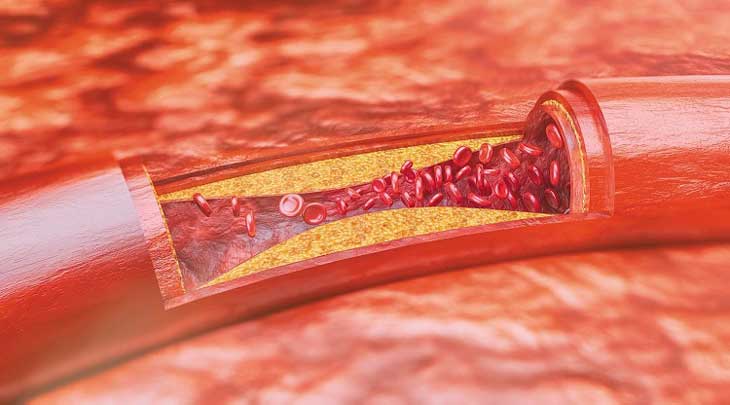
Atherosclerosis is a condition in which the arterial wall, particularly the inner lining of the artery, becomes thickened and hardened, leading to narrowing of the arterial lumen and subsequent ischemia of affected organs. In some cases, fragments of atherosclerotic plaque may detach from the vessel wall, resulting in localized vascular occlusion.
Causes of atherosclerosis
Atherosclerosis can develop in arteries throughout the body, but it is particularly dangerous when it affects the coronary arteries supplying the heart or the cerebral arteries supplying the brain.
The primary cause of atherosclerosis is elevated blood cholesterol levels, especially increased low density lipoprotein cholesterol (LDL C), commonly referred to as “bad” cholesterol. Normal total blood cholesterol levels are typically below 5.2 mmol/L.
Under normal conditions, LDL C levels are below 3.4 mmol/L (130 mg/dL). Excess LDL C promotes lipid deposition within the arterial lumen, contributing to plaque formation and progressive arterial narrowing.
Atherosclerosis may also be associated with reduced high density lipoprotein cholesterol (HDL C), known as “good” cholesterol. HDL C plays a protective role in maintaining vascular wall integrity. Therefore, decreased HDL C levels are considered an important risk factor for atherosclerosis. Normal HDL C levels are generally above 0.9 mmol/L, and values below this threshold are considered reduced.
Studies have shown that elevated blood cholesterol levels are strongly associated with dietary habits. Common contributing factors include excessive consumption of animal fat and cholesterol rich foods such as organ meats, red meat, shrimp, eggs, coconut oil, and animal fats derived from pork, beef, buffalo, lamb, or poultry. Butter and whole milk, which are rich in saturated fatty acids, may also contribute to hypercholesterolemia. In addition, excessive caloric intake leading to obesity is another important risk factor.
Epidemiological data also indicate that hypercholesterolemia may have a familial or hereditary component, or may occur secondary to certain medical conditions such as hypothyroidism, nephrotic syndrome, diabetes mellitus, and disorders associated with abnormal protein metabolism, including multiple myeloma.
Individuals with sedentary lifestyles or limited physical activity, particularly those who spend prolonged periods sitting at desks or performing occupations that require extended sitting, such as sewing or typing, are also at increased risk. When combined with a diet high in protein and fat, excess energy intake may accumulate as adipose tissue, resulting in increased levels of low density lipoprotein cholesterol and reduced levels of high density lipoprotein cholesterol.
Clinical manifestations of atherosclerosis
Atherosclerosis typically develops gradually over many years, and characteristic symptoms often do not appear until the disease has progressed significantly.
Over time, atherosclerosis causes the arterial walls to become hardened and the arterial lumen to narrow, thereby reducing blood supply to vital organs. Atherosclerosis of the coronary arteries may lead to myocardial ischemia, resulting in angina pectoris and potentially acute myocardial infarction with sudden death.
When cerebral arteries become affected, narrowing of the cerebral vasculature may impair cerebral circulation, leading to cerebrovascular insufficiency and, in more severe cases, ischemic stroke or cerebral infarction.
Atherosclerosis may occur in any artery within the body. When it affects the arteries of the lower extremities, particularly the calf arteries, patients may experience muscle pain resembling cramping or intermittent claudication.
Atherosclerosis is also considered one of the major contributing factors to hypertension.

How can older adults identify the risk of atherosclerosis?
Atherosclerosis in older adults is often a silent yet potentially life threatening condition. During the early stages, symptoms are usually minimal or absent. Therefore, regular health examinations and blood testing are essential to detect elevated cholesterol levels at an early stage.
Laboratory evaluation should include total cholesterol as well as both high density lipoprotein cholesterol (HDL C) and low density lipoprotein cholesterol (LDL C).
In addition, fasting blood glucose testing and regular blood pressure monitoring are also recommended. Older adults diagnosed with hypertension should monitor their blood pressure routinely and adhere strictly to prescribed antihypertensive therapy. Medications should not be changed or discontinued without medical advice from the treating physician.
For individuals diagnosed with diabetes mellitus, it is important to follow medical recommendations carefully and avoid excessive anxiety, as psychological stress may adversely affect overall health and worsen both diabetes and atherosclerosis.
Older adults with diabetes are also encouraged to use a home blood glucose monitoring device to facilitate regular glucose monitoring and reduce the need for frequent hospital visits.
How to prevent atherosclerosis
Diet plays a particularly important role in the prevention of atherosclerosis in older adults. Consumption of animal fats, such as pork fat, beef fat, and chicken fat, should be limited and replaced with vegetable oils, including peanut oil and sesame oil. Coconut oil should also be avoided because it contains high levels of saturated fatty acids that may promote atherosclerosis.
Older adults are encouraged to consume soy based foods such as tofu. Fish should be included in the diet two to three times per week, as fish oil contains omega 3 fatty acids, which are beneficial for vascular health and arterial wall protection.
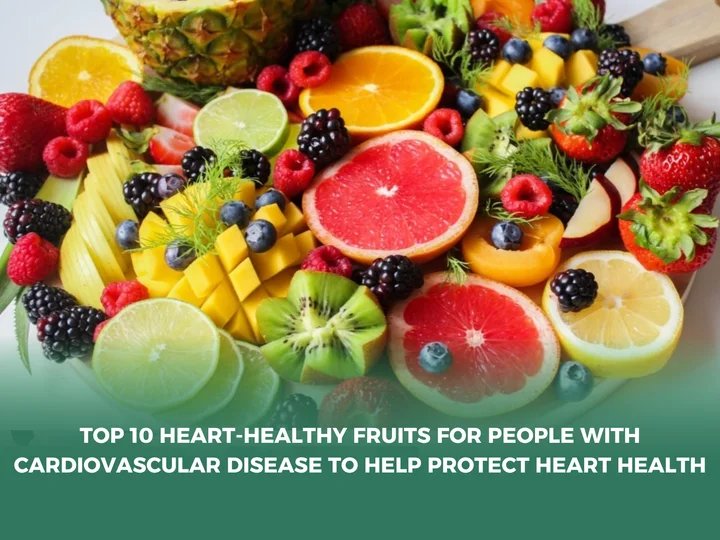
Consumption of organ meats, including pork, buffalo, and beef viscera, should be avoided, while intake of shrimp and eggs should be moderated. Daily meals should emphasize green vegetables and fruits. However, individuals with diabetes mellitus should limit high sugar fruits such as jackfruit, custard apple, mango, and sapodilla.
Regular physical activity is also essential. Older adults should engage in appropriate forms of exercise such as stretching exercises, walking, or sports activities suited to their physical condition. Studies have shown that consistent, structured, and individualized exercise can increase levels of high density lipoprotein cholesterol, reduce low density lipoprotein cholesterol, and help lower blood pressure in patients with chronic hypertension.
If lifestyle and dietary modifications fail to achieve adequate cholesterol control, pharmacologic treatment may be necessary under medical supervision. The choice of medication, dosage, and duration of therapy should be determined by a physician. Patients should not self prescribe or purchase medications without professional medical guidance.

To schedule a consultation and examination with our cardiovascular specialists with more than 20 years of clinical experience, please register here:
Note: The information provided in this article by Hong Ngoc General Hospital is intended for reference purposes only and should not replace professional medical diagnosis or treatment. Patients are advised not to self prescribe or self medicate under any circumstances. For an accurate diagnosis and appropriate treatment recommendations, patients should visit a healthcare facility for direct evaluation and consultation with a qualified physician.
Follow the official fanpage of Hong Ngoc General Hospital for more useful healthcare information.