
Polymyositis is a rare autoimmune disease that causes inflammation and muscle weakness throughout the body. If not detected and treated promptly, polymyositis can lead to serious complications, including impaired mobility, joint deformities, and respiratory dysfunction. The following article provides a clearer understanding of the causes, symptoms, and effective treatment options for polymyositis.
Definition of polymyositis
Polymyositis is a form of autoimmune disease characterized by inflammation affecting multiple muscle groups throughout the body, resulting in fatigue and difficulty with movement. The condition not only impairs mobility but also weakens proximal skeletal muscles, leading to progressive loss of muscle strength. If not properly diagnosed and treated, polymyositis may cause significant muscle dysfunction, limiting a patient’s ability to perform daily activities and potentially affecting occupational and physical functioning.
Causes of polymyositis
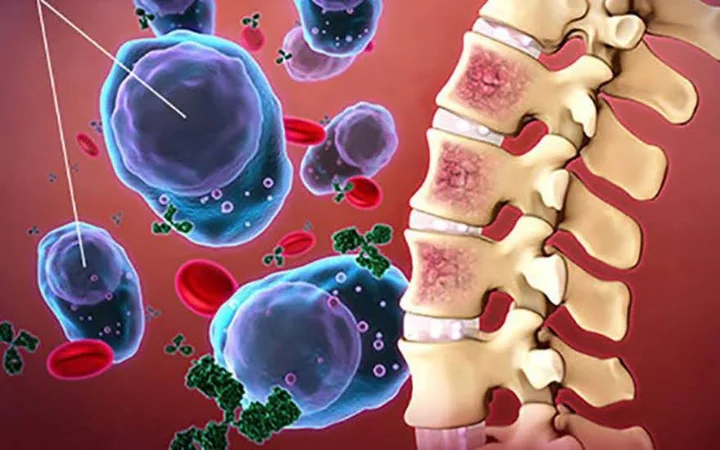
Polymyositis is a serious condition that occurs when the body’s immune system attacks muscle tissue, leading to inflammation and structural damage.
The primary cause of polymyositis is:
Autoimmune dysregulation: This is the most common mechanism. The immune system mistakenly identifies muscle fibers as foreign or harmful and mounts an immune response against them, resulting in chronic inflammation and progressive muscle dysfunction.
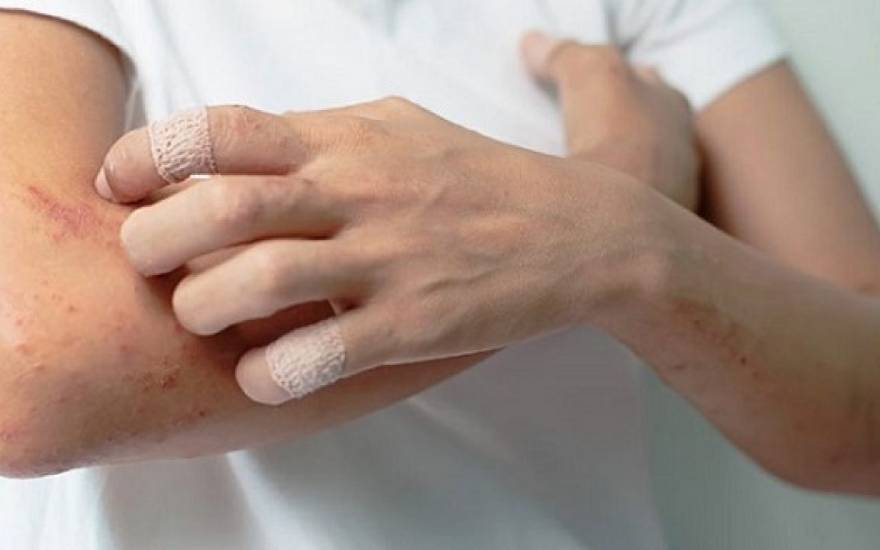
Polymyositis occurs when the body’s immune system attacks muscle tissue, leading to inflammation and muscle damage.
Infection: Certain viral and bacterial pathogens have been implicated as potential triggers of polymyositis. These infectious agents may disrupt immune regulation or provoke an exaggerated inflammatory response, leading to muscle tissue injury. During infection, the immune system releases cytokines and other inflammatory mediators, which can amplify inflammation and impair muscle function, resulting in pain and weakness.
Genetic and environmental factors: Genetic susceptibility may increase the risk of developing polymyositis. In addition, environmental exposures, such as pollution or contact with toxic chemicals, may contribute to disease onset in predisposed individuals.
Clinical manifestations of polymyositis
Polymyositis typically presents with symmetric muscle weakness, which may develop gradually or, in some cases, with relatively rapid onset. Common clinical features include:
Proximal muscle weakness: Most prominently affecting the shoulders, hips, and neck, leading to difficulty performing routine activities such as lifting the arms, rising from a seated position, climbing stairs, or maintaining head posture.
Myalgia: Muscle pain may accompany weakness and can make activities such as standing up, ascending stairs, or lifting objects more challenging.
Fatigue: In more severe cases, patients may experience persistent fatigue and, if respiratory muscles are involved, shortness of breath. These manifestations can significantly impair quality of life and functional capacity.
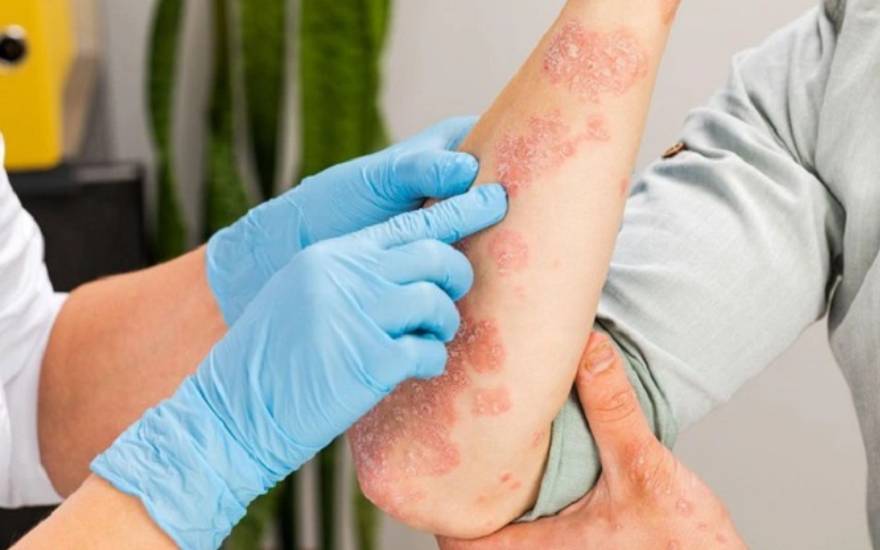
Skin involvement, muscle weakness, and dyspnea are characteristic clinical features of polymyositis.
Treatment approaches for polymyositis
Pharmacologic therapy
Management of polymyositis primarily focuses on controlling inflammation and preventing further muscle damage. Treatment options include:
Nonsteroidal anti-inflammatory drugs (NSAIDs): These agents help relieve pain and reduce inflammation, providing symptomatic improvement.
Corticosteroids: Corticosteroids are considered first-line therapy due to their potent anti-inflammatory effects. They can rapidly reduce disease activity and improve muscle strength.
Immunosuppressive agents: When corticosteroids are insufficiently effective or cause significant adverse effects, additional immunosuppressive medications may be prescribed to modulate the immune response and achieve better disease control.
Rehabilitation and physical therapy
Following the acute phase of pharmacologic treatment, rehabilitation is essential to restore functional capacity. Physical therapy plays a critical role in recovery by improving muscle strength, reducing pain, and enhancing mobility.
Through structured exercise programs and targeted therapeutic techniques, patients can regain flexibility, restore functional movement, and improve overall quality of life.
Prevention and disease control in polymyositis
Although polymyositis cannot be completely prevented, several measures may help control disease activity and reduce the risk of relapse:
Balanced nutrition: A well-balanced diet rich in vitamins and minerals supports immune regulation, enhances recovery, and promotes overall muscle health.
Adherence to medical therapy: Strict compliance with prescribed treatment regimens and regular medical follow-up enable early detection of disease flare-ups or complications.
Moderate physical activity: Engaging in gentle, low-impact exercises such as walking or yoga can help maintain muscle function and overall fitness without placing excessive strain on weakened muscle groups.

Engaging in gentle physical exercise helps improve overall health without placing excessive strain on the muscles.
Polymyositis is a rare disorder but can significantly impair quality of life if not diagnosed and treated promptly. Early recognition of symptoms and strict adherence to appropriate medical management enable patients to effectively control disease activity, improve functional status, and enhance overall quality of life.
Patients seeking consultation and treatment for polymyositis at Hong Ngoc General Hospital are kindly invited to contact the hotline at 0889 621 046 for dedicated support. The medical specialists at Hong Ngoc General Hospital are committed to accompanying patients in the comprehensive care and protection of musculoskeletal health.
Note: The information provided in this article by Hong Ngoc General Hospital is intended for reference purposes only and does not substitute for professional medical diagnosis or treatment. Patients should not self-medicate. For an accurate evaluation of their medical condition, individuals are advised to visit a healthcare facility for direct clinical examination, diagnosis, and appropriate treatment consultation with a qualified physician.
Polymyositis is a rare autoimmune disease that causes inflammation and muscle weakness throughout the body. If not detected and treated promptly, polymyositis can lead to serious complications, including impaired mobility, joint deformities, and respiratory dysfunction. The following article provides a clearer understanding of the causes, symptoms, and effective treatment options for polymyositis.
Definition of polymyositis
Polymyositis is a form of autoimmune disease characterized by inflammation affecting multiple muscle groups throughout the body, resulting in fatigue and difficulty with movement. The condition not only impairs mobility but also weakens proximal skeletal muscles, leading to progressive loss of muscle strength. If not properly diagnosed and treated, polymyositis may cause significant muscle dysfunction, limiting a patient’s ability to perform daily activities and potentially affecting occupational and physical functioning.
Causes of polymyositis
Polymyositis is a serious condition that occurs when the body’s immune system attacks muscle tissue, leading to inflammation and structural damage.
The primary cause of polymyositis is:
Autoimmune dysregulation: This is the most common mechanism. The immune system mistakenly identifies muscle fibers as foreign or harmful and mounts an immune response against them, resulting in chronic inflammation and progressive muscle dysfunction.
Polymyositis occurs when the body’s immune system attacks muscle tissue, leading to inflammation and muscle damage.
Infection: Certain viral and bacterial pathogens have been implicated as potential triggers of polymyositis. These infectious agents may disrupt immune regulation or provoke an exaggerated inflammatory response, leading to muscle tissue injury. During infection, the immune system releases cytokines and other inflammatory mediators, which can amplify inflammation and impair muscle function, resulting in pain and weakness.
Genetic and environmental factors: Genetic susceptibility may increase the risk of developing polymyositis. In addition, environmental exposures, such as pollution or contact with toxic chemicals, may contribute to disease onset in predisposed individuals.
Clinical manifestations of polymyositis
Polymyositis typically presents with symmetric muscle weakness, which may develop gradually or, in some cases, with relatively rapid onset. Common clinical features include:
Proximal muscle weakness: Most prominently affecting the shoulders, hips, and neck, leading to difficulty performing routine activities such as lifting the arms, rising from a seated position, climbing stairs, or maintaining head posture.
Myalgia: Muscle pain may accompany weakness and can make activities such as standing up, ascending stairs, or lifting objects more challenging.
Fatigue: In more severe cases, patients may experience persistent fatigue and, if respiratory muscles are involved, shortness of breath. These manifestations can significantly impair quality of life and functional capacity.
Skin involvement, muscle weakness, and dyspnea are characteristic clinical features of polymyositis.
Treatment approaches for polymyositis
Pharmacologic therapy
Management of polymyositis primarily focuses on controlling inflammation and preventing further muscle damage. Treatment options include:
Nonsteroidal anti-inflammatory drugs (NSAIDs): These agents help relieve pain and reduce inflammation, providing symptomatic improvement.
Corticosteroids: Corticosteroids are considered first-line therapy due to their potent anti-inflammatory effects. They can rapidly reduce disease activity and improve muscle strength.
Immunosuppressive agents: When corticosteroids are insufficiently effective or cause significant adverse effects, additional immunosuppressive medications may be prescribed to modulate the immune response and achieve better disease control.
Rehabilitation and physical therapy
Following the acute phase of pharmacologic treatment, rehabilitation is essential to restore functional capacity. Physical therapy plays a critical role in recovery by improving muscle strength, reducing pain, and enhancing mobility.
Through structured exercise programs and targeted therapeutic techniques, patients can regain flexibility, restore functional movement, and improve overall quality of life.
Prevention and disease control in polymyositis
Although polymyositis cannot be completely prevented, several measures may help control disease activity and reduce the risk of relapse:
Balanced nutrition: A well-balanced diet rich in vitamins and minerals supports immune regulation, enhances recovery, and promotes overall muscle health.
Adherence to medical therapy: Strict compliance with prescribed treatment regimens and regular medical follow-up enable early detection of disease flare-ups or complications.
Moderate physical activity: Engaging in gentle, low-impact exercises such as walking or yoga can help maintain muscle function and overall fitness without placing excessive strain on weakened muscle groups.
Engaging in gentle physical exercise helps improve overall health without placing excessive strain on the muscles.
Polymyositis is a rare disorder but can significantly impair quality of life if not diagnosed and treated promptly. Early recognition of symptoms and strict adherence to appropriate medical management enable patients to effectively control disease activity, improve functional status, and enhance overall quality of life.
Patients seeking consultation and treatment for polymyositis at Hong Ngoc General Hospital are kindly invited to contact the hotline at 0889 621 046 for dedicated support. The medical specialists at Hong Ngoc General Hospital are committed to accompanying patients in the comprehensive care and protection of musculoskeletal health.
Note: The information provided in this article by Hong Ngoc General Hospital is intended for reference purposes only and does not substitute for professional medical diagnosis or treatment. Patients should not self-medicate. For an accurate evaluation of their medical condition, individuals are advised to visit a healthcare facility for direct clinical examination, diagnosis, and appropriate treatment consultation with a qualified physician.
Để lại câu hỏi của bạn để nhận được giải đáp từ các bác sĩ của Hồng Ngọc
Lorem ipsum dolor
Lorem ipsum dolor sit amet, consectetur adipiscing elit. Mauris odio lectus, pretium faucibus nisi eu, accumsan consectetur orci. In blandit vehicula nisl, vel lacinia ligula finibus a. Donec fermentum rhoncus