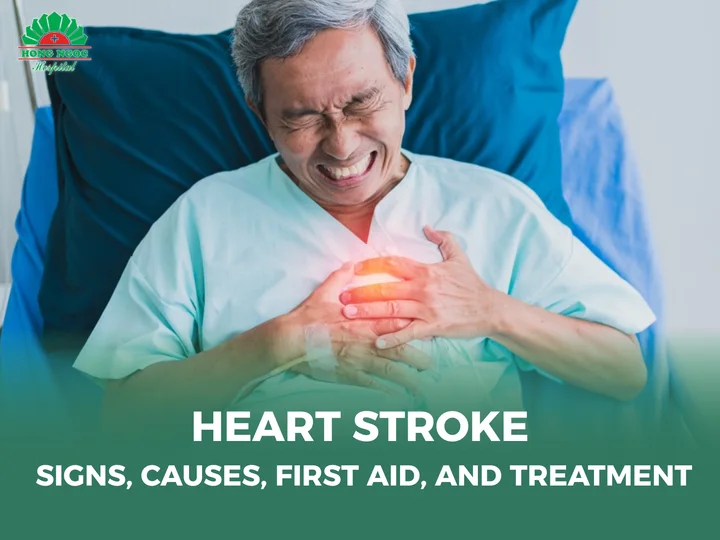




Phlebitis is associated with distressing symptoms, including localized pain, swelling, and inflammation. If left untreated, it may lead to serious complications such as pulmonary embolism and sepsis, both of which can be life-threatening.
What is phlebitis?
Veins are responsible for returning deoxygenated blood from peripheral tissues back to the heart. Phlebitis is defined as inflammation of the venous wall, often resulting from structural damage or functional impairment of the vessel, leading to pain, swelling, and inflammatory changes. It is a commonly encountered condition within the spectrum of peripheral vascular diseases.
Depending on the characteristics and anatomical location of the affected veins, phlebitis is broadly classified into two main categories:
- Superficial phlebitis: Superficial veins are located just beneath the skin, are relatively small in caliber, and are often visible to the naked eye. Superficial phlebitis is commonly associated with external factors, such as intravenous catheter placement or local mechanical irritation. This condition is generally self-limiting and may resolve once the triggering factor is removed.
- Deep vein phlebitis: Deep veins are situated within the muscle compartments of the upper or lower extremities, are larger in size, and contain valves that facilitate unidirectional blood flow toward the heart. Deep vein phlebitis is most frequently associated with thrombus formation within the vessel lumen, leading to deep vein thrombosis (DVT) and subsequent inflammatory changes.
Early signs and symptoms of phlebitis to recognize
Phlebitis commonly occurs in the upper and lower extremities, as these areas are distal from the heart and are subjected to increased mechanical stress and frequent physical activity. Key clinical manifestations of phlebitis include:
Pain
Patients with phlebitis, whether involving superficial or deep veins, typically experience localized pain at the affected site. The discomfort may limit mobility and significantly impact daily activities. Pain associated with deep vein involvement is generally more severe than that of superficial phlebitis and tends to worsen with movement or physical exertion.
Fever
In more severe cases, particularly when associated with infection, phlebitis may present with systemic symptoms such as fever and generalized fatigue.
Inflammatory signs
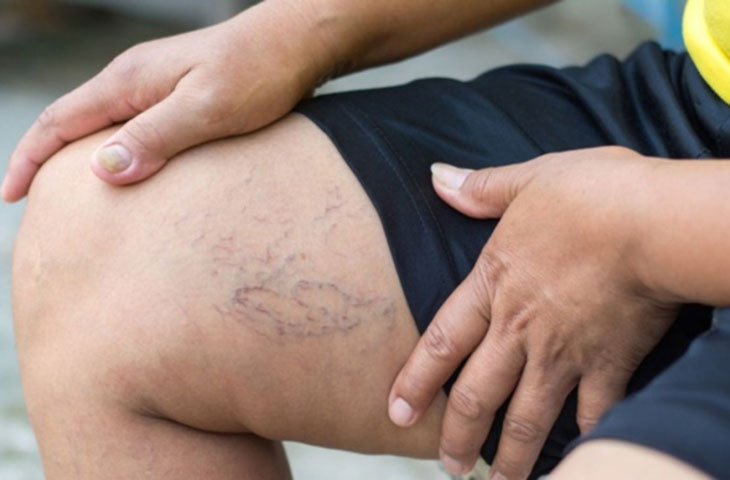
Phlebitis presents with classic features of inflammation similar to those observed in other tissues. The affected area may exhibit swelling, edema, increased warmth upon palpation, and changes in skin coloration. In cases of superficial phlebitis, these signs are often clearly visible on clinical inspection.

Pulmonary manifestations
If phlebitis is associated with thrombus migration to the pulmonary circulation, it may result in pulmonary embolism or pulmonary infarction. Clinical manifestations include dyspnea, tachycardia, and hemoptysis. These symptoms are indicative of a potentially life-threatening condition and require prompt hospitalization and urgent medical intervention to prevent severe complications.
Etiology of phlebitis
The causes of phlebitis vary depending on whether the condition involves superficial or deep veins.
Superficial phlebitis is commonly associated with:
- Local trauma
- Infection
- Intravenous (IV) catheter insertion
- Formation of small thrombi
- Injection of irritating or vesicant medications into the vein
Deep vein phlebitis may result from:
- Vascular injury or irritation due to surgery, fractures, or a prior history of deep vein thrombosis (DVT)
- Hypercoagulable states related to medications, malignancy, or inherited coagulation disorders
- Reduced venous blood flow secondary to prolonged immobility or sedentary lifestyle
Risk factors for phlebitis
Several factors may increase the risk of developing phlebitis, including:
- Coagulation disorders
- Previous history of deep vein thrombosis (DVT)
- Pregnancy
- Overweight and obesity
- Prolonged immobility or sedentary behavior
- Regular use of oral contraceptives or hormone replacement therapy
- Malignancy
- Chronic tobacco use
- Age over 60 years
- Excessive alcohol consumption
These factors significantly elevate the likelihood of developing phlebitis compared to the general population.

Is phlebitis a serious condition?
Phlebitis is generally not considered a highly life-threatening condition and rarely leads to severe complications. However, it can cause skin lesions that may predispose to infection, potentially progressing to bloodstream infection (sepsis) if not appropriately managed.
Reader may also be interested in:
- Varicose veins: How are varicose veins diagnosed?
- Deep vein thrombosis of the lower extremities: early treatment to prevent serious complications
Importantly, a serious complication of phlebitis is pulmonary embolism, which may present with dyspnea, pleuritic chest pain, tachycardia, and hemoptysis. This condition requires prompt hospital evaluation and early intervention to prevent life-threatening outcomes.
Diagnostic approaches for phlebitis
Phlebitis can often be initially diagnosed based on clinical evaluation, including physical examination and a thorough medical history. In addition, to establish a definitive diagnosis, patients may undergo the following investigations:
- Blood tests: Laboratory investigations help assess D-dimer levels and identify underlying coagulation disorders.
- Limb ultrasound: Doppler ultrasonography is used to evaluate venous blood flow and detect abnormalities in the veins and arteries.
- Computed tomography (CT) or magnetic resonance imaging (MRI): These imaging modalities are performed to detect the presence of thrombi and assess the extent of vascular involvement.
Common treatment approaches for phlebitis
Although phlebitis is not typically a life-threatening condition, early treatment is recommended to relieve symptoms and prevent potential complications.
In cases of superficial phlebitis, management may include the application of warm compresses, administration of antibiotics if infection is suspected, and removal of the intravenous (IV) catheter when applicable.
For deep vein phlebitis, anticoagulant therapy is the mainstay of treatment. In cases where the condition significantly impairs blood circulation, patients may be considered for thrombectomy or other interventional procedures to restore venous flow.
Preventive measures
Phlebitis can be effectively prevented by proactively adopting the following measures:
- Ambulate as early as possible after surgery to avoid prolonged immobility
- Perform regular leg stretching and avoid maintaining flexed leg positions for extended periods, which may impair venous circulation
- Maintain adequate daily hydration
- Adhere strictly to prescribed medications, including anticoagulants when indicated
- Undergo routine cardiovascular evaluations and inform healthcare providers of any existing risk factors
When experiencing abnormal signs such as pain, swelling, or inflammation along the veins, patients should seek evaluation at a reputable cardiology or vascular specialty clinic for accurate diagnosis and appropriate treatment guidance.
Register for consultation and receive expert advice from cardiovascular specialists at Hong Ngoc General Hospital here:
Note: The information provided in this article by Hong Ngoc General Hospital is for reference purposes only and does not substitute for professional medical diagnosis or treatment. Patients should not self-medicate. For an accurate assessment of their condition, individuals are advised to visit a healthcare facility for direct examination, diagnosis, and appropriate treatment planning by qualified physicians. Follow the official fanpage of Hong Ngoc General Hospital for more useful health information.