



Deep vein thrombosis of the lower extremities not only causes pain and impairs daily activities but also carries a significant risk of serious complications, such as pulmonary embolism, which can be life-threatening if not promptly managed. Therefore, early evaluation, detection, and treatment are essential to prevent severe complications.
What is deep vein thrombosis of the lower extremities?
In the human body, veins are blood vessels responsible for returning deoxygenated blood from peripheral tissues to the heart to continue the circulatory cycle. The venous system is divided into three types: superficial veins, deep veins, and perforating veins. These veins contain one-way valves that prevent backward blood flow.
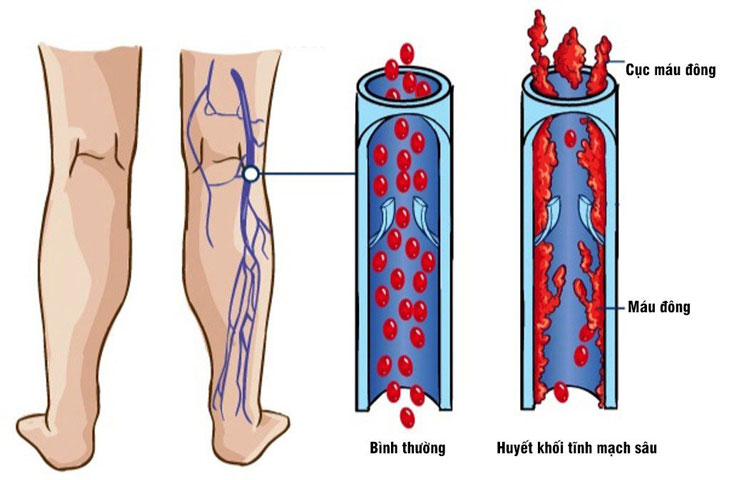
Deep vein thrombosis of the lower extremities refers to the formation of blood clots within the deep venous system of the legs. The deep veins such as the tibial, popliteal, and femoral veins are responsible for transporting approximately 90% of the venous blood from the lower limbs back to the heart.
Clinical manifestations of deep vein thrombosis of the lower extremities
In most cases, early-stage deep vein thrombosis of the lower extremities is asymptomatic. As the thrombus enlarges, patients may develop the following symptoms:
- Pain in the affected limb, ranging from mild to severe, often worsening with movement or ambulation
- Skin discoloration over the affected area, which may appear bluish, darkened, or otherwise abnormal
- Swelling accompanied by a sensation of heaviness in the limb
- Low-grade fever associated with inflammatory response
- Visible dilation of superficial veins
- Increased warmth over the affected skin
In some cases, complications may occur, including dyspnea, persistent cough (sometimes with hemoptysis), and chest pain due to progression to pulmonary embolism. These symptoms require immediate medical attention.
Causes of deep vein thrombosis of the lower extremities
Deep vein thrombosis of the lower extremities can result from various underlying factors. Common causes of deep vein thrombosis of the lower extremitiesinclude:
- Surgical procedures: Orthopedic, abdominal, or thoracic surgeries may cause endothelial injury and disrupt normal blood flow, thereby increasing the risk of thrombus formation
- Trauma: Injuries such as femoral fractures or spinal fractures can predispose to clot formation within the deep venous system
- Malignancy: Cancers including lung, pancreatic, ovarian, gastric, and genitourinary malignancies are associated with a hypercoagulable state, increasing the risk of DVT
- Coagulation disorders: These may be congenital or acquired conditions affecting the hemostatic system, leading to increased blood coagulability and thrombus formation
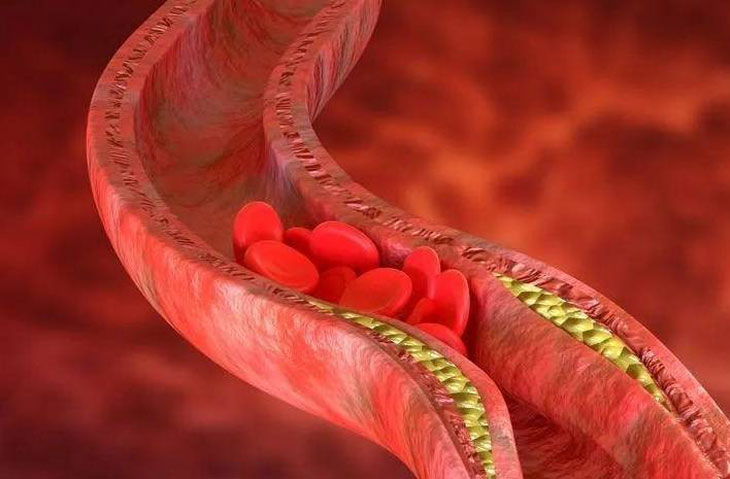
- Prolonged immobilization: Extended periods of inactivity, such as after surgery or trauma, can lead to venous stasis, promoting thrombus formation and venous obstruction
- Chronic venous insufficiency: Dysfunction of venous valves impairs normal blood return to the heart, resulting in blood pooling in the lower extremities and increasing the risk of clot formation
Risk factors for deep vein thrombosis of the lower extremities
Although deep vein thrombosis of the lower extremities can occur in anyone, certain factors significantly increase the risk:
- Pregnancy: Increased body weight and pressure on the lower extremities can impair venous return, promoting venous stasis and thrombus formation
- Medical history: Individuals with a history of myocardial infarction, prior venous thrombosis, or congestive heart failure are at higher risk
- Medication use: Prolonged use of oral contraceptives or hormone replacement therapy is a common risk factor, particularly in women of reproductive age
- Obesity: Associated with atherosclerosis and impaired circulation, contributing to increased thrombotic risk
- Physical inactivity: Sedentary lifestyle or prolonged sitting reduces venous flow, increasing the likelihood of clot formation
- Smoking: Damages the vascular endothelium and promotes a prothrombotic state
- Advanced age: The risk of DVT increases with age, with older adults being more susceptible
Is deep vein thrombosis of the lower extremities dangerous? What complications can it cause?
In addition to causing pain, fever, and significant impairment of daily activities, deep vein thrombosis of the lower extremities can lead to serious complications, most notably pulmonary embolism.
In this condition, thrombi may dislodge and travel through the venous circulation to the right atrium, then to the right ventricle, and subsequently be propelled into the pulmonary arteries. This can result in obstruction of pulmonary blood flow, a life-threatening emergency if not promptly treated.
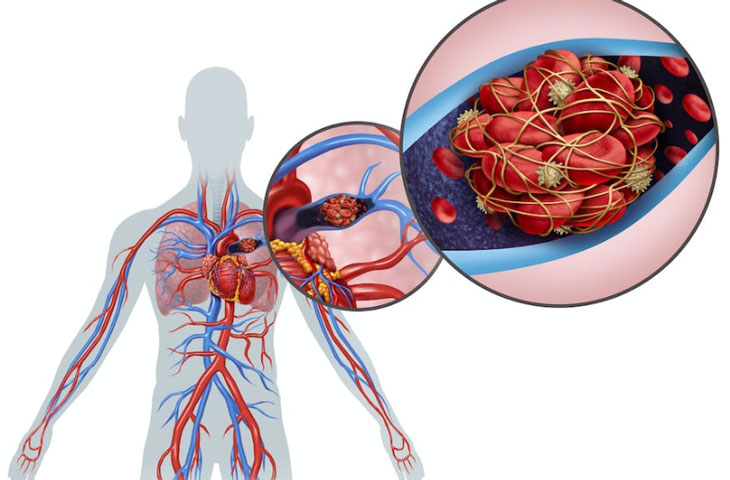
Pulmonary embolism may present with symptoms such as dyspnea, chest pain, and hemoptysis; if not promptly treated, it can lead to severe and potentially life-threatening complications.
In addition, deep vein thrombosis may result in chronic complications such as skin ulceration and persistent lower limb edema, significantly impacting patients’ health and quality of life.
Diagnosis and management of deep vein thrombosis of the lower extremities
Deep vein thrombosis of the lower extremities can be diagnosed using the following methods:
- Doppler vascular ultrasound: enables detection of thrombi and assessment of abnormalities within the deep venous system of the lower limbs
- Laboratory investigations: including complete blood count, blood glucose levels, renal and hepatic function tests, and comprehensive coagulation profiles
Management of deep vein thrombosis of the lower extremities may include the following approaches:
- Pharmacological therapy: Anticoagulants are commonly prescribed to prevent further thrombus formation and progression. In patients with comorbid conditions such as diabetes, appropriate medications may also be used to optimize overall disease control
- Surgical intervention: In cases of large thrombi, surgical removal (thrombectomy) may be indicated to restore venous patency, reduce the risk of limb ischemia, and improve blood flow
- Early mobilization: Patients are encouraged to resume movement as early as possible after surgery or trauma to enhance venous circulation and reduce the risk of thrombus formation
Where to seek diagnosis and treatment?
Deep vein thrombosis of the lower extremities can be effectively managed if detected and treated at an early stage. Therefore, regular health check-ups and prompt medical evaluation when abnormal symptoms arise are strongly recommended.

The Cardiology Department at Hong Ngoc General Hospital is a trusted center for the diagnosis and management of cardiovascular diseases, highly regarded by patients for its clinical expertise and quality of care.
The department is staffed by a team of highly qualified and experienced cardiologists specializing in the diagnosis and treatment of cardiovascular conditions, including:
- Dr. Vu Thin, with over 20 years of experience at the Vietnam National Heart Institute – Bach Mai Hospital and Hong Ngoc General Hospital
- Dr. Le Thi Thanh Hang, with more than 20 years of clinical experience at Friendship Hospital
- Dr. Cao Manh Hung, with many years of experience at the Vietnam National Heart Institute – Bach Mai Hospital, Hanoi Medical University Hospital, and Thanh Hoa Provincial General Hospital
- Dr. Nguyen Thi Lan Anh, with extensive clinical experience at Thanh Nhan Hospital
Continuously investing in and upgrading advanced medical technologies to support accurate diagnosis and effective treatment, including:
- Voluson E8 ultrasound system and color Doppler imaging for vascular assessment
- Revolution EVO CT scanner and Signa Creator 1.5 Tesla MRI system (GE Healthcare, USA), providing high-resolution imaging
- 24-hour Holter electrocardiography system for continuous cardiac monitoring
- Abbott laboratory system (USA) ensuring precise and reliable diagnostic testing
- Digital subtraction angiography (DSA) system enabling accurate diagnosis and timely intervention for cardiovascular and cerebrovascular diseases
- Digital X-ray imaging system
Patients do not need to worry about overcrowding, long queues, or a noisy hospital environment, as the Cardiology clinics are designed as dedicated, separate spaces with a spacious and comfortable setting, minimizing waiting times. Additionally, patients are offered a complimentary buffet during each visit at the hospital’s in-house restaurant.
Register for consultation and cardiovascular evaluation with specialists at Hong Ngoc General Hospital here:
Note: The information provided in this article by Hong Ngoc General Hospital is for reference purposes only and does not replace professional medical diagnosis or treatment. Patients should not self-medicate. For an accurate assessment of their condition, individuals are advised to visit a medical facility for direct examination, diagnosis, and appropriate treatment planning by qualified physicians.
Follow the official fanpage of Hong Ngoc General Hospital for more useful health information and updates.