


Low blood pressure can pose significant health risks and, in severe cases, may even be life-threatening. Early recognition of the warning signs of hypotension and timely treatment can help reduce the risk of serious complications.
What blood pressure level is considered low?
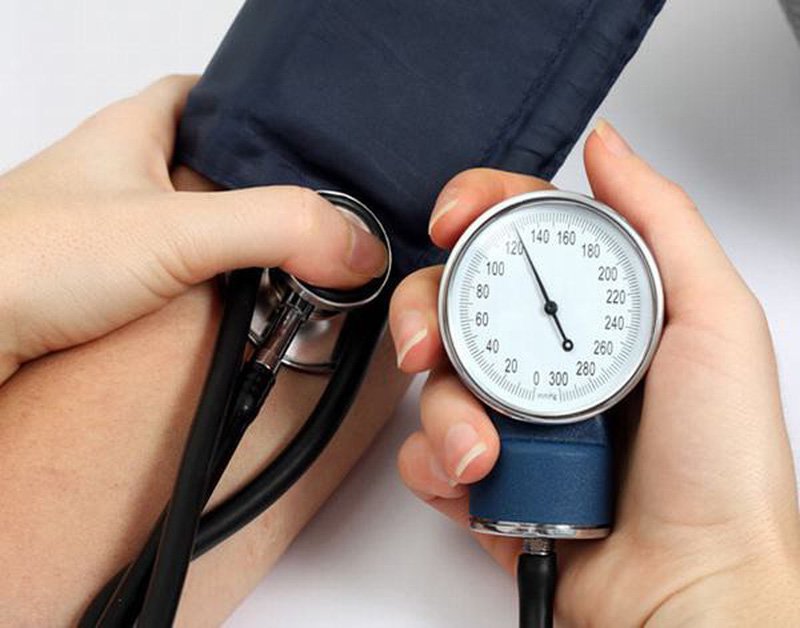
According to medical experts, blood pressure is considered low when the systolic blood pressure (the upper number) is 90 mmHg or lower and the diastolic blood pressure (the lower number) is 60 mmHg or lower.
However, these values represent general reference thresholds for identifying hypotension. In clinical practice, a blood pressure reading that is considered low for one individual may still be normal for another, particularly if the person does not experience symptoms such as dizziness, fainting, or loss of consciousness.
Causes of low blood pressure
Low blood pressure can result from various underlying causes. Some of the most common causes include:
Hormonal imbalance
Another cause of low blood pressure is hormonal imbalance. In the human body, the thyroid gland produces hormones that regulate heart rate and blood pressure, while the adrenal glands play an important role in controlling the body’s stress responses. Dysfunction in either of these glands can disrupt hormonal balance and lead to decreased blood pressure.
Medication side effects
Frequent use of certain medications may also lead to low blood pressure, including:
- Diuretics
- Antidepressants
- Medications used to treat Parkinson’s disease
- Anesthetic agents administered after surgery
Inadequate nutrition
An imbalanced diet that fails to provide sufficient nutrients can increase the risk of low blood pressure and anemia. Individuals who frequently experience diarrhea, nausea, or loss of appetite may develop dehydration and electrolyte imbalance, which can also contribute to hypotension.
Cardiovascular disease
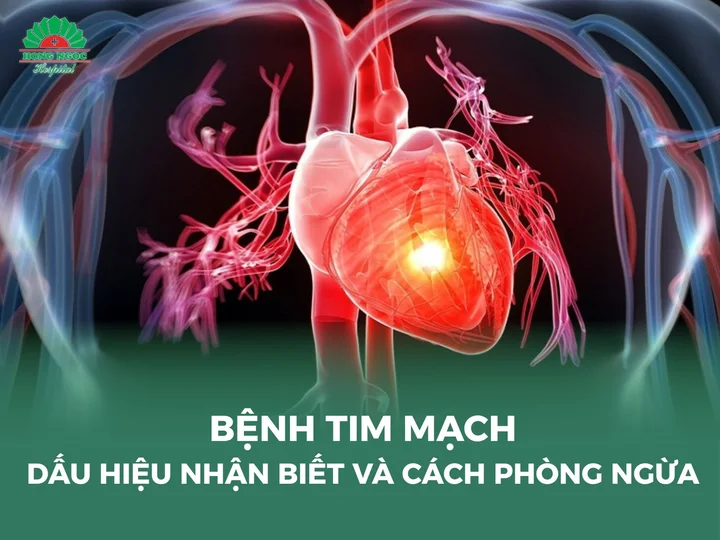
One of the leading causes of low blood pressure is underlying cardiovascular disease, such as heart failure, valvular heart disease, or cardiac arrhythmias. When the heart is unable to pump effectively, it may not generate sufficient pressure to circulate blood throughout the body, resulting in reduced blood pressure.

Other causes
In addition to the main causes mentioned above, low blood pressure may also result from several other conditions, including:
- Diabetes mellitus
- Severe infections or systemic toxicity
- Pregnancy
- Excessive alcohol consumption
- Sudden changes in body position, such as standing up too quickly
Management and prevention of low blood pressure
In otherwise healthy individuals with low blood pressure who do not experience significant symptoms, such as occasional dizziness when standing up or sitting down, treatment is usually not necessary.
In more severe cases, treatment should focus on addressing the underlying cause. When blood pressure drops critically and leads to shock, emergency treatment in a hospital setting is required.
Several measures can help reduce the symptoms of low blood pressure. Drinking adequate amounts of water can prevent dehydration and help maintain blood pressure. Increasing salt intake in moderation may also help raise blood pressure, while alcohol consumption should be limited because alcohol can cause dehydration and dilation of blood vessels.
Patients should also avoid standing for prolonged periods. When moving from a lying or sitting position to standing, it is advisable to stand up slowly rather than abruptly. Individuals who experience postprandial hypotension should avoid taking antihypertensive medications before meals, rest after eating, and consider consuming smaller and more frequent meals. Coffee may help increase blood pressure through its vasoconstrictive effects, but it is best consumed in the morning to avoid sleep disturbances.
Reader may also be interested in:
- Persistent fatigue: a warning sign of 13 serious medical conditions
- What conditions does rapid breathing indicate? Causes of rapid breathing
- Dizziness: causes, symptoms, and treatment
Currently, there is no medication that can completely cure low blood pressure. However, appropriate management can help patients live safely with the condition. Regular medical check ups with a specialist are also recommended to monitor blood pressure and help prevent potential complications.
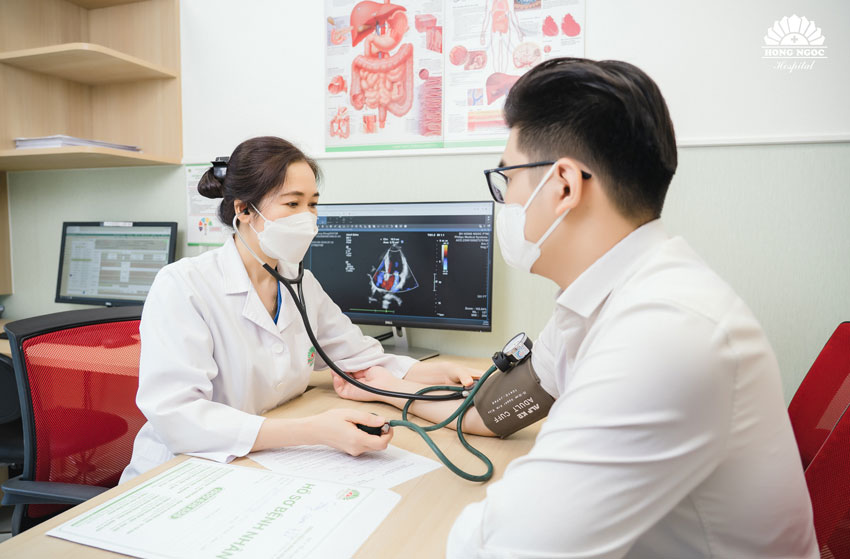
Register here for a consultation and examination with cardiology specialists at Hong Ngoc General Hospital to effectively manage and treat low blood pressure.
Note: The information provided in articles published by Hong Ngoc General Hospital is for reference purposes only and does not replace professional medical diagnosis or treatment. Patients should not self medicate without medical supervision. To determine the exact medical condition, individuals should visit a hospital for direct examination, diagnosis, and appropriate treatment consultation with a physician.
Follow the official fanpage of Hong Ngoc General Hospital for more useful health information.