




Fatigue is a common experience associated with intense study or excessive workload. However, when persistent fatigue occurs over a prolonged period and is accompanied by additional symptoms such as shortness of breath, generalized pain, or sudden unexplained weight loss, medical evaluation is strongly recommended, as these manifestations may serve as warning signs of serious underlying medical conditions.
Fatigue as a warning sign of serious medical conditions
Fatigue resulting from overexertion or strenuous physical activity is generally a normal and temporary condition that resolves with adequate rest. However, persistent fatigue, especially when it occurs even in the absence of physical exertion, may serve as a warning sign of serious underlying diseases and should not be overlooked.
Fatigue may be a symptom of the following medical conditions:
Anemia
When the body is affected by anemia, the delivery of oxygen and essential nutrients to tissues and cells is reduced. As a result, one of the most common manifestations of anemia is persistent fatigue, accompanied by lethargy and decreased energy levels.
Insufficient cerebral oxygenation may lead to frequent headaches, lightheadedness, dizziness, and in severe cases, syncope. Other characteristic signs of anemia include pallor of the skin and mucous membranes. During clinical evaluation, physicians may readily suspect anemia based on physical findings, with the diagnosis confirmed through blood tests.
Migraine
Before, during, and after a migraine attack, many individuals experience pronounced fatigue. Patients with migraine often report lethargy, irritability, and in some cases may develop prolonged depressive symptoms. Fatigue combined with severe headache pain can significantly impair quality of life.
In migraine, fatigue may be associated with reduced cerebral blood flow. Free radicals are considered one of the contributing factors that can damage vascular walls, promote the formation of atherosclerotic plaques and thrombi, and lead to arterial narrowing, thereby decreasing blood supply to the brain.

Diabetes mellitus
Diabetes mellitus is a metabolic disorder. In patients with diabetes, body cells are unable to receive sufficient energy for normal physiological activities. As a result, patients often experience persistent fatigue, even in the absence of significant physical exertion.
Thyroid disorders
The thyroid gland produces hormones that play a direct role in regulating metabolism. Therefore, abnormalities of thyroid function, whether excessive or insufficient hormone production, can disrupt metabolic processes. Inadequate energy supply to the body is a key reason why patients with thyroid disorders frequently experience chronic fatigue.
Tuberculosis
Tuberculosis is a bacterial infectious disease that can invade and damage body tissues. Unexplained weight loss and physical wasting are hallmark symptoms in patients with pulmonary tuberculosis. In addition, psychological stress and emotional strain associated with the disease may contribute to fatigue, sleep disturbances, and loss of appetite.
Stress
Exposure to prolonged stress may lead to physical and mental exhaustion. This occurs because stress triggers increased secretion of cortisol, which, when elevated over time, can contribute to persistent fatigue.

Depression
Persistent fatigue and loss of energy are common manifestations of depressive disorders. To establish a diagnosis, physicians will conduct a clinical evaluation and may administer standardized screening questionnaires. When fatigue is accompanied by other symptoms such as persistent sadness, loss of interest or pleasure in previously enjoyed activities, excessive rumination, lasting for more than two weeks, or the presence of suicidal ideation, depression should be strongly suspected and requires prompt medical attention.
Chronic fatigue syndrome
If you experience persistent fatigue and loss of energy lasting longer than two weeks, and medical evaluation fails to identify an underlying cause, you may be affected by chronic fatigue syndrome.
To date, the pathophysiology and exact etiology of this condition remain incompletely understood. Nevertheless, chronic fatigue syndrome can have a substantial impact on overall health, work performance, and daily functioning.
Many individuals with chronic fatigue syndrome also experience mental health issues such as anxiety, excessive stress, fear, or low mood. In such cases, management may include the use of antidepressants or sedative medications, as prescribed by a physician.
Neurasthenia
The most common manifestation of neurasthenia is persistent fatigue. Despite adequate rest and nutritional support, patients are often unable to regain physical strength and may even feel increasingly weak after sleep, with a marked lack of energy. Fatigue is frequently accompanied by irritability, restlessness, and emotional instability, as well as difficulty initiating or maintaining sleep due to excessive and intrusive thoughts.
Other organ systems may also be affected, with symptoms such as palpitations and tachycardia, chest tightness and rapid breathing, loss of appetite, gastrointestinal discomfort, including diarrhea or constipation, and menstrual irregularities in women.
Blood pressure disorders
Both hypertension and hypotension may cause fatigue. In addition, certain antihypertensive medications can also contribute to feelings of tiredness. Fatigue may further serve as an important indicator of underlying kidney dysfunction, in which impaired renal filtration can lead to elevated blood pressure and secondary anemia, resulting in persistent fatigue. Patients with low blood pressure often experience dizziness, lightheadedness, and lethargy.

Infectious and febrile diseases
Most infectious and inflammatory conditions cause patients to feel weak and fatigued, particularly when accompanied by fever. When infections involve internal organs such as the lungs, bone marrow, or myocardium, fatigue may become severe and debilitating. Examples include endocarditis, myocarditis, atypical or asymptomatic pneumonia (commonly seen in older adults), HIV infection (often associated with weight loss, diarrhea, pneumonia, and anemia), as well as tuberculosis and hepatitis.
Ear, nose, and throat disorders
Chronic rhinitis including allergic rhinitis, sinusitis, tonsillar hypertrophy or tonsillitis, and sleep apnea may all disrupt sleep quality and reduce oxygen delivery to body tissues. As a result, individuals may experience excessive daytime sleepiness, persistent fatigue, and increased irritability.
Cardiovascular diseases
Fatigue may be an early warning sign of underlying cardiovascular disease, including cardiac arrhythmias, coronary artery disease, or myocardial infarction. According to researchers at Harvard University, 71 percent of women experienced fatigue during the month preceding a myocardial infarction, and 43 percent reported fatigue during a mild myocardial infarction. Notably, in patients with diabetes mellitus, key warning signs of myocardial infarction may include shortness of breath, fatigue, and the absence of chest pain, which can make early recognition more challenging.
Reader may also be interested in:
- Frequent exhaustion: causes, treatment, and prevention
- Dizziness: causes, symptoms, and treatment
- Is heavy breathing dangerous? Causes and treatment
Symptoms that should not be ignored
Certain symptoms occurring in combination with sudden episodes of fatigue may serve as early warning signs of serious medical conditions. Rapid or labored breathing, especially when lying down or during physical exertion, may indicate coronary artery disease or pulmonary disorders. Unexplained weight loss can be a sign of malignancy, diabetes mellitus, thyroid disorders, or chronic infections.
Fever and night sweats may suggest a severe infection, such as HIV infection, brucellosis, tuberculosis, or endocarditis. Yellowing or gray discoloration of the skin, or jaundice of the eyes, may be indicative of anemia or hepatitis. Other symptoms, including double vision, blurred vision, distended neck veins, sensory loss of the skin, epigastric pain, muscle weakness, palpable lumps in the arms, axillae, or groin, and unexplained bleeding, also warrant immediate medical evaluation.
Fatigue related to underlying cardiovascular disease carries significant health risks and may be life threatening if not treated promptly. Therefore, individuals experiencing persistent or recurrent fatigue are strongly advised to seek evaluation by a cardiology specialist for accurate diagnosis and the development of an effective treatment strategy.
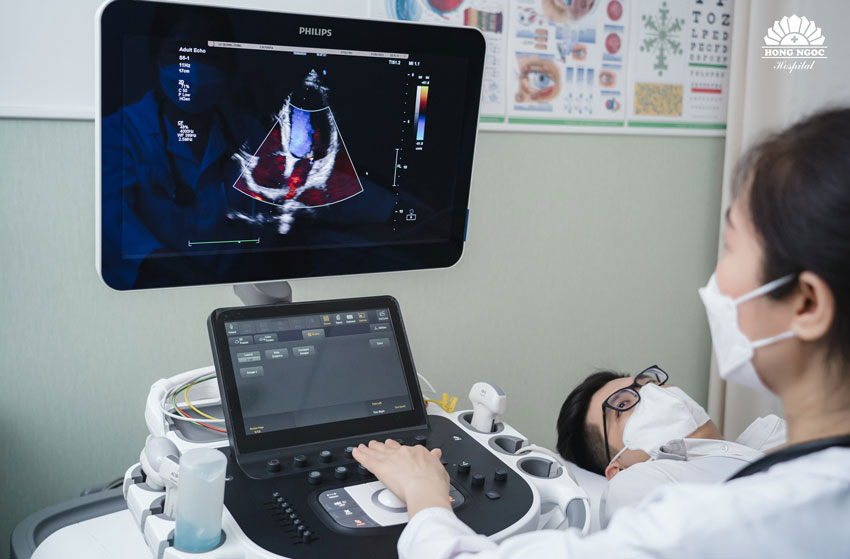
The Cardiology Department at Hong Ngoc Hospital is a trusted center for the examination and treatment of cardiovascular diseases, highly regarded by a large number of patients for both clinical expertise and service quality. Registering for cardiology services at Hong Ngoc Hospital offers multiple outstanding advantages, including:
– The department is staffed by a team of highly qualified and experienced physicians with extensive expertise in the diagnosis and treatment of cardiovascular diseases, including:
- Dr. Vu Thin, with more than 20 years of clinical experience at the National Heart Institute, Bach Mai Hospital, and Hong Ngoc Hospital.
- Dr. Le Thi Thanh Hang, with over 20 years of professional experience at Huu Nghi Hospital.
- Dr. Cao Manh Hung, Resident Doctor with many years of experience at the National Heart Institute, Hanoi Medical University Hospital, and Thanh Hoa Provincial General Hospital.
- Dr. Nguyen Thi Lan Anh, with many years of clinical practice at Thanh Nhan Hospital.
– The department continually invests in state of the art medical equipment to support accurate diagnosis and effective treatment, including:
- Voluson E8 ultrasound system with color Doppler vascular imaging
- CT Revolution EVO and MRI Signa Creator 1.5 Tesla systems from GE Healthcare USA, providing high resolution diagnostic imaging
- 24 hour Holter electrocardiography monitoring system
- Abbott laboratory testing system from the United States
- Digital subtraction angiography system, enabling precise diagnosis and timely intervention for cardiovascular and cerebrovascular diseases
- Digital X ray imaging system
– A dedicated cardiology outpatient clinic with a spacious, well ventilated environment and minimal waiting time
– Professional, attentive, and compassionate medical staff
– A large, airy hospital setting designed to provide maximum comfort for patients and visitors
– Complimentary buffet service and a wide range of amenities, including free Wi Fi, on site café, and restaurant facilities within the hospital campus
Note:
The information provided in this article by Hong Ngoc General Hospital is intended for reference purposes only and does not replace professional medical diagnosis or treatment. Patients should not self prescribe or self medicate. To accurately determine a medical condition, patients are advised to visit a medical facility for direct examination, diagnosis, and appropriate treatment planning by qualified physicians.
Follow the Hong Ngoc Hospital fanpage HERE to access more useful health information and stay updated on the hospital’s attractive healthcare programs and special offers.