




When it comes to pansinusitis, most people immediately think of a respiratory condition that triggers a wide range of troublesome symptoms. Even minor changes in weather or body position can provoke intense headaches and severe frontal pain. The following article provides a comprehensive overview of this condition.
What is pansinusitis?
Pansinusitis is an inflammatory condition in which the epithelial lining of two or more paranasal sinuses becomes swollen and inflamed.
The paranasal sinus system includes multiple interconnected cavities such as the frontal, maxillary, ethmoidal, and sphenoidal sinuses. When an infection develops in one sinus but is not detected and treated promptly, it can easily spread to adjacent sinuses.
Pansinusitis is therefore a relatively common condition. In severe cases, it may lead to serious complications such as vision loss or intracranial infections, including meningitis and brain abscesses, which can be life-threatening.
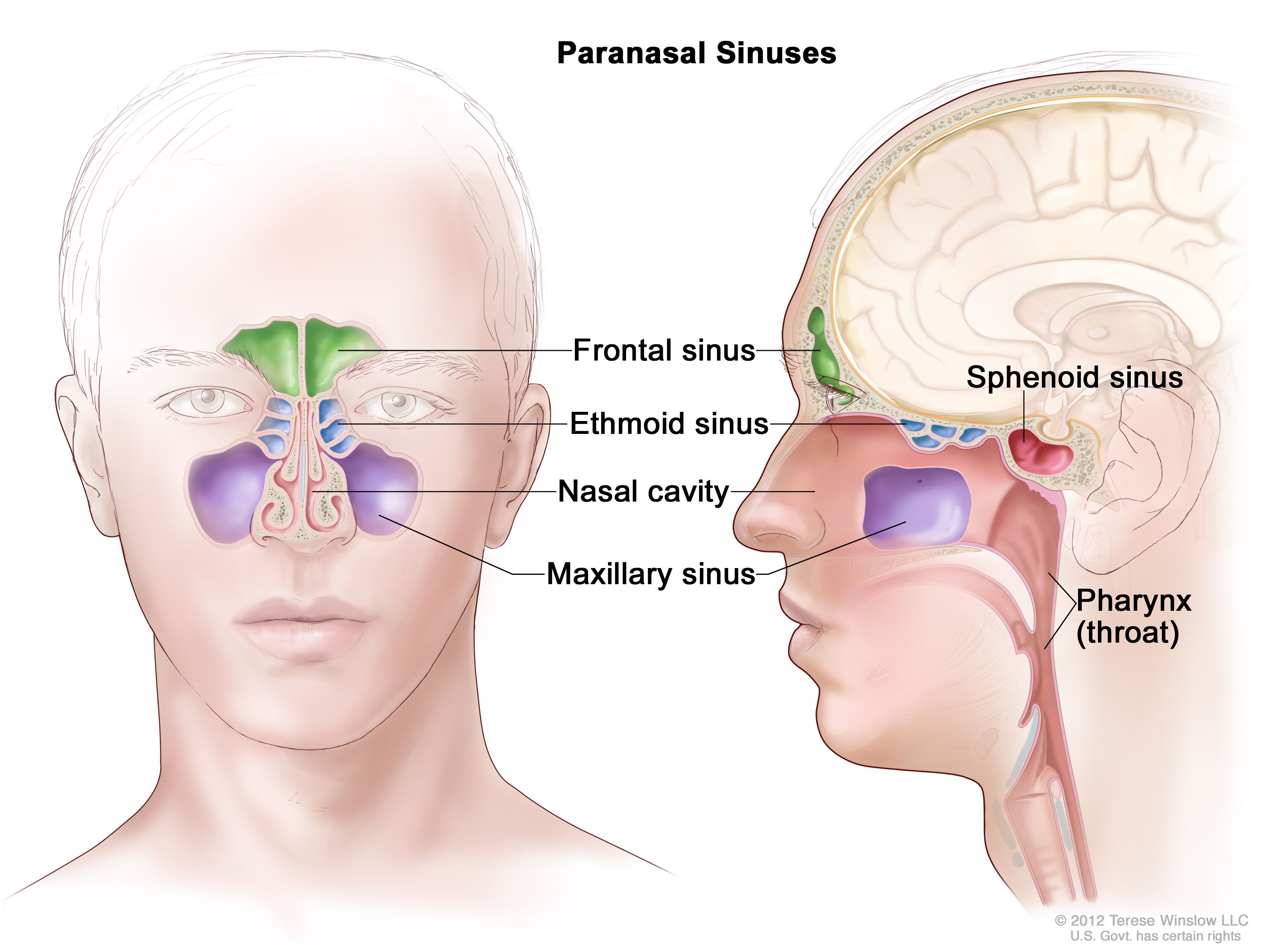
Causes of pansinusitis
There are multiple causes of pansinusitis, which can generally be divided into acute and chronic forms:
Acute pansinusitis
- Bacterial infection: The most common pathogens include Streptococcus pneumoniae, Haemophilus influenzae, and Moraxella catarrhalis. Inflammation of the sinus mucosa leads to swelling and excessive mucus production, creating favorable conditions for bacterial growth within the nasal cavities.
- Allergic reactions: Environmental allergens such as pollen, dust, mold, or food particles can trigger allergic rhinitis. Irritated mucosal lining becomes swollen and more susceptible to secondary bacterial infection, progressing to acute pansinusitis.
Chronic pansinusitis
- Untreated or improperly managed acute sinusitis: Recurrent or persistent bacterial and viral infections can lead to chronic inflammation lasting for months.
- Underlying anatomical or medical conditions: Structural abnormalities such as deviated septum, nasal polyps, sinus tumors, immune deficiencies, or other chronic illnesses predispose individuals to prolonged pansinusitis.
- Smoking: Tobacco use and exposure to secondhand smoke irritate and damage the sinus mucosa, reduce resistance to infection, and significantly increase the risk of chronic pansinusitis.

Symptoms of pansinusitis
Pansinusitis presents with symptoms similar to those of ordinary sinusitis, but tends to be more severe and prolonged because multiple sinuses are simultaneously inflamed, causing greater pain and discomfort. Common clinical manifestations include:
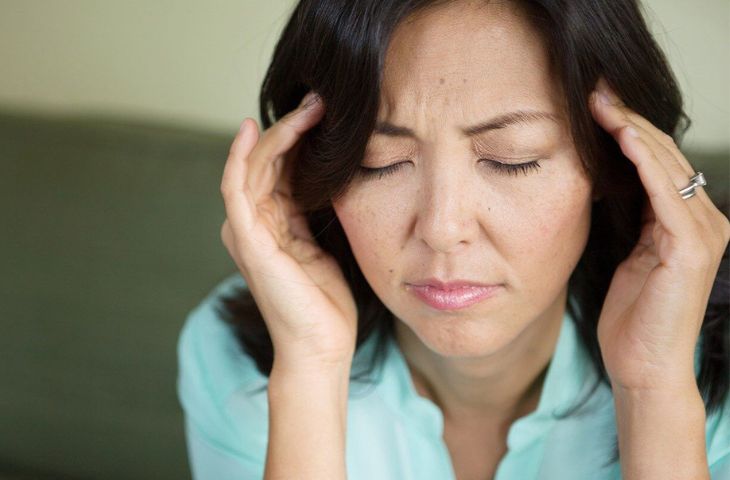
- Headache: Patients often experience pressure-like headaches in the forehead and behind the eyes, caused by swelling and obstruction within the sinuses.
- Facial pain and pressure: Pain or a sense of heaviness in the cheeks and facial bones is frequent. Discomfort may worsen when the area is touched or when the head is tilted forward.
- Nasal obstruction: Inflammation and thick mucus accumulation lead to nasal blockage. Patients may have difficulty breathing through the nose and resort to mouth breathing.
- Nasal discharge: Mucus may drain from the nose or flow backward into the throat, creating a sensation of persistent runny nose or postnasal drip.
- Fatigue and malaise: Generalized tiredness, weakness, and reduced energy levels are common due to ongoing infection and systemic effects of pansinusitis.
- Dental or jaw pain: Inflammation in the maxillary sinuses can radiate pain to the upper teeth or jaw region.
Cough and voice changes: Due to obstruction and swelling in the nasal and throat sinuses, patients may experience difficulty speaking, and their voice may sound abnormal.
Nosebleeds: In some cases, pansinusitis can lead to nasal bleeding as a result of inflammation and damage to blood vessels within the nasal cavity.
To accurately determine your sinus condition, it is important to visit a reputable medical facility for proper evaluation and consultation with ENT specialists. Schedule an appointment with our Ear–Nose–Throat experts via hotline 091.2002.131 – 0949.646.556 or register [HERE].
Is pansinusitis dangerous?
Because inflammation occurs simultaneously in multiple sinuses, specialists consider pansinusitis a complex condition that may lead to severe complications if not diagnosed and treated early and appropriately. The infection can spread to surrounding structures and cause serious consequences such as:
- Meningitis: Bacteria from the sinuses may reach the meninges through the bloodstream or bone structures, causing meningitis and other intracranial infections. This is a life-threatening complication that requires urgent treatment.
- Orbital abscess: Pansinusitis can extend to the optic nerves and ocular tissues, resulting in eye pain, swelling, impaired vision, and in severe cases, blindness.
- Loss of nasal and sinus function: Long-standing chronic pansinusitis may damage the sinus structures, leading to nasal polyps, persistent nasal obstruction, anosmia (loss of smell), and difficulty breathing through the nose.
Effective treatment methods for pansinusitis
Pansinusitis can be treated effectively using various approaches depending on the underlying cause and the patient’s condition.
Reader may also be interested in:
- Can acute sinusitis heal on its own? How to distinguish it from other conditions?
- 5 dangerous complications of sinusitis. How to prevent sinusitis complications?
When caused by bacterial or viral infection
- Viral sinusitis: Often resolves spontaneously within 2–3 weeks. If symptoms persist, supportive medications such as pain relievers, decongestants, and nasal sprays may be prescribed to relieve discomfort.
- Bacterial sinusitis: Antibiotics such as amoxicillin, doxycycline, or cefuroxime can be used to eradicate the infection. In addition, pain relievers and anti-inflammatory agents such as ibuprofen or acetaminophen help reduce symptoms and improve comfort.
When caused by allergies
For patients with allergy-related pansinusitis, antihistamines can reduce allergic reactions and nasal inflammation. It is also important to avoid exposure to allergens and to use indoor air filters to control symptoms and limit recurrence.
When caused by structural abnormalities
If nasal structural problems such as nasal polyps or a deviated septum cause significant obstruction, surgery may be recommended to restore proper drainage and ventilation of the sinuses. Saline irrigation using isotonic or seawater-based solutions can also help cleanse the sinuses, reduce inflammation, and improve airflow.
In more severe cases or when patients do not respond to standard therapies, physicians may consider corticosteroids, immunotherapy, or advanced sinus surgery in selected situations.
Where to treat sinus disease?
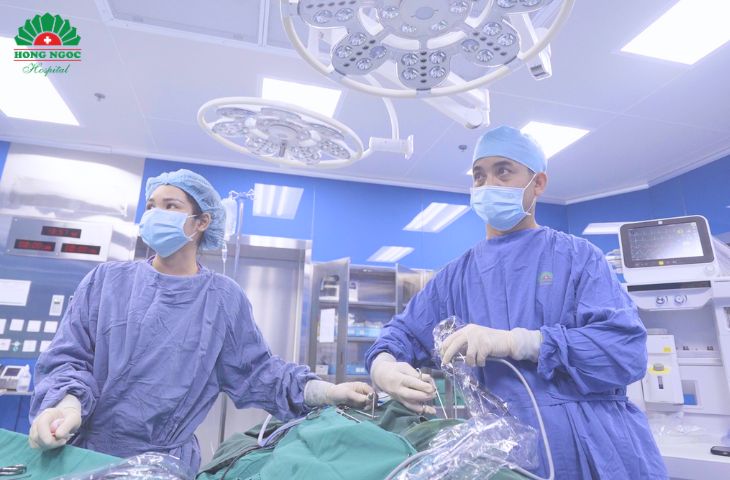
With a team of highly skilled and dedicated specialists, the Department of Otolaryngology (ENT) at Hong Ngoc General Hospital has long been a trusted destination for the diagnosis and treatment of sinus conditions.
Each year, the hospital treats thousands of patients with sinusitis of varying causes and severity, including many who have undergone multiple unsuccessful treatment courses elsewhere. By applying personalized treatment regimens tailored to each patient’s condition, the department aims to shorten treatment time, eliminate persistent symptoms, and restore clear, comfortable breathing.
Notably, the Department of Otolaryngology and Head & Neck Surgery at Hong Ngoc General Hospital has been awarded the global surgical accreditation by the Royal College of Surgeons (RCS), UK, affirming both the outstanding expertise of its medical team and the hospital’s modern infrastructure dedicated to patient care.
Contact Information
DEPARTMENT OF OTOLARYNGOLOGY (ENT) – HONG NGOC GENERAL HOSPITAL
- Address:
- No. 8 Chau Van Liem, Nam Tu Liem, Hanoi
- No. 55 Yen Ninh, Ba Dinh, Hanoi
- Hotline: 091.2002.131 – 0949.646.556
Note: The information provided in this article by Hong Ngoc General Hospital is for reference purposes only and should not be considered a substitute for professional medical diagnosis or treatment. To obtain an accurate assessment of your condition, please visit a reputable medical facility for direct consultation and a tailored treatment plan from qualified physicians.
Continue to expand your knowledge of ENT health by following the official ENT and Head & Neck Surgery fanpage – Hong Ngoc General Hospital.