



It is particularly prevalent among people living in urban areas, where severe air pollution increases the risk of sinus inflammation. This raises an important question: Can acute sinusitis heal on its own? Let’s explore the answer in the following article.
What is acute sinusitis?
Acute sinusitis is a short-term inflammation or infection of the paranasal sinuses, which are the air-filled cavities surrounding the nose. The condition usually occurs due to blockage or infection of the sinus drainage pathways.
According to clinical studies, inflammation with symptoms lasting about 4 to 6 weeks is classified as acute sinusitis, while cases with symptoms persisting for more than 12 weeks are considered chronic sinusitis.
This is a common medical condition, accounting for approximately 30 million primary care visits worldwide each year, with around 16% of adults affected. Children who attend daycare, have allergic tendencies, or weakened immune systems are more prone to acute sinusitis, especially following viral upper respiratory infections during seasonal changes.

If left untreated, the condition may progress to acute bacterial rhinosinusitis, which can adversely affect the child’s health.
What causes acute sinusitis?
There are three main causes leading to blockage and infection of the sinus drainage pathways:
1. Viral infection: In most community-acquired cases, acute sinusitis occurs due to viruses such as rhinovirus, influenza virus, or parainfluenza virus, especially in individuals with weakened immunity.
2. Bacterial infection: A smaller percentage of patients develop acute sinusitis from secondary bacterial infection. Common bacteria include Streptococcus pneumoniae, Haemophilus influenzae, Moraxella catarrhalis, and Staphylococcus aureus, which can invade and infect the sinus cavities.
3. Allergic rhinitis: Allergic rhinitis can contribute to acute sinusitis by causing nasal congestion and blocking sinus drainage, creating favorable conditions for viral or bacterial infection.
In addition to these main causes, several other factors may increase the risk of acute sinusitis:
- Nasal or sinus injury: Trauma to the nose or sinuses may allow pathogens to enter and cause infection. For example, a dental abscess from an upper molar can spread to the maxillary sinus.
- Irritants: Smoking or exposure to tobacco smoke can damage the immune system and reduce resistance to infection, making smokers more prone to sinusitis.
- Abnormal sinus structure: Anatomical variations such as a deviated or narrowed nasal septum can obstruct mucus drainage, leading to mucus retention and infection.
- Environmental factors: Exposure to allergens such as pollen, dust, chemicals, or air pollutants can irritate the nasal mucosa, cause congestion, and trigger acute sinusitis.
What are the symptoms of acute sinusitis?
Nasal congestion and impaired nasal breathing: One of the most common symptoms of acute sinusitis is nasal blockage and a feeling of obstruction. Patients often have difficulty breathing through the nose, resulting in reduced airflow and a nasal or muffled breathing sound.
Facial pain and sinus pressure: Acute sinusitis is often accompanied by pain and pressure in the sinus areas, particularly around the forehead and cheeks. Patients may experience headaches, facial tenderness, or a heavy sensation in these regions.

Nasal discharge and dry cough: Patients may have nasal discharge that is either thick and purulent or clear and watery. Postnasal drip can also trigger a persistent dry cough, especially at night.
Fatigue and general discomfort: Acute sinusitis can cause systemic symptoms such as fatigue, reduced energy, and an overall feeling of malaise, making it difficult for patients to focus or carry out daily activities.
Changes in taste and smell: Some patients report a reduced sense of smell or taste during an episode of acute sinusitis, as nasal congestion and inflammation interfere with the normal sensory pathways.
Reader may also be interested in:
- Pansinusitis: Everything you need to know
- 5 dangerous complications of sinusitis. How to prevent sinusitis complications?
Can acute sinusitis heal on its own?
In most cases, acute sinusitis can resolve on its own, especially when detected early and managed properly. With appropriate diagnosis and treatment, symptoms typically improve and the condition may resolve within 7 to 10 days. However, not all cases completely recover without medical intervention.
Several factors influence the likelihood of spontaneous recovery:
Severity of inflammation: If the infection becomes severe, with bacterial overgrowth and pus formation within the sinuses, the chance of self-recovery decreases. In such cases, medical intervention and antibiotic therapy are required to eliminate the infection.
Immune system strength: A strong immune system supports faster healing. Individuals with weakened immunity, such as the elderly, patients with diabetes, or those who are immunocompromised, often require a longer recovery period.
Proper treatment: Following the guidance of an otolaryngologist (ENT specialist) is crucial to accelerate recovery. Appropriate use of antibiotics (when prescribed), saline nasal sprays, pain relievers, and anti-inflammatory medications can help reduce symptoms and restore sinus function.
Patient compliance: Adherence to treatment and self-care is essential. Patients should maintain sinus hygiene, avoid harmful factors such as smoking or allergen exposure, and adopt a healthy lifestyle with a balanced diet, regular exercise, and sufficient rest to support the healing process.
However, in some cases, acute sinusitis does not resolve on its own or may recur even after adequate treatment. In such situations, the doctor may consider additional treatment options such as nasal catheter insertion, surgical intervention to relieve obstruction, or drainage of pus from the sinus cavity.
Patients experiencing symptoms of acute sinusitis that do not improve after 7 to 10 days of monitoring should promptly visit a reputable medical facility for proper evaluation and treatment by an ENT specialist.
📞 Book an appointment with ENT specialists via hotline: 0912.002.131 – 0949.646.556 Or register HERE for consultation and timely care.
Which conditions should be distinguished from acute sinusitis?
Acute sinusitis is a common condition in otolaryngology, but its symptoms may resemble those of several other diseases. Therefore, distinguishing it from similar conditions is essential for accurate diagnosis and effective treatment.
Distinguishing from viral rhinitis (common cold): Unlike acute sinusitis, viral rhinitis is usually accompanied by nasal congestion, runny nose, cough, and sore throat. These symptoms generally do not include facial pain or sinus pressure, which are characteristic features of acute sinusitis.

- Headache and migraine: Acute sinusitis often causes pain and pressure in the sinus areas, particularly around the forehead and cheeks. In contrast, headaches and migraines usually arise from other causes such as tension headaches or chronic migraine disorders. Migraine pain is typically throbbing or pulsating, may affect one side of the head, and is often accompanied by nausea, light sensitivity, or visual disturbances, rather than nasal congestion or discharge.
- Toothache and trigeminal neuralgia: Acute sinusitis can exert pressure on nearby structures, including the upper tooth roots and the trigeminal nerve, leading to sensations of tooth pain or facial nerve pain. However, this pain is usually accompanied by nasal congestion and discharge, which helps distinguish sinus-related pain from primary dental or neuralgic conditions.
To accurately differentiate between these conditions, it is essential for patients to undergo examination and consultation with an otolaryngologist (ENT specialist). The doctor will evaluate symptoms, review medical history, and may recommend additional diagnostic tests such as sinus X-ray or CT scan to establish an accurate diagnosis and develop an appropriate treatment plan.
How is acute sinusitis treated?
To achieve effective results in the treatment of acute sinusitis, patients should follow several important principles during management:
- Keep the nasal passages and sinus openings clean and clear
- Reduce inflammation
- Control infection
- Prevent complications
The primary approach to treating acute sinusitis is medical therapy:
Medication: Antibiotics are prescribed when there are signs of bacterial infection, such as amoxicillin, doxycycline, or cefuroxime. Pain relievers and anti-inflammatory drugs like ibuprofen or acetaminophen may also be used to alleviate discomfort and reduce inflammation.
Nasal sprays: Saline nasal sprays or corticosteroid sprays help cleanse the nasal passages, reduce swelling, and promote better sinus drainage.
Self-care: Maintain a clean living environment, avoid exposure to allergens and tobacco smoke, stay well-hydrated, and get adequate rest to support recovery and strengthen the immune system.
If medical treatment does not provide the desired results, surgical interventions may be considered, including:
Nasal catheterization: In a minor surgical procedure, the doctor inserts a small catheter through the nasal passage into the blocked sinus to drain mucus and restore normal airflow.
Surgical correction of obstruction: When sinus obstruction is caused by structural abnormalities or nasal polyps, surgery may be performed to remove the blockage and reconstruct the sinus anatomy, thereby improving drainage and preventing recurrence.
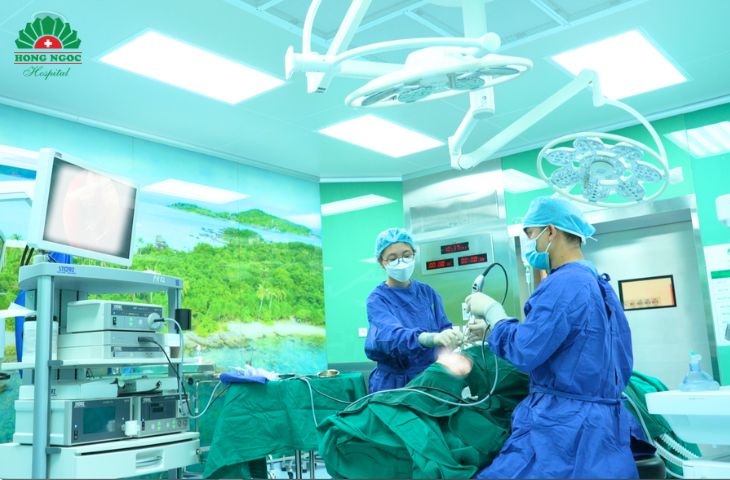
In cases of acute purulent sinusitis with severe infection, the doctor may perform a minor surgical procedure to drain pus from the affected sinus cavity. This intervention helps relieve symptoms quickly, reduce infection, and promote faster recovery for the patient.
The treatment process for acute sinusitis typically lasts 7 to 10 days, but may take longer in more severe cases.
Contact Information
Department of Otolaryngology (ENT) – Hong Ngoc General Hospital
Addresses:
- No. 8 Chau Van Liem, Nam Tu Liem District, Hanoi
- No. 55 Yen Ninh, Ba Dinh District, Hanoi
Hotline: 0912.002.131 – 0949.646.556
Note: The information provided by Hong Ngoc General Hospital is for reference purposes only and should not replace professional medical diagnosis or treatment. To accurately determine your condition, please visit a reputable medical facility for direct examination and consultation with a qualified physician.
Stay informed and enhance your knowledge about ENT and head–neck health by following the Official Fanpage of the Department of Otolaryngology and Head & Neck Surgery – Hong Ngoc General Hospital.