



Impaired blood circulation is a serious medical condition closely associated with cardiovascular disease. This state occurs when the vascular system fails to deliver adequate blood flow and essential nutrients to organs and tissues throughout the body. As a result, multiple health complications may arise, particularly those that significantly compromise cardiovascular function.
Common symptoms of impaired blood circulation
Impaired blood circulation may present with the following symptoms:
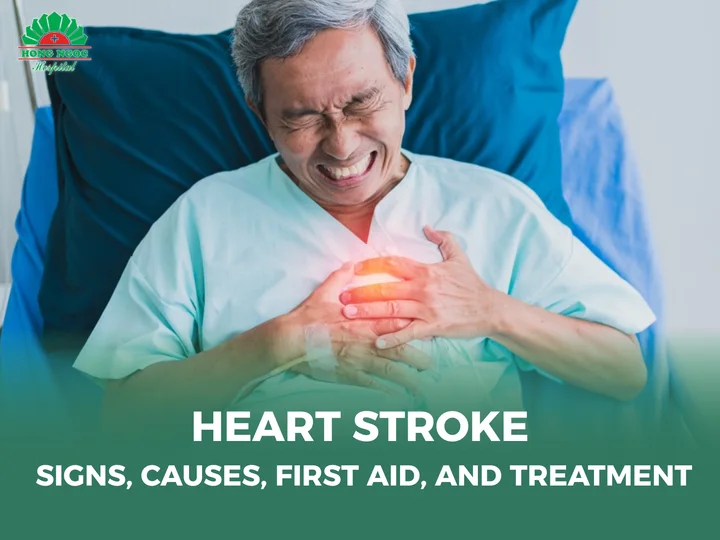
- Chest pain (angina): One of the most common manifestations is a sensation of pressure, tightness, heaviness, or discomfort in the chest. Angina may radiate to the left arm, neck, jaw, or back.
- Shortness of breath: Patients may experience dyspnea, rapid breathing, and easy fatigability, particularly during physical exertion.
- Fatigue: Reduced blood flow leads to inadequate oxygen and nutrient delivery to tissues, resulting in persistent fatigue and decreased energy levels.
- Dizziness and lightheadedness: Impaired circulation can reduce cerebral perfusion, causing dizziness, lightheadedness, or blurred vision. In more severe cases, patients may experience difficulty concentrating and memory impairment.
- Numbness and tingling in the extremities: Paresthesia is a common symptom of poor circulation. Some individuals may also report sharp, needle-like sensations in the fingers or toes.
- Cold hands and feet: Decreased peripheral blood flow may cause the extremities to feel unusually cold compared to other parts of the body.
- Peripheral edema: Poor circulation can result in fluid accumulation, particularly in the feet and ankles. Edema may also be a sign of underlying heart failure, in which the heart is unable to pump sufficient blood to meet the body’s demands.
- Digestive disturbances: Inadequate blood supply to the gastrointestinal tract may contribute to abdominal pain, diarrhea, constipation, or, in severe cases, gastrointestinal bleeding.
- Joint pain and muscle cramps: Insufficient circulation may cause discomfort in the joints of the arms and legs. Reduced oxygen and nutrient delivery to muscles can also lead to stiffness and cramping.
- Pale or bluish skin: When blood flow is compromised, the skin may appear pale or cyanotic, similar to findings observed in anemia or reduced oxygenation.

Causes of impaired blood circulation
Impaired blood circulation may result from multiple underlying conditions, most commonly cardiovascular disorders. Potential causes include:
Vascular obstruction
Obstruction of major blood vessels, including the coronary arteries, carotid arteries, and peripheral arteries of the lower extremities, is a primary cause of reduced blood flow. Such obstruction is typically associated with the accumulation of lipid deposits and atherosclerotic plaques along the arterial walls, a condition known as atherosclerosis.
Cardiovascular disease
Cardiovascular conditions such as coronary artery disease, myocardial infarction, and cardiac arrhythmias can significantly impair circulatory function. These disorders compromise the heart’s ability to pump effectively, resulting in inadequate delivery of oxygen and essential nutrients to tissues throughout the body.
Risk factors
Several modifiable risk factors may also contribute to impaired circulation, including cigarette smoking, diabetes mellitus, hypertension, hypercholesterolemia, obesity, and unhealthy dietary patterns.
Diagnosis and management of impaired blood circulation
To identify the underlying cause of impaired blood circulation, patients should seek evaluation at a qualified medical facility for comprehensive clinical assessment and risk factor screening. Initial evaluation includes detailed history taking and physical examination to assess symptoms and cardiovascular risk profile.
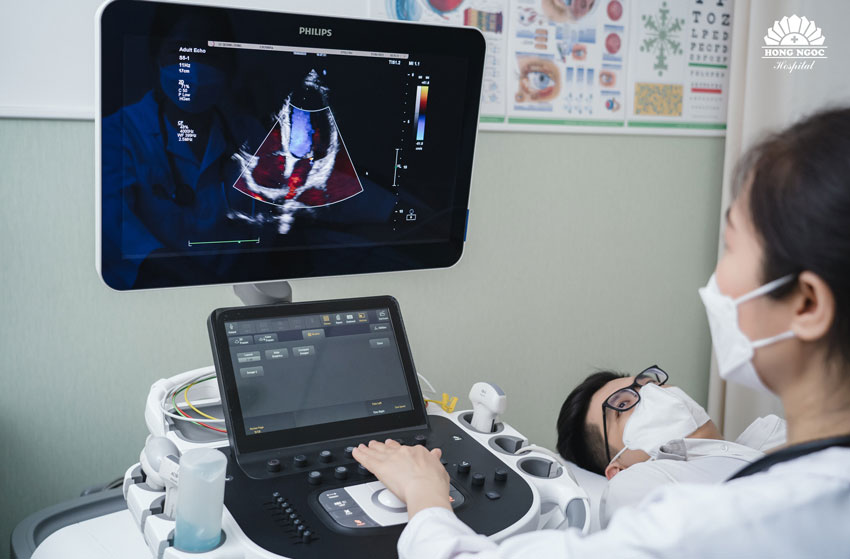
Depending on the patient’s clinical presentation, physicians may recommend further diagnostic investigations, including blood tests, Doppler ultrasound studies, cardiovascular assessments such as electrocardiography or echocardiography, and chest X ray imaging.
The management of impaired blood circulation associated with cardiovascular disease requires identification of the underlying cause and assessment of disease severity in order to determine an appropriate treatment strategy.
Treatment options may include:
Pharmacological therapy
Physicians may prescribe medications such as anticoagulants or antiplatelet agents, lipid lowering drugs including statins, antihypertensive agents, and vasodilators to improve blood flow and reduce cardiovascular risk.
Lifestyle modification
Lifestyle modification is a fundamental component of managing impaired circulation. Patients are advised to adopt a heart healthy diet, engage in regular physical activity, cease smoking, limit alcohol consumption, and maintain a healthy body weight.
Interventional and surgical procedures
In severe cases, interventional procedures such as angioplasty and stent placement, or vascular surgery including bypass procedures, may be required to relieve arterial obstruction and restore adequate blood flow.
Reader may also be interested in:
Stroke: Early prevention helps reduce the risk of severe complications
Prevention of impaired blood circulation

Preventing impaired blood circulation associated with cardiovascular disease is essential for maintaining overall health and reducing the risk of related complications. Below are several recommended preventive measures:
- Maintain a healthy lifestyle: Adopting a balanced diet, engaging in regular physical activity, and avoiding tobacco use are fundamental measures for preserving cardiovascular health.
- Controlling cardiovascular risk factors Effective management of conditions such as diabetes mellitus, hypertension, and hypercholesterolemia through regular monitoring and physician directed treatment is essential to reduce the risk of circulatory impairment.
- Undergo routine health screening: Periodic medical examinations, including blood tests and cardiovascular assessments, facilitate early detection of circulatory abnormalities and underlying heart disease.
- Manage stress effectively: Stress reduction strategies such as yoga, meditation, and regular exercise may contribute to improved vascular health and reduced cardiovascular risk.
- Monitor body weight and BMI: Maintaining a healthy body weight and body mass index within the recommended range is an important factor in lowering the risk of impaired blood circulation.
Understanding the symptoms, causes, treatment options, and preventive measures related to impaired blood circulation enables individuals to take a more proactive approach to protecting their own health and that of their families. However, this article is intended for informational purposes only. Individuals experiencing characteristic symptoms should seek prompt evaluation at a qualified medical facility to obtain an accurate diagnosis and an appropriate, personalized treatment plan.
Schedule a consultation with a cardiovascular specialist here
Note: The information provided in this article by Hong Ngoc General Hospital is for reference purposes only and does not replace professional medical diagnosis or treatment. Patients should not self medicate or purchase medications without medical supervision.
For an accurate assessment of their condition, individuals are advised to seek evaluation at a qualified medical facility, where physicians can conduct a direct examination, establish a definitive diagnosis, and recommend an appropriate treatment plan.
Follow the official Facebook page of Hong Ngoc General Hospital here for more useful health information.