




Improving cerebral blood circulation helps reduce vascular obstruction and enhance blood flow to the brain, thereby supporting optimal brain function and lowering the risk of neurological disorders.
What is cerebral blood circulation?
Cerebral blood circulation refers to the process by which oxygen-rich blood and essential nutrients are delivered to the brain while metabolic waste products are removed. This process ensures efficient blood supply and circulation to brain cells, enabling them to maintain normal neurological function.
During cerebral circulation, blood is pumped from the heart through the arterial system. Oxygenated blood carrying vital nutrients is transported to brain cells, providing the energy and substances required for their function. After delivering oxygen and nutrients, the blood collects metabolic waste products and carbon dioxide through the venous network and returns to the heart to be reoxygenated and replenished with nutrients.
Cerebral blood circulation is critically important because the brain is a highly metabolically active organ that requires a continuous supply of oxygen and nutrients. Adequate cerebral perfusion supports cognitive performance, memory, thermoregulation, and coordination of essential physiological functions. When cerebral circulation is impaired, it can lead to neurological dysfunction, manifesting as headaches, memory impairment, language disturbances, and in more severe cases, cerebrovascular events such as stroke.
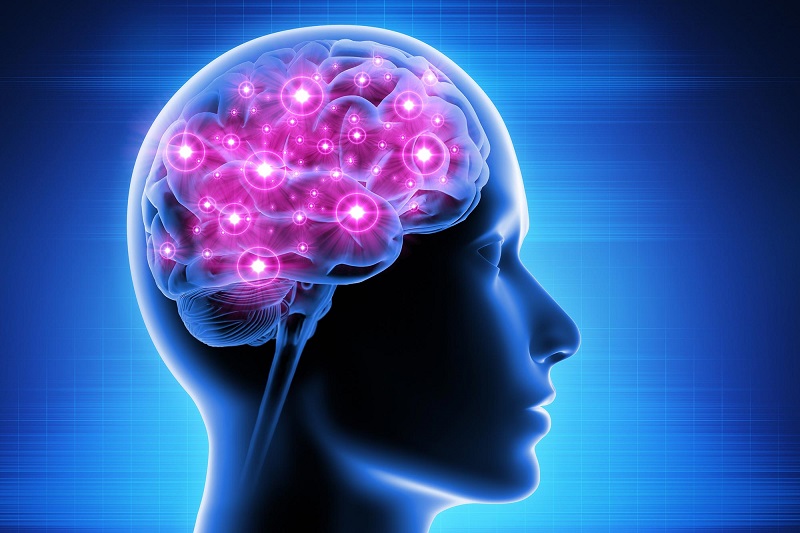
Mechanism of cerebral blood circulation
The mechanism of cerebral blood circulation is a complex physiological process designed to ensure a continuous supply of blood and nutrients to the brain while removing metabolic waste products. The following outlines the main mechanisms involved in cerebral circulation:
Cerebral vascular system
The brain receives its blood supply through a complex vascular network consisting of arteries and veins. Arteries deliver oxygenated blood and essential nutrients to different regions of the brain, while veins drain blood carrying metabolic waste products away from brain tissue. Smaller vessels, known as cerebral microvasculature, ensure that blood reaches every region and individual brain cell.
Regulation of cerebral blood flow
Cerebral circulation is dynamically regulated to meet the metabolic demands of the brain under different conditions. When the brain requires increased perfusion such as during concentration, cognitive activity, or in response to stimuli cerebral arteries dilate to increase blood flow. Conversely, when metabolic demand decreases, these vessels may constrict to reduce cerebral blood flow.
Autoregulation of blood flow
Cerebral arteries possess the ability to regulate blood flow to specific brain regions through a mechanism known as cerebral autoregulation. This process involves vasodilation and vasoconstriction of the vascular walls, modulation of blood pressure, and responses to vasoactive substances such as endothelin and nitric oxide. These mechanisms help maintain balanced cerebral perfusion according to functional demands in different brain regions.
Delivery of oxygen and nutrients
Blood supplies oxygen and essential nutrients, particularly glucose, to brain cells and tissues. Oxygen is crucial for maintaining neuronal cellular function, while glucose serves as the primary energy source for brain metabolism.
Removal of metabolic waste
In addition to delivering nutrients, cerebral circulation also facilitates the removal of metabolic waste products from the brain. Waste substances are transported from brain tissue into the venous system and subsequently eliminated through systemic circulation and physiological excretory pathways.
Reader may also be interested in:
- Stroke: Early prevention helps reduce the risk of severe complications
- Low blood pressure: Hidden risks that should not be overlooked
Cerebral blood circulation is therefore a critically important physiological process for maintaining normal brain function and overall neurological health.
How dangerous is impaired cerebral blood circulation?
Obstruction of cerebral blood circulation is a serious medical condition that can lead to significant consequences for both brain health and overall neurological function. When an artery becomes blocked, blood is unable to flow through the affected vessel, resulting in reduced oxygen and nutrient supply to the corresponding region of the brain. This disruption can lead to several complications, including:

- Stroke: Obstruction of cerebral blood circulation is a major cause of stroke. When a region of the brain is deprived of blood supply for an extended period, brain cells begin to become damaged and die. This can lead to symptoms such as loss of mobility, sensory deficits, speech difficulties, memory impairment, and vision loss. Stroke can have severe consequences, including permanent disability or even death.
- Cerebral ischemia: Reduced oxygen and nutrient supply caused by impaired cerebral circulation may be insufficient to sustain normal brain function. This condition can manifest as headaches, dizziness, memory problems, language disturbances, and difficulty concentrating. Prolonged cerebral ischemia may also impair cognitive performance and overall neurological function.
- Decline in brain function: Persistent obstruction of cerebral circulation can result in progressive neuronal damage and loss of brain cell function, leading to broader neurological impairment. Patients may experience memory loss, reduced concentration, language disorders, mood changes, and difficulty performing daily activities.
- Death: In severe cases of untreated cerebral circulatory obstruction, prolonged deprivation of oxygen and nutrients to the brain may ultimately result in death.
Obstruction of cerebral blood circulation is a medical emergency that requires immediate medical attention. If you or someone nearby develops symptoms suggestive of stroke or impaired cerebral circulation, emergency medical services should be contacted immediately. Early treatment can significantly improve outcomes and reduce the risk of severe complications.
Symptoms of impaired cerebral blood circulation
The symptoms of impaired cerebral blood circulation may vary depending on the location, extent, and severity of the obstruction. The following are some common symptoms that may occur in this condition:
Loss of sensation or paralysis
Part of the body may become numb or paralyzed. This often affects one side of the body, such as the face, arm, or leg.
Speech difficulties or language impairment
Individuals with impaired cerebral circulation may experience difficulty speaking or understanding language. They may struggle to find the right words or produce unclear or incoherent speech.
Vision loss or visual disturbances
Obstruction of cerebral blood flow may lead to partial or complete vision loss. Patients may experience blurred vision, difficulty seeing objects clearly, or sudden loss of vision.
Loss of balance or difficulty moving
Patients may have difficulty maintaining balance and coordinating movements. They may feel unsteady, have trouble walking, or find it difficult to perform routine daily activities.
Severe headache
Impaired cerebral circulation may cause intense headaches, often accompanied by symptoms such as nausea, vomiting, or visual disturbances.

Cognitive impairment
Obstruction affecting certain regions of the brain may lead to cognitive dysfunction. Individuals may experience difficulty concentrating, recognizing information, processing thoughts, and may exhibit changes in thinking ability or level of awareness.
If you or someone nearby develops symptoms suggestive of impaired cerebral blood circulation, emergency medical services should be contacted immediately. Prompt medical intervention can improve clinical outcomes and reduce the risk of brain injury.
Risk factors for impaired cerebral blood circulation
Several risk factors may increase the likelihood of developing obstruction of cerebral blood circulation. Recognizing and understanding these factors can help individuals take appropriate preventive measures. The following are some of the major risk factors:
- Hypertension: High blood pressure is one of the most significant risk factors for impaired cerebral blood circulation. Persistent hypertension can damage and weaken blood vessels, increasing the likelihood of blood clot formation and arterial blockage.
- Cardiovascular disease: Conditions such as atherosclerosis, valvular heart disease, and previous myocardial infarction may increase the risk of cerebral circulatory obstruction. Narrowed or blocked arteries can reduce blood flow to the brain.
- Diabetes mellitus: Individuals with diabetes have a higher risk of developing impaired cerebral circulation. Abnormal blood glucose levels and vascular dysfunction associated with diabetes can damage cerebral blood vessels and promote clot formation.
- Smoking: Tobacco use, including both traditional cigarettes and electronic cigarettes, is a major risk factor for impaired cerebral blood circulation. Chemical substances in tobacco can damage blood vessels and increase the risk of thrombosis.
- Hyperlipidemia: Elevated blood lipid levels, particularly low-density lipoprotein (LDL) cholesterol, can accumulate within arterial walls and contribute to the formation of plaques and blood clots, leading to reduced cerebral blood flow.
- Excessive alcohol consumption: Heavy alcohol intake can increase the risk of impaired cerebral circulation by affecting blood pressure regulation, coagulation mechanisms, and overall cardiovascular health.
In addition, factors such as advancing age, male sex (which is associated with a higher risk), genetic predisposition, obesity, insulin resistance, dyslipidemia, and several other conditions may also increase the risk of impaired cerebral blood circulation.
Individuals with high-risk profiles should undergo regular medical check-ups and consult with physicians to establish appropriate preventive strategies and individualized management plans.
Benefits of improving cerebral blood circulation
Enhancing cerebral blood circulation provides several important benefits for brain health and neurological function:
- Improved oxygen and nutrient delivery: Oxygen-rich blood and essential nutrients are delivered to brain cells and tissues. Oxygen is vital for maintaining neuronal function, while nutrients supply the energy required for normal brain activity. Adequate cerebral circulation helps sustain proper brain function and supports healthy brain development.
- Enhanced cognitive performance: When cerebral blood flow is optimal, the brain receives sufficient energy and nutrients to function efficiently. Improved cerebral circulation may enhance concentration, intellectual performance, thinking ability, and overall cognitive function, contributing to better performance in work, study, and daily activities.
- Stimulation of creativity and imagination: Healthy cerebral circulation may support creative thinking and imagination. Adequate oxygen and nutrient supply enables the brain to generate new ideas, foster creative thinking, and improve problem-solving abilities.
- Reduced risk of stroke: Improved cerebral circulation may lower the risk of cerebrovascular events such as stroke. Efficient blood flow helps prevent the formation of blood clots and arterial obstruction, thereby protecting the brain from vascular damage.
- Improved alertness and mental well-being: Adequate blood flow to the brain can enhance alertness and mental clarity. When the brain receives sufficient oxygen, it functions more effectively, helping individuals feel more awake, refreshed, and mentally positive.
- Support for overall health: Healthy cerebral circulation is an important component of overall physiological health. Improved cerebral blood flow may contribute to better cardiovascular function, support blood pressure regulation, reduce the risk of cardiovascular disease, and promote general well-being.
7 simple ways to improve cerebral blood circulation
Below are several methods that can help enhance cerebral blood circulation:
Engage in regular physical exercise
Regular physical activity, such as aerobic exercise, swimming, jogging, or brisk walking, can help improve cerebral blood circulation. Exercise increases blood flow to the brain and enhances the delivery of oxygen and essential nutrients to brain tissue. It is recommended to maintain at least 30 minutes of physical activity each day.

Maintain a healthy diet
A balanced and nutrient-rich diet can support healthy cerebral blood circulation. Increase the intake of antioxidant-rich foods such as fresh fruits, green vegetables, nuts, salmon, and olive oil. Limit foods high in saturated fat and cholesterol, and reduce the consumption of sugar and salt.
Manage stress effectively
Stress and psychological strain may negatively affect cerebral blood circulation. Practicing stress-reduction techniques such as yoga, meditation, relaxation exercises, or engaging in enjoyable recreational activities can help reduce stress and improve cerebral blood flow.
Perform exercises that stimulate brain circulation
Certain exercises are designed to promote cerebral blood circulation. Activities such as push-ups, calf muscle exercises, arm-strengthening exercises, and yoga may help enhance blood flow to the brain.
Keep the body warm
Maintaining body warmth is important for supporting healthy blood circulation. Wear adequate clothing in cold weather and avoid prolonged exposure to extremely cold or excessively hot environments.
Avoid smoking and addictive substances
Smoking and exposure to addictive substances such as excessive alcohol or illicit drugs can impair cerebral circulation. Avoiding or minimizing exposure to these substances can help protect vascular and neurological health.
Control other risk factors
Managing conditions such as hypertension, diabetes mellitus, and hypercholesterolemia can help protect cerebral circulation. Patients should follow medical advice and adhere to appropriate treatment for these conditions.
Improving cerebral blood circulation is a long-term process that requires consistency and patience. Maintaining a healthy lifestyle and making gradual changes to daily habits can significantly support brain health and vascular function.
Note: The information provided above is for general reference purposes only and does not replace professional medical advice. If you experience any symptoms or concerns related to cerebral circulation, consult a physician for appropriate evaluation and treatment.

The cardiology department at Hong Ngoc General Hospital is a trusted destination for cardiovascular care. With a team of highly experienced physicians and advanced medical equipment, the department is capable of accurately detecting conditions related to impaired cerebral blood circulation and providing the most appropriate and effective treatment strategies, while offering dedicated consultation and personalized care for each patient.
Register here to receive consultation and schedule an examination with cardiology specialists at Hong Ngoc General Hospital.
Note: The information provided in articles published by Hong Ngoc General Hospital is for reference purposes only and does not replace professional medical diagnosis or treatment. Patients should not self-medicate without medical supervision. To obtain an accurate diagnosis and appropriate treatment plan, individuals should visit a medical facility for direct evaluation and consultation with a qualified physician.
Follow the official fanpage of Hong Ngoc General Hospital for more useful health information.