


Prolonged hot weather is not the only cause of stroke, but it may increase the risk of cardiovascular events and cerebrovascular accidents, especially in older adults, people with hypertension, cardiovascular disease, diabetes, kidney disease, a history of stroke, or those who have to work outdoors for long periods.
In hot weather, the body is more prone to dehydration, electrolyte imbalance, blood pressure fluctuations, and increased cardiac workload as it tries to dissipate heat. These factors may increase the risk of stroke in people with pre-existing risk factors. Therefore, during summer or extreme heat waves, maintaining appropriate hydration, avoiding peak heat exposure, monitoring blood pressure, and recognizing early signs of stroke are especially important.
Quick answer: Hot weather may increase the risk of stroke through dehydration, increased blood viscosity, electrolyte imbalance, blood pressure fluctuations, and greater cardiovascular strain. Older adults, people with hypertension, cardiovascular disease, diabetes, kidney disease, or a history of stroke should be particularly cautious. If BE-FAST warning signs occur, such as loss of balance, sudden blurred vision, facial drooping, arm or leg weakness, or difficulty speaking, emergency services should be called immediately.

Professional consultation: Nguyen Duc Manh, MD, Specialist Level II - General Internal Medicine Department, Hong Ngoc - Phuc Truong Minh General Hospital. Last updated: May 20, 2026.
Quick summary of the article
- Prolonged hot weather may increase the risk of cardiovascular events and stroke, especially in older adults, people with hypertension, cardiovascular disease, diabetes, kidney disease, or a history of stroke.
- The mechanism is often related to dehydration, increased blood viscosity, electrolyte imbalance, blood pressure fluctuations, and greater cardiovascular strain.
- Warning signs of a suspected stroke that require emergency care include loss of balance, sudden blurred vision, facial drooping, weakness or numbness on one side of the body, difficulty speaking, a severe headache, or confusion.
- When stroke is suspected, emergency services should be called immediately. Do not wait for the patient to rest longer, do not drive the patient to the hospital by yourself, and do not give medication, food, or water if the patient is confused or drowsy.
- To reduce the risk during hot weather, people should maintain appropriate hydration, avoid peak heat exposure, monitor blood pressure, take medications as prescribed, limit alcohol intake, and take regular breaks when working outdoors.
- People with cardiovascular disease, hypertension, diabetes, kidney disease, or a history of stroke should ask their doctor about a monitoring plan during heat waves.
Can hot weather increase the risk of stroke?
Yes. Prolonged hot weather does not directly cause stroke in everyone, but it may increase the risk of cerebrovascular events in older adults, people with underlying cardiovascular disease, hypertension, diabetes, kidney disease, dyslipidemia, a history of stroke, or risk-related lifestyle factors such as smoking or heavy alcohol consumption. However, it is important to understand that hot weather usually acts as a triggering factor, not the sole cause of stroke in all cases.
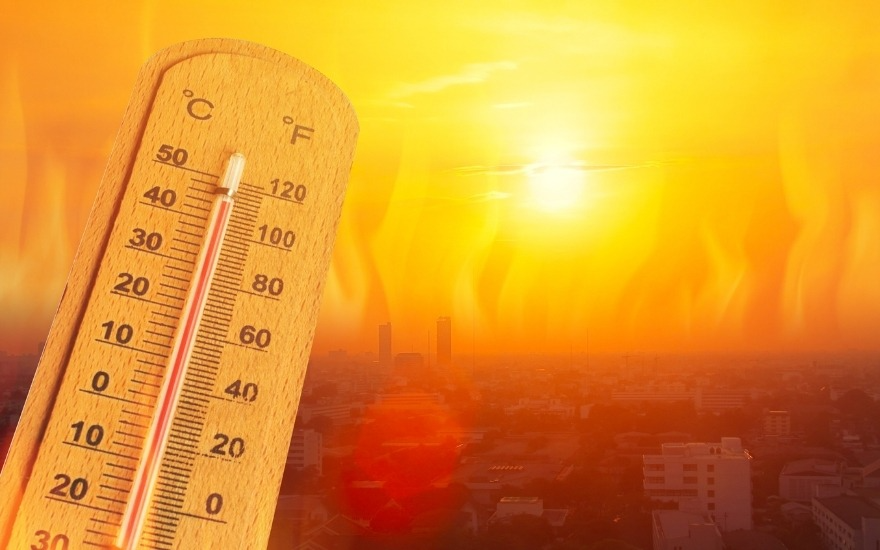
When ambient temperatures rise, the body has to increase heat dissipation through sweating and increased blood flow to the skin. If fluids are not replaced appropriately, patients may become dehydrated, blood may become more concentrated, blood pressure may fluctuate, and the heart may have to work harder. These factors may increase the risk of cerebrovascular events in people who already have underlying risk factors.
According to the World Health Organization (WHO), heat can worsen cardiovascular disease, respiratory disease, diabetes, and other chronic conditions. Therefore, people with underlying medical conditions should be especially cautious during prolonged periods of hot weather.
Why can hot weather increase the risk of stroke?
Hot weather can affect the cardiovascular and circulatory systems through multiple mechanisms. These mechanisms often do not occur in isolation but may interact with one another, especially in older adults or people with underlying medical conditions.
Dehydration makes the blood more concentrated
In hot weather, the body increases sweating to cool itself down. If fluids are not adequately replaced, circulating blood volume may decrease and the blood may become more concentrated. In people with atherosclerosis, atrial fibrillation, cardiovascular disease, or a history of stroke, this condition may increase the risk of vascular events.
Signs of dehydration may include:
- Dry mouth and excessive thirst.
- Dark-colored urine.
- Reduced urination.
- Dizziness when standing up.
- Severe fatigue or headache.
According to dietary reference recommendations, total water intake from beverages and foods in healthy adults is generally about 2.7 liters per day for women and 3.7 liters per day for men. However, actual needs vary depending on weather conditions, physical activity, sweat loss, underlying medical conditions, and current medications. People with heart disease, kidney disease, liver failure, or those advised to restrict fluids should ask their doctor about the appropriate amount of fluid intake.
The cardiovascular system can become overloaded in hot weather
To dissipate heat, the body increases blood flow to the skin and peripheral tissues. This causes the heart to pump faster and work harder than usual.
In people with:
- Hypertension.
- Coronary artery disease.
- Heart failure.
- Cardiac arrhythmias.
- A history of stroke or transient ischemic attack.
the cardiovascular system may have more difficulty adapting to prolonged heat stress. This increases the risk of cardiovascular events and stroke during summer.
Blood pressure may fluctuate more easily in hot weather
Many people think hot weather only causes blood pressure to drop, but in reality, blood pressure may fluctuate in different directions.
Some people may develop low blood pressure due to dehydration.
Some people may experience elevated blood pressure due to heat stress, sleep deprivation, or increased cardiac workload as the body tries to dissipate heat.
People taking diuretics or cardiovascular medications may be more prone to fluid imbalance.
Sudden changes in blood pressure may increase the risk of cardiovascular events, such as myocardial infarction or stroke, in people with underlying medical conditions.
People with hypertension should note the following:
Do not reduce the dose or stop antihypertensive medications on your own during hot weather.
Measure blood pressure regularly during heat waves.
Limit salt intake, avoid alcohol, and maintain appropriate hydration according to your health status.
Seek medical evaluation if blood pressure fluctuates significantly, dizziness persists, headache worsens, or abnormal symptoms occur.
Electrolyte imbalance affects the nervous and cardiovascular systems
Heavy sweating causes the body to lose both fluid and electrolytes such as sodium and potassium. When electrolyte imbalance occurs, patients may develop:
- Dizziness.
- Severe fatigue.
- Muscle cramps.
- A rapid heartbeat.
- Confusion.
In older adults or people with underlying medical conditions, prolonged electrolyte imbalance may worsen cardiovascular disease, kidney disease, or neurological disorders.

Who is at higher risk of stroke during hot weather?
Certain groups are more vulnerable to the effects of hot weather because of impaired thermoregulation, pre-existing medical conditions, current medications, or prolonged heat exposure.
Older adults
People over the age of 65 often have a reduced ability to regulate body temperature, and their thirst sensation may also be weaker than that of younger people. This makes them more likely to become dehydrated without realizing it.
During prolonged heat waves, families should check on older adults regularly, ensure that their rooms are well ventilated and equipped with a fan or air conditioning if available, and monitor their blood pressure, food and fluid intake, and level of alertness.
People with hypertension or cardiovascular disease
This group is more likely to experience blood pressure fluctuations and cardiovascular overload when ambient temperatures rise.
If patients are taking antihypertensive medications, diuretics, or cardiovascular medications, they should not stop or reduce the dose on their own, as this may increase the risk of cardiovascular events and stroke.
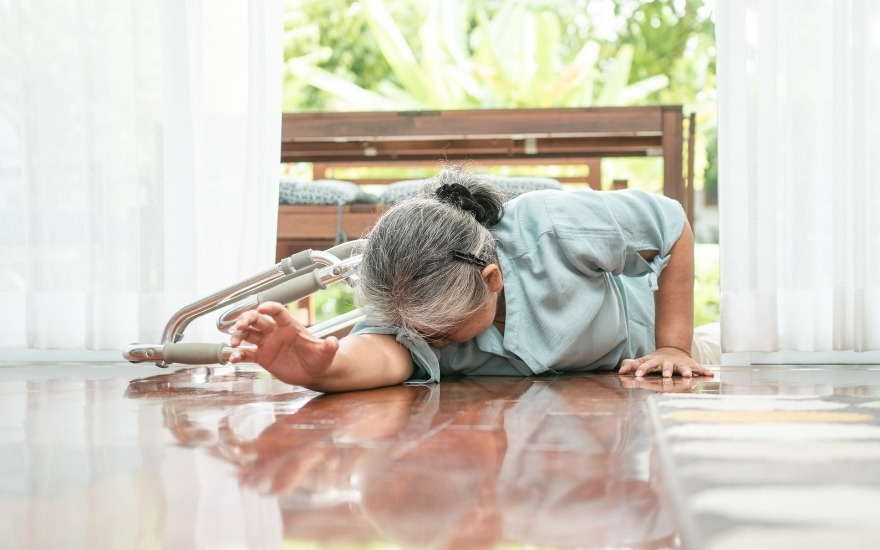
Hot weather can make the heart of an older adult work beyond its capacity.

People with diabetes
Diabetes may affect the body’s ability to regulate temperature and increase the risk of dehydration. Certain diabetes medications may also make the body more prone to fluid loss in hot weather.
Patients should monitor their blood glucose regularly, maintain appropriate hydration, and avoid prolonged dehydration.
People with a history of stroke or transient ischemic attack
People with a history of stroke or transient ischemic attack should be especially cautious during hot weather, as dehydration, blood pressure fluctuations, or medication nonadherence may increase the risk of recurrence.
This group should:
- Take medications exactly as prescribed.
- Monitor blood pressure.
- Avoid going outdoors during peak heat.
- Attend follow-up appointments as scheduled.
- Ask their doctor about a prevention plan during prolonged heat waves.
Outdoor workers
Delivery workers, construction workers, drivers, farmers, or people who exercise outdoors are at higher risk because of prolonged heat exposure.
If headache, dizziness, a rapid heartbeat, or severe fatigue occurs while working outdoors, the person should rest in a cool, well-ventilated place, rehydrate early, and avoid continuing to work through the symptoms.

Warning signs of stroke that require emergency care
Stroke is a medical emergency. When a stroke is suspected, emergency services should be called immediately so that the patient can be taken to a hospital capable of providing appropriate acute stroke management. Do not wait for the patient to rest longer or attempt home treatment.
Recognizing stroke using the BE-FAST rule
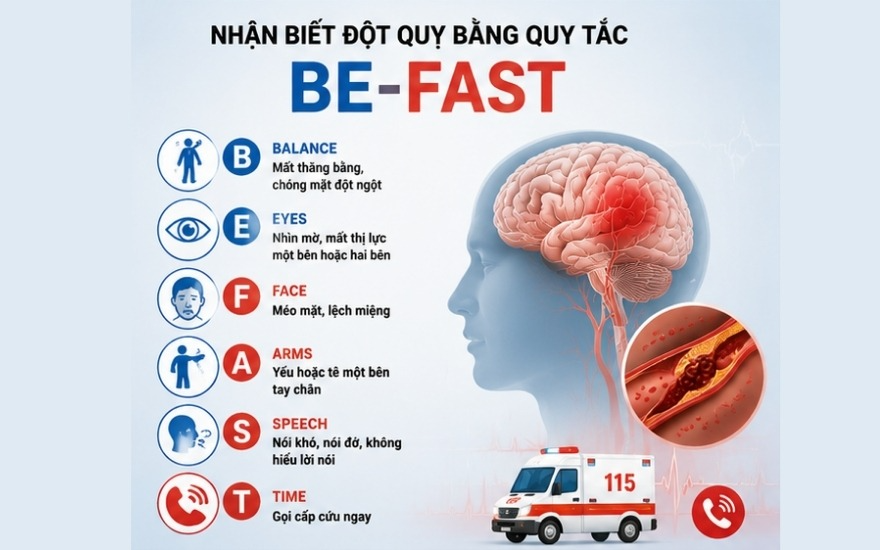
Facial drooping and difficulty speaking
Patients may have slurred speech, difficulty articulating words, inability to understand speech, or inappropriate responses to questions. These are signs of neurological injury and require immediate emergency care.
Weakness or numbness on one side of the body or limbs
Sudden weakness or numbness on one side of the body is a typical sign of stroke.
Patients may experience:
- Weak grip strength.
- Unsteady gait.
- Inability to lift an arm or leg.
- Dropping objects from the hand.
Sudden blurred vision, loss of balance, or dizziness
Stroke may cause blurred vision, sudden vision loss, severe dizziness, or loss of balance. These symptoms are especially concerning if they appear suddenly and are accompanied by difficulty speaking, limb weakness, a severe headache, or confusion.
Severe headache, vomiting, or confusion
If a headache occurs suddenly, is severe, and is accompanied by vomiting, blurred vision, unsteady walking, confusion, or loss of consciousness, the patient should be taken to the hospital immediately, as this may be related to hemorrhagic stroke or another neurological emergency.
Confusion or loss of consciousness
Altered consciousness is a dangerous sign indicating that the brain may be severely affected. Do not wait for the patient to “rest and feel better,” especially if there has been prolonged heat exposure, dehydration, or abnormal blood pressure beforehand.
What should not be done when stroke is suspected?
When stroke is suspected, inappropriate management may delay the golden treatment window or expose the patient to additional risks, such as aspiration, low blood pressure, bleeding, or drug interactions.
- Do not wait for the patient to rest longer for “observation”: Stroke requires emergency care as soon as possible. Delays may reduce the chance of effective treatment.
- Do not drive the patient to the hospital yourself if emergency services can be called: An ambulance can provide initial support and transport the patient to an appropriate medical facility.
- Do not give antihypertensive medication, anticoagulants, aspirin, or traditional remedies on your own: Some strokes are caused by bleeding in the brain, and inappropriate medication use may be dangerous.
- Do not give food or water if the patient is confused, vomiting, has difficulty swallowing, or has difficulty speaking: The patient may be at risk of aspiration into the airway.
- Do not perform coin rubbing, prick the fingertips to draw blood, or apply folk remedies: These methods do not treat stroke and may delay emergency care.
- Do not assume the condition is only heat-related illness or low blood pressure if BE-FAST signs are present: Hot weather may occur alongside stroke, heatstroke, or cardiovascular disturbances, and urgent medical assessment is required.

How to reduce the risk of stroke during hot weather
Prevention during hot weather should focus on reducing dehydration, limiting heat stress, controlling blood pressure, taking medications as prescribed, and recognizing abnormal signs early.
Maintain appropriate hydration and do not wait until you feel thirsty
Many people only drink water when they feel thirsty, but in older adults, thirst sensation may decline. As a result, the body may become dehydrated silently on hot days.
Appropriate hydration measures include:
- Drink enough water and divide fluid intake several times throughout the day instead of waiting until thirst occurs.
- Increase fluid intake appropriately when exercising outdoors or sweating heavily.
- Oral rehydration solutions may be used in some cases of heavy sweating, but they should not be overused in people with heart or kidney disease.
- Limit carbonated soft drinks and alcohol, as they may worsen dehydration or affect blood pressure.
Pale yellow urine often suggests better hydration than dark-colored urine. However, people with heart disease, kidney disease, liver failure, or those advised by their doctor to restrict fluids should ask their doctor about the appropriate amount of fluid intake.
Limit outdoor exposure during peak heat hours
Outdoor temperatures are usually highest around midday and in the early afternoon. This is also when the risk of dehydration, heatstroke, and cardiovascular events may increase.
If going outdoors is unavoidable:
- Wear a wide-brimmed hat.
- Wear light-colored, breathable clothing.
- Take frequent breaks.
- Carry drinking water.
- Avoid working continuously under direct sunlight.
- Stop immediately if dizziness, headache, a rapid heartbeat, or severe fatigue occurs.
Do not take a cold shower immediately after sun exposure
Many people have the habit of taking a cold shower immediately after returning from being outdoors in the sun. A sudden temperature change may cause blood vessels to constrict and place stress on the cardiovascular system, especially in older adults or people with cardiovascular disease.
After sun exposure, people should:
- Rest in a cool, well-ventilated place.
- Wipe away sweat.
- Drink small sips of water if they are alert and not vomiting.
- Allow the body to cool down gradually before showering with moderately cool water.

Monitor blood pressure regularly during hot weather
People with hypertension should:
- Measure blood pressure regularly.
- Take medications as prescribed.
- Do not reduce the dose or stop medications on their own.
- Attend follow-up appointments as scheduled.
- Record blood pressure readings if abnormal fluctuations occur.
If blood pressure fluctuates significantly, headache persists, dizziness occurs frequently, or chest pain, shortness of breath, or palpitations develop, medical evaluation should be sought early.
Continue medications for underlying medical conditions
People with hypertension, diabetes, dyslipidemia, cardiovascular disease, or a history of stroke should take medications exactly as prescribed. They should not stop taking medications on their own because of hot weather, reduced food intake, fatigue, or temporary changes in blood pressure.
If dizziness, low blood pressure, reduced urination, excessive thirst, or unusual fatigue occurs during hot weather, patients should contact their doctor for safe adjustment rather than changing medications by themselves.
Get enough sleep and avoid prolonged stress
Sleep deprivation and stress can cause blood pressure fluctuations, increase heart rate, and reduce the ability to control underlying medical conditions. During prolonged heat waves, people with underlying conditions should maintain:
- Regular sleep.
- A balanced diet.
- Avoidance of overexertion outdoors.
- Limited alcohol intake.
- Rest in a cool place.
Take breaks when working outdoors
Outdoor workers should divide work into shorter periods, rest in shaded areas, and drink water regularly. They should not continue working continuously if dizziness, headache, nausea, a rapid heartbeat, or severe fatigue occurs.
If confusion, incoherent speech, fainting, seizures, or a very high body temperature occurs, heatstroke should be suspected and emergency services should be called.
Common mistakes during summer
Drinking water only when feeling thirsty
Thirst is a sign that the body has already begun to lose fluid. In older adults, thirst sensation may decline, making the risk of dehydration even higher. Water should be consumed regularly throughout the day and adjusted according to physical activity level, weather conditions, and underlying medical conditions.
Reducing antihypertensive medication without medical guidance
Some people worry about low blood pressure during hot weather and reduce their medication dose on their own. This may cause blood pressure to become uncontrolled and increase the risk of stroke. Any medication adjustment should be made under a doctor’s guidance.
Drinking excessive alcohol to “cool down”
Alcohol does not help cool the body. Instead, it may accelerate dehydration and affect blood pressure, heart rhythm, and sleep quality.
Exercising outdoors during peak heat hours
Exercise is beneficial for health, but exercising outdoors in high temperatures may increase the risk of dehydration, heat exhaustion, or heatstroke. It is better to exercise early in the morning, in the cooler late afternoon, or in a well-ventilated indoor space.
Ignoring transient stroke-like symptoms
Some symptoms, such as limb weakness, difficulty speaking, blurred vision, or dizziness, may be transient and resolve on their own. These may be signs of a transient ischemic attack and still require early medical evaluation, as the risk of a subsequent stroke may increase.
When should medical evaluation be sought?
A consultation with a general internal medicine, cardiology, or neurology specialist is recommended if risk factors or abnormal symptoms occur during hot weather.
Call emergency services immediately if stroke is suspected
Emergency services should be called immediately if the patient develops:
- Facial drooping.
- Weakness or numbness on one side of the body or limbs.
- Difficulty speaking or slurred speech.
- Sudden blurred vision or loss of vision.
- Loss of balance or severe dizziness.
- A sudden, severe headache.
- Confusion, fainting, or seizures.
Seek medical evaluation if cardiovascular symptoms or abnormal blood pressure occurs
Medical evaluation is recommended if the patient has:
- Significant blood pressure fluctuations.
- Persistent dizziness.
- An abnormally rapid heartbeat.
- Recurrent headaches during hot weather.
- Marked fatigue despite rest.
- Chest pain or shortness of breath on exertion.
- Persistently reduced urination or dark-colored urine.
- A history of stroke, cardiovascular disease, hypertension, diabetes, or kidney disease.
People with underlying medical conditions should have regular health monitoring during prolonged heat waves to reduce the risk of serious complications.

At Hong Ngoc General Hospital, patients can be evaluated by specialists in general internal medicine, cardiology, endocrinology, or neurology, depending on their condition. A comprehensive assessment helps control blood pressure, blood glucose, dyslipidemia, cardiovascular risk, and other factors that may increase the risk of stroke during hot weather.
Frequently asked questions
Can hot weather directly cause strokes? Hot weather is not the sole cause of stroke, but it may increase the risk in people with underlying risk factors. The mechanism is often related to dehydration, increased blood viscosity, electrolyte imbalance, blood pressure fluctuations, and greater cardiovascular strain.
Can young people have a stroke during hot weather? Yes. Young people can still have a stroke, especially if they have hypertension, cardiovascular disease, blood clotting disorders, smoking, obesity, severe dehydration, or excessive outdoor work or exercise in hot weather.
How much water should I drink to reduce the risk of dehydration during summer? Daily fluid needs depend on age, physical activity level, weather conditions, sweat loss, underlying medical conditions, and current medications. Healthy individuals should maintain adequate hydration throughout the day. People with heart disease, kidney disease, liver failure, or those advised to restrict fluids should ask their doctor about the appropriate amount of fluid intake.
Should patients reduce antihypertensive medication on their own during hot weather? No. Patients should not reduce the dose or stop antihypertensive medications without medical guidance. Arbitrary medication changes may lead to uncontrolled blood pressure and increase the risk of cardiovascular events or stroke.
Which signs require an emergency call? Emergency services should be called if BE-FAST warning signs occur: loss of balance, sudden blurred vision, facial drooping, weakness or numbness on one side of the body, or difficulty speaking. In addition, a severe headache, confusion, fainting, or seizures are also dangerous warning signs.
What should people with a history of stroke pay attention to during hot weather? People with a history of stroke should take medications as prescribed, monitor blood pressure, avoid peak heat exposure, maintain appropriate hydration, limit alcohol intake, and attend follow-up appointments as scheduled. If any new neurological symptoms appear, emergency services should be called immediately.
Conclusion
Prolonged hot weather may increase the risk of stroke, especially in older adults, people with underlying cardiovascular disease, hypertension, diabetes, kidney disease, or a history of stroke. The mechanism is often related to dehydration, increased blood viscosity, electrolyte imbalance, blood pressure fluctuations, and cardiovascular overload.
To reduce the risk during hot weather, patients should maintain appropriate hydration, limit outdoor exposure during peak heat hours, monitor blood pressure, take medications as prescribed, limit alcohol intake, and take regular breaks when working outdoors. If BE-FAST warning signs suggestive of stroke appear, emergency services should be called immediately to improve the chances of effective treatment.
People who frequently work outdoors, have hypertension, cardiovascular disease, diabetes, or have experienced dizziness or headaches during hot weather should seek medical evaluation early to assess cardiovascular risk and receive appropriate counseling on stroke prevention during the hot season. At Hong Ngoc General Hospital, patients can be evaluated by experienced general internal medicine and cardiology specialists, supported by modern laboratory and diagnostic systems and a streamlined process designed to minimize waiting time.
Medical note
This article is for informational purposes only and does not replace medical diagnosis or treatment. If signs suggestive of stroke occur, such as facial drooping, limb weakness, difficulty speaking, sudden blurred vision, loss of balance, a severe headache, or confusion, emergency services should be called immediately.
People with cardiovascular disease, hypertension, diabetes, kidney disease, a history of stroke, or those taking diuretics, antihypertensive medications, anticoagulants, or antiplatelet medications should consult their doctor about how to monitor their health during hot weather. Do not change medications on your own or apply folk remedies when stroke is suspected.
References
- WHO. Heat and Health.
- CDC. Heat and Older Adults.
- CDC. Clinical Overview of Heat and Cardiovascular Disease.
- CDC. Signs and Symptoms of Stroke.
- American Stroke Association. Stroke Symptoms and Warning Signs.
- American Heart Association. Extreme heat can be hard on the heart: How to protect yourself.
- National Academies. Dietary Reference Intakes for Water.
- NHS. Heatwave: how to cope in hot weather.