


Women should not assume they are immune to breast cancer. However, adopting healthy lifestyle practices can help reduce risk factors and partially prevent the development of the disease.
Do not smoke to reduce breast cancer risk
Smoking is more strongly associated with lung cancer than breast cancer. However, evidence indicates that women who smoke still have an increased risk of developing breast cancer. Avoiding tobacco use is an important measure to help reduce this risk.
Breastfeeding
Some women choose not to breastfeed due to body image concerns; however, breastfeeding provides significant benefits for both mother and child. While the infant receives essential nutrients and antibodies from breast milk, the mother may experience a reduced risk of breast cancer. Although the risk reduction is modest, approximately 4%, it remains clinically meaningful.

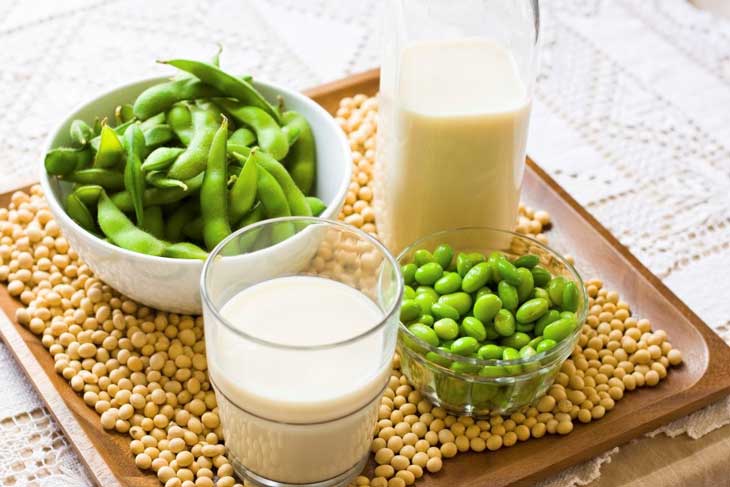
Consume soy-based products
Soybeans contain phytoestrogens, plant-derived compounds including lignans, flavones, coumestans, and isoflavones. Consumption of phytoestrogen-rich foods may help reduce the risk of breast cancer, as well as cardiovascular disease and osteoporosis. This may be particularly beneficial in premenopausal women by contributing to hormonal balance.
Limit estrogen-related medications
Excess estrogen exposure is not beneficial at any age and may increase breast cancer risk, particularly in postmenopausal women. Although estrogen supplementation is commonly used after menopause, careful monitoring is necessary to avoid excessive intake.
Engage in regular physical activity
Regular exercise plays a key role in breast cancer prevention. Activities such as walking in the morning or evening can be effective. Consistency is more important than intensity, and maintaining a regular exercise routine is essential for overall health.

Maintain a healthy diet
Cruciferous vegetables, such as cauliflower, cabbage, broccoli, and Brussels sprouts, are known for their potential anticancer properties. If these are not preferred, alternatives include dark leafy greens, tomatoes, and carrots. Fruits such as kumquats, cherries, and others also provide valuable nutrients that support cancer prevention.
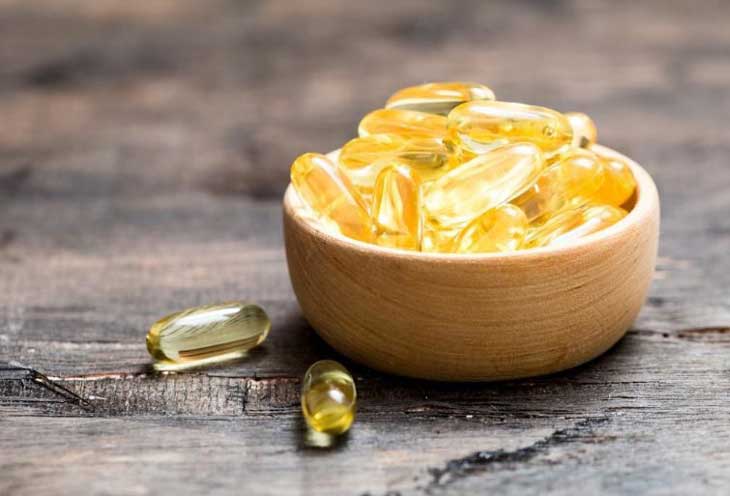
Increase omega 3 intake
Omega 3 fatty acids can be obtained from fish such as sardines, tuna, and salmon. If fish consumption is limited, omega 3 can also be supplemented through unsaturated oils such as olive oil or canola oil instead of saturated fats.
Regular screening
Routine screening may not prevent breast cancer but is crucial for early detection and limiting disease progression. Without annual screening, early diagnosis is significantly less likely.
Adhering consistently to these eight measures can help reduce the risk of breast cancer while supporting overall health and well-being.
Reader may also be interested in:
- Do not underestimate benign thyroid and breast tumors in women
- Breast fibroadenoma: Symptoms, causes, and treatment options
Note: The information provided is for reference purposes only and does not replace professional medical diagnosis or treatment. Follow the Hong Ngoc General Hospital fanpage for more useful health information: https://www.facebook.com/BenhvienHongNgoc/