


For many women, pregnancy is a long journey filled with numerous challenges. One of those challenges is ectopic pregnancy – a condition that not only endangers the developing fetus but can also significantly affect the mother’s future reproductive health.
What is an ectopic pregnancy?
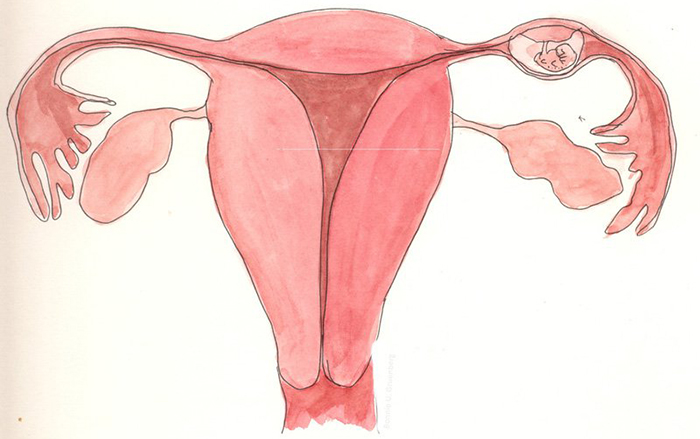
An ectopic pregnancy occurs when a fertilized egg implants and develops outside the uterus — most commonly in the fallopian tube (accounting for approximately 95% of all cases). In some instances, the embryo may implant in the ovary, abdominal cavity, or even in a cesarean section scar. This condition poses serious health risks and can be life-threatening if not treated promptly.
According to statistics, nearly 2% of women experience an ectopic pregnancy. Normally, during each menstrual cycle, a mature egg is released from the ovary and travels down the fallopian tube, where it may meet a sperm cell and become fertilized. If fertilization occurs, the embryo then moves toward the uterus and implants into the uterine lining, where it continues to grow until birth.
However, when the embryo implants outside the uterus, it cannot develop normally. The gestational sac lacks the protective environment of the uterine cavity, making it prone to rupture and causing severe internal bleeding. This is a medical emergency that can endanger the mother’s life and therefore requires immediate medical attention.
Early signs of ectopic pregnancy in the first month
In general, the early signs of pregnancy in women with an ectopic pregnancy are quite similar to those of a normal pregnancy. Common symptoms may include missed periods, breast tenderness, and nausea. However, when the embryo implants outside the uterus, additional symptoms may appear, such as:
- Vaginal bleeding: In many pregnant women, light spotting is considered a normal sign of early pregnancy. Implantation bleeding usually appears lighter in color than menstrual blood, lasts for a shorter duration, and is rarely accompanied by abdominal pain. However, if vaginal bleeding persists during the first few weeks of pregnancy and the blood appears dark red, it may indicate an ectopic pregnancy.
- Abdominal pain: If a pregnancy test shows two lines (positive result) but you experience persistent dull abdominal pain accompanied by vaginal bleeding, it could be a sign of an ectopic pregnancy. The severity of the pain often increases as the embryo continues to grow outside the uterus.
In addition, as the ectopic pregnancy develops, the growing embryo may press against surrounding organs, causing symptoms such as weakness in the arms and legs, excessive sweating, dizziness, or even fainting. When experiencing any of these unusual signs, you should seek immediate medical attention.
If left untreated, an ectopic pregnancy can become increasingly dangerous as the embryo continues to grow, leading to rupture of the gestational sac and massive internal bleeding, which can be life-threatening for the mother.
If you notice any warning signs of an ectopic pregnancy, please visit the nearest medical facility for an examination. Fill in your information HERE to receive more details.
When can an ectopic pregnancy be detected?
An ectopic pregnancy is difficult to detect based solely on external symptoms. Therefore, once pregnancy is confirmed, women are advised to schedule an early prenatal visit to determine whether the embryo has implanted inside the uterus.
Typically, an ectopic pregnancy can be detected between the 5th and 8th week of gestation. During this period, an ultrasound examination is performed to assess the gestational age, implantation site, and other relevant indicators through additional diagnostic tests.
What causes an ectopic pregnancy?
Many women wonder what leads to an ectopic pregnancy. According to medical experts, there are several contributing factors, with the most common cause being abnormalities in the fallopian tubes. These include:
- Inflammation of the fallopian tubes due to repeated abortions or pelvic inflammatory disease.
- Tubal narrowing or scarring following reconstructive surgery on the fallopian tubes.
- Abnormal contractions or spasms of the fallopian tubes that interfere with the movement of the fertilized egg.
- Tumors inside or outside the fallopian tubes, which may compress or obstruct the tubes, preventing the embryo from reaching the uterus.
In addition to the causes mentioned above, several factors can increase the risk of ectopic pregnancy, including:
- Age: The risk of ectopic pregnancy increases with age, as the ovaries and uterus may gradually lose their normal function.
- Medical history: Conditions that cause damage to the reproductive organs, such as pelvic inflammatory disease, tubal obstruction, or sexually transmitted infections (STIs), can significantly raise the risk.
- Substance use: Frequent use of stimulants such as drugs, tobacco, caffeine, and alcohol may weaken the uterus and interfere with the movement of the fertilized egg, leading to ectopic implantation.
- Hormonal treatments: Women undergoing medical treatments involving hormonal medications, such as birth control pills or thyroid medications, may also have a higher likelihood of developing an ectopic pregnancy.
Is an ectopic pregnancy dangerous?
Explaining why ectopic pregnancy is considered dangerous, the Obstetrics and Gynecology Department at Hong Ngoc General Hospital states: “An ectopic pregnancy cannot develop normally because there is not enough space for the embryo to grow, and there is no placenta to provide the necessary nutrients. Moreover, if not treated promptly, the growing embryo may cause the fallopian tube to rupture. When this occurs, it can lead to severe internal bleeding and poses a serious threat to the mother’s life.”

An ectopic pregnancy located in the fallopian tube is the most common type and may progress in several possible ways:
Ruptured fallopian tube causing massive bleeding As the embryo continues to grow, the limited space within the fallopian tube cannot accommodate its development. Over time, the tube becomes distended and may eventually rupture, leading to severe internal bleeding into the abdominal cavity. This condition is extremely dangerous and can be life-threatening due to significant blood loss. Immediate surgical intervention is required to stop the bleeding and repair the damage.
Spontaneous cessation of fetal development Within the fallopian tube, the embryo does not receive adequate nutrition as it would inside the uterus with a functioning placenta. Gradually, the embryo stops developing on its own due to insufficient nutrient supply. This situation is less dangerous than a ruptured tube, but careful medical monitoring is still necessary until the pregnancy completely resolves.
Expulsion of the gestational sac into the abdominal cavity When the embryo implants in the fallopian tube — an area not designed to support pregnancy — it may detach, causing miscarriage and internal bleeding. In cases of mild bleeding, the gestational tissue may be reabsorbed by the body. However, excessive bleeding can lead to blood accumulation in the abdominal cavity, forming clots and, in severe cases, causing life-threatening hemorrhage.
An ectopic pregnancy can cause significant damage to the fallopian tubes and reproductive organs, potentially affecting future fertility. Moreover, the emotional trauma following such an experience can also have a lasting impact on the mother’s mental well-being.
Who is at high risk of ectopic pregnancy
Ectopic pregnancy is not a rare condition and has become increasingly common in recent years. It can significantly affect the mother’s health and therefore requires close monitoring.
While any woman can develop an ectopic pregnancy, certain groups are at higher risk, including:
- Women with a history of ectopic pregnancy in a previous pregnancy
- Women with pelvic inflammatory disease (PID)
- Those who have undergone tubal surgery, pelvic surgery, or abdominal surgery
- Women with sexually transmitted infections (STIs)
- Women of advanced maternal age (typically over 35 years old)
- Women with a history of infertility
- Smokers, as smoking increases the risk of tubal damage and impairs normal embryo transport
If you fall into any of the above risk groups, it is important to closely monitor your body for any unusual changes once you know you are pregnant. Early detection and timely treatment are essential in preventing complications in case of an ectopic pregnancy.
Can an ectopic pregnancy be detected with a home pregnancy test? How is it diagnosed?
A home pregnancy test only measures the level of hCG (human chorionic gonadotropin) in a woman’s urine and is not affected by where the embryo implants. Once fertilization occurs and implantation begins, the hCG level rises noticeably and can be detected by the test.
Therefore, whether it is a normal pregnancy or an ectopic pregnancy, the test will typically show two lines (positive result)—unless the test is performed incorrectly or the test kit is defective.
However, a home pregnancy test cannot determine any underlying conditions or identify the location of the pregnancy. For accurate diagnosis, you should visit a medical facility for professional evaluation. Common diagnostic methods include:
- Ultrasound: This is performed to determine the exact location and gestational age of the pregnancy. The ultrasound results provide essential information for doctors to make further clinical decisions.
- Laparoscopy (diagnostic endoscopy): Currently one of the most advanced diagnostic techniques. In cases of ectopic pregnancy, laparoscopy may reveal a distended and dark-colored fallopian tube, confirming the abnormal implantation site.

Treatment for ectopic pregnancy
An embryo that implants outside the uterus cannot develop normally and may seriously endanger the mother’s health or even her life. Therefore, early medical intervention is essential. In most cases, there are three main treatment approaches for ectopic pregnancy: surgery, medication, and careful monitoring of the embryo’s progression, depending on the patient’s condition and the stage of the pregnancy.
- If the embryo has ruptured or caused internal bleeding in the abdominal cavity, emergency surgery must be performed immediately to save the mother’s life — this is a mandatory and urgent situation.
- If the gestational sac has not ruptured but has grown large and is at risk of rupture, early surgical intervention is also prioritized.
- When the ectopic mass is small and unruptured but unlikely to stop developing on its own, medication or surgery may be recommended to terminate the pregnancy safely.
- If the embryo stops developing spontaneously, the patient should be closely monitored and strictly follow the doctor’s instructions until the gestational tissue completely regresses.
The condition of ectopic pregnancy varies from one patient to another, with differences in the size of the gestational sac and the level of risk. Therefore, expectant mothers should undergo medical examination and consult with their doctor to determine the safest and most appropriate treatment approach for their specific situation.
Reader may also be interested in:
- [Warning] 20 dangerous conditions during pregnancy. Why should expectant mothers pay attention to dangerous conditions during pregnancy?
- What is recurrent miscarriage? How to prevent recurrent miscarriage?
- Gestational diabetes – important notes for expectant mothers
Can you get pregnant again after surgery for an ectopic pregnancy?
According to leading medical experts, it is possible to conceive again after undergoing surgery to remove an ectopic pregnancy — provided that the ovaries, fallopian tubes, and reproductive structures are preserved and post-surgical recovery is well managed.
However, in some cases where the ectopic pregnancy was large and caused rupture of the fallopian tube or severe uterine damage, the ability to conceive naturally may be reduced. Therefore, women are advised to attend regular prenatal check-ups from the early weeks of future pregnancies to promptly detect and manage any abnormalities.
Another common concern is how soon one can become pregnant again after treatment. In most cases, after about 3–4 months, the body’s hormone levels stabilize, and ovulation resumes, making conception possible. Nevertheless, doctors recommend avoiding sexual intercourse for at least one month after treatment and waiting about six months before trying to conceive again. This allows the body sufficient time to recover fully and ensures better reproductive health for a future pregnancy.
Prevention of ectopic pregnancy
Ectopic pregnancy is a serious and potentially life-threatening condition in a woman’s reproductive journey. To reduce the risk, the following preventive measures are recommended:
- Practice safe sex: Maintain a monogamous relationship or limit the number of sexual partners to reduce the risk of infection.
- Avoid smoking and limit alcohol or stimulant use: When planning to conceive, stop smoking and minimize the intake of alcoholic beverages, caffeine, and other stimulants.
- Use condoms: This helps prevent sexually transmitted infections (STIs) and lowers the risk of pelvic inflammatory disease, both of which can lead to ectopic pregnancy.
- Consult your doctor before taking any medication during pregnancy: Always seek professional medical advice when using medications and ensure you attend regular prenatal check-ups to monitor your health and the development of the pregnancy.
If you experience any unusual symptoms during pregnancy, seek medical attention immediately for timely and effective management.
Note: The information provided in this article by Hong Ngoc General Hospital is for reference purposes only and is not a substitute for professional diagnosis or medical treatment. Patients should not self-medicate. To accurately determine your condition, please visit a hospital for a direct examination, diagnosis, and appropriate treatment plan from a qualified physician.
Follow the official Facebook fanpage of Hong Ngoc General Hospital for more useful health information: https://www.facebook.com/BenhvienHongNgoc