


Health conditions during pregnancy can significantly affect both the mother’s well-being and the baby’s development. Therefore, expectant mothers should equip themselves with knowledge about common high-risk pregnancy conditions to take appropriate preventive measures and avoid potential complications.
Why should expectant mothers pay attention to dangerous conditions during pregnancy?
Many women experience health problems during pregnancy, and these complications can affect both maternal and fetal health. Even women who were completely healthy before conception may develop pregnancy-related complications.
During pregnancy, continuous hormonal changes can weaken the mother’s immune system, increasing susceptibility to various health conditions.
Equipping yourself with the right knowledge and taking preventive measures can help reduce the risk of illness and minimize complications that may impact pregnancy health. Below is a list of 20 common and potentially dangerous conditions during pregnancy that expectant mothers should be aware of.
Hypertension
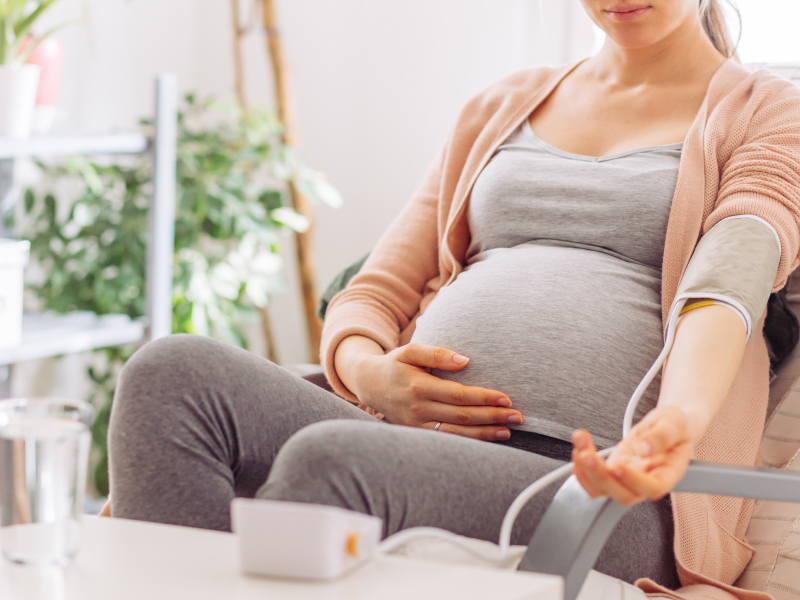
High blood pressure, also known as hypertension, occurs when the arteries that carry blood from the heart to the body’s organs become narrowed, leading to increased pressure within the arteries. It is one of the dangerous conditions that expectant mothers should pay close attention to.
When hypertension develops during pregnancy, it is referred to as gestational hypertension. This condition usually appears in the second half of pregnancy and often resolves after childbirth.
During pregnancy, high blood pressure can restrict blood flow to the placenta, reducing the supply of oxygen and nutrients to the fetus. Decreased blood flow may slow fetal growth and increase the risk of preterm birth and preeclampsia.
Because hypertension poses serious risks during pregnancy, affected women should be closely monitored and, if necessary, treated with medication under the supervision of their healthcare provider throughout the pregnancy.
Dangerous pregnancy condition – Gestational diabetes
Gestational diabetes is a metabolic disorder in which the pancreas cannot produce enough insulin to meet the body’s increased demands during pregnancy. This leads to an accumulation of glucose in the blood, resulting in high blood sugar levels, also known as hyperglycemia.
Gestational diabetes is a dangerous condition during pregnancy that can cause complications such as miscarriage, preterm birth, and preeclampsia. In many women, it may also progress to type 2 diabetes after childbirth.
The best way to manage gestational diabetes is to follow a treatment plan prescribed by a healthcare professional to control blood sugar levels throughout pregnancy. If not properly managed, gestational diabetes can lead to high blood pressure due to preeclampsia and excessive fetal growth, which increases the risk of cesarean delivery.
Infections (including sexually transmitted infections – STIs)
Infections, including some sexually transmitted infections, may occur during pregnancy or childbirth and cause complications for both the mother and the baby. Some infections can be transmitted from mother to child during delivery, while others can affect the fetus during pregnancy. These conditions can be prevented or treated through proper prenatal and postnatal care.
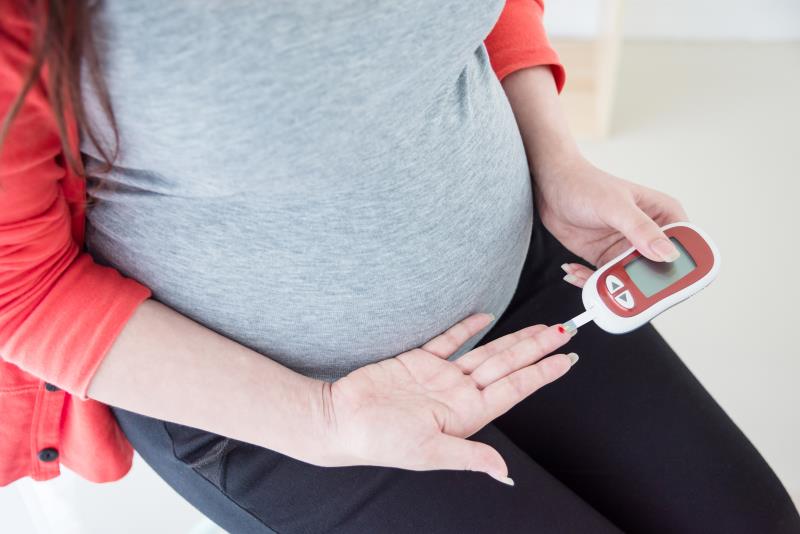
Infections during pregnancy can lead to complications such as:
- Miscarriage or stillbirth: Pregnancy loss before 20 weeks or fetal death in the womb.
- Ectopic pregnancy: Caused by infection or narrowing of the fallopian tubes, leading the embryo to implant outside the uterus, usually in the fallopian tube.
- Preterm birth or low birth weight: Delivery before 37 weeks or infants born smaller than normal.
- Congenital abnormalities: Including blindness, deafness, skeletal deformities, and intellectual disabilities.
In addition, infections during pregnancy are a leading cause of neonatal death and congenital infections.
Preeclampsia
Preeclampsia is one of the most dangerous pregnancy-related conditions. It is a serious medical disorder that can lead to preterm birth or even maternal and fetal death. The exact cause of preeclampsia remains unclear; however, several risk factors have been identified, including:
- First pregnancy
- History of preeclampsia in a previous pregnancy
- High blood pressure, diabetes, kidney disease, or lupus
- Maternal age of 35 or older
- Multiple pregnancy (twins or more)
- Obesity
Preterm birth
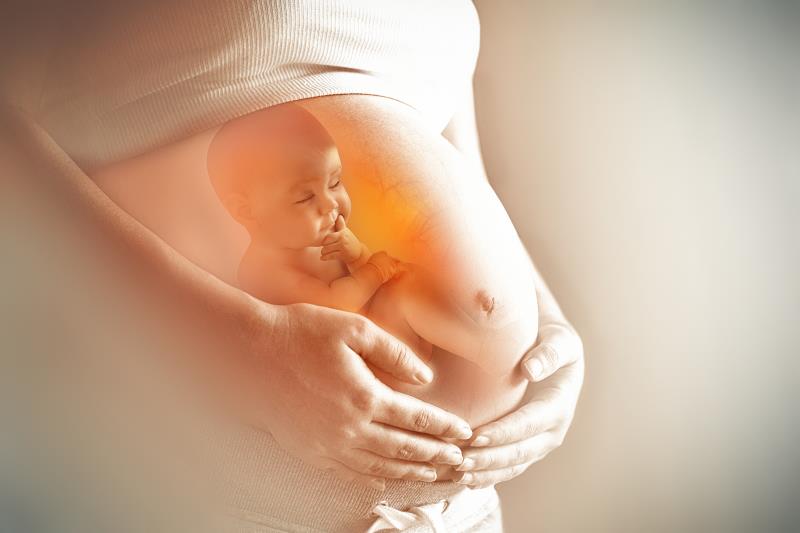
Preterm birth is not a disease but a high-risk condition during pregnancy. Any baby born before 37 weeks of gestation is considered premature and faces an increased risk of health problems, as vital organs such as the lungs and brain complete their development during the final weeks of a full-term pregnancy (39–40 weeks).
Certain factors can increase the risk of preterm birth, including infections, cervical shortening, or a history of previous preterm delivery.
Progesterone — a hormone naturally produced during pregnancy — may be used to help prevent preterm birth in some women. Studies have shown that progesterone supplementation in women with a history of preterm delivery can reduce the risk of recurrence by up to one-third.
Doctors recommend that expectant mothers attend regular prenatal check-ups as scheduled. Additionally, immediate medical attention should be sought if any abnormal symptoms occur.
Hotline: 0919 645 271
Or fill out the form below to register for a comprehensive prenatal care package with our leading obstetric specialists.
Miscarriage
Miscarriage refers to the natural loss of a pregnancy before the 20th week of gestation. Common signs include vaginal spotting or bleeding, abdominal cramping, or fluid discharge from the vagina. However, vaginal bleeding does not always indicate that a miscarriage is occurring or will occur.
Women who experience any of these symptoms at any stage of pregnancy should seek immediate medical attention to minimize potential risks.
Severe nausea and vomiting
Nausea and vomiting are common during pregnancy, especially in the first trimester. However, some women experience more severe and prolonged symptoms that may persist into the third trimester.
This condition, known as hyperemesis gravidarum, is a serious pregnancy-related disorder that can cause significant weight loss, loss of appetite, dehydration, and even fainting.

Anemia
During pregnancy, women need more iron than usual to support the increased blood volume required for both mother and baby. Iron-deficiency anemia, which occurs when the body does not have enough iron, is relatively common during pregnancy and is associated with risks such as preterm birth and low birth weight.
Common symptoms of iron deficiency include fatigue or dizziness, shortness of breath, and pale skin. Pregnant women are advised to consume 27 milligrams of iron per day (typically found in most prenatal vitamins) to reduce the risk of iron-deficiency anemia. Some women may require additional iron supplements as prescribed by their doctor.
Asthma
Asthma may occur before pregnancy; however, women with a history of asthma are more likely to experience recurrence during the last months of pregnancy. Pregnant women can use inhaled asthma medications, which are generally safe and do not affect the fetus.
Asthma can be dangerous during pregnancy, especially if it flares up in the later stages, as it may cause oxygen deficiency in the baby, leading to preterm birth. In the final months of pregnancy, expectant mothers should always carry their inhaler to prevent sudden asthma attacks at any time.
Depression
Depression is relatively common during pregnancy and may present with symptoms such as sadness, insomnia, and loss of energy. As a serious condition during pregnancy, it can persist after childbirth and lead to complications such as poor weight gain, substance or alcohol dependence, and in severe cases, suicidal thoughts.
Babies born to mothers with untreated depression are at higher risk of malnutrition, developmental delays, and preterm birth.
Pregnant women showing signs of depression should receive proper monitoring and medical treatment to prevent adverse outcomes for both mother and baby.
Influenza (flu)
During pregnancy, a woman’s immune system becomes more sensitive, making expectant mothers more susceptible to viral infections such as influenza.
The flu is a dangerous condition during pregnancy and can lead to complications such as preterm birth or fetal abnormalities. Pregnant women should not take medication without medical supervision, as improper use may cause birth defects.
To strengthen the immune system, expectant mothers are advised to consume garlic, eat plenty of fruits, and stay well-hydrated throughout pregnancy.
Leg swelling (edema)
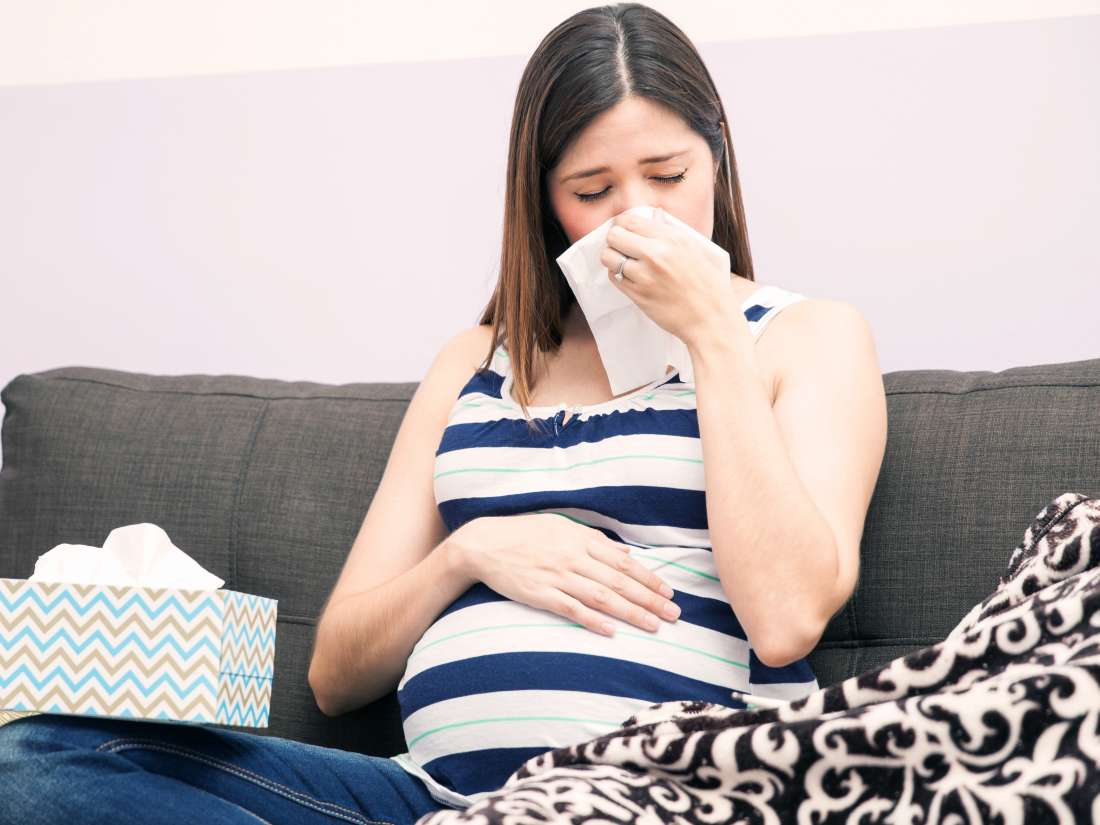
Leg swelling is a common and often uncomfortable symptom during pregnancy. Swelling may occur in the hands, feet, or face. This condition is caused by increased fluid retention in the body during pregnancy. Drinking too little water can worsen swelling, as the body tends to retain even more fluid.
Ways to relieve swelling:
- Elevate your legs while sitting or lying down.
- Wear loose and comfortable clothing.
- Drink plenty of water.
- Walk at least 20–30 minutes per day to improve circulation.
Back pain
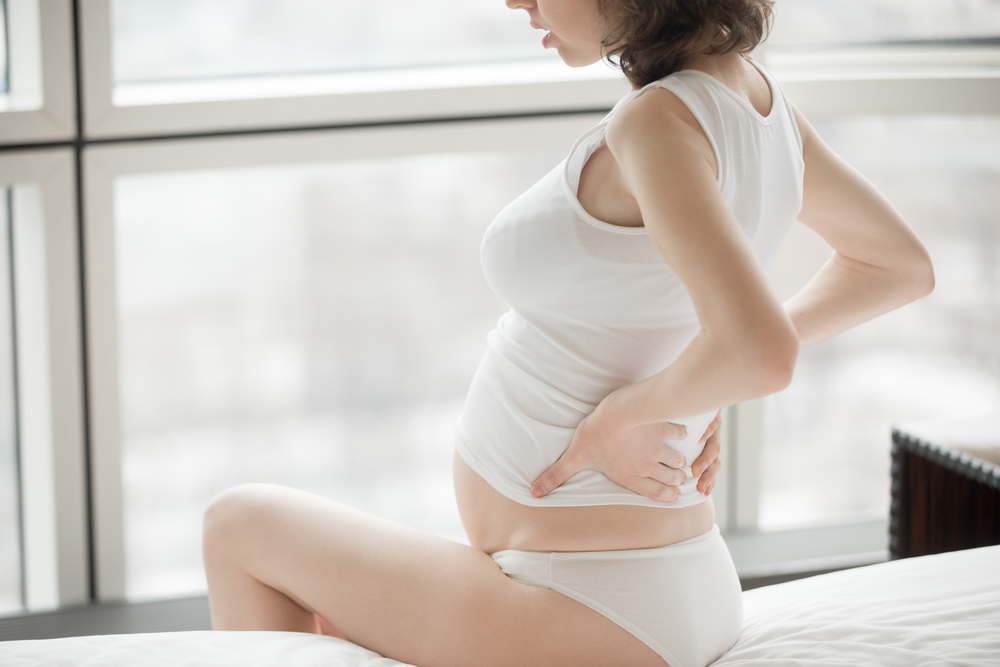
Although not always common, back pain can be a concerning condition during pregnancy. It is often caused by factors such as weight gain, increased pressure on the lower back, and gradual widening of the pelvis. Prolonged standing or sitting may worsen the pain.
Ways to relieve back pain:
- Sit on chairs with proper back support.
- Avoid lifting heavy objects.
- Do not sit for long periods.
- Avoid wearing high heels.
HELLP syndrome
HELLP syndrome is a severe liver and blood disorder that can be life-threatening if not treated promptly. It is considered a dangerous condition during pregnancy and is often associated with preeclampsia. The syndrome typically develops after the 20th week of pregnancy but can occur earlier or, in rare cases, after childbirth.
The name HELLP represents three major blood test abnormalities:
- H (Hemolysis): Breakdown of red blood cells
- EL (Elevated Liver Enzymes): Increased liver enzyme levels
- LP (Low Platelet Count): Decreased platelet levels
Major complications of HELLP syndrome may include:
- Seizures
- Stroke
- Liver rupture
- Placental abruption, which causes bleeding, restricts fetal growth, and can lead to preterm birth or stillbirth.
Intrahepatic cholestasis of pregnancy (ICP)
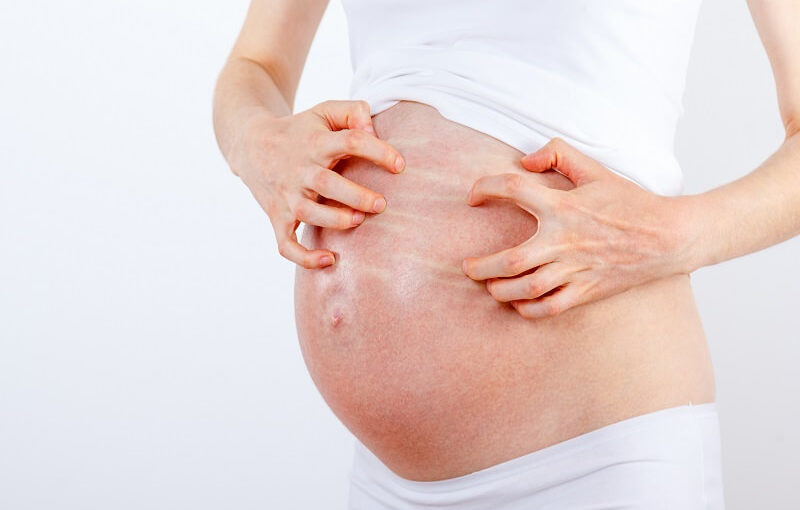
Intrahepatic cholestasis is a dangerous liver condition that typically occurs in late pregnancy. It causes intense itching, most commonly on the palms of the hands and soles of the feet, but may also affect other parts of the body.
Common symptoms of intrahepatic cholestasis include:
- Severe itching, especially on the hands and feet (often the only noticeable symptom)
- Dark-colored urine
- Pain in the upper right abdomen not related to gallstones
- Pale or light-colored stools
- Fatigue or exhaustion
- Loss of appetite
Causes of intrahepatic cholestasis of pregnancy may include:
- Personal or family history of cholestasis during pregnancy
- History of liver disease
- Multiple pregnancy (twins or more)
When symptoms of intrahepatic cholestasis are detected, doctors will perform blood tests to evaluate liver function and measure bile acid levels in the bloodstream.
Hepatitis B
Hepatitis B is a dangerous condition during pregnancy, as the hepatitis B virus can be easily transmitted from mother to baby. Infants infected at birth have a high risk of developing chronic hepatitis, cirrhosis, or liver cancer later in life.
To prevent infection, women of childbearing age should receive the hepatitis B vaccine before becoming pregnant. For mothers already infected, careful monitoring and medical guidance during pregnancy are essential to protect the baby. Newborns should be vaccinated immediately after birth to reduce the risk of transmission.
Constipation
Constipation affects more than 50% of pregnant women. It is often caused by reduced physical activity, increased progesterone levels that slow bowel movements, and pressure on the colon from the growing uterus. In addition, iron-rich supplements commonly used during pregnancy can increase body heat and contribute to constipation. If constipation persists, toxins in the stool may be reabsorbed into the digestive tract, potentially leading to unwanted intoxication.
Leg cramps
Leg cramps are painful muscle contractions that cause stiffness in the calves and feet, often occurring at night. This condition is mainly due to calcium deficiency. To relieve cramps, gently massage the calves and feet, and take calcium and vitamin D supplements as recommended by your doctor.

Frequent urination
Frequent urination is common during the first trimester and is not considered a serious medical issue. It occurs as the enlarging uterus presses against the bladder, causing an increased urge to urinate. To reduce discomfort, expectant mothers should limit fluid intake right before bedtime.
Shortness of breath
Shortness of breath usually appears in late pregnancy when the expanding uterus puts pressure on the diaphragm. Anemia may also contribute to this condition. During the final stages of pregnancy, mothers should rest more and sleep with an extra pillow to make breathing easier.
Note: The information provided in this article by Hong Ngoc General Hospital is for reference only and should not replace professional medical diagnosis or treatment.
Follow the official fanpage of Hong Ngoc General Hospital for more useful health information and updates: