



If not closely monitored and controlled, diabetes mellitus may lead to serious complications such as heart attack, stroke, kidney failure, blindness, and even limb amputation. Understanding the underlying causes of the disease is essential for effective and safe prevention and treatment of diabetes.
What is diabetes mellitus? Current status of the disease
Diabetes mellitus (commonly known as diabetes) is a metabolic disorder of carbohydrates, proteins, and lipids caused by prolonged hyperglycemia. In addition, diabetes mellitus is a leading cause of damage to multiple organs, particularly the kidneys, cardiovascular system, eyes, and nervous system, and significantly increases the risk of mortality.
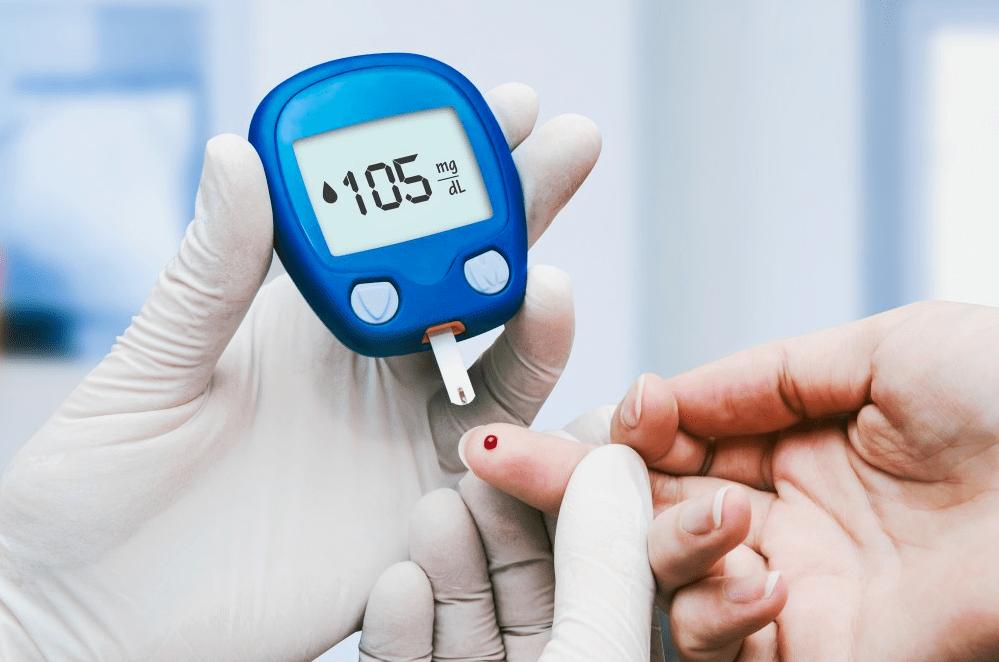
According to the International Diabetes Federation (IDF), in 2019 there were 463 million people worldwide aged 20–79 living with diabetes mellitus. By 2021, more than one in ten adults globally was affected by the disease. In Vietnam, approximately 7 million people are currently living with diabetes mellitus, of whom more than 55% already present with complications. Among these, 34% have cardiovascular complications, 39.5% suffer from ocular and neurological complications, and 24% experience kidney complications. Diabetes-related complications not only impair health and reduce quality of life but also substantially increase the financial burden of medical care.
Classification of diabetes mellitus: type 2, type 1, and other forms
Type 1 diabetes
Type 1 diabetes mellitus (also known as insulin-dependent diabetes mellitus) occurs when the pancreatic beta cells responsible for producing insulin are destroyed. This leads to an absolute deficiency of circulating insulin, requiring patients to receive insulin from external sources.
Type 1 diabetes primarily affects children and young adults, particularly those under 20 years of age, and accounts for approximately 10%–20% of all diabetes cases. Symptoms typically appear suddenly and progress rapidly, making the condition relatively easy to recognize and diagnose.
Type 2 diabetes
While type 1 diabetes mellitus is more common in younger individuals, type 2 diabetes (also known as non–insulin-dependent diabetes mellitus) is more prevalent among older adults. In this condition, the pancreas still produces insulin, but not in sufficient amounts to regulate blood glucose effectively due to insulin resistance. Patients often present with elevated fasting blood glucose levels or postprandial hyperglycemia.
Type 2 diabetes mellitus accounts for approximately 80%–85% of all diabetes cases. It is most commonly diagnosed in individuals over the age of 40 but is increasingly being observed in younger populations. The disease develops insidiously and often lacks specific symptoms, making early detection more challenging.
Gestational diabetes mellitus
Gestational diabetes occurs exclusively in pregnant women, most commonly during the second or third trimester. The condition arises because the placenta produces hormones such as estrogen and progesterone, which interfere with insulin receptors in target cells, thereby increasing insulin resistance. When the pancreas is unable to secrete sufficient insulin to overcome this resistance, blood glucose levels rise, leading to diabetes during pregnancy.
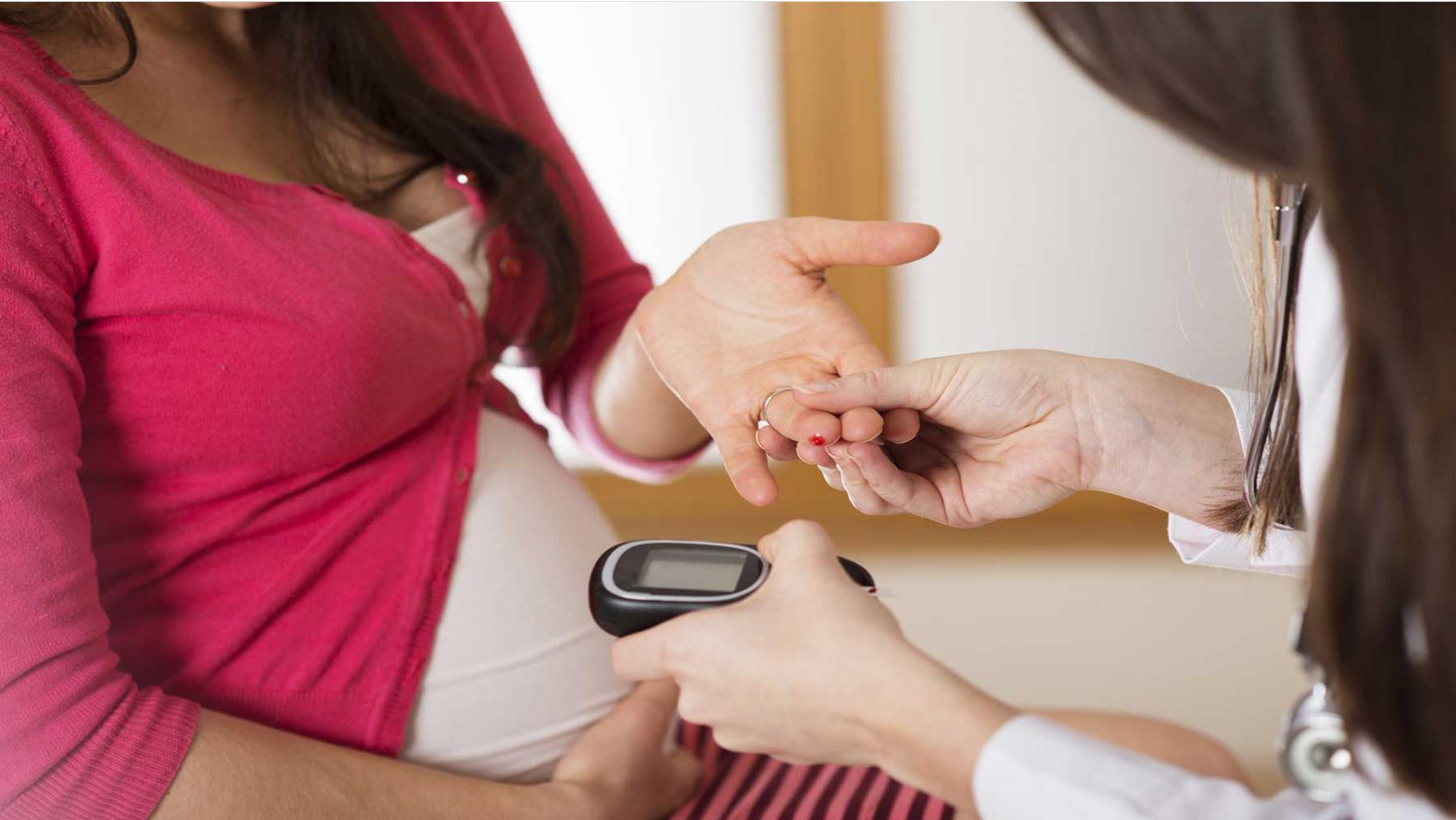
Although gestational diabetes usually resolves after delivery, pregnant women should take proactive measures in prevention and timely treatment to protect the health of both mother and baby.
Other forms of diabetes
In addition to the common types of diabetes described above, there are several rare forms, including:
- Diabetes mellitus caused by genetic defects in beta-cell function
- Monogenic diabetes resulting in reduced insulin activity- Secondary diabetes following pancreatic disorders such as pancreatitis, pancreatic cancer, pancreatic trauma, pancreatic fibrosis with calculi, or pancreatectomy- Diabetes associated with endocrine disorders such as pheochromocytoma, hyperthyroidism, glucagonoma, or acromegaly- Diabetes induced by certain drugs or chemicals, including corticosteroids, thiazides, interferon-alpha, thyroid hormones, or antidepressants- Diabetes associated with infections (e.g., measles virus, mumps virus, cytomegalovirus)
Symptoms of diabetes mellitus
Symptoms of type 1 diabetes
The symptoms of type 1 diabetes mellitus often have a sudden onset and progress rapidly. Common signs include:
- Frequent hunger
- Excessive thirst
- Persistent fatigue
- Unexplained weight loss despite increased appetite
- Frequent urination
- Blurred vision
- Numbness or tingling in the feet
- In some cases, symptoms of diabetic ketoacidosis (DKA) may be the first indication of type 1 diabetes. These include deep and rapid breathing, dry skin and mouth, flushed face, nausea or vomiting, abdominal pain, and fruity-smelling breath.

Symptoms of type 2 diabetes
Because the symptoms of type 2 diabetes mellitus are often mild and nonspecific, they can be difficult to recognize and are frequently overlooked by patients. Common symptoms include:
- Frequent urination
- Increased hunger and excessive thirst
- Blurred vision
- Fatigue and irritability
- Tingling or numbness in the hands or feet
- Slow-healing or non-healing wounds
- Recurrent yeast infections
- Unexplained weight loss (without dieting or exercise)
- Increased susceptibility to infections
In addition, if the body develops signs such as darkened or thickened, velvety skin around the neck or armpits, this may indicate increasing insulin resistance. Patients should seek timely examination and treatment at reputable healthcare facilities.
Symptoms of gestational diabetes mellitus
Pregnant women with gestational diabetes mellitus may experience the following symptoms:
- Increased thirst
- Slow-healing wounds or bruises
- Temporary vision changes
- Persistent fatigue
- Genital infections
Who is at risk of developing diabetes mellitus?
Diabetes can develop in people of all ages and across all population groups. However, certain individuals are at higher risk, including:
- Those with a family history of diabetes (parents, grandparents, or siblings)- Overweight or obese individuals- People with high-calorie dietary intake- Pregnant women- Women with polycystic ovary syndrome (PCOS)- Individuals previously diagnosed with prediabetes- Individuals with metabolic syndrome- People with a history of atherosclerotic cardiovascular disease- Those showing signs of insulin resistance (e.g., acanthosis nigricans, thickened or - darkened skin around the neck or armpits)- Physically inactive individuals or those with a sedentary lifestyle- Smokers- Patients with hyperlipidemia and hypertension- Middle-aged and elderly individuals
Diagnosis of diabetes mellitus
Diabetes is a serious condition with complications affecting multiple organ systems. Therefore, individuals at high risk should undergo diabetes screening one to three times per year, even in the absence of symptoms, or earlier if previous test results show abnormalities. Those diagnosed with prediabetes are advised to have at least one screening annually, while pregnant women should be screened between the 24th and 28th week of gestation.
Diagnostic tests for diabetes mellitus
According to the American Diabetes Association (ADA), the diagnosis of diabetes is usually based on one of the following four criteria:
- Fasting plasma glucose (FPG) ≥ 126 mg/dL (7 mmol/L): The patient must fast for 8–14 hours prior to testing. Only plain water is allowed; sweetened beverages, alcohol, coffee, or tea should be avoided.
- Oral glucose tolerance test (OGTT) ≥ 200 mg/dL (11.1 mmol/L): The patient must fast from midnight and have their blood glucose measured 2 hours after ingesting 75 g of glucose dissolved in 250–300 ml of water. The solution should be consumed slowly over about 5 minutes, rather than all at once.
- HbA1c ≥ 6.5% (48 mmol/mol): This test must be performed in a laboratory certified by international standards.
- Random plasma glucose test: In the presence of classic symptoms of hyperglycemia such as polyuria, polydipsia, or unexplained weight loss.
Diagnostic criteria for prediabetes
Prediabetes is diagnosed when a patient presents with one of the following abnormalities:
- Impaired fasting glucose (IFG): Fasting plasma glucose between 100 mg/dL (5.6 mmol/L) and 125 mg/dL (6.9 mmol/L).
- Impaired glucose tolerance (IGT): Plasma glucose level 2 hours after a 75 g oral glucose tolerance test (OGTT) between 140–199 mg/dL (7.8–11 mmol/L), or HbA1c between 5.7% and 6.4% (39–47 mmol/mol).
Is diabetes mellitus dangerous? Complications of diabetes mellitus
Cardiovascular complications of diabetes mellitus
According to statistics, up to 80% of patients with diabetes develop cardiovascular complications, which significantly increase the risk of mortality. Common cardiovascular-related manifestations in diabetic patients include headache, dizziness, shortness of breath, chest pain, palpitations, blurred vision, loss of balance, and sleep disturbances. In more severe cases, patients may experience fainting, stroke, coma, autonomic dysfunction, or hemiplegia.

Cardiovascular complications are extremely dangerous and can be life-threatening. Therefore, patients with diabetes should remain vigilant for early detection and seek timely treatment.
Renal complications of diabetes mellitus
The most common renal complications of diabetes are chronic kidney disease, kidney failure, or nephropathy. Treatment for kidney disease is highly costly, as it often requires dialysis or even kidney transplantation to sustain life. Therefore, diabetic patients who experience symptoms such as fatigue, loss of appetite, hypertension, frequent nighttime urination, or foamy urine should seek medical evaluation promptly for timely treatment, helping to prevent disease progression.
Neurological complications of diabetes mellitus
When diabetes mellitus affects the nervous system, patients may experience symptoms such as nausea and vomiting, excessive sweating, urinary incontinence, frequent diarrhea or constipation, loss of libido, unilateral thigh pain, weight loss, motor weakness, or erectile dysfunction. Neuropathy particularly impacts the hands and feet, presenting with pain, numbness, burning sensations, and, in more severe cases, loss of sensation, muscle atrophy, non-healing ulcers, recurrent infections, and a high risk of gangrene that may ultimately lead to lower-limb amputation.

Diabetes-related eye diseases
Ocular complications are among the most common and well-recognized consequences of diabetes. A large number of patients with diabetes develop vision problems due to damage to the blood vessels and microcirculation of the eyes. Diabetic eye disease may manifest as blurred vision, flickering or flashing lights, and the appearance of floaters. In more severe cases, patients may experience sudden vision loss, which, if left undiagnosed and untreated, can progress to blindness.
Other complications of diabetes mellitus
In addition to the commonly recognized complications of diabetes affecting the cardiovascular system, kidneys, nervous system, and eyes, patients may also face other health problems, such as:
- Macrovascular complications associated with atherosclerosis of large blood vessels
- Diabetic ketoacidosis (DKA)
- Non-retinopathy ophthalmic disorders, including cataracts, corneal abrasions, and optic neuropathy
- Hepatobiliary diseases such as fatty liver, cirrhosis, and gallstones
- Dermatological conditions such as granuloma annulare, systemic sclerosis, and fungal skin infections
- Mental health complications including depression and dementia
Prevention of diabetes mellitus
The majority of current diabetes mellitus cases are type 2, accounting for approximately 80%–85%. Therefore, the most effective way to prevent the disease is through dietary modifications, lifestyle changes, and regular screening.
Dietary modifications
- Reduce intake of refined carbohydrates, including sugar and sugar-sweetened foods and beverages (e.g., soft drinks).
- Consume a wide variety of foods, especially vegetables, fruits, whole grains, and legumes.
- If possible, drink one cup of coffee each morning, as caffeine may help reduce the risk of diabetes safely.
- Avoid animal organ meats.
- Limit processed foods, fast food, and foods high in starch.
- Minimize alcohol consumption and avoid stimulants.
- Maintain a healthy weight; weight loss is recommended for individuals who are overweight or obese.
Lifestyle changes
- Engage in at least 30 minutes of physical activity per day, at least 5 days per week.
- Walk approximately 5,000 - 10,000 steps daily.
- Avoid prolonged sedentary periods; take a 5-minute break after every hour of work.
- For women, night shift work should be minimized when possible.
- Maintain a body mass index (BMI) between 18 and 25.
Regular diabetes screening
In addition to adopting a healthy diet and lifestyle, regular screening is one of the most effective strategies for preventing diabetes. Healthy individuals can undergo diabetes screening through the following measures:
- Annual health check-ups: A comprehensive medical examination at least once a year helps evaluate overall health status while screening for diabetes, fatty liver disease, early-stage cancers, and other conditions.
- Diabetes-specific screening: At least once a year for healthy individuals, and every six months for those with risk factors for diabetes.
- Regular diabetes screening at Hong Ngoc General Hospital, with a team of specialists and physicians boasting over 20 years of experience, together with advanced medical equipment (including the U.S. GLP automated laboratory system and the LOGIQ Fortis elastography ultrasound system), Hong Ngoc General Hospital provides comprehensive diabetes screening that helps:
- Healthy individuals: identify risk factors for diabetes early and implement timely, effective preventive measures.
- Patients with diabetes: obtain an accurate diagnosis, closely monitor blood glucose levels, manage their condition effectively, and prevent serious complications.

Treatment of diabetes mellitus
Depending on each patient’s overall health and specific condition, physicians will establish individualized treatment goals and methods aimed at reducing symptoms, controlling blood glucose levels, and minimizing diabetes-related complications. This enables patients to maintain a normal, healthy life.
For scientific, personalized, and cost-effective diabetes management with optimal outcomes, patients are encouraged to visit Hong Ngoc General Hospital for direct consultation with highly experienced specialists, many of whom have previously worked at leading institutions such as Bach Mai Hospital and Viet Duc Hospital… Contact our hotline today to book an appointment with our experts.
Note: The information provided in this article by Hong Ngoc General Hospital is for reference purposes only and is not a substitute for professional medical diagnosis or treatment. Patients should not self-medicate. To obtain an accurate assessment of their condition, patients should visit a hospital for direct consultation, diagnosis, and appropriate treatment planning, including effective prescription management by qualified physicians.
----------------------------
Endocrinology Department – Hong Ngoc General Hospital
- Hong Ngoc Phuc Truong Minh General Hospital – 8 Chau Van Liem, Nam Tu Liem, Hanoi
- Hong Ngoc General Hospital – 55 Yen Ninh, Ba Dinh, Hanoi
- Hotline: 093 223 2016 – 091 190 8856
- Email: salesnoitiet@hongngochospital.vn
Stay updated with useful health information and special promotions at: https://www.facebook.com/BenhvienHongNgoc