


Colorectal cancer is a common and serious malignancy of the digestive system. Proactively preventing and detecting colorectal cancer early through recognition of abnormal symptoms not only increases the chances of successful treatment and prolongs life expectancy but also significantly improves the patient’s quality of life.
What is colorectal cancer?
Colorectal cancer (also known as colon cancer or large bowel cancer) is the abnormal growth of cells in the colon that have the potential to invade or spread to other parts of the body. The disease often begins as benign polyps in the colon, which over time may develop into malignant tumors if not detected and treated early.
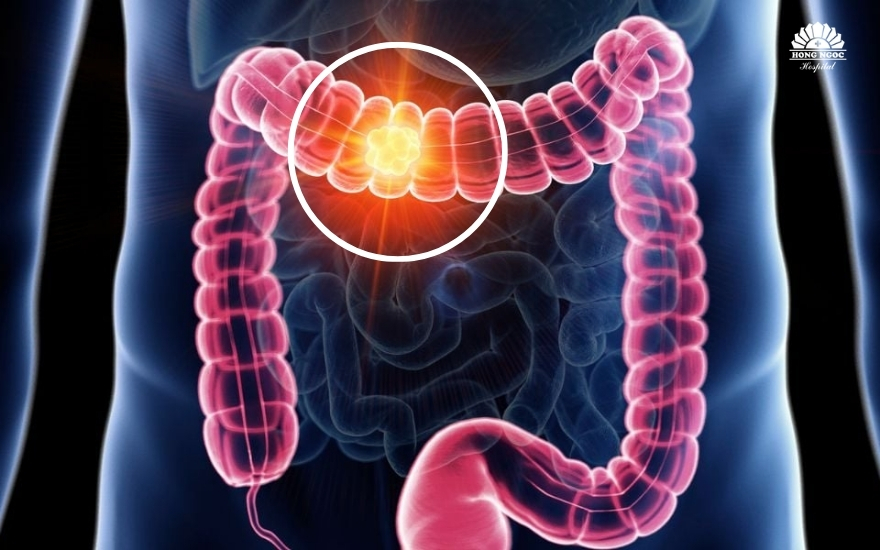
Colon polyps are abnormal growths that protrude into the intestinal lumen, formed by the excessive proliferation of cells from the colonic wall. The colon (also known as the large intestine) is the final section of the digestive system, responsible for receiving and eliminating undigested food residues (stool) from the body through the rectum and anus.
Causes of colorectal cancer
The main factors contributing to the development of colorectal cancer include:
- Family history: approximately 25% of colorectal cancer cases are associated with a family history (parents, siblings, or first-degree relatives diagnosed with colorectal cancer), and about 10% are linked to hereditary syndromes such as familial adenomatous polyposis (FAP) and Lynch syndrome.
- Intestinal diseases: individuals with chronic inflammatory bowel diseases such as ulcerative colitis, Crohn’s disease, or existing colon polyps are at a significantly higher risk of developing colorectal cancer.
- Unhealthy diet: frequent consumption of fermented or pickled foods (such as pickled vegetables or kimchi), red meats (beef, lamb, goat, etc.), processed or fast foods (sausages, hamburgers), and sugary beverages (soda, cola, energy drinks) increases the risk of colorectal cancer.
- Overweight and obesity: obese individuals have a higher risk of developing and dying from colorectal cancer compared to those with a healthy body weight.
- Smoking and alcohol consumption: both tobacco and alcohol cause chemical and physical changes in the body that promote the development of colorectal cancer.
- Age: the risk of colorectal cancer increases significantly with age, especially in individuals over 50 years old.
Signs and symptoms of colorectal cancer
In its early stages, colorectal cancer often causes no obvious symptoms and can easily be mistaken for other common digestive disorders. Therefore, when experiencing any of the following symptoms, patients should promptly consult a physician for accurate diagnosis and timely treatment:
Abdominal pain as a symptom of colorectal cancer
Abdominal pain is one of the most common symptoms in patients with colorectal cancer. The pain pattern is often irregular — sometimes dull and persistent, other times cramping or intense — resembling symptoms of gastritis or colitis. In addition, abdominal pain accompanied by bloating, indigestion, nausea, or vomiting may indicate intestinal obstruction caused by a colorectal tumor. In such cases, the patient should promptly visit a medical facility for examination and appropriate treatment.

Persistent digestive disorders
Loss of appetite, bloating, indigestion, diarrhea, and constipation are also common signs of colorectal cancer and are often mistaken for ordinary digestive problems. If these symptoms persist for several weeks without improvement after dietary adjustments, accompanied by fatigue or unexplained weight loss, the patient should seek medical evaluation promptly.
Changes in bowel habits
Patients with colorectal cancer often experience more frequent bowel movements than usual. As the tumor grows larger, it may cause constipation, incomplete evacuation, small and fragmented stools, or a persistent urge to defecate.
Rectal bleeding
Blood in the stool — whether bright red, dark, or mixed with mucus — is a common symptom of colorectal cancer. Many people mistake this for hemorrhoids or anal fissures, but rectal bleeding can also indicate a malignant tumor in the colon.
Changes in stool shape
Long-lasting changes such as narrow or flattened stools may suggest colorectal cancer. This occurs when polyps or tumors partially obstruct the intestinal lumen, forcing stool to pass through a narrowed space and altering its shape.
Unexplained weight loss
Sudden, rapid weight loss, loss of appetite, and fatigue without changes in diet or exercise may signal colorectal cancer. As the disease progresses, cancer cells consume large amounts of energy, leading to significant weight reduction.
Anemia, fatigue, and physical weakness
Chronic blood loss from the gastrointestinal tract can cause anemia, a common but often overlooked sign of colorectal cancer. Patients may appear pale and experience dizziness, weakness, or exhaustion even after rest. Progressive fatigue and unexplained physical decline warrant immediate medical attention.

Stages of colorectal cancer
Stage 0 (carcinoma in situ): cancer cells are confined to the mucosal layer or the inner lining of the colon.
Stage 1: cancer cells have invaded deeper layers of the colon wall but have not spread beyond it.
Stage 2: the disease has progressed further than stage 1 and is divided into stages 2A, 2B, and 2C, depending on the depth of tumor invasion and nearby tissue involvement.
- Stage 2A: cancer cells have reached the outermost layer of the colon wall.
- Stage 2B: cancer cells have extended beyond the outer layer of the colon into the tissue lining the abdominal cavity (the visceral peritoneum).
- Stage 2C: cancer cells may invade or adhere to nearby organs or structures within the abdominal cavity.
Stage 3: colorectal cancer at this stage has spread to nearby or distant lymph nodes within the abdominal cavity.
Stage 4: this is the most advanced stage of colorectal cancer, in which cancer cells have metastasized to distant organs or other parts of the body.
Diagnostic methods for colorectal cancer
To accurately diagnose colorectal cancer, physicians will recommend performing several diagnostic tests, including:
Blood test for CEA tumor marker
Measurement of carcinoembryonic antigen (CEA) levels helps assess the likelihood of colorectal cancer. Elevated CEA levels indicate an increased risk of malignancy. This test is used for two primary purposes: to support cancer diagnosis and to monitor treatment effectiveness.
Colonoscopy for colorectal cancer diagnosis
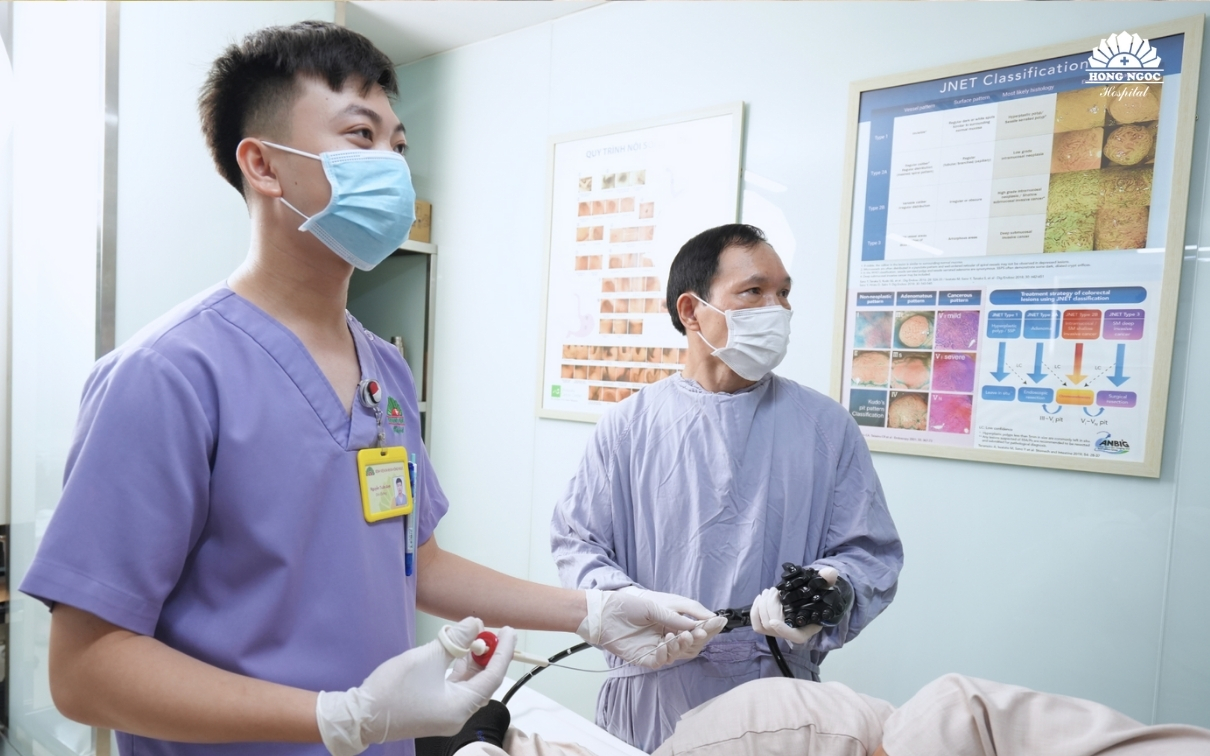
Colonoscopy is considered the “gold standard” for screening, early detection, and follow-up in patients with colorectal cancer. It also allows the removal of polyps or precancerous and early-stage cancerous lesions in the colon when detected.
At Hong Ngoc General Hospital, the advanced NBI Extra III endoscopic technology from Japan is applied in colorectal and general gastrointestinal disease screening, diagnosis, and early detection. With just a single colonoscopy, physicians can identify potential abnormalities, remove polyps, control gastrointestinal bleeding, and perform submucosal dissections to treat early-stage colorectal cancer with high precision and effectiveness.

Book an appointment for gastrointestinal endoscopy using NBI Extra III technology at Hong Ngoc General Hospital via hotline 0911 908 856.
Ultrasound and CT/MRI imaging
These imaging techniques are used to determine the location, size, and surrounding structures of the tumor, helping to assess whether colorectal cancer has metastasized to other organs. The main advantage of these methods is that they are non-invasive and painless.
Colonic polyp biopsy for colorectal cancer diagnosis
Colonic polyp biopsy is currently one of the most effective techniques for colorectal cancer screening. During colonoscopy, the physician collects tissue samples from suspected lesions for microscopic examination. Based on whether the biopsy results are benign or malignant, the doctor will provide appropriate counseling and recommend a suitable treatment plan.
Fecal occult blood test (FOBT)
Testing for hidden blood in stool is not the most definitive method for diagnosing colorectal cancer, but the presence of blood suggests the need for colonoscopy to investigate further. Although its accuracy is limited, this test is simple, inexpensive, and widely used as a mass screening tool in community health programs.
Prevention of colorectal cancer
Colorectal cancer is considered a life-threatening disease, as it often develops silently over a long period and is typically detected at an advanced stage. Therefore, to prevent colorectal cancer, individuals are advised to undergo regular health check-ups every six months and participate in cancer screening programs to enable early detection and timely treatment.
In addition, adopting a healthier lifestyle can significantly reduce the risk of colorectal cancer by:
- Drinking 1.5–3 liters of water per day to prevent constipation and reduce strain on the colon.
- Increasing intake of fiber-rich foods such as fruits and vegetables.
- Supplementing with vitamin D and calcium as recommended.
- Limiting alcohol consumption and avoiding smoking.
- Exercising regularly to maintain physical fitness, control body weight, improve mental well-being, and lower the risk of developing colorectal cancer.
Colorectal cancer is one of the few malignancies with a good prognosis when detected and treated at an early stage. However, its symptoms are often vague and typically appear only when the tumor has advanced. Therefore, regular colonoscopy screening combined with a healthy diet and lifestyle is the most effective approach for prevention, early detection, and timely treatment of colorectal cancer.
Book a colonoscopy appointment to take proactive steps in protecting your health and preventing colorectal cancer. Contact our hotline now: 0911 908 856
Note: The information provided in this article by Hong Ngoc General Hospital is for reference purposes only and should not replace professional medical diagnosis or treatment. Patients are advised not to self-medicate. To accurately determine their medical condition, they should visit a hospital for direct examination, diagnosis, and consultation with a physician to receive an appropriate and effective treatment plan.
Gastroenterology and Colorectal – Perineal Diseases Center, Hong Ngoc General Hospital
Stay updated with useful health information and special offers at: https://www.facebook.com/trungtamtieuhoaBVHongNgoc |