



Angina pectoris in the elderly originates from the heart and is primarily caused by narrowing of the coronary arteries. Individuals over the age of 50 are at increased risk, with a higher prevalence observed in men compared to women.
Cause of angina pectoris in the elderly
The thoracic cavity contains multiple vital organs; therefore, pathology affecting any of these structures may manifest as chest pain. According to clinical experts, the leading cause of angina in older adults is cardiovascular disease. Coronary artery lesions, atherosclerosis, and myocardial ischemia are common underlying mechanisms, all of which may present with chest pain. The intensity of pain typically increases during physical exertion such as brisk walking, running, climbing stairs, or emotional stress.
If chest pain does not subside with rest, becomes more severe, and is accompanied by diaphoresis, acute myocardial infarction due to complete coronary artery occlusion should be suspected. In addition, other cardiovascular conditions including heart failure, cardiac arrhythmias, myocarditis, and coronary vasospasm may also present with angina-like symptoms.
Beyond cardiovascular causes, respiratory diseases such as pneumonia, chronic obstructive pulmonary disease (COPD), asthma, pneumothorax, and lung cancer may also lead to chest pain in elderly patients, often accompanied by cough, fever, dyspnea, or wheezing.
Chest pain may also originate from gastrointestinal disorders, including gastroesophageal reflux disease (GERD), peptic ulcer disease, and colitis, or from other conditions such as hepatic abscess or subphrenic abscess. Additionally, psychological factors such as anxiety, fear, and emotional distress can contribute to chest discomfort.
For accurate diagnosis of the underlying cause of chest pain, patients should seek evaluation at reputable healthcare facilities equipped with advanced diagnostic modalities, ensuring appropriate management and optimal clinical outcomes.
Clinical manifestations of angina pectoris in the elderly
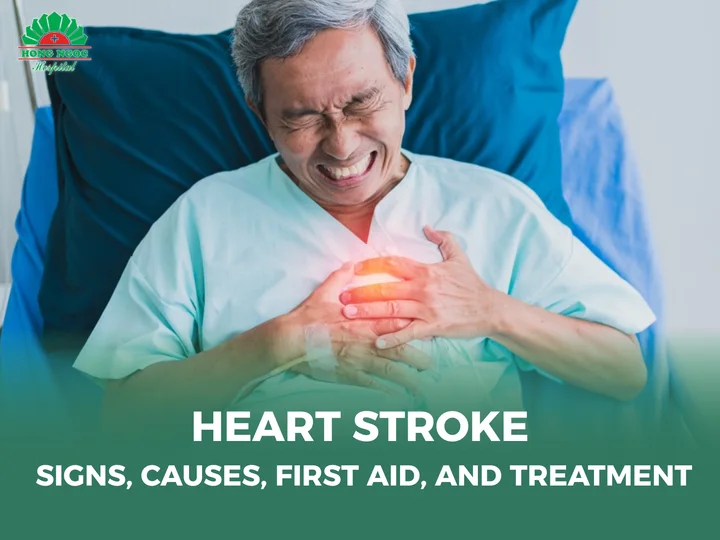
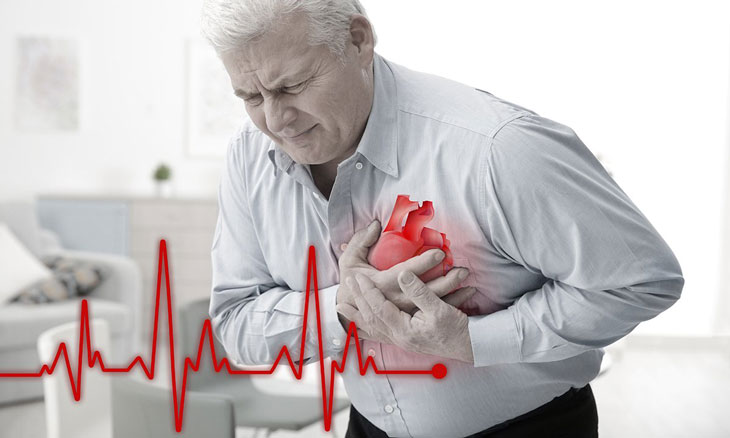
Angina pectoris in elderly patients may present with atypical or nonspecific symptoms, ranging from mild discomfort to severe chest pain described as a heavy pressure or tightness over the chest. The pain may radiate to the back, shoulders, arms, or extend to the neck. In some cases, patients may also report symptoms resembling indigestion, such as bloating or epigastric discomfort.
During an anginal episode, patients may experience associated symptoms including diaphoresis, dizziness, dyspnea, and in severe cases, syncope.
Angina pectoris can be classified into several types, each presenting with distinct clinical features, including:
- Nocturnal angina: Anginal episodes may occur at night due to sudden fluctuations in heart rate, respiration, and blood pressure, often associated with vivid dreams or nightmares. These episodes are frequently accompanied by paroxysmal nocturnal dyspnea, particularly when the patient is in a supine position. Lying flat increases venous return to the heart, elevating myocardial wall stress and oxygen demand; when this demand is not adequately met, dyspnea ensues.
- Angina at rest (supine angina): Elderly patients may experience angina even during rest. This condition is often associated with tachycardia and elevated blood pressure. These hemodynamic changes may precipitate anginal episodes or result from myocardial ischemia due to plaque rupture and subsequent thrombus formation. If chest pain persists and myocardial oxygen demand is not met, it may progress to acute myocardial infarction.
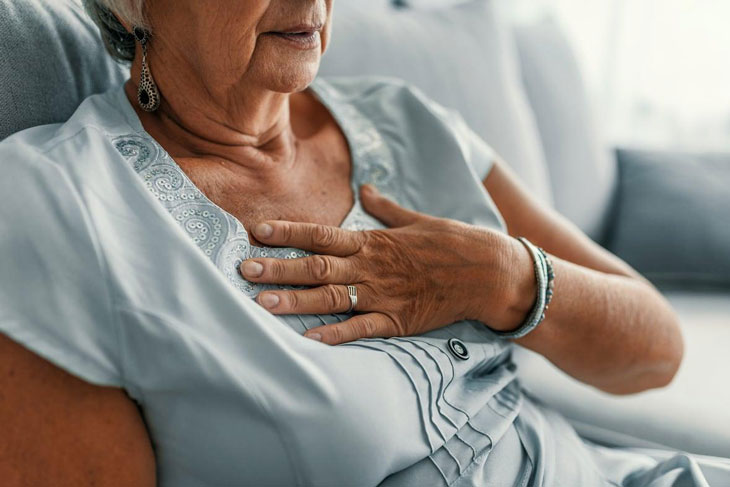
Is angina pectoris in the elderly dangerous?
Angina pectoris is a significant clinical warning sign of underlying cardiovascular diseases, as well as potential respiratory or gastrointestinal disorders. When anginal episodes are unstable occurring frequently at different times and progressively increasing in severity they should be considered a serious and concerning condition.
If chest pain becomes severe, persists for more than 15 minutes, and does not improve with rest or medication, it may indicate acute myocardial infarction. Without prompt emergency intervention, irreversible myocardial damage may occur, potentially leading to sudden death.
When is emergency care required for angina?
If angina occurs, the patient should immediately sit down and rest to help alleviate symptoms. If previously prescribed, anti-anginal medication should be taken as directed. However, in the following situations, urgent medical attention is required, as these may indicate a life-threatening condition:
- New-onset angina that is severe in intensity
- Chest pain lasting more than a few minutes
- Angina associated with dyspnea
- Anginal episodes in the elderly accompanied by marked anxiety or a sense of impending doom
Do not delay seeking medical attention when experiencing severe angina, as it is a critical warning sign of a potentially life-threatening condition.
What should be done in elderly patients with angina pectoris?
When experiencing angina pectoris, the following measures should be implemented to alleviate symptoms and reduce the frequency and severity of episodes:
- Smoking cessation: Patients should stop smoking immediately, as tobacco use exacerbates anginal symptoms and worsens cardiovascular outcomes.
- Blood pressure control: Individuals with hypertension should monitor their blood pressure regularly and adhere to appropriate treatment to maintain optimal control.
- Weight management: Overweight or obese patients are advised to lose weight to reduce cardiac workload and alleviate pressure on the chest, which also contributes to better blood pressure control.
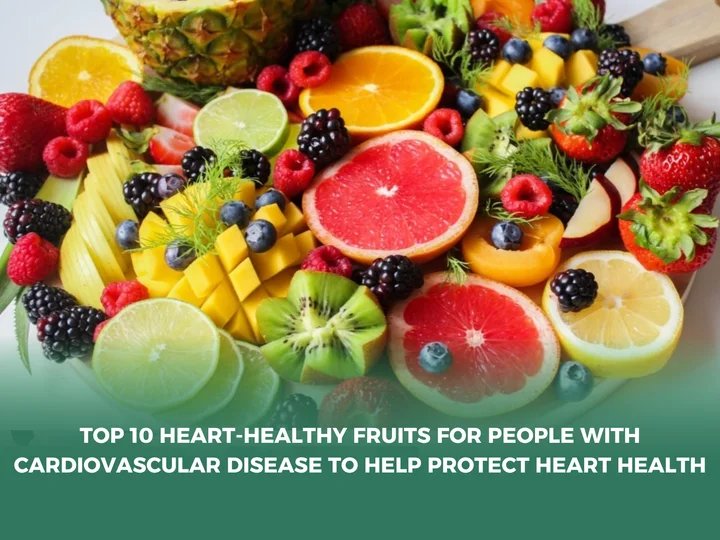
- Cholesterol reduction: Lipid levels can be improved through dietary modification such as increasing intake of vegetables and fruits, while limiting red meat, organ meats, and unhealthy fats combined with regular physical activity.
- Appropriate physical activity: Engage in moderate-intensity exercise for approximately 20–30 minutes per day, tailored to individual health status. Suitable activities include walking, swimming, cycling, light aerobic exercise, or gardening. Strenuous exertion and high-intensity activities should be avoided, as they may precipitate anginal episodes.

- Dietary recommendations:
- Avoid excessive intake of high-fat foods such as fatty meats, butter, whole milk, processed foods, and cheese. It is advisable to limit total fat intake and prioritize mono-unsaturated and polyunsaturated fats.
- Consume oily fish 2–3 times per week, including herring, mackerel, sardines, salmon, or fresh tuna.
- Choose lean meats and poultry, such as skinless chicken.
- Limit fried and greasy foods; when necessary, use healthier oils such as sunflower, canola, or olive oil.
- Reduce sodium intake and avoid heavily salted or processed foods.
- Some studies suggest that small amounts of alcohol may have potential cardiovascular benefits; however, the optimal amount is not well established. Therefore, alcohol consumption should be strictly limited, as excessive intake is detrimental to overall health.
An evidence-based and effective strategy for cardiovascular health protection is to undergo routine health check-ups every 6–12 months. Regular screening allows for continuous monitoring of overall health status, early detection of abnormalities, and timely intervention.
For individuals experiencing angina, periodic cardiovascular evaluation and strict adherence to specialist recommendations are essential to optimize health outcomes and prevent potentially serious complications.
Register for a cardiovascular check-up with the cardiology team at Hong Ngoc General Hospital here:
Note: The information provided in this article by Hong Ngoc General Hospital is for reference purposes only and does not substitute for professional medical diagnosis or treatment. Patients should not self-medicate. For an accurate assessment of their condition, individuals are advised to visit a healthcare facility for direct examination, diagnosis, and appropriate treatment planning by qualified physicians.
Follow the official fanpage of Hong Ngoc General Hospital for more useful health information: https://www.facebook.com/BenhvienHongNgoc