

Night sweats during pregnancy are a fairly common condition. What causes this phenomenon? Does excessive sweating during pregnancy affect maternal health, and how can it be managed? Let us explore these questions with Hong Ngoc General Hospital.
Night sweats are a common condition in pregnant women
Sweat glands are regulated by the parasympathetic nervous system. When this system is stimulated, it activates the sweat glands to produce more sweat. However, when sweating occurs while the body is at rest, particularly during sleep at night without any physical activity, it is commonly referred to as night sweats.
Night sweats most frequently occur on the back, forehead, armpits, groin, palms, and soles, as these areas contain a high concentration of active sweat glands beneath the skin. Sweat is composed of more than 90 percent water, along with small amounts of salt and metabolic waste products that the body eliminates.
If you experienced night sweats before pregnancy, the condition may become more pronounced during pregnancy. In such cases, it is advisable to consult a physician for appropriate guidance and care.
Causes of night sweats during pregnancy
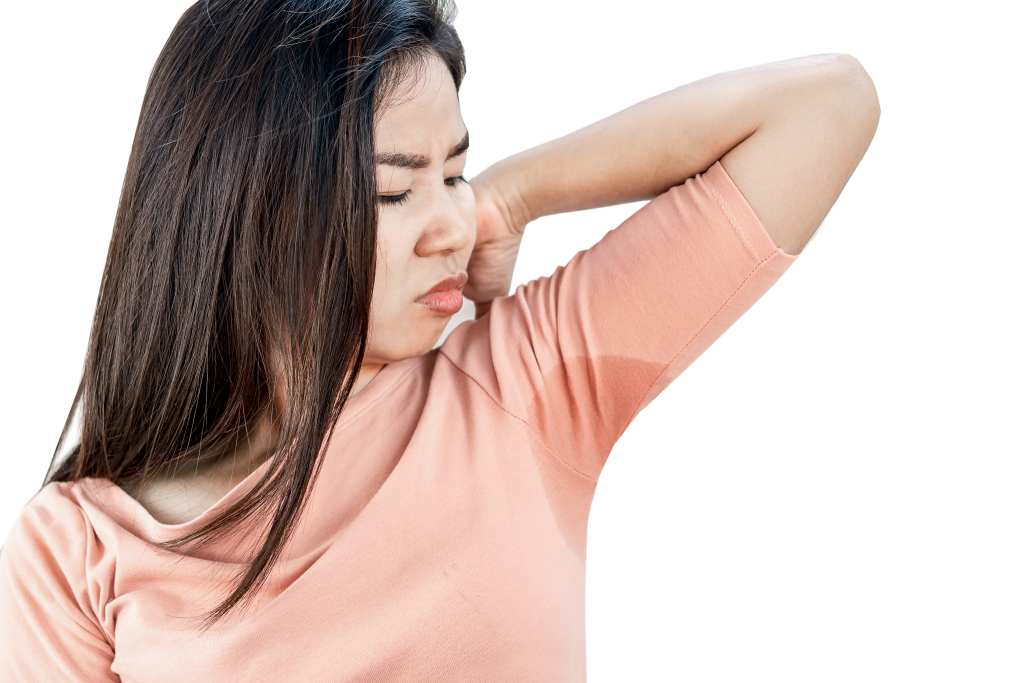
Night sweats are a common condition during pregnancy.
Hormonal changes that disrupt endocrine balance are the primary cause of night sweats during pregnancy. Reduced estrogen levels and increased progesterone can affect the brain region responsible for regulating body temperature, making pregnant women feel warmer and sweat more than usual. This condition is similar to the mechanism that occurs during perimenopause and menopause.
In addition, during pregnancy, elevated corticosteroid levels in the bloodstream may stimulate the adrenal glands to become more active, which can also contribute to excessive sweating at night.
In addition, night sweats during pregnancy may also result from several other factors, including:
Thyroid changes: During pregnancy, the function of certain organs may change, and some women may develop thyroid disorders such as hypothyroidism or hyperthyroidism. If not managed promptly, thyroid conditions can not only cause night sweats but may also affect fetal health.
Medications: The use of certain medications during pregnancy, such as antidepressants or anti nausea drugs, may increase body temperature and contribute to excessive sweating at night.
Dietary habits: Another contributing factor is dietary intake. Consuming excessive spicy foods or foods and beverages containing caffeine may stimulate the body and increase sweat production.
Contact the hotline at 0919 645 271 or fill in the form below to receive consultation on comprehensive maternity care packages with experienced obstetric specialists.
Are night sweats during pregnancy dangerous?
Many expectant mothers wonder whether night sweats during pregnancy are harmful. In most cases, night sweats during pregnancy do not significantly affect the health of the mother or the fetus. This condition usually resolves on its own after childbirth, when hormone levels gradually return to normal balance.
The main concern for pregnant women experiencing night sweats is disrupted sleep. You may wake up in the middle of the night with sleepwear soaked in sweat. If excessive sweating occurs, it is advisable to get out of bed, change into dry sleepwear, or even replace the bed sheets. Although this may be somewhat inconvenient, it helps maintain comfort and overall well being.
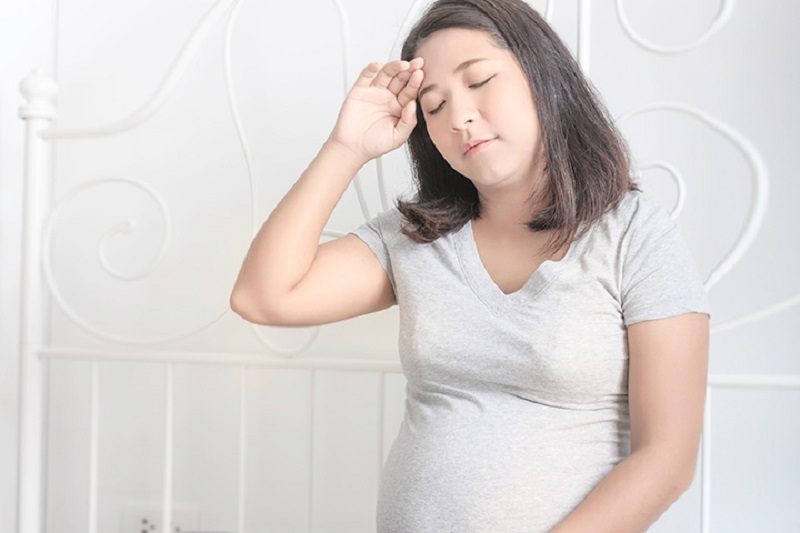
Managing night sweats early helps prevent disruption to daily life.
If night sweats occur together with symptoms such as chest pain, shortness of breath, skin rash, itching, or elevated blood pressure, pregnant women should contact a physician and visit the nearest medical facility for prompt medical evaluation.
How long do night sweats last during pregnancy?
Night sweats in pregnant women often peak during the first trimester, when hormonal changes are most significant. During this period, a pregnant woman’s body temperature may increase by approximately 0.5 to 1°C to adapt to the developing fetus. In some women, excessive sweating may persist throughout pregnancy and even continue after childbirth.
In certain cases, inadequate postpartum care or excessive dietary restrictions after delivery may also contribute to persistent night sweats.
Increased sweating in pregnant women typically occurs at night, when the body is in a deep resting state. Upon waking, many women notice that their body is soaked in sweat and their clothes are damp, particularly in areas such as the back, armpits, and groin, where sweat glands are more active.
Ways to manage night sweats during pregnancy
There are several measures that can help reduce night sweats during pregnancy. Although it may not be possible to eliminate the condition entirely, these steps can help minimize sweating and improve sleep quality.
If the bedroom environment is too warm, it may increase sweating during sleep. Therefore, consider opening windows, using a fan, or adjusting the air conditioning to maintain a comfortable temperature depending on your living environment.
Wearing thick sleepwear or using heavy blankets may also contribute to excessive sweating at night. Choosing lighter clothing and breathable bedding can help reduce discomfort and improve sleep.
Choose lightweight sleepwear to avoid overheating during the night. Sleepwear made from cotton can help keep the body cool and allow better breathability. Avoid using heavy or thick blankets. Instead, opt for light cotton blankets, which can help regulate body temperature and reduce excessive sweating.
Some pregnant women also find that taking a warm shower before bedtime and wearing thin sleepwear can help reduce night sweats and improve sleep comfort.
Light physical activity can help reduce night sweats during pregnancy.
Because night sweats during pregnancy may lead to fluid loss, it is advisable to keep a cotton towel and a glass of water near the bedside. If you wake up during the night, you can use the towel to wipe away sweat and drink a small amount of water to cool your body before returning to sleep.
Getting adequate rest is also important for proper regulation of body temperature by the brain. Pregnant women should try to go to bed early and maintain a regular sleep schedule. Ideally, expectant mothers should aim for about eight hours of sleep each night.
Daily habits and nutritional intake can also influence the occurrence of night sweats during pregnancy.
For example, a sedentary and unhealthy lifestyle may worsen night sweats during pregnancy. In contrast, regular and appropriate physical activity helps improve overall health, maintain hormonal balance, and support the brain’s temperature regulation center, thereby reducing excessive sweating at night.
Dietary considerations for pregnant women experiencing night sweats
Pregnant women with night sweats should pay attention to certain dietary habits:
Limit caffeine, alcohol, and spicy foods in the daily diet, as these substances may stimulate the body and increase sweating.
Avoid consuming sugary foods before bedtime, since sugar can stimulate metabolism and potentially trigger excessive sweating at night.
Soy based foods may be beneficial because they contain phytoestrogens, which can help support hormonal balance and may reduce night sweats.
When should pregnant women consult a doctor?
Although night sweats during pregnancy are usually not harmful to the pregnancy, in certain situations expectant mothers should seek medical advice, including the following:
Persistent itching or unexplained skin rashes
Excessive sweating even in a cool environment
Night sweats accompanied by high fever and an increased heart rate
The symptoms mentioned above may be warning signs that a pregnant woman is experiencing underlying health conditions. Therefore, expectant mothers should attend regular prenatal check ups as recommended by their physicians to monitor pregnancy and allow early detection and management of any abnormalities affecting the mother or fetus.
Note: The information provided in articles published by Hong Ngoc General Hospital is for reference purposes only and does not replace professional medical diagnosis or treatment.
Night sweats during pregnancy are a fairly common condition. What causes this phenomenon? Does excessive sweating during pregnancy affect maternal health, and how can it be managed? Let us explore these questions with Hong Ngoc General Hospital.
Night sweats are a common condition in pregnant women
Sweat glands are regulated by the parasympathetic nervous system. When this system is stimulated, it activates the sweat glands to produce more sweat. However, when sweating occurs while the body is at rest, particularly during sleep at night without any physical activity, it is commonly referred to as night sweats.
Night sweats most frequently occur on the back, forehead, armpits, groin, palms, and soles, as these areas contain a high concentration of active sweat glands beneath the skin. Sweat is composed of more than 90 percent water, along with small amounts of salt and metabolic waste products that the body eliminates.
If you experienced night sweats before pregnancy, the condition may become more pronounced during pregnancy. In such cases, it is advisable to consult a physician for appropriate guidance and care.
Causes of night sweats during pregnancy
Night sweats are a common condition during pregnancy.
Hormonal changes that disrupt endocrine balance are the primary cause of night sweats during pregnancy. Reduced estrogen levels and increased progesterone can affect the brain region responsible for regulating body temperature, making pregnant women feel warmer and sweat more than usual. This condition is similar to the mechanism that occurs during perimenopause and menopause.
In addition, during pregnancy, elevated corticosteroid levels in the bloodstream may stimulate the adrenal glands to become more active, which can also contribute to excessive sweating at night.
In addition, night sweats during pregnancy may also result from several other factors, including:
Thyroid changes: During pregnancy, the function of certain organs may change, and some women may develop thyroid disorders such as hypothyroidism or hyperthyroidism. If not managed promptly, thyroid conditions can not only cause night sweats but may also affect fetal health.
Medications: The use of certain medications during pregnancy, such as antidepressants or anti nausea drugs, may increase body temperature and contribute to excessive sweating at night.
Dietary habits: Another contributing factor is dietary intake. Consuming excessive spicy foods or foods and beverages containing caffeine may stimulate the body and increase sweat production.
Contact the hotline at 0919 645 271 or fill in the form below to receive consultation on comprehensive maternity care packages with experienced obstetric specialists.
Are night sweats during pregnancy dangerous?
Many expectant mothers wonder whether night sweats during pregnancy are harmful. In most cases, night sweats during pregnancy do not significantly affect the health of the mother or the fetus. This condition usually resolves on its own after childbirth, when hormone levels gradually return to normal balance.
The main concern for pregnant women experiencing night sweats is disrupted sleep. You may wake up in the middle of the night with sleepwear soaked in sweat. If excessive sweating occurs, it is advisable to get out of bed, change into dry sleepwear, or even replace the bed sheets. Although this may be somewhat inconvenient, it helps maintain comfort and overall well being.
Managing night sweats early helps prevent disruption to daily life.
If night sweats occur together with symptoms such as chest pain, shortness of breath, skin rash, itching, or elevated blood pressure, pregnant women should contact a physician and visit the nearest medical facility for prompt medical evaluation.
How long do night sweats last during pregnancy?
Night sweats in pregnant women often peak during the first trimester, when hormonal changes are most significant. During this period, a pregnant woman’s body temperature may increase by approximately 0.5 to 1°C to adapt to the developing fetus. In some women, excessive sweating may persist throughout pregnancy and even continue after childbirth.
In certain cases, inadequate postpartum care or excessive dietary restrictions after delivery may also contribute to persistent night sweats.
Increased sweating in pregnant women typically occurs at night, when the body is in a deep resting state. Upon waking, many women notice that their body is soaked in sweat and their clothes are damp, particularly in areas such as the back, armpits, and groin, where sweat glands are more active.
Ways to manage night sweats during pregnancy
There are several measures that can help reduce night sweats during pregnancy. Although it may not be possible to eliminate the condition entirely, these steps can help minimize sweating and improve sleep quality.
If the bedroom environment is too warm, it may increase sweating during sleep. Therefore, consider opening windows, using a fan, or adjusting the air conditioning to maintain a comfortable temperature depending on your living environment.
Wearing thick sleepwear or using heavy blankets may also contribute to excessive sweating at night. Choosing lighter clothing and breathable bedding can help reduce discomfort and improve sleep.
Choose lightweight sleepwear to avoid overheating during the night. Sleepwear made from cotton can help keep the body cool and allow better breathability. Avoid using heavy or thick blankets. Instead, opt for light cotton blankets, which can help regulate body temperature and reduce excessive sweating.
Some pregnant women also find that taking a warm shower before bedtime and wearing thin sleepwear can help reduce night sweats and improve sleep comfort.
Light physical activity can help reduce night sweats during pregnancy.
Because night sweats during pregnancy may lead to fluid loss, it is advisable to keep a cotton towel and a glass of water near the bedside. If you wake up during the night, you can use the towel to wipe away sweat and drink a small amount of water to cool your body before returning to sleep.
Getting adequate rest is also important for proper regulation of body temperature by the brain. Pregnant women should try to go to bed early and maintain a regular sleep schedule. Ideally, expectant mothers should aim for about eight hours of sleep each night.
Daily habits and nutritional intake can also influence the occurrence of night sweats during pregnancy.
For example, a sedentary and unhealthy lifestyle may worsen night sweats during pregnancy. In contrast, regular and appropriate physical activity helps improve overall health, maintain hormonal balance, and support the brain’s temperature regulation center, thereby reducing excessive sweating at night.
Dietary considerations for pregnant women experiencing night sweats
Pregnant women with night sweats should pay attention to certain dietary habits:
Limit caffeine, alcohol, and spicy foods in the daily diet, as these substances may stimulate the body and increase sweating.
Avoid consuming sugary foods before bedtime, since sugar can stimulate metabolism and potentially trigger excessive sweating at night.
Soy based foods may be beneficial because they contain phytoestrogens, which can help support hormonal balance and may reduce night sweats.
When should pregnant women consult a doctor?
Although night sweats during pregnancy are usually not harmful to the pregnancy, in certain situations expectant mothers should seek medical advice, including the following:
Persistent itching or unexplained skin rashes
Excessive sweating even in a cool environment
Night sweats accompanied by high fever and an increased heart rate
The symptoms mentioned above may be warning signs that a pregnant woman is experiencing underlying health conditions. Therefore, expectant mothers should attend regular prenatal check ups as recommended by their physicians to monitor pregnancy and allow early detection and management of any abnormalities affecting the mother or fetus.
Note: The information provided in articles published by Hong Ngoc General Hospital is for reference purposes only and does not replace professional medical diagnosis or treatment.
Để lại câu hỏi của bạn để nhận được giải đáp từ các bác sĩ của Hồng Ngọc
Lorem ipsum dolor
Lorem ipsum dolor sit amet, consectetur adipiscing elit. Mauris odio lectus, pretium faucibus nisi eu, accumsan consectetur orci. In blandit vehicula nisl, vel lacinia ligula finibus a. Donec fermentum rhoncus