
Hot weather may increase the risk of cardiovascular and neurological health problems, particularly among older adults and people with underlying medical conditions. More concerningly, many signs of stroke can easily be mistaken for heatstroke, heat exhaustion, or a routine drop in blood pressure. According to doctors at the Stroke Center of Hong Ngoc General Hospital, recognizing the symptoms correctly and seeking timely medical care within the first few hours can significantly improve the chances of successful treatment. Below are seven warning signs of stroke that require special attention during hot weather.
Medical disclaimer: This article is intended for reference purposes only and is not a substitute for medical diagnosis or emergency management. If suspected signs of stroke occur, such as facial drooping, weakness or numbness on one side of the body, difficulty speaking, sudden blurred vision, loss of balance, severe headache, confusion, or fainting, emergency medical services should be contacted immediately. Patients should not self-administer antihypertensive medications, aspirin, anticoagulants, or use folk remedies without a doctor’s prescription.
Quick answer: The seven warning signs of stroke during hot weather include sudden loss of balance, blurred vision or vision loss, facial drooping or facial asymmetry, weakness or numbness in one arm or leg, difficulty speaking, an unusually severe headache, and altered consciousness. When a stroke is suspected, emergency medical services should be called immediately, the time of symptom onset should be noted, and the patient should be taken to a medical facility capable of managing stroke as soon as possible.

Hot weather increases the risk of stroke.
Professional consultation: This article was medically reviewed by a cardiology specialist at Hong Ngoc General Hospital.
Last updated: May 20, 2026.
Quick summary of the article
Hot weather may increase the risk of stroke in vulnerable groups through dehydration, fluctuations in blood pressure, increased cardiovascular strain, and electrolyte imbalance. The World Health Organization (WHO) has noted that heat stress can worsen underlying conditions such as cardiovascular disease and diabetes.
Stroke symptoms often occur suddenly and may include facial drooping, weakness or numbness on one side of the body, difficulty speaking, blurred vision, loss of balance, a severe headache, or confusion. The Centers for Disease Control and Prevention (CDC) emphasizes that when a stroke occurs, every minute matters.
People should remember the BE-FAST rule: Balance – loss of balance; Eyes – vision changes; Face – facial drooping; Arms – arm weakness; Speech – difficulty speaking; Time – call emergency services immediately. The American Stroke Association (ASA) uses BE-FAST to help identify early signs of stroke.
Do not give food or drinks to a person suspected of having a stroke, and do not self-administer aspirin, anticoagulants, antihypertensive medications, or apply folk remedies.
If it is unclear whether the condition is a stroke or heatstroke, it should still be treated as a medical emergency, and emergency medical assistance should be sought immediately.
Why can hot weather increase the risk of stroke?
Hot weather is not a direct cause of stroke in every case. However, during prolonged heatwaves, the body is more likely to experience dehydration, electrolyte imbalance, and fluctuations in blood pressure. These changes may increase the risk of cardiovascular and neurological events in people who already have underlying risk factors.
In hot weather, the body produces more sweat to regulate temperature. If fluid intake is insufficient, circulating blood volume may decrease, the blood may become more concentrated, and the heart has to work harder to maintain blood flow to the brain, heart, and other organs. The Centers for Disease Control and Prevention (CDC) notes that heat stress can increase cardiovascular demand, promote dehydration, contribute to blood clot formation, and cause electrolyte imbalance, all of which may play a role in cardiovascular events.
In people with hypertension, atrial fibrillation, coronary artery disease, heart failure, diabetes, or a history of stroke, heat-related changes may further destabilize underlying conditions. Therefore, during hot weather, patients should not only prevent dehydration and heatstroke but also recognize the early signs of stroke to seek emergency care in a timely manner.
BE-FAST is a simple way to remember the warning signs of stroke and is especially useful for family members when making an initial assessment. The American Stroke Association (ASA) recommends watching for signs such as loss of balance, vision changes, facial drooping, arm weakness, speech difficulty, and calling emergency services immediately.
B – Balance: The patient suddenly experiences severe dizziness, unsteady gait, or loss of coordination.
E – Eyes: Sudden blurred vision, double vision, or vision loss in one or both eyes.
F – Face: Facial drooping, facial asymmetry, or an uneven smile.
A – Arms: Weakness or numbness on one side of the arm or leg, or inability to raise one arm.
S – Speech: Difficulty speaking, slurred speech, unclear speech, or inability to understand speech.
T – Time: Call emergency services immediately and note the time when symptoms first appeared.
The key point is that stroke symptoms usually occur suddenly. Do not wait to see whether the symptoms resolve on their own.
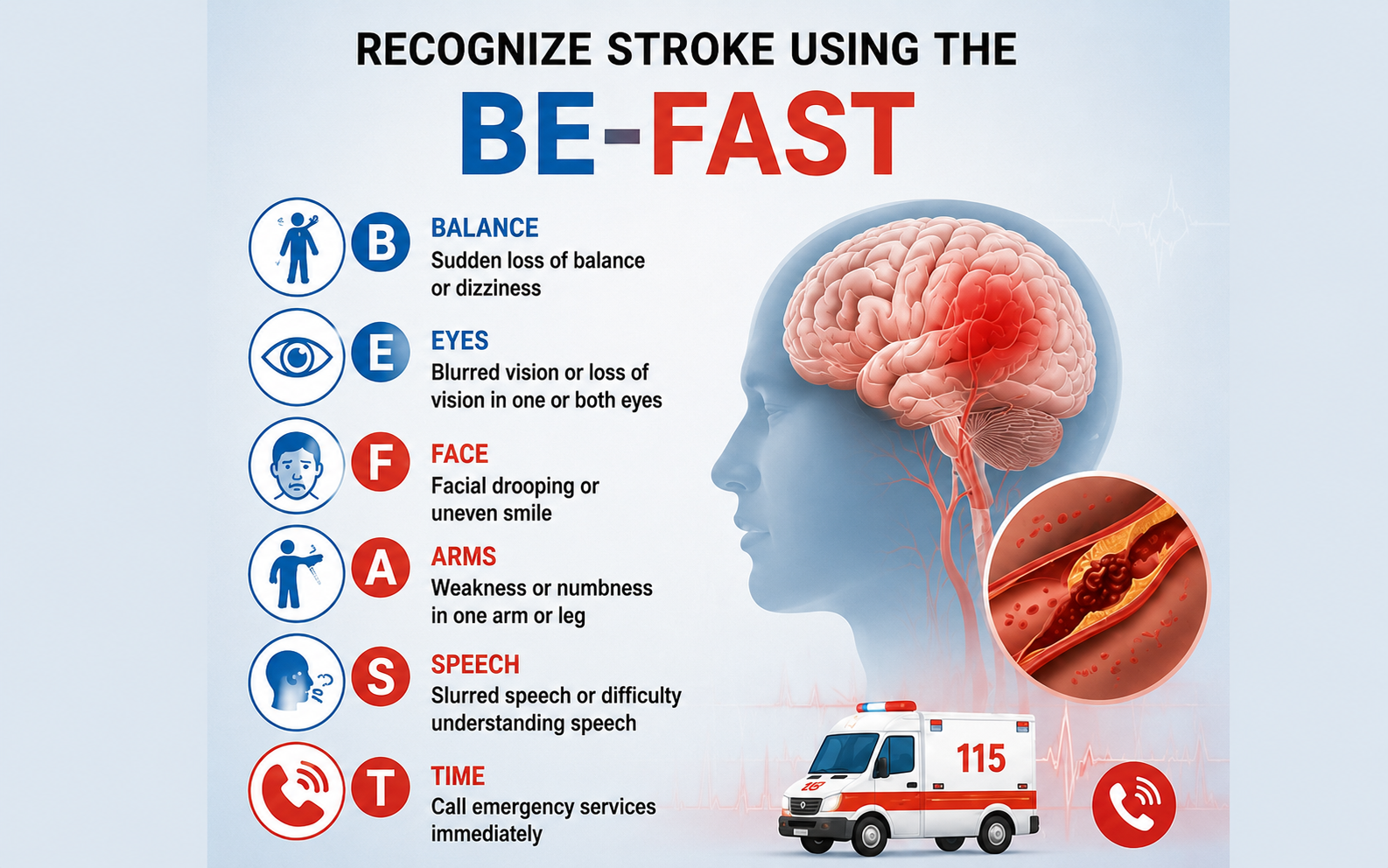
Stroke recognition rule
Table: 7 warning signs of stroke during hot weather
Warning sign
What family members may observe
Why it is dangerous?
What to do?
Facial drooping or facial asymmetry
An uneven smile, drooping on one side of the mouth, or drooling
This may indicate damage to the area of the brain that controls facial muscles
Call emergency services immediately
Weakness or numbness on one side of the body
One arm drops, the patient walks to one side, or cannot hold objects firmly
This is a focal neurological sign commonly seen in stroke
Call emergency services and note the time of symptom onset
Difficulty speaking or understanding speech
Slurred speech, incorrect word use, or inability to repeat a simple sentence
The language area of the brain or neural pathways may be affected
Do not give the patient food or drink; call emergency services
Blurred vision or vision loss
Blurred vision in one eye, double vision, or loss of part of the visual field
This may involve the visual processing area of the brain or the blood vessels supplying the eyes or brain
Seek emergency care as soon as possible
Dizziness or loss of balance
Unsteady gait, leaning to one side, or severe dizziness, especially when accompanied by double vision, speech difficulty, weakness, or numbness
This may occur in cerebellar or brainstem stroke
Do not allow the patient to drive; call emergency services
Unusually severe headache
A thunderclap headache or the worst headache the patient has ever experienced
This may suggest intracerebral hemorrhage or another neurological emergency
Seek emergency care immediately
Confusion or altered consciousness
Slow responses, drowsiness, failure to recognize family members, or fainting
This may indicate severe brain injury or another medical emergency
Call emergency services immediately
7 warning signs of stroke during hot weather
1. Sudden facial drooping or facial asymmetry
Facial drooping is one of the most recognizable signs of stroke. The patient may suddenly develop an uneven smile, drooping at one corner of the mouth, deviation of the philtrum, or drooling due to impaired control of the mouth muscles.
Family members can ask the patient to smile or show their teeth. If the face appears clearly asymmetrical, especially when the symptom develops suddenly, stroke should be suspected. Do not wait for the symptom to resolve on its own, as even transient symptoms may be warning signs that require medical evaluation.
Facial drooping caused by stroke may be mistaken for peripheral facial palsy or heat-related fatigue. However, if facial drooping is accompanied by limb weakness, speech difficulty, blurred vision, or loss of balance, emergency medical services should be called immediately.

Facial drooping is an easily recognizable sign of stroke.
2. Weakness or numbness on one side of the body
Weakness or numbness on one side of the arms or legs is an important focal neurological sign. The patient may suddenly drop an object they are holding, be unable to raise one arm, walk to one side, or feel as if one half of the body is “not responding.”
A simple check is to ask the patient to raise both arms forward at the same time. If one arm drifts downward after a few seconds or cannot be lifted, stroke should be suspected.
During hot weather, many people may mistake limb weakness for fatigue, heat exhaustion, or low blood pressure. The key point to remember is that stroke symptoms usually occur suddenly and tend to affect one side of the body. If one-sided weakness or numbness occurs, the patient should not simply rest and monitor symptoms at home.
3. Difficulty speaking, slurred speech, or difficulty understanding speech
Stroke may affect the areas of the brain responsible for language or the neural pathways involved in speech articulation. The patient may suddenly develop slurred speech, unclear speech, difficulty expressing thoughts, incorrect word use, or difficulty understanding what others are saying.
A simple way to check is to ask the patient to repeat a short sentence, such as: “It is very hot today.” If the patient cannot speak clearly, uses the wrong words, fails to complete the sentence, or does not understand the instruction, emergency services should be called immediately.
Difficulty speaking should not be dismissed as fatigue, heatstroke, or “low blood pressure” if it develops suddenly. This is one of the most important signs for recognizing stroke.
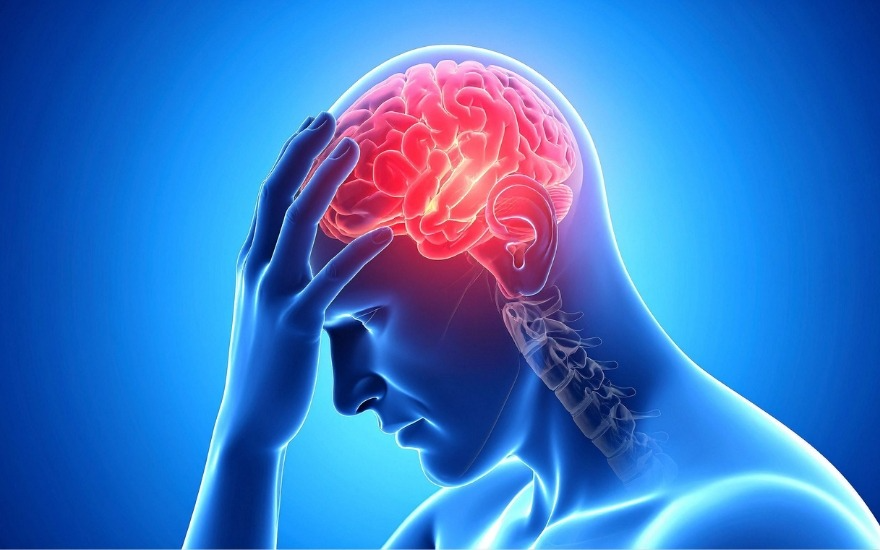
Stroke-related brain injury can cause difficulty speaking.
4. Sudden blurred vision, double vision, or vision loss
Not all strokes begin with weakness or paralysis. Some patients may experience visual symptoms, such as sudden blurred vision, double vision, loss of vision in one eye, or loss of part of the visual field.
This symptom may occur when the area of the brain responsible for visual processing or the blood vessels associated with vision are affected. Because it is not painful, many people may mistake it for eye strain, lack of sleep, low blood pressure, or glare from strong sunlight.
If vision changes occur suddenly, especially when accompanied by loss of balance, difficulty speaking, limb weakness, or a severe headache, the condition should be treated as a suspected stroke.
5. Dizziness, loss of balance, or unsteady gait
Dizziness is a very common symptom during summer, but it is not always caused by heatstroke or dehydration. If dizziness occurs suddenly and severely, causing the patient to lose balance, walk to one side, or have poor coordination, cerebellar or brainstem stroke should be suspected.
The warning signs become even more concerning if the patient also experiences double vision, difficulty speaking, difficulty swallowing, limb weakness, numbness on one side of the body, or a severe headache. These symptoms are often overlooked because patients and their families may attribute them to vestibular disorders or heat-related fatigue.
If the patient has severe dizziness and cannot walk steadily, they should not be allowed to drive or move around alone. Emergency services should be called, or the patient should be taken to an appropriate medical facility as soon as possible.

Severe dizziness may be a sign of cerebellar stroke.
6. Unusually severe headache
A sudden headache of very high intensity may be a warning sign of intracerebral hemorrhage or another neurological emergency. Patients often describe the pain as a “thunderclap headache,” the worst headache they have ever experienced, or pain that rapidly worsens within a short period of time.
The headache is particularly concerning if it is accompanied by nausea, repeated vomiting, neck stiffness, altered consciousness, limb weakness, difficulty speaking, or seizures. Not every headache indicates a stroke, but a sudden and unusually severe headache should not be managed at home with pain relievers alone.
During hot weather, headaches may result from dehydration or heat exhaustion. However, if the headache is unusual, severe, and accompanied by neurological signs, emergency medical care is required.
7. Altered consciousness, confusion, or fainting
In severe cases, stroke can affect areas of the brain that control consciousness or cause increased intracranial pressure. The patient may respond slowly, become confused or drowsy, fail to recognize family members, be unable to follow instructions, or lose consciousness.
Confusion after sun exposure may also occur in heatstroke, severe dehydration, electrolyte imbalance, or hypoglycemia. However, if confusion is accompanied by facial drooping, limb weakness, difficulty speaking, blurred vision, a severe headache, or loss of balance, the situation should be managed as a suspected stroke.
Patients who are confused or drowsy should not be given food, drinks, or medication because of the risk of aspiration. Emergency services should be called immediately. If the patient vomits or has reduced consciousness, they should be placed in the recovery position while waiting for medical assistance.
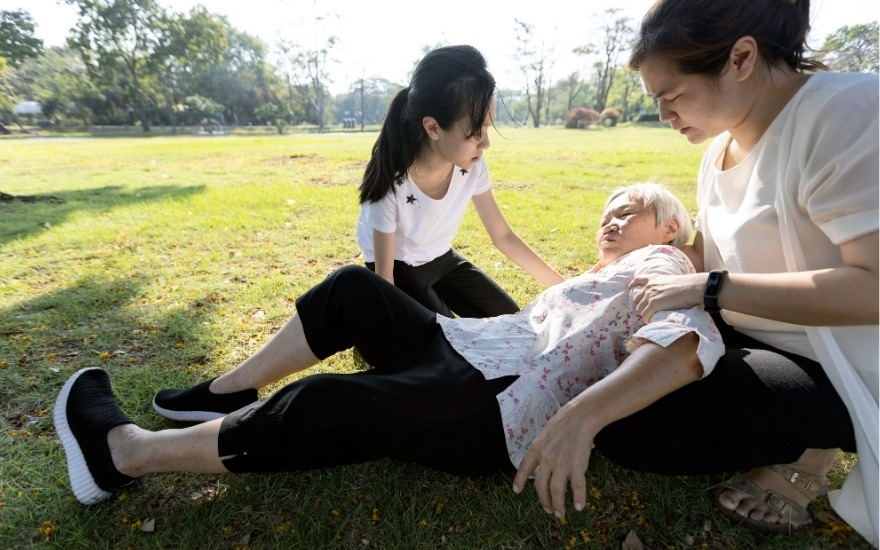
The patient should be placed in the recovery position while waiting for medical personnel.
What should be done when stroke is suspected?
When stroke is suspected, the most important step is to call emergency medical services immediately and note the time when symptoms first appeared. This information is critical because many stroke treatments depend on the time of onset, the type of stroke, brain and vascular imaging findings, and the patient’s specific clinical condition.
What to do
Call emergency services immediately: In Vietnam, call 115. If an ambulance cannot arrive within an appropriate time, the patient should be taken to the nearest medical facility capable of managing stroke. Do not allow the patient to travel alone or drive themselves.
Note the time of symptom onset: If the exact onset time is unclear, record the last time the patient was known to be well.
Place the patient in a safe position: If the patient feels nauseous or becomes drowsy, place them in the recovery position to reduce the risk of aspiration.
Loosen clothing and keep the airway clear: Monitor the patient’s breathing and level of consciousness.
Prepare medical information: This includes current medications, underlying medical conditions, and any history of stroke or transient ischemic attack, hypertension, diabetes, atrial fibrillation, or cardiovascular disease.
What not to do
Do not wait for symptoms to resolve on their own.
Do not give the patient food or drinks because of the risk of aspiration.
Do not administer antihypertensive medications without medical guidance.
Do not self-administer aspirin, anticoagulants, or antiplatelet medications.
Do not use coin rubbing, prick the fingertips to draw blood, or apply folk remedies.
Do not allow the patient to drive themselves or move around alone if they have dizziness, limb weakness, or blurred vision.
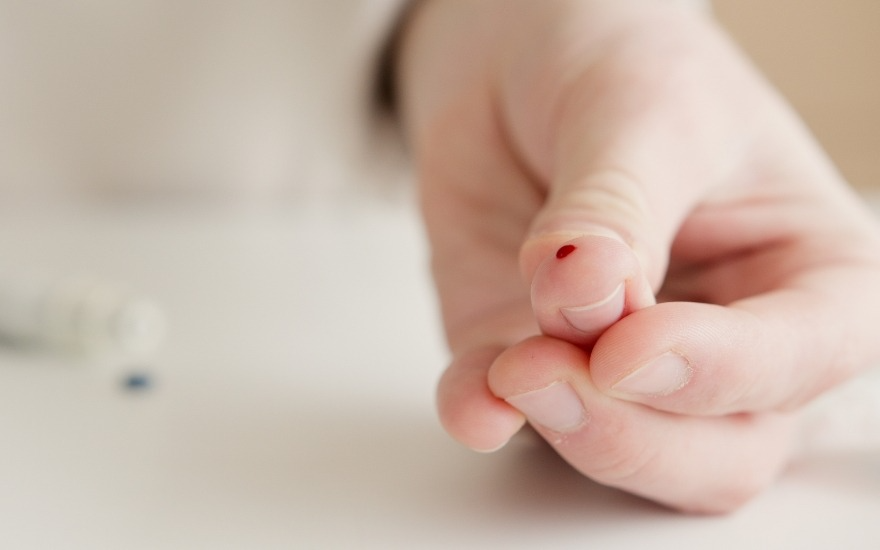
Do not prick the fingertips to draw blood when a stroke is suspected.
Why should aspirin or antihypertensive medication not be taken without medical guidance?
Stroke may be caused by either a blocked blood vessel in the brain or a ruptured cerebral blood vessel. Family members cannot accurately distinguish between these two conditions at home. Taking aspirin, anticoagulants, or antiplatelet medications without medical guidance may increase the risk of bleeding if the patient has a hemorrhagic stroke or other contraindications. Meanwhile, lowering blood pressure improperly may reduce blood flow to the brain, known as cerebral hypoperfusion, or mask warning signs of an underlying condition.
Therefore, the appropriate priority is to call emergency services, take the patient to the hospital as soon as possible, and allow doctors to determine the treatment plan after clinical examination, diagnostic imaging, and specialist assessment.
How long is the “golden window” for stroke treatment?
The “golden window” in stroke should not be understood as a fixed period that applies to every patient. Depending on the type of stroke, time of onset, clinical condition, brain and vascular imaging findings, and contraindications, doctors will determine the most appropriate treatment approach.
For acute ischemic stroke, certain reperfusion therapies, such as intravenous thrombolysis, may be considered within an early treatment window, typically within 4.5 hours from symptom onset or from the last time the patient was known to be well, provided that professional criteria are met. In selected cases of large-vessel occlusion, mechanical thrombectomy may be considered within a longer time window, depending on imaging results and the physician’s assessment.
What family members should remember is that the sooner the patient reaches the hospital, the greater the chance of timely assessment and appropriate treatment. Time should not be wasted waiting, monitoring symptoms at home, or applying folk remedies.

The golden treatment window is typically within 4.5 hours from symptom onset.
Who is at higher risk of stroke during hot weather?
Older adults
Older adults often have a reduced sense of thirst and a diminished ability to regulate body temperature. On hot days, they may become dehydrated without realizing it, leading to fluctuations in blood pressure and making the body more prone to exhaustion.
This group also commonly has multiple risk factors, such as dyslipidemia, hypertension, atrial fibrillation, atherosclerosis, diabetes, or kidney disease. Family members should closely monitor older adults during hot weather if they develop confusion, difficulty speaking, sudden limb weakness, a severe headache, or unusual dizziness.
People with hypertension
Hypertension is a major risk factor for both ischemic stroke and hemorrhagic stroke. In hot weather, blood pressure may fluctuate due to dehydration, vasodilation, heat stress, or inconsistent medication use.
Patients should not stop taking their medication on their own when their blood pressure appears stable. They should also not increase or decrease their medication dose during hot weather without consulting a doctor. Regular blood pressure control is an important foundation for reducing the risk of stroke.
People with cardiovascular disease or atrial fibrillation
Atrial fibrillation, valvular heart disease, and certain cardiovascular conditions such as heart failure may increase the risk of blood clot formation in the heart. If a clot travels to the brain, it can cause an ischemic stroke.
During hot weather, dehydration and electrolyte imbalance may make the heart beat faster, cause palpitations, or worsen arrhythmias. People with cardiovascular disease should seek medical attention promptly if they experience chest pain, shortness of breath, persistent palpitations, fainting, or sudden neurological symptoms.
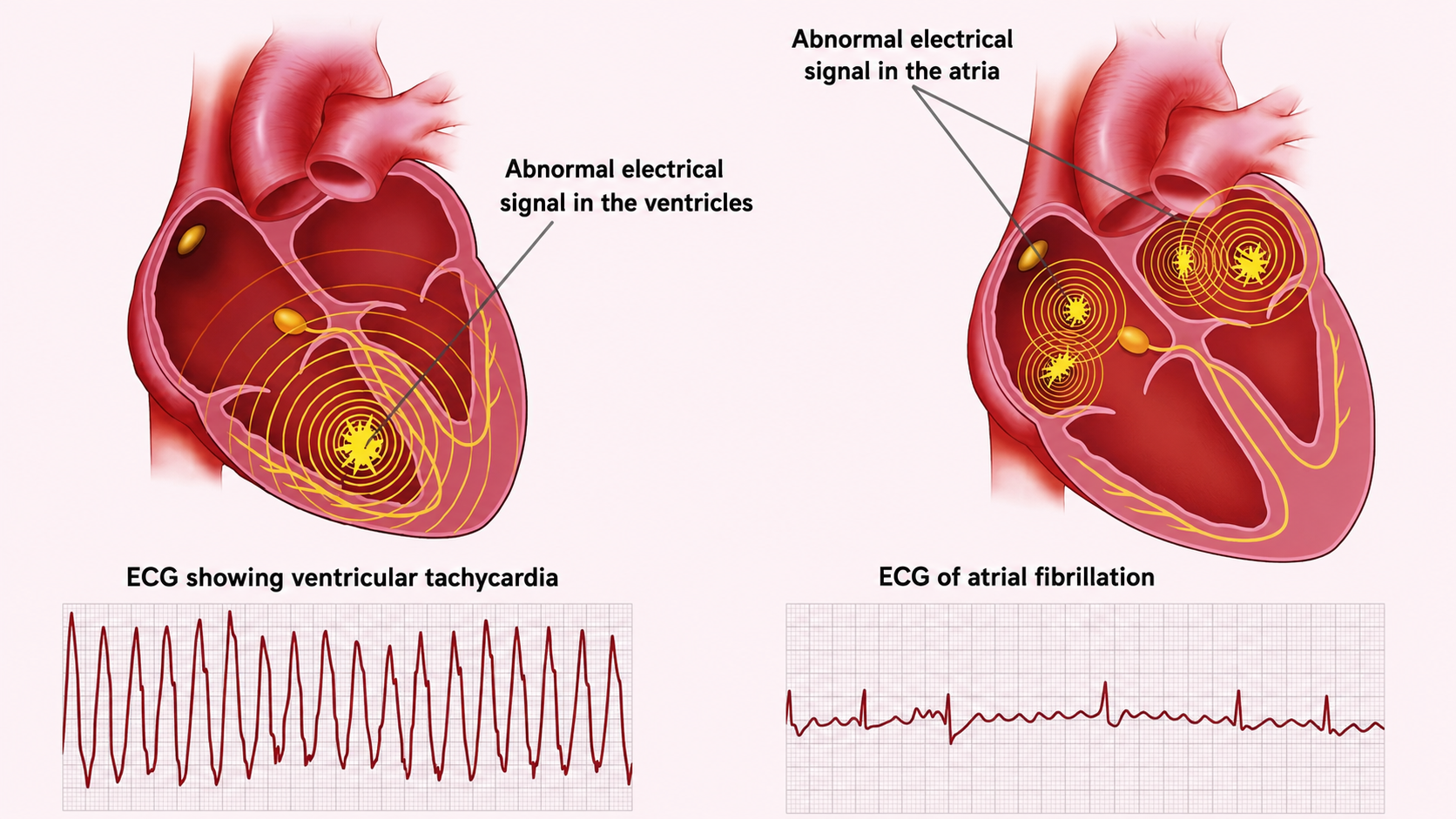
Atrial fibrillation may increase the risk of blood clot formation.
People with diabetes
Long-standing diabetes can damage blood vessels and is often associated with hypertension, dyslipidemia, kidney disease, or obesity. In hot weather, people with diabetes are also more prone to dehydration, especially when high blood glucose levels cause frequent urination.
People with diabetes should control their blood glucose, blood pressure, and blood lipid levels, while maintaining adequate hydration as advised. If difficulty speaking, limb weakness, sudden blurred vision, or confusion occurs, it should not be assumed to be hypoglycemia alone; the risk of stroke also needs to be assessed.
People with a history of stroke or transient ischemic attack
People who have previously had a stroke or transient ischemic attack (TIA) are at higher risk of recurrence than those with no prior history. Even if symptoms such as facial drooping, limb weakness, or difficulty speaking are transient and resolve on their own, patients still need early medical evaluation, as these may be warning signs of a future stroke.
During hot weather, this group should pay particular attention to maintaining appropriate hydration, controlling blood pressure, taking medications as prescribed, and avoiding prolonged outdoor activity.

People with a history of stroke have a higher risk of recurrence.
People who smoke or abuse alcohol
Cigarette smoke damages blood vessels and promotes atherosclerosis. Alcohol can contribute to dehydration and affect blood pressure, heart rhythm, and behavioral control in hot weather.
People who smoke, consume excessive alcohol, are physically inactive, or have dyslipidemia should proactively undergo cardiovascular and metabolic health screening, especially if they also have hypertension or diabetes.
People who work outdoors for long periods
Construction workers, farmers, delivery riders, drivers, couriers, and people who exercise outdoors are at higher risk of dehydration, heat exhaustion, and electrolyte imbalance.
Not every case of dizziness or exhaustion during outdoor work is a stroke. However, if focal neurological signs occur, such as one-sided weakness, difficulty speaking, facial drooping, blurred vision, or sudden loss of balance, emergency services should be called immediately.
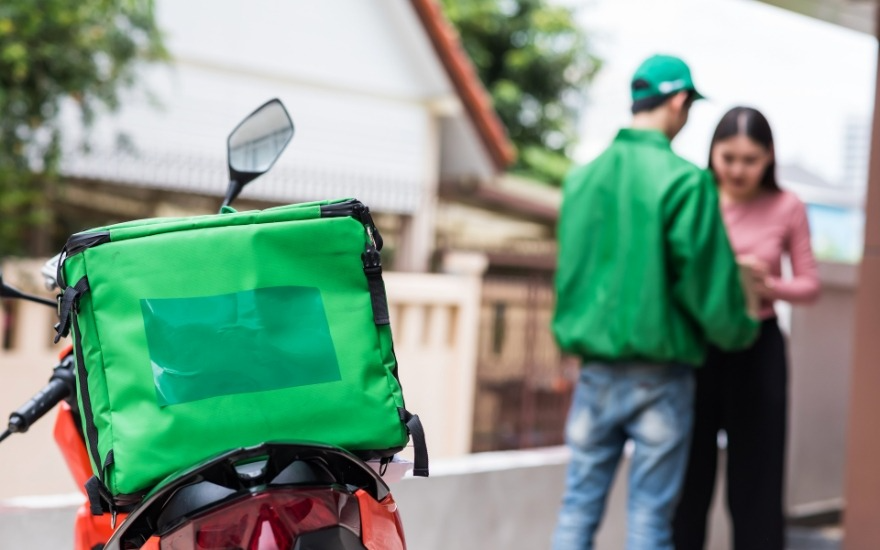
Delivery workers who spend long hours outdoors are at increased risk of dehydration.
How to prevent stroke during hot weather
Drink water regularly, but in accordance with underlying medical conditions
Adults should drink water regularly throughout the day and should not wait until they feel thirsty, especially when going outdoors in hot weather or sweating heavily. Older adults should be reminded to drink water, as their sense of thirst may be reduced. If excessive sweating occurs, appropriate electrolyte replacement may be needed.
However, people with heart failure, kidney disease, or those who have been advised by their doctor to restrict fluid intake should not drink excessive amounts of water on their own. They should consult their doctor about the appropriate daily fluid intake.
Limit outdoor activities during peak heat hours
On days with high temperatures, outdoor activities should be limited during peak heat hours, typically from around noon to 4 p.m. If outdoor work is unavoidable, people should wear a hat, choose breathable clothing, take regular breaks, and maintain appropriate hydration.
Limit outdoor activities during peak heat hours.
Maintain good control of blood pressure, blood glucose, and blood lipid levels
Stroke is often associated with the accumulation of multiple risk factors. Patients should take medications as prescribed, attend follow-up appointments as scheduled, and monitor indicators such as blood pressure, blood glucose, blood lipid levels, and kidney function.
Patients should not stop taking antihypertensive medications, anticoagulants, medications for atrial fibrillation, diabetes medications, or lipid-lowering drugs on their own, even when their readings appear temporarily stable.
Avoid smoking and limit alcohol consumption
Quitting smoking helps reduce the risk of atherosclerosis and blood clot formation. Limiting alcohol intake also helps lower the risk of dehydration, cardiac arrhythmias, and blood pressure fluctuations during hot weather.
Exercise at the right time of day
Physical activity is beneficial for cardiovascular health, but during summer, it is advisable to exercise during cooler periods, such as early morning or late afternoon. High-intensity exercise under intense heat should be avoided, as it may increase the risk of dehydration, heat exhaustion, and cardiovascular events in people with underlying medical conditions.
Undergo health check-ups and risk screening if you are in a high-risk group
Many risk factors, such as hypertension, atrial fibrillation, dyslipidemia, diabetes, or carotid artery stenosis, may not cause obvious symptoms. Regular health check-ups help detect abnormalities early and support the development of an appropriate prevention plan.
For people with a history of transient ischemic attack or stroke, atrial fibrillation, hypertension, diabetes, or cardiovascular disease, regular follow-up visits and consistent medication use as prescribed are particularly important.

Health check-up at Hong Ngoc General Hospital.
Frequently asked questions
Can hot weather cause stroke?
Hot weather is not a direct cause of stroke in every case. However, prolonged heat exposure can increase dehydration, cause fluctuations in blood pressure, and place additional strain on the cardiovascular system. In older adults or people with underlying conditions such as hypertension, atrial fibrillation, diabetes, or cardiovascular disease, these factors may increase the risk of stroke.
Are stroke and heatstroke the same?
No. Stroke is an acute brain injury caused by either a blocked or ruptured blood vessel in the brain. Heat-related illnesses, such as heat exhaustion or heatstroke, are associated with overheating, dehydration, electrolyte imbalance, or impaired body temperature regulation.
However, some symptoms, such as confusion, fainting, dizziness, or extreme fatigue, may cause the two conditions to be mistaken for one another. Therefore, if focal neurological signs occur, such as facial drooping, weakness or numbness on one side of the body, difficulty speaking, blurred vision, or sudden loss of balance, the condition should be managed as a suspected stroke, and emergency services should be called immediately.
What is BE-FAST in stroke recognition?
BE-FAST is a simple way to remember the warning signs of stroke: Balance – loss of balance; Eyes – vision changes; Face – facial drooping; Arms – arm weakness; Speech – difficulty speaking; Time – call emergency services immediately.
Do stroke symptoms that resolve on their own still require medical evaluation?
Yes. Symptoms that resolve on their own may indicate a transient ischemic attack (TIA). Patients still need early medical evaluation, as a TIA may be a warning sign of future stroke risk.
Should aspirin be given to someone suspected of having a stroke?
Aspirin, anticoagulants, antiplatelet medications, or antihypertensive drugs should not be taken without medical evaluation. It is necessary to distinguish between ischemic stroke and hemorrhagic stroke before treatment decisions are made.
When stroke is suspected, should emergency services be called or should the patient be taken to hospital directly?
Emergency services should be called immediately whenever possible. Medical personnel can provide initial support and transport the patient to an appropriate facility. If waiting for an ambulance is not possible, the patient should be taken to a medical facility capable of managing stroke as quickly as possible.
How long is the golden window for stroke treatment?
The treatment window depends on the type of stroke, time of symptom onset, imaging findings, and available medical expertise. The most important point is that the patient should reach the hospital as soon as possible, as many stroke treatments are most effective within the first few hours after symptoms begin.
Conclusion
Stroke during hot weather is a condition that must be recognized early, particularly among older adults and people with hypertension, diabetes, atrial fibrillation, cardiovascular disease, or a history of stroke or transient ischemic attack (TIA). Hot weather is not a direct cause of stroke in every case, but it may increase the risk in vulnerable groups through dehydration, fluctuations in blood pressure, and increased cardiovascular strain.
Warning signs such as sudden loss of balance, blurred vision, facial drooping, limb weakness, difficulty speaking, severe headache, or confusion require urgent medical attention. When stroke is suspected, emergency services should be called immediately, the time of symptom onset should be noted, and medications or folk remedies should not be used without medical guidance.
If suspected signs of stroke occur, such as facial drooping, limb weakness, or difficulty speaking, the patient should call emergency services immediately. For people with risk factors such as hypertension, diabetes, atrial fibrillation, cardiovascular disease, or a history of TIA or stroke, a specialist consultation at Hong Ngoc General Hospital may be arranged for risk assessment and appropriate preventive counseling.
Hot weather may increase the risk of cardiovascular and neurological health problems, particularly among older adults and people with underlying medical conditions. More concerningly, many signs of stroke can easily be mistaken for heatstroke, heat exhaustion, or a routine drop in blood pressure. According to doctors at the Stroke Center of Hong Ngoc General Hospital, recognizing the symptoms correctly and seeking timely medical care within the first few hours can significantly improve the chances of successful treatment. Below are seven warning signs of stroke that require special attention during hot weather.
Medical disclaimer: This article is intended for reference purposes only and is not a substitute for medical diagnosis or emergency management. If suspected signs of stroke occur, such as facial drooping, weakness or numbness on one side of the body, difficulty speaking, sudden blurred vision, loss of balance, severe headache, confusion, or fainting, emergency medical services should be contacted immediately. Patients should not self-administer antihypertensive medications, aspirin, anticoagulants, or use folk remedies without a doctor’s prescription.
Quick answer: The seven warning signs of stroke during hot weather include sudden loss of balance, blurred vision or vision loss, facial drooping or facial asymmetry, weakness or numbness in one arm or leg, difficulty speaking, an unusually severe headache, and altered consciousness. When a stroke is suspected, emergency medical services should be called immediately, the time of symptom onset should be noted, and the patient should be taken to a medical facility capable of managing stroke as soon as possible.
Hot weather increases the risk of stroke.
Professional consultation: This article was medically reviewed by a cardiology specialist at Hong Ngoc General Hospital.
Last updated: May 20, 2026.
Quick summary of the article
Hot weather may increase the risk of stroke in vulnerable groups through dehydration, fluctuations in blood pressure, increased cardiovascular strain, and electrolyte imbalance. The World Health Organization (WHO) has noted that heat stress can worsen underlying conditions such as cardiovascular disease and diabetes.
Stroke symptoms often occur suddenly and may include facial drooping, weakness or numbness on one side of the body, difficulty speaking, blurred vision, loss of balance, a severe headache, or confusion. The Centers for Disease Control and Prevention (CDC) emphasizes that when a stroke occurs, every minute matters.
People should remember the BE-FAST rule: Balance – loss of balance; Eyes – vision changes; Face – facial drooping; Arms – arm weakness; Speech – difficulty speaking; Time – call emergency services immediately. The American Stroke Association (ASA) uses BE-FAST to help identify early signs of stroke.
Do not give food or drinks to a person suspected of having a stroke, and do not self-administer aspirin, anticoagulants, antihypertensive medications, or apply folk remedies.
If it is unclear whether the condition is a stroke or heatstroke, it should still be treated as a medical emergency, and emergency medical assistance should be sought immediately.
Why can hot weather increase the risk of stroke?
Hot weather is not a direct cause of stroke in every case. However, during prolonged heatwaves, the body is more likely to experience dehydration, electrolyte imbalance, and fluctuations in blood pressure. These changes may increase the risk of cardiovascular and neurological events in people who already have underlying risk factors.
In hot weather, the body produces more sweat to regulate temperature. If fluid intake is insufficient, circulating blood volume may decrease, the blood may become more concentrated, and the heart has to work harder to maintain blood flow to the brain, heart, and other organs. The Centers for Disease Control and Prevention (CDC) notes that heat stress can increase cardiovascular demand, promote dehydration, contribute to blood clot formation, and cause electrolyte imbalance, all of which may play a role in cardiovascular events.
In people with hypertension, atrial fibrillation, coronary artery disease, heart failure, diabetes, or a history of stroke, heat-related changes may further destabilize underlying conditions. Therefore, during hot weather, patients should not only prevent dehydration and heatstroke but also recognize the early signs of stroke to seek emergency care in a timely manner.
BE-FAST is a simple way to remember the warning signs of stroke and is especially useful for family members when making an initial assessment. The American Stroke Association (ASA) recommends watching for signs such as loss of balance, vision changes, facial drooping, arm weakness, speech difficulty, and calling emergency services immediately.
B – Balance: The patient suddenly experiences severe dizziness, unsteady gait, or loss of coordination.
E – Eyes: Sudden blurred vision, double vision, or vision loss in one or both eyes.
F – Face: Facial drooping, facial asymmetry, or an uneven smile.
A – Arms: Weakness or numbness on one side of the arm or leg, or inability to raise one arm.
S – Speech: Difficulty speaking, slurred speech, unclear speech, or inability to understand speech.
T – Time: Call emergency services immediately and note the time when symptoms first appeared.
The key point is that stroke symptoms usually occur suddenly. Do not wait to see whether the symptoms resolve on their own.
Stroke recognition rule
Table: 7 warning signs of stroke during hot weather
Warning sign
What family members may observe
Why it is dangerous?
What to do?
Facial drooping or facial asymmetry
An uneven smile, drooping on one side of the mouth, or drooling
This may indicate damage to the area of the brain that controls facial muscles
Call emergency services immediately
Weakness or numbness on one side of the body
One arm drops, the patient walks to one side, or cannot hold objects firmly
This is a focal neurological sign commonly seen in stroke
Call emergency services and note the time of symptom onset
Difficulty speaking or understanding speech
Slurred speech, incorrect word use, or inability to repeat a simple sentence
The language area of the brain or neural pathways may be affected
Do not give the patient food or drink; call emergency services
Blurred vision or vision loss
Blurred vision in one eye, double vision, or loss of part of the visual field
This may involve the visual processing area of the brain or the blood vessels supplying the eyes or brain
Seek emergency care as soon as possible
Dizziness or loss of balance
Unsteady gait, leaning to one side, or severe dizziness, especially when accompanied by double vision, speech difficulty, weakness, or numbness
This may occur in cerebellar or brainstem stroke
Do not allow the patient to drive; call emergency services
Unusually severe headache
A thunderclap headache or the worst headache the patient has ever experienced
This may suggest intracerebral hemorrhage or another neurological emergency
Seek emergency care immediately
Confusion or altered consciousness
Slow responses, drowsiness, failure to recognize family members, or fainting
This may indicate severe brain injury or another medical emergency
Call emergency services immediately
7 warning signs of stroke during hot weather
1. Sudden facial drooping or facial asymmetry
Facial drooping is one of the most recognizable signs of stroke. The patient may suddenly develop an uneven smile, drooping at one corner of the mouth, deviation of the philtrum, or drooling due to impaired control of the mouth muscles.
Family members can ask the patient to smile or show their teeth. If the face appears clearly asymmetrical, especially when the symptom develops suddenly, stroke should be suspected. Do not wait for the symptom to resolve on its own, as even transient symptoms may be warning signs that require medical evaluation.
Facial drooping caused by stroke may be mistaken for peripheral facial palsy or heat-related fatigue. However, if facial drooping is accompanied by limb weakness, speech difficulty, blurred vision, or loss of balance, emergency medical services should be called immediately.
Facial drooping is an easily recognizable sign of stroke.
2. Weakness or numbness on one side of the body
Weakness or numbness on one side of the arms or legs is an important focal neurological sign. The patient may suddenly drop an object they are holding, be unable to raise one arm, walk to one side, or feel as if one half of the body is “not responding.”
A simple check is to ask the patient to raise both arms forward at the same time. If one arm drifts downward after a few seconds or cannot be lifted, stroke should be suspected.
During hot weather, many people may mistake limb weakness for fatigue, heat exhaustion, or low blood pressure. The key point to remember is that stroke symptoms usually occur suddenly and tend to affect one side of the body. If one-sided weakness or numbness occurs, the patient should not simply rest and monitor symptoms at home.
3. Difficulty speaking, slurred speech, or difficulty understanding speech
Stroke may affect the areas of the brain responsible for language or the neural pathways involved in speech articulation. The patient may suddenly develop slurred speech, unclear speech, difficulty expressing thoughts, incorrect word use, or difficulty understanding what others are saying.
A simple way to check is to ask the patient to repeat a short sentence, such as: “It is very hot today.” If the patient cannot speak clearly, uses the wrong words, fails to complete the sentence, or does not understand the instruction, emergency services should be called immediately.
Difficulty speaking should not be dismissed as fatigue, heatstroke, or “low blood pressure” if it develops suddenly. This is one of the most important signs for recognizing stroke.
Stroke-related brain injury can cause difficulty speaking.
4. Sudden blurred vision, double vision, or vision loss
Not all strokes begin with weakness or paralysis. Some patients may experience visual symptoms, such as sudden blurred vision, double vision, loss of vision in one eye, or loss of part of the visual field.
This symptom may occur when the area of the brain responsible for visual processing or the blood vessels associated with vision are affected. Because it is not painful, many people may mistake it for eye strain, lack of sleep, low blood pressure, or glare from strong sunlight.
If vision changes occur suddenly, especially when accompanied by loss of balance, difficulty speaking, limb weakness, or a severe headache, the condition should be treated as a suspected stroke.
5. Dizziness, loss of balance, or unsteady gait
Dizziness is a very common symptom during summer, but it is not always caused by heatstroke or dehydration. If dizziness occurs suddenly and severely, causing the patient to lose balance, walk to one side, or have poor coordination, cerebellar or brainstem stroke should be suspected.
The warning signs become even more concerning if the patient also experiences double vision, difficulty speaking, difficulty swallowing, limb weakness, numbness on one side of the body, or a severe headache. These symptoms are often overlooked because patients and their families may attribute them to vestibular disorders or heat-related fatigue.
If the patient has severe dizziness and cannot walk steadily, they should not be allowed to drive or move around alone. Emergency services should be called, or the patient should be taken to an appropriate medical facility as soon as possible.
Severe dizziness may be a sign of cerebellar stroke.
6. Unusually severe headache
A sudden headache of very high intensity may be a warning sign of intracerebral hemorrhage or another neurological emergency. Patients often describe the pain as a “thunderclap headache,” the worst headache they have ever experienced, or pain that rapidly worsens within a short period of time.
The headache is particularly concerning if it is accompanied by nausea, repeated vomiting, neck stiffness, altered consciousness, limb weakness, difficulty speaking, or seizures. Not every headache indicates a stroke, but a sudden and unusually severe headache should not be managed at home with pain relievers alone.
During hot weather, headaches may result from dehydration or heat exhaustion. However, if the headache is unusual, severe, and accompanied by neurological signs, emergency medical care is required.
7. Altered consciousness, confusion, or fainting
In severe cases, stroke can affect areas of the brain that control consciousness or cause increased intracranial pressure. The patient may respond slowly, become confused or drowsy, fail to recognize family members, be unable to follow instructions, or lose consciousness.
Confusion after sun exposure may also occur in heatstroke, severe dehydration, electrolyte imbalance, or hypoglycemia. However, if confusion is accompanied by facial drooping, limb weakness, difficulty speaking, blurred vision, a severe headache, or loss of balance, the situation should be managed as a suspected stroke.
Patients who are confused or drowsy should not be given food, drinks, or medication because of the risk of aspiration. Emergency services should be called immediately. If the patient vomits or has reduced consciousness, they should be placed in the recovery position while waiting for medical assistance.
The patient should be placed in the recovery position while waiting for medical personnel.
What should be done when stroke is suspected?
When stroke is suspected, the most important step is to call emergency medical services immediately and note the time when symptoms first appeared. This information is critical because many stroke treatments depend on the time of onset, the type of stroke, brain and vascular imaging findings, and the patient’s specific clinical condition.
What to do
Call emergency services immediately: In Vietnam, call 115. If an ambulance cannot arrive within an appropriate time, the patient should be taken to the nearest medical facility capable of managing stroke. Do not allow the patient to travel alone or drive themselves.
Note the time of symptom onset: If the exact onset time is unclear, record the last time the patient was known to be well.
Place the patient in a safe position: If the patient feels nauseous or becomes drowsy, place them in the recovery position to reduce the risk of aspiration.
Loosen clothing and keep the airway clear: Monitor the patient’s breathing and level of consciousness.
Prepare medical information: This includes current medications, underlying medical conditions, and any history of stroke or transient ischemic attack, hypertension, diabetes, atrial fibrillation, or cardiovascular disease.
What not to do
Do not wait for symptoms to resolve on their own.
Do not give the patient food or drinks because of the risk of aspiration.
Do not administer antihypertensive medications without medical guidance.
Do not self-administer aspirin, anticoagulants, or antiplatelet medications.
Do not use coin rubbing, prick the fingertips to draw blood, or apply folk remedies.
Do not allow the patient to drive themselves or move around alone if they have dizziness, limb weakness, or blurred vision.
Do not prick the fingertips to draw blood when a stroke is suspected.
Why should aspirin or antihypertensive medication not be taken without medical guidance?
Stroke may be caused by either a blocked blood vessel in the brain or a ruptured cerebral blood vessel. Family members cannot accurately distinguish between these two conditions at home. Taking aspirin, anticoagulants, or antiplatelet medications without medical guidance may increase the risk of bleeding if the patient has a hemorrhagic stroke or other contraindications. Meanwhile, lowering blood pressure improperly may reduce blood flow to the brain, known as cerebral hypoperfusion, or mask warning signs of an underlying condition.
Therefore, the appropriate priority is to call emergency services, take the patient to the hospital as soon as possible, and allow doctors to determine the treatment plan after clinical examination, diagnostic imaging, and specialist assessment.
How long is the “golden window” for stroke treatment?
The “golden window” in stroke should not be understood as a fixed period that applies to every patient. Depending on the type of stroke, time of onset, clinical condition, brain and vascular imaging findings, and contraindications, doctors will determine the most appropriate treatment approach.
For acute ischemic stroke, certain reperfusion therapies, such as intravenous thrombolysis, may be considered within an early treatment window, typically within 4.5 hours from symptom onset or from the last time the patient was known to be well, provided that professional criteria are met. In selected cases of large-vessel occlusion, mechanical thrombectomy may be considered within a longer time window, depending on imaging results and the physician’s assessment.
What family members should remember is that the sooner the patient reaches the hospital, the greater the chance of timely assessment and appropriate treatment. Time should not be wasted waiting, monitoring symptoms at home, or applying folk remedies.
The golden treatment window is typically within 4.5 hours from symptom onset.
Who is at higher risk of stroke during hot weather?
Older adults
Older adults often have a reduced sense of thirst and a diminished ability to regulate body temperature. On hot days, they may become dehydrated without realizing it, leading to fluctuations in blood pressure and making the body more prone to exhaustion.
This group also commonly has multiple risk factors, such as dyslipidemia, hypertension, atrial fibrillation, atherosclerosis, diabetes, or kidney disease. Family members should closely monitor older adults during hot weather if they develop confusion, difficulty speaking, sudden limb weakness, a severe headache, or unusual dizziness.
People with hypertension
Hypertension is a major risk factor for both ischemic stroke and hemorrhagic stroke. In hot weather, blood pressure may fluctuate due to dehydration, vasodilation, heat stress, or inconsistent medication use.
Patients should not stop taking their medication on their own when their blood pressure appears stable. They should also not increase or decrease their medication dose during hot weather without consulting a doctor. Regular blood pressure control is an important foundation for reducing the risk of stroke.
People with cardiovascular disease or atrial fibrillation
Atrial fibrillation, valvular heart disease, and certain cardiovascular conditions such as heart failure may increase the risk of blood clot formation in the heart. If a clot travels to the brain, it can cause an ischemic stroke.
During hot weather, dehydration and electrolyte imbalance may make the heart beat faster, cause palpitations, or worsen arrhythmias. People with cardiovascular disease should seek medical attention promptly if they experience chest pain, shortness of breath, persistent palpitations, fainting, or sudden neurological symptoms.
Atrial fibrillation may increase the risk of blood clot formation.
People with diabetes
Long-standing diabetes can damage blood vessels and is often associated with hypertension, dyslipidemia, kidney disease, or obesity. In hot weather, people with diabetes are also more prone to dehydration, especially when high blood glucose levels cause frequent urination.
People with diabetes should control their blood glucose, blood pressure, and blood lipid levels, while maintaining adequate hydration as advised. If difficulty speaking, limb weakness, sudden blurred vision, or confusion occurs, it should not be assumed to be hypoglycemia alone; the risk of stroke also needs to be assessed.
People with a history of stroke or transient ischemic attack
People who have previously had a stroke or transient ischemic attack (TIA) are at higher risk of recurrence than those with no prior history. Even if symptoms such as facial drooping, limb weakness, or difficulty speaking are transient and resolve on their own, patients still need early medical evaluation, as these may be warning signs of a future stroke.
During hot weather, this group should pay particular attention to maintaining appropriate hydration, controlling blood pressure, taking medications as prescribed, and avoiding prolonged outdoor activity.
People with a history of stroke have a higher risk of recurrence.
People who smoke or abuse alcohol
Cigarette smoke damages blood vessels and promotes atherosclerosis. Alcohol can contribute to dehydration and affect blood pressure, heart rhythm, and behavioral control in hot weather.
People who smoke, consume excessive alcohol, are physically inactive, or have dyslipidemia should proactively undergo cardiovascular and metabolic health screening, especially if they also have hypertension or diabetes.
People who work outdoors for long periods
Construction workers, farmers, delivery riders, drivers, couriers, and people who exercise outdoors are at higher risk of dehydration, heat exhaustion, and electrolyte imbalance.
Not every case of dizziness or exhaustion during outdoor work is a stroke. However, if focal neurological signs occur, such as one-sided weakness, difficulty speaking, facial drooping, blurred vision, or sudden loss of balance, emergency services should be called immediately.
Delivery workers who spend long hours outdoors are at increased risk of dehydration.
How to prevent stroke during hot weather
Drink water regularly, but in accordance with underlying medical conditions
Adults should drink water regularly throughout the day and should not wait until they feel thirsty, especially when going outdoors in hot weather or sweating heavily. Older adults should be reminded to drink water, as their sense of thirst may be reduced. If excessive sweating occurs, appropriate electrolyte replacement may be needed.
However, people with heart failure, kidney disease, or those who have been advised by their doctor to restrict fluid intake should not drink excessive amounts of water on their own. They should consult their doctor about the appropriate daily fluid intake.
Limit outdoor activities during peak heat hours
On days with high temperatures, outdoor activities should be limited during peak heat hours, typically from around noon to 4 p.m. If outdoor work is unavoidable, people should wear a hat, choose breathable clothing, take regular breaks, and maintain appropriate hydration.
Limit outdoor activities during peak heat hours.
Maintain good control of blood pressure, blood glucose, and blood lipid levels
Stroke is often associated with the accumulation of multiple risk factors. Patients should take medications as prescribed, attend follow-up appointments as scheduled, and monitor indicators such as blood pressure, blood glucose, blood lipid levels, and kidney function.
Patients should not stop taking antihypertensive medications, anticoagulants, medications for atrial fibrillation, diabetes medications, or lipid-lowering drugs on their own, even when their readings appear temporarily stable.
Avoid smoking and limit alcohol consumption
Quitting smoking helps reduce the risk of atherosclerosis and blood clot formation. Limiting alcohol intake also helps lower the risk of dehydration, cardiac arrhythmias, and blood pressure fluctuations during hot weather.
Exercise at the right time of day
Physical activity is beneficial for cardiovascular health, but during summer, it is advisable to exercise during cooler periods, such as early morning or late afternoon. High-intensity exercise under intense heat should be avoided, as it may increase the risk of dehydration, heat exhaustion, and cardiovascular events in people with underlying medical conditions.
Undergo health check-ups and risk screening if you are in a high-risk group
Many risk factors, such as hypertension, atrial fibrillation, dyslipidemia, diabetes, or carotid artery stenosis, may not cause obvious symptoms. Regular health check-ups help detect abnormalities early and support the development of an appropriate prevention plan.
For people with a history of transient ischemic attack or stroke, atrial fibrillation, hypertension, diabetes, or cardiovascular disease, regular follow-up visits and consistent medication use as prescribed are particularly important.
Health check-up at Hong Ngoc General Hospital.
Frequently asked questions
Can hot weather cause stroke?
Hot weather is not a direct cause of stroke in every case. However, prolonged heat exposure can increase dehydration, cause fluctuations in blood pressure, and place additional strain on the cardiovascular system. In older adults or people with underlying conditions such as hypertension, atrial fibrillation, diabetes, or cardiovascular disease, these factors may increase the risk of stroke.
Are stroke and heatstroke the same?
No. Stroke is an acute brain injury caused by either a blocked or ruptured blood vessel in the brain. Heat-related illnesses, such as heat exhaustion or heatstroke, are associated with overheating, dehydration, electrolyte imbalance, or impaired body temperature regulation.
However, some symptoms, such as confusion, fainting, dizziness, or extreme fatigue, may cause the two conditions to be mistaken for one another. Therefore, if focal neurological signs occur, such as facial drooping, weakness or numbness on one side of the body, difficulty speaking, blurred vision, or sudden loss of balance, the condition should be managed as a suspected stroke, and emergency services should be called immediately.
What is BE-FAST in stroke recognition?
BE-FAST is a simple way to remember the warning signs of stroke: Balance – loss of balance; Eyes – vision changes; Face – facial drooping; Arms – arm weakness; Speech – difficulty speaking; Time – call emergency services immediately.
Do stroke symptoms that resolve on their own still require medical evaluation?
Yes. Symptoms that resolve on their own may indicate a transient ischemic attack (TIA). Patients still need early medical evaluation, as a TIA may be a warning sign of future stroke risk.
Should aspirin be given to someone suspected of having a stroke?
Aspirin, anticoagulants, antiplatelet medications, or antihypertensive drugs should not be taken without medical evaluation. It is necessary to distinguish between ischemic stroke and hemorrhagic stroke before treatment decisions are made.
When stroke is suspected, should emergency services be called or should the patient be taken to hospital directly?
Emergency services should be called immediately whenever possible. Medical personnel can provide initial support and transport the patient to an appropriate facility. If waiting for an ambulance is not possible, the patient should be taken to a medical facility capable of managing stroke as quickly as possible.
How long is the golden window for stroke treatment?
The treatment window depends on the type of stroke, time of symptom onset, imaging findings, and available medical expertise. The most important point is that the patient should reach the hospital as soon as possible, as many stroke treatments are most effective within the first few hours after symptoms begin.
Conclusion
Stroke during hot weather is a condition that must be recognized early, particularly among older adults and people with hypertension, diabetes, atrial fibrillation, cardiovascular disease, or a history of stroke or transient ischemic attack (TIA). Hot weather is not a direct cause of stroke in every case, but it may increase the risk in vulnerable groups through dehydration, fluctuations in blood pressure, and increased cardiovascular strain.
Warning signs such as sudden loss of balance, blurred vision, facial drooping, limb weakness, difficulty speaking, severe headache, or confusion require urgent medical attention. When stroke is suspected, emergency services should be called immediately, the time of symptom onset should be noted, and medications or folk remedies should not be used without medical guidance.
If suspected signs of stroke occur, such as facial drooping, limb weakness, or difficulty speaking, the patient should call emergency services immediately. For people with risk factors such as hypertension, diabetes, atrial fibrillation, cardiovascular disease, or a history of TIA or stroke, a specialist consultation at Hong Ngoc General Hospital may be arranged for risk assessment and appropriate preventive counseling.
Để lại câu hỏi của bạn để nhận được giải đáp từ các bác sĩ của Hồng Ngọc
Lorem ipsum dolor
Lorem ipsum dolor sit amet, consectetur adipiscing elit. Mauris odio lectus, pretium faucibus nisi eu, accumsan consectetur orci. In blandit vehicula nisl, vel lacinia ligula finibus a. Donec fermentum rhoncus