


Many men avoid or delay male reproductive health examinations due to concerns or hesitation. This misconception may cause couples to miss the optimal window for infertility treatment. Early recognition of the following five conditions can help protect men’s reproductive health and improve their chances of becoming fathers.
Misconceptions that cause many men to miss the optimal window for infertility treatment
In some Asian countries, many people still believe that infertility is primarily caused by female factors. However, medical evidence shows that male and female factors contribute to infertility at similar rates, accounting for approximately 40% of cases each, while the remaining 20% are attributed to a combination of factors from both partners or unexplained causes.
In addition, many men tend to underestimate the importance of their reproductive health. Lai Hop Hung, MD, from Hong Ngoc IVF Yen Ninh, shared: “At our center, we have encountered many couples who have been trying to conceive for more than four to five years. In many cases, the wife had taken various supplements, while the underlying cause was actually related to the husband. When fertility tests were performed, the results were surprising, showing extremely low sperm concentration or even azoospermia. This delay may cause women to reach an age when fertility is no longer optimal, making subsequent IVF treatment less successful and increasing the financial burden.”

5 male reproductive conditions that may affect men’s fertility
Sperm quality and quantity can be affected by several common male reproductive conditions. Below are five conditions highlighted by specialists at Hong Ngoc IVF Andrology Center.
Varicocele
Varicocele is one of the leading causes of primary male infertility, accounting for up to 40% of cases. The abnormal enlargement and twisting of the veins in the spermatic cord can cause blood pooling and increase testicular temperature, directly affecting sperm count, motility and morphology.
To address this underlying cause, specialists at the Andrology Department of Hong Ngoc IVF Center currently perform microsurgical varicocelectomy using high-magnification surgical microscopes. This technique enables precise intervention while preserving the testicular artery and lymphatic vessels, improving sperm quality in more than 80% of cases.
Men can recognize early signs of varicocele through symptoms such as a feeling of heaviness, tightness or dull pain in one or both testicles, especially after prolonged standing or strenuous activity. Another possible sign is the presence of enlarged veins in the scrotum that may feel like a “bag of worms” under the skin.

Genital tract infections
In addition to vascular abnormalities, genital tract infections such as orchitis, epididymitis, prostatitis and urethritis caused by bacteria or sexually transmitted pathogens are also major factors affecting male fertility.
Persistent inflammation not only alters the environment that supports sperm development, leading to sperm damage, abnormal morphology and reduced quality, but may also cause obstruction of the sperm ducts. Unlike varicocele, which is managed through surgical intervention, patients with these conditions undergo bacterial culture and identification tests to determine appropriate treatment strategies. Medical treatment typically involves targeted antibiotics combined with newer-generation anti-inflammatory medications to control infection at its source while protecting healthy tissues.
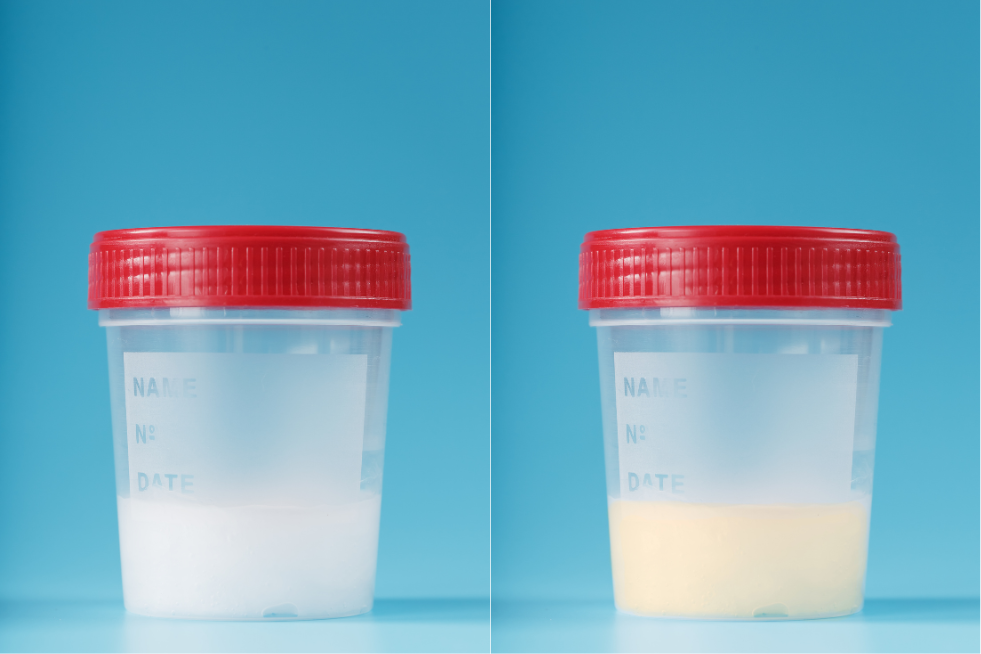
Common clinical manifestations include urinary symptoms such as painful urination, frequent urination, urgency and purulent discharge from the urethral opening. Patients may also experience abnormalities during ejaculation, including painful ejaculation, blood or pus in semen, unusual semen color (dark yellow or green) and unpleasant odor.
Undescended testicles
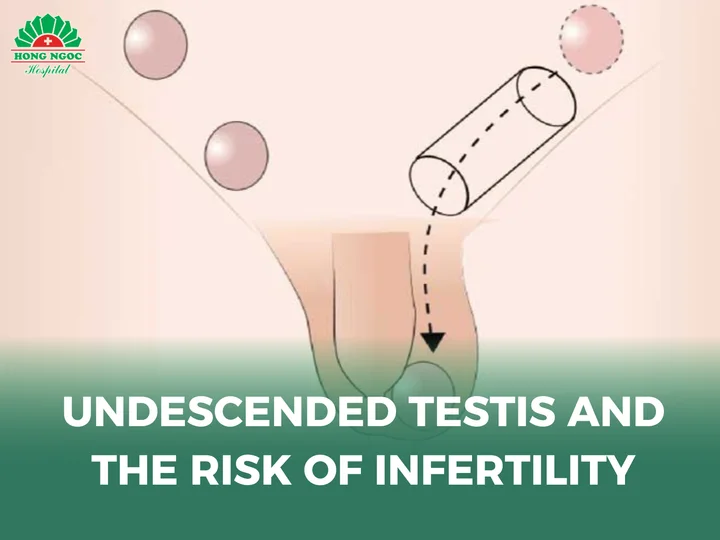
Another anatomical condition that requires early intervention is undescended testicles, a condition in which one or both testicles remain in the abdomen or groin instead of moving down into the scrotum during fetal development.
Because the internal body temperature is 2–3°C higher than that of the scrotum, delayed orchiopexy beyond the age of two may lead to irreversible damage to sperm-producing germ cells. For adult men diagnosed at a later stage, treatment may require surgical removal of the undescended testicle due to the increased risk of malignancy. Sperm cryopreservation, when possible, may also be considered to preserve future fertility potential.
The most recognizable sign of this condition is that one or both testicles cannot be felt in the scrotum during physical examination in children or adult men.
Male hypogonadism
In addition to conditions that cause structural damage, physicians also highlight male hypogonadism as an important factor affecting reproductive health. Caused by insufficient levels of testosterone, this condition not only reduces libido and contributes to erectile dysfunction but may also impair sperm production in the testes.
Treatment approaches include testosterone replacement therapy or appropriate therapies to stimulate the hypothalamic-pituitary-gonadal axis, helping restore hormonal balance and support sperm production while improving sexual function.
Male hypogonadism can often be recognized through sexual dysfunction symptoms such as reduced libido, premature ejaculation (within 1–3 minutes), erectile dysfunction or inability to ejaculate.
Genetic abnormalities
Among the most complex causes of male infertility are genetic abnormalities, including chromosomal abnormalities such as Klinefelter syndrome and Y chromosome microdeletions, particularly AZF deletions. These conditions can lead to testicular atrophy, azoospermia (absence of sperm in semen) or severe sperm abnormalities, requiring specialized screening and advanced treatment approaches.
Genetic abnormalities causing male infertility often do not present with obvious physical symptoms and can only be diagnosed through medical evaluation, including semen analysis and genetic testing.
Proactively evaluating reproductive health can shorten the journey to parenthood
Many men who seek early medical evaluation discover genetic abnormalities causing infertility and regain opportunities to become fathers that they once thought were out of reach. One example is the story of Nam, a 34-year-old man from Tuyen Quang.
After being diagnosed with Klinefelter syndrome before marriage, Nam once felt hopeless about his ability to father a child. For many years, he and his wife visited multiple healthcare facilities in search of solutions, but their journey to parenthood remained unsuccessful.

After continuing to seek a final opportunity at the Andrology Department of Hong Ngoc IVF Yen Ninh Center, Nam was advised by physicians to undergo microdissection testicular sperm extraction (MicroTESE), a microsurgical technique used to retrieve sperm from testicular tissue. This technique requires exceptional precision, as physicians use high-magnification microscopes to identify remaining seminiferous tubules deep within the atrophic testicular tissue. The medical team was deeply moved when only a few healthy sperm were successfully retrieved. The collected sperm were then used for in vitro fertilization (IVF) with intracytoplasmic sperm injection (ICSI) and underwent strict preimplantation genetic testing (PGT) to select healthy embryos. After overcoming a challenging journey, Nam’s wife successfully became pregnant and the couple welcomed their baby, turning their long-awaited dream of parenthood into reality.
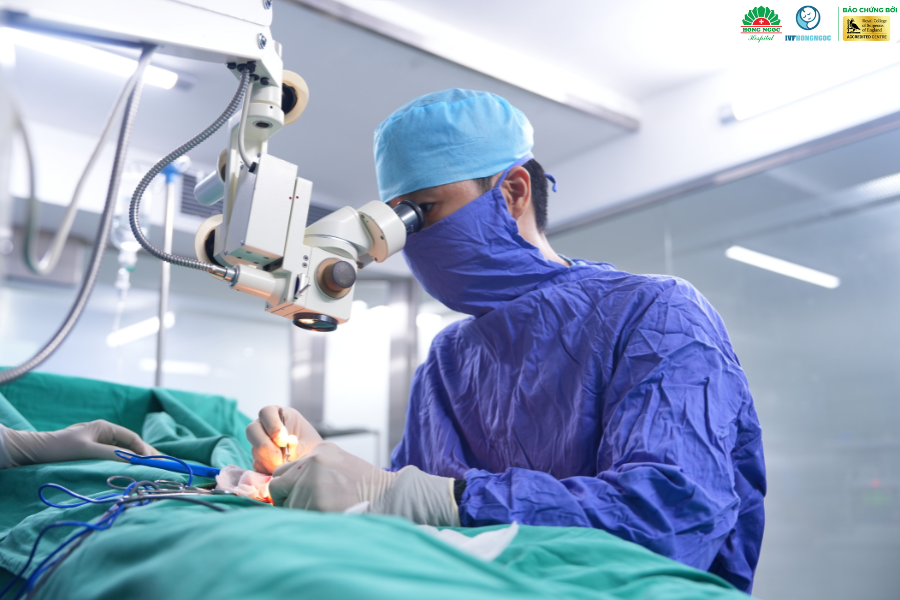
Even when facing the most complex conditions, the opportunity to become a father may still remain if men receive appropriate diagnosis and treatment. However, advanced medical technologies cannot deliver results if men choose to remain silent or delay seeking care due to hesitation. Proactive reproductive health evaluation not only helps protect male reproductive health but also reduces the burden on partners throughout the journey to parenthood.