



Lightheadedness when going out in the sun is fairly common during summer, especially among people who stay outdoors for long periods, drink too little water, stand under the sun for too long, or have underlying conditions such as blood pressure disorders, cardiovascular disease, anemia, or diabetes. This symptom may be transient as the body has not yet adapted to high temperatures, but it may also be a warning sign of a serious condition.
Medical disclaimer: This article is for informational purposes only and does not replace medical diagnosis or emergency management. If lightheadedness is accompanied by fainting, chest pain, shortness of breath, confusion, seizures, weakness or paralysis of the limbs, difficulty speaking, or a high fever after sun exposure, emergency services should be called or the patient should be taken to a medical facility immediately.
Quick answer: Lightheadedness when going out in the sun is often related to dehydration, temporary low blood pressure, heat-induced vasodilation, or heat exhaustion. However, if the symptom persists, recurs frequently, or is accompanied by fainting, chest pain, shortness of breath, a persistently rapid heartbeat, confusion, difficulty speaking, or limb weakness, it may indicate cardiovascular disease, arrhythmia, hypoglycemia, anemia, heatstroke, or stroke, and requires timely medical evaluation or emergency care.

Professional consultation: General Internal Medicine specialists - Hong Ngoc General Hospital.
Quick summary of the article
- Lightheadedness is a sensation of darkened vision, dizziness, floating, or feeling as if one is about to faint. It is often related to a temporary reduction in blood flow to the brain.
- When going out in the sun, the body is more prone to lightheadedness due to vasodilation, fluid loss through sweating, reduced circulating blood volume, and blood pressure fluctuations.
- Common causes include dehydration, low blood pressure, heat syncope, heat exhaustion, hypoglycemia, anemia, cardiovascular disease or arrhythmias, and heatstroke.
- Lightheadedness should not be ignored if it recurs frequently, occurs while working outdoors, driving, standing for long periods, or is accompanied by chest pain, shortness of breath, palpitations, or fainting.
- Emergency care is required immediately if confusion, seizures, loss of consciousness, high fever after sun exposure, limb weakness or paralysis, difficulty speaking, facial drooping, or chest pain occurs.
- Older adults, outdoor workers, people with cardiovascular disease, hypertension, diabetes, pregnant women, people with anemia, or those taking diuretics or antihypertensive medications should be especially cautious.
What is lightheadedness?
Lightheadedness is a sensation of darkened vision, dizziness, floating, loss of balance, or feeling as if one is about to faint. Some people describe it as “seeing stars,” “feeling dizzy,” “being unsteady,” “vision going dark,” or “feeling like collapsing.”
This symptom often occurs when blood flow or oxygen delivery to the brain is temporarily reduced, such as due to low blood pressure, dehydration, prolonged standing, hypoglycemia, or arrhythmia. If the patient loses consciousness completely, this is considered fainting and should be evaluated more seriously, especially if it occurs outdoors in the sun, while driving, while working at height, or is accompanied by chest pain or shortness of breath.
Why does going out in the sun make lightheadedness more likely?
When going out in the sun, the body has to work harder to maintain a stable core temperature. Two main mechanisms are activated: dilation of the blood vessels beneath the skin and increased sweating.
- Vasodilation helps the body dissipate heat: More blood is directed to the skin to release heat into the environment. However, when blood vessels dilate, blood pressure may drop slightly, especially if the patient stands under the sun for a long time, has just finished physical activity, or is dehydrated.
- Sweating causes fluid and electrolyte loss: Sweat evaporation helps cool the body, but it also leads to the loss of fluid and mineral salts. If fluids are not adequately replaced, blood volume decreases, which may temporarily reduce blood flow to the brain.
- The brain is highly sensitive to reduced blood flow: Even a temporary reduction in blood flow to the brain can cause blurred vision, darkened vision, dizziness, floating sensations, or a feeling of near-fainting.
- The heart has to work harder: In hot weather, the heart often beats faster to maintain circulation and support heat dissipation. In people with cardiovascular disease, arrhythmias, low blood pressure, or those taking antihypertensive medications, lightheadedness may become more noticeable.
Therefore, lightheadedness when going out in the sun is often not a separate disease, but a symptom indicating that the body is having difficulty adapting to high temperatures or that an underlying health issue may be present.
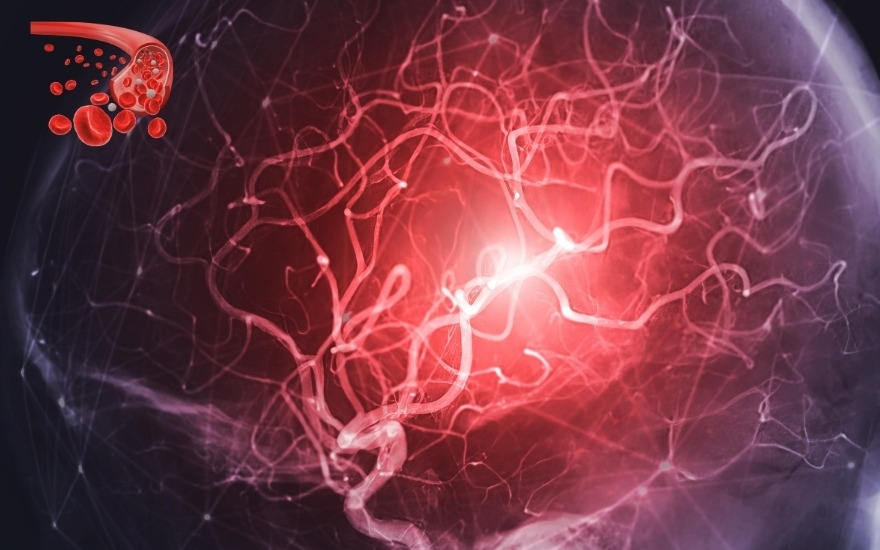
Summary of causes of lightheadedness when going out in the sun
Common causes of dizziness and lightheadedness in hot weather
Dehydration
Dehydration is a very common cause during hot weather, especially when patients stay outdoors for long periods, engage in physical activity, sweat heavily, but do not drink enough water. When the amount of fluid within the blood vessels decreases, blood pressure is more likely to drop, and blood flow to the brain may be temporarily reduced. This is why many people experience blurred vision, darkened vision, or a floating sensation after standing under the sun for a long time.
Signs suggestive of dehydration include dry mouth, dry lips, excessive thirst, dark yellow urine, reduced urination, headache, or unusual fatigue. In mild cases, patients often improve after resting in a cool place and drinking small sips of water.
However, dehydration can become dangerous if it is accompanied by confusion, a rapid heartbeat, low blood pressure, reduced urination or no urination for several hours, repeated vomiting, or inability to drink water. In such cases, early medical evaluation is needed, as the patient may have severe dehydration or electrolyte imbalance.

Low blood pressure caused by hot weather
Hot weather causes the blood vessels beneath the skin to dilate in order to increase heat dissipation. This is a normal cooling mechanism, but in some people, especially those who drink too little water, stand for long periods, are older, or are taking antihypertensive medications or diuretics, blood pressure may drop more noticeably.
Common sensations include darkened vision, unsteadiness, or lightheadedness when standing up suddenly or after standing under the sun for a long time. Some people describe it as feeling as if “not enough blood is reaching the brain” and only feel better after sitting down.
It is important to note that heat-related low blood pressure is not always harmless. If lightheadedness is accompanied by fainting, falls, chest pain, shortness of breath, an abnormally rapid heartbeat, or prolonged low blood pressure, medical evaluation is needed to rule out arrhythmia, cardiovascular disease, or medication side effects.
Heat syncope or near-syncope
Heat syncope often occurs when a person stands for a long time in a hot environment, stands up suddenly, or engages in outdoor activity for a prolonged period. Before fainting, patients often experience a near-syncope phase with lightheadedness, sweating, nausea, pale skin, darkened vision, or unsteadiness.
This condition is related to heat-induced vasodilation, while blood tends to pool in the legs during prolonged standing. If the body is also dehydrated, venous return to the heart and blood flow to the brain decrease further, making the patient more likely to collapse.
If the episode is brief and the patient recovers quickly after lying down in a cool place, it may be related to the body’s response to high temperature. However, if the patient has truly fainted, sustained an injury from falling, or has recurrent episodes, medical evaluation is recommended to assess blood pressure, cardiovascular status, and other causes of syncope.

Heat exhaustion
Heat exhaustion occurs when the body loses too much fluid and salt through sweating. It is commonly seen after working, traveling, or exercising for a prolonged period in a hot environment. This condition is more severe than ordinary fatigue caused by sun exposure and should be managed early to prevent progression.
People with heat exhaustion often experience several symptoms at the same time:
- Dizziness, lightheadedness, and headache.
- Excessive thirst, weakness, fatigue, and muscle cramps.
- Nausea or vomiting.
- Heavy sweating.
- Reduced urination and dark-colored urine.
- Body temperature may rise, but there is usually no clear altered consciousness as seen in heatstroke.
The U.S. Centers for Disease Control and Prevention (CDC) notes that heat exhaustion may cause headache, nausea, dizziness, weakness, thirst, heavy sweating, elevated body temperature, and decreased urine output.
Patients should stop all activity, move to a cool place, loosen clothing, cool the body, and replace fluids if they remain alert. If symptoms do not improve, or if repeated vomiting, confusion, seizures, or a high body temperature occurs, emergency care is needed because the condition may progress to heatstroke.
Hypoglycemia
Not every case of lightheadedness after going out in the sun is caused by dehydration. In people who skip meals, eat too little, exercise outdoors for a long time, or have diabetes and are taking glucose-lowering medications, the cause may be hypoglycemia.
When blood glucose levels fall, the brain does not receive enough glucose to function properly. Patients may experience intense hunger, hand tremors, cold sweats, palpitations, severe fatigue, blurred vision, or confusion. These symptoms may sometimes be mistaken for heat-related illness because they occur when the patient is already tired and sweating.
If the patient remains alert, they may need to consume a sugary drink or food as appropriate, especially if they are known to be at risk of hypoglycemia. If the patient becomes confused, has seizures, has difficulty speaking, cannot eat or drink on their own, or symptoms do not improve, emergency services should be called.
Anemia
Anemia reduces the blood’s ability to carry oxygen to the brain and other organs. In hot weather, the heart has to work harder to maintain circulation and dissipate heat, so symptoms such as lightheadedness, palpitations, breathlessness, or rapid fatigue may become more noticeable.
People with anemia usually do not experience lightheadedness only when going out in the sun. They may also have persistent symptoms such as pale skin, fatigue, reduced stamina, dizziness when standing up, and a rapid heartbeat during exertion. In women, heavy or prolonged menstrual bleeding is an important factor to consider.
If lightheadedness recurs frequently and is accompanied by persistent fatigue, shortness of breath during mild activity, palpitations, or pale skin, patients should seek medical evaluation for a complete blood count and assessment of the underlying cause of anemia, rather than assuming it is simply “heat-related illness.”
Cardiovascular disease or arrhythmia
In some people, hot weather is not the direct cause of lightheadedness but may reveal an underlying cardiovascular condition. In hot weather, the body has to increase circulation to direct blood flow to the skin for heat dissipation. At the same time, dehydration and electrolyte imbalance may cause blood pressure fluctuations and make abnormal heart rhythms more likely. If the heart cannot pump blood effectively, the coronary arteries are narrowed, or the heart rhythm is abnormal, blood flow to the brain may decrease and cause dizziness or lightheadedness.
Particular caution is needed if lightheadedness is accompanied by:
- Chest tightness or chest pain.
- Shortness of breath.
- Palpitations or a persistently rapid heartbeat.
- A sensation of skipped heartbeats.
- Marked fatigue when climbing stairs or walking a short distance.
- Fainting or near-fainting.
These warning signs are especially important in people with hypertension, coronary artery disease, heart failure, arrhythmias, or a history of stroke. Patients should seek medical evaluation early, and emergency care is required if prolonged chest pain, pain radiating to the jaw, shoulder, or arm, severe shortness of breath, fainting, or altered consciousness occurs.

Warning signs of heatstroke
Heatstroke is the most dangerous condition among heat-related illnesses. It is a medical emergency because a very high body temperature can damage the brain, heart, kidneys, and many other organs.
In the early stage, patients may only experience lightheadedness, headache, severe fatigue, or nausea after being outdoors in the sun. As the condition becomes more severe, dangerous warning signs often become more apparent:
- Very high body temperature.
- Hot, red skin or profuse sweating in exertional heatstroke.
- Confusion, difficulty speaking, or disorientation.
- Seizures.
- Fainting or loss of consciousness.
- Rapid breathing and a rapid heartbeat.
Heatstroke should not be ruled out simply because the patient is still sweating. If altered consciousness, seizures, fainting, or a high fever occurs after sun exposure, emergency services should be called immediately. While waiting for medical assistance, move the patient to a cool place, loosen clothing, and begin cooling the body.
Distinguishing heat exhaustion from heatstroke

When is lightheadedness a warning sign?
Do not wait for symptoms to resolve on their own if lightheadedness is accompanied by the following warning signs:
- Fainting or near-fainting: This may indicate a marked reduction in blood flow to the brain. If it occurs while walking, working at height, or driving, the risk of an accident is significant.
- Chest pain or shortness of breath: These may be signs of cardiovascular overload, myocardial ischemia, or arrhythmia. People with underlying cardiovascular disease should be especially cautious.
- A persistently rapid heartbeat: An increased heart rate in hot weather may be a physiological response, but if palpitations persist even at rest, heart rhythm and electrolyte status should be assessed.
- Confusion, difficulty speaking, or limb weakness or paralysis: These are dangerous neurological signs that may be related to severe heatstroke or stroke. Emergency care is required immediately rather than home monitoring.
- High body temperature and hot, red skin after sun exposure: These may indicate heatstroke. If accompanied by altered consciousness, seizures, or fainting, the risk of organ damage increases.
- Repeated vomiting or inability to drink water: The patient cannot replace fluids by mouth, and the risk of dehydration and electrolyte imbalance may increase rapidly.
Stroke signs should not be overlooked when lightheadedness occurs
Lightheadedness caused by hot weather should not be used to “explain away” focal neurological signs. If stroke is suspected, emergency services should be called immediately.
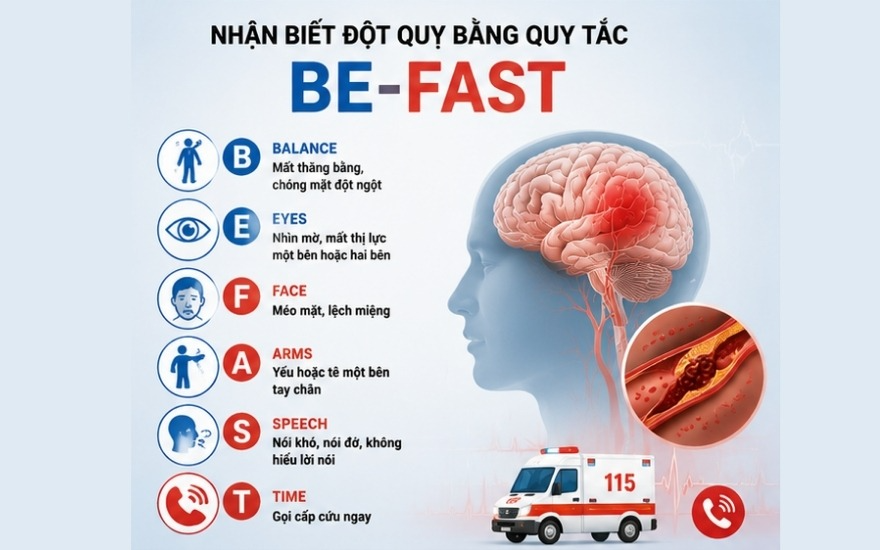
The BE-FAST rule can help with recognition:
- B – Balance: Loss of balance, unsteady gait, or sudden dizziness.
- E – Eyes: Blurred vision, double vision, or sudden loss of vision.
- F – Face: Facial drooping, facial asymmetry, or an uneven smile.
- A – Arms: Weakness or numbness on one side of the body or limbs, or inability to raise an arm.
- S – Speech: Difficulty speaking, slurred speech, or inability to understand speech.
- T – Time: Call emergency services immediately, as early as possible.
Who is more likely to experience lightheadedness when going out in the sun?
Older adults
Older adults are more likely to experience lightheadedness when going out in the sun because their bodies often respond more slowly to dehydration and heat. Many do not feel clearly thirsty even after drinking too little water for several hours, especially after staying in an air-conditioned room for a long time and then going outdoors into hot weather.
In addition, older adults often have underlying conditions such as hypertension, cardiovascular disease, diabetes, or kidney disease. When exposed to hot weather, blood pressure may fluctuate, the heart has to work harder, and the risk of dizziness, lightheadedness, or fainting may increase. If an older adult experiences lightheadedness accompanied by confusion, reduced urination, shortness of breath, chest pain, or a fall, early medical evaluation is needed.
Outdoor workers
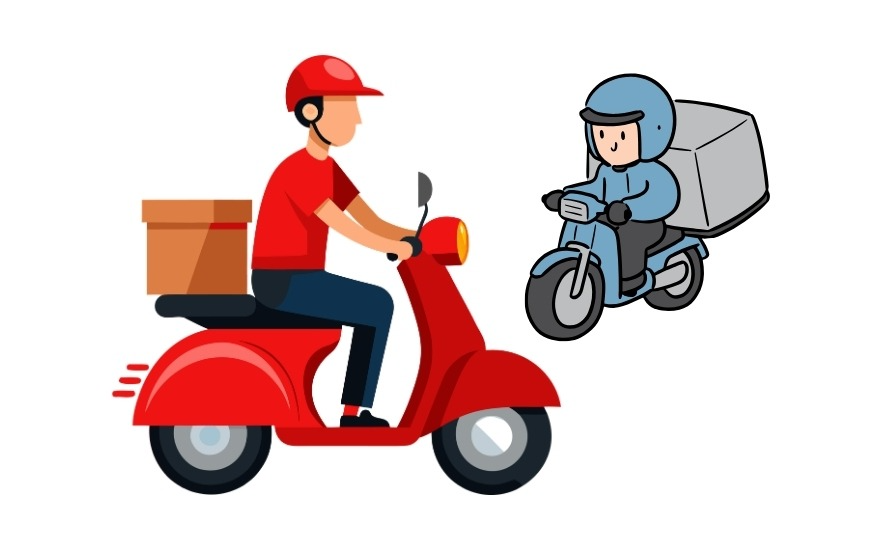
Construction workers, delivery workers, farmers, drivers, couriers, and people who exercise outdoors are particularly prone to dehydration during hot weather. They may sweat continuously for many hours, while drinking water and resting in a cool place are not always done regularly.
The danger is that many people continue working despite headache, thirst, muscle cramps, or mild lightheadedness. When fluid and salt loss persists, lightheadedness may progress to heat exhaustion or fainting. If lightheadedness occurs while driving, working at height, operating machinery, or traveling on the road, the risk of accidents also increases. Therefore, outdoor workers need scheduled breaks, should drink water in divided amounts throughout the day, and should avoid continuous work during peak heat hours.
People with blood pressure disorders or cardiovascular disease
In people with hypertension, heart failure, coronary artery disease, or cardiac arrhythmias, hot weather may make it harder for the body to adapt. When it is hot, blood vessels dilate to dissipate heat, and the heart has to work harder to maintain circulation. If the body becomes dehydrated, blood pressure may drop. However, in some people, blood pressure may also fluctuate upward due to heat stress or inconsistent medication use.
Patients should be more cautious if lightheadedness is accompanied by palpitations, a rapid heartbeat, chest tightness or pain, shortness of breath, cold sweats, or near-fainting. These symptoms should not be regarded simply as “heat-related illness,” as they may be related to an arrhythmia or cardiovascular disease that requires evaluation.
People with diabetes
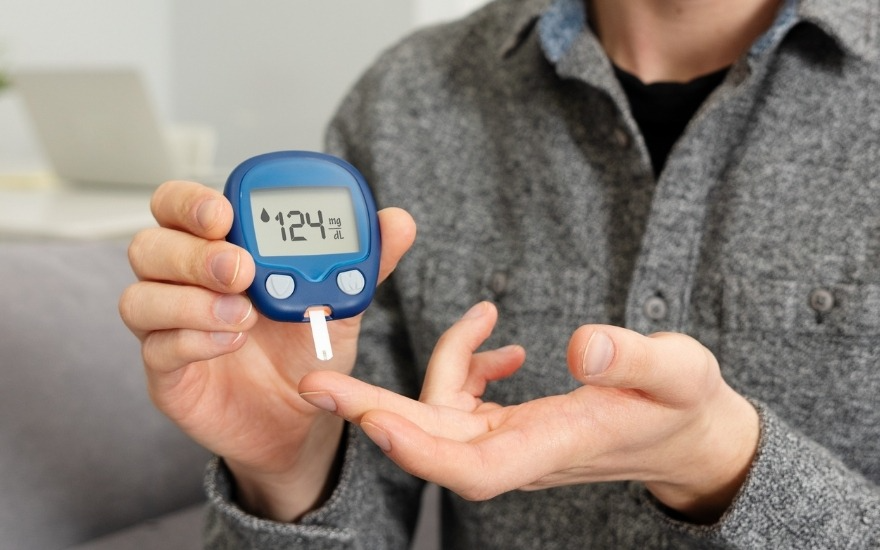
People with diabetes may experience lightheadedness in hot weather due to either high or low blood glucose levels. When blood glucose is high, the body often urinates more frequently, leading to fluid loss and symptoms such as fatigue, thirst, and lightheadedness. Conversely, if the patient skips meals, engages in prolonged outdoor activity, or takes glucose-lowering medication, blood glucose may drop and cause hand tremors, sweating, palpitations, intense hunger, or confusion.
Therefore, if a person with diabetes experiences lightheadedness when going out in the sun, it should not be assumed to be caused only by the weather. Blood glucose should be checked if possible, and early medical evaluation is recommended if symptoms recur, especially when accompanied by confusion, cold sweats, difficulty speaking, or inability to eat or drink independently.
People taking diuretics, antihypertensive medications, or sedatives
Certain medications may make the body more sensitive to hot weather. Diuretics increase the excretion of water and salt, so people taking these medications may be more prone to dehydration or electrolyte imbalance on hot days. Some antihypertensive medications may cause blood pressure to drop more noticeably when patients are dehydrated, stand for long periods, or have just returned from being outdoors in the sun.
Sedatives, sleeping pills, or certain neurological medications may also slow the patient’s response to heat, thirst, or fatigue. Importantly, medications should not be stopped without medical guidance during hot weather. If lightheadedness, low blood pressure, reduced urination, severe fatigue, or a rapid heartbeat occurs frequently, patients should consult their doctor for safe adjustment.
Pregnant women
Pregnant women are more prone to dizziness in hot weather because circulatory demand and fluid balance change during pregnancy. If they stand for long periods, drink too little water, eat poorly, or go outdoors during peak heat hours, they may experience lightheadedness, severe fatigue, or temporary low blood pressure.
However, this symptom should not be taken lightly during pregnancy. Pregnant women should seek medical evaluation early if lightheadedness is accompanied by fainting, severe headache, abnormal swelling, abdominal pain, vaginal bleeding, shortness of breath, repeated vomiting, or abnormal fetal movements.
People with anemia
People with anemia already have a reduced capacity to carry oxygen compared with normal. When going out in the sun, the heart has to work harder both to dissipate heat and to deliver oxygen to the body, making lightheadedness, fatigue, palpitations, or breathlessness more noticeable.
Signs suggestive of anemia include pale skin, persistent fatigue, dizziness when standing up, a rapid heartbeat during mild activity, or heavy menstrual bleeding in women. If lightheadedness recurs repeatedly, patients should seek medical evaluation for a complete blood count rather than only trying to rehydrate at home.
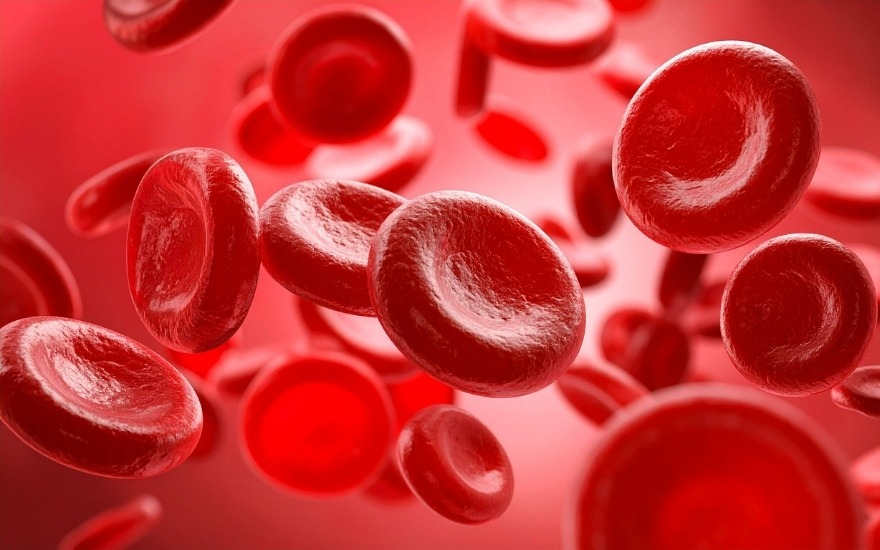
What should be done when lightheadedness occurs outdoors in the sun?
Initial on-site management may be appropriate if symptoms are mild
If the patient remains alert, has only mild lightheadedness, and has no chest pain, shortness of breath, limb weakness or paralysis, difficulty speaking, or fainting, initial management may include:
- Stop activity and move to a cool place: Continuing to walk or work outdoors may worsen low blood pressure, dehydration, and heat exhaustion.
- Sit or lie down and avoid prolonged standing: Sitting or lying down helps improve blood flow to the brain and reduces the risk of falling due to lightheadedness.
- Loosen clothing and cool the body: Remove thick layers of clothing, use a fan, or wipe the neck, armpits, and groin with a cool towel to support heat dissipation.
- Drink small sips of water if the patient remains alert: Drinking too quickly may cause nausea. If heavy sweating has occurred, appropriate electrolyte replacement may be needed.
- Monitor symptoms: If lightheadedness does not improve after rest and cooling, medical evaluation is needed.
Call emergency services immediately if severe warning signs occur
Patients should not continue home monitoring if any of the following occur:
- Fainting.
- Confusion or disorientation.
- Seizures.
- Chest pain.
- Shortness of breath.
- Very high body temperature.
- Limb weakness or paralysis.
- Difficulty speaking or facial drooping.
- Continuous vomiting.
- Inability to drink water.
- Persistent rapid heartbeat.
- Lightheadedness after sun exposure accompanied by hot, red skin or altered consciousness.
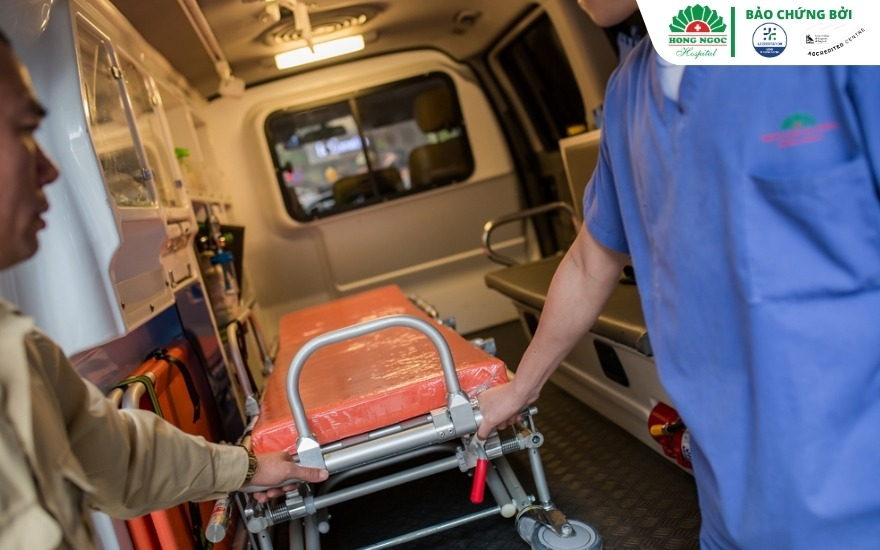
What should not be done?
- Do not continue sun exposure or physical exertion: The body is signaling overload. Continuing physical activity may cause symptoms to worsen.
- Do not drink alcohol to “cool down”: Alcohol may worsen dehydration and affect blood pressure.
- Do not drive if lightheadedness persists: Lightheadedness may recur suddenly and increase the risk of accidents.
- Do not force fluids if the patient is confused or has fainted: This may cause aspiration. Emergency services should be called, and the patient should be placed in a safe position.
- Do not stop antihypertensive medications or diuretics on your own: If medication is suspected to be worsening symptoms, patients should consult their doctor.
How to prevent lightheadedness when going out in the sun
Drink water regularly throughout the day
Do not wait until you feel thirsty to drink water, as thirst often appears only after the body has already begun to lose fluid. People who are active outdoors need to drink water more regularly.
Urine color should be monitored. Dark yellow urine, reduced urination, dry lips, or headache may suggest that the body is dehydrated. However, people with heart failure, kidney disease, or those advised by their doctor to restrict fluids should follow individualized guidance and should not drink excessive amounts of water on their own.
Avoid going outdoors during peak heat hours
The period from 12:00 p.m. to 4:00 p.m. is often when temperature and UV exposure are highest during the day. If going outdoors is unavoidable, people should take breaks in shaded areas, wear a hat, choose breathable clothing, and avoid standing in one place for too long.
Do not skip meals before going out in the sun
Skipping meals may cause hypoglycemia and increase the risk of hand tremors, sweating, dizziness, or near-fainting. People with diabetes should pay particular attention to meal timing, medications, and physical activity to help prevent blood glucose fluctuations.
Monitor blood pressure if underlying conditions are present
People with hypertension, cardiovascular disease, or those taking diuretics should monitor blood pressure regularly during hot weather. If blood pressure fluctuates significantly, dizziness occurs, or the heart beats rapidly, medical evaluation is recommended. Patients should never stop medications or change the dose without a doctor’s prescription.
Recognize early signs of dehydration and heat exhaustion
Dark yellow urine, reduced urination, dry lips, headache, muscle cramps, a rapid heartbeat, and severe fatigue are signs that the patient should rest, cool the body, and replace fluids early.
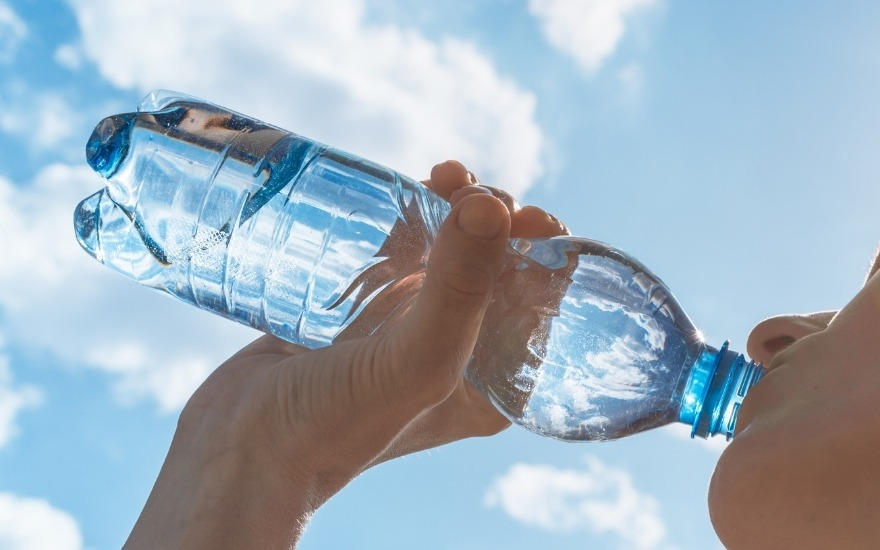
When should medical evaluation be sought?
Patients should seek a consultation with a general internal medicine specialist or an appropriate specialist if they experience:
- Recurrent episodes of lightheadedness.
- Persistent dizziness despite rest.
- Frequent rapid heartbeat or palpitations.
- Abnormal blood pressure fluctuations.
- A history of anemia, cardiovascular disease, or diabetes.
- Symptoms occurring after taking antihypertensive medications or diuretics.
- Lightheadedness accompanied by persistent fatigue or breathlessness during exertion.
- Suspected hypoglycemia or blood glucose fluctuations.
Emergency care is required if any of the following occur:
- Fainting.
- Chest pain.
- Shortness of breath.
- Confusion.
- High body temperature after sun exposure.
- Limb weakness or paralysis, difficulty speaking, or facial drooping.
- Seizures.
- Very high body temperature.
- Inability to drink water or continuous vomiting.
At Hong Ngoc General Hospital, patients can undergo a general internal medicine consultation to assess blood pressure, heart rate, dehydration status, blood glucose, complete blood count, electrolyte levels, and related risk factors for lightheadedness when going out in the sun.
Frequently asked questions
Is lightheadedness when going out in the sun the same as heat-related illness? Not always. Lightheadedness may be caused by dehydration, low blood pressure, hypoglycemia, heat syncope, or cardiovascular disease. If it is accompanied by confusion, high body temperature, hot red skin, seizures, or fainting, heatstroke should be suspected and emergency services should be called.
Can drinking water help relieve lightheadedness? It may help if the cause is related to dehydration or reduced circulating blood volume. However, fluids should only be given if the patient is alert, able to swallow safely, and not vomiting repeatedly. People with heart failure, kidney disease, or those advised by their doctor to restrict fluids should not drink excessive amounts of water on their own. If fainting, confusion, chest pain, shortness of breath, or limb weakness occurs, emergency care is needed rather than simply drinking water.
Can healthy young people experience lightheadedness in the sun? Yes. Young, healthy people may still experience lightheadedness if they engage in prolonged outdoor activity, drink too little water, skip meals, lack sleep, or consume too much coffee or alcohol on hot days.
Is lightheadedness accompanied by a rapid heartbeat dangerous? It may be dangerous if the rapid heartbeat persists, does not improve after rest, or is accompanied by chest pain, shortness of breath, or near-fainting. These may be signs of severe dehydration, electrolyte imbalance, or arrhythmia that requires evaluation.
Is lightheadedness when standing up in hot weather a sign of low blood pressure? It may be. Hot weather causes blood vessels to dilate, and prolonged standing or standing up suddenly may temporarily reduce blood flow to the brain. If this recurs or is accompanied by fainting or a rapid heartbeat, medical evaluation is recommended.
What does lightheadedness accompanied by sweating and hand tremors indicate? It may be related to hypoglycemia, especially in people who skip meals, exercise heavily, or have diabetes and are taking glucose-lowering medications. If the patient becomes confused or cannot eat or drink independently, medical assistance is needed.
Are people with low blood pressure more likely to feel lightheaded in hot weather? Yes. People with low blood pressure, inadequate fluid intake, prolonged standing, or medication use that affects blood pressure may be more prone to lightheadedness in hot weather.
When does lightheadedness require an emergency call? Emergency services should be called if lightheadedness is accompanied by fainting, chest pain, shortness of breath, confusion, seizures, a high fever after sun exposure, limb weakness or paralysis, difficulty speaking, facial drooping, or a persistently rapid heartbeat.
Conclusion
Lightheadedness when going out in the sun is often related to dehydration, low blood pressure, heat syncope, or heat exhaustion. However, this symptom may also be a sign of hypoglycemia, anemia, cardiovascular disease, arrhythmia, or heatstroke if it occurs frequently or is accompanied by abnormal warning signs.
Patients should proactively drink water regularly, avoid peak heat exposure, avoid skipping meals before going outdoors, monitor blood pressure if underlying medical conditions are present, and recognize dangerous warning signs early. If lightheadedness is accompanied by fainting, chest pain, shortness of breath, confusion, high fever, limb weakness, difficulty speaking, or seizures, timely emergency care is required.
At Hong Ngoc General Hospital, patients are examined with the support of leading modern medical equipment and a team of experienced specialists who have worked at major hospitals such as Bach Mai, Viet Duc, Saint Paul, and others. This helps enable fast and accurate diagnosis while minimizing waiting time. Patients can contact the hotline at 024 3927 5568 or leave their information below to receive a call and consultation from a doctor.

Medical note
This article is for informational purposes only and does not replace medical diagnosis or treatment. People with cardiovascular disease, hypertension, diabetes, anemia, kidney disease, pregnant women, older adults, or those taking antihypertensive medications or diuretics should seek medical evaluation if they frequently experience lightheadedness, dizziness, or severe fatigue during hot weather.
References