

Medical review: Nguyen Van Xuyen, MD, MSc, Specialist Level II, Resident Physician, Department of Obstetrics and Gynaecology, Hong Ngoc Phuc Truong Minh General Hospital
Key information at a glance:
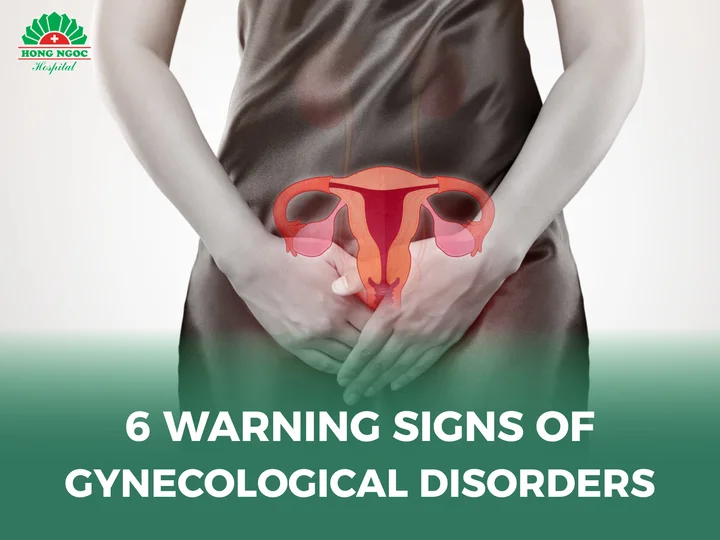
- Gynaecological infections affect the female reproductive tract and may be caused by an overgrowth of fungi or bacteria, sexually transmitted organisms and other factors. They can occur in women who have or have not had sexual intercourse. Without appropriate treatment, some conditions may affect emotional wellbeing and reproductive health.
- Common causes and risk factors include Candida overgrowth, bacterial imbalance or infection, unprotected sexual intercourse, inappropriate intimate hygiene, hormonal changes, unsafe medical procedures and tight or non-breathable underwear.
- Possible warning signs include vulval or vaginal itching, changes in the colour, consistency or odour of vaginal discharge, pain during sexual intercourse, persistent lower abdominal or lower back pain, severe menstrual pain and abnormal vaginal bleeding.
- Preventive measures include appropriate intimate hygiene, safer sexual practices, regularly changing underwear, limiting alcohol and tobacco use, and attending gynaecological examinations at intervals recommended by a doctor according to age, symptoms and individual risk factors.
- Diagnosis may involve a medical history and clinical examination, including a speculum examination when appropriate, together with investigations such as transvaginal ultrasound, cervical cytology (Pap smear), HPV testing and hormone tests where clinically indicated.
- Treatment depends on the underlying condition and may include vaginal or oral medication, outpatient procedures or surgery. Treatment should be combined with appropriate hygiene and lifestyle measures as advised by a doctor.
1. What are gynaecological infections?
Gynaecological infections are inflammatory or infectious conditions affecting the female reproductive tract. They may be caused by the overgrowth of fungi or bacteria, sexually transmitted organisms and other factors. These conditions can affect both sexually active women and girls or women who have never had sexual intercourse.
Common conditions include vaginitis, cervicitis, inflammation associated with cervical ectropion and pelvic inflammatory disease, which may involve the fallopian tubes. Without timely and appropriate treatment, some infections can worsen, disrupt daily life and affect reproductive health.

2. Signs of gynaecological infection that require medical assessment
Recognising the signs of a gynaecological infection early supports timely treatment and may help prevent complications.
2.1. Vulval or vaginal itching and irritation
Itching or burning around the vulva and vagina may be caused by infections such as trichomoniasis, which is caused by a parasite, or vaginal candidiasis, which is caused by yeast overgrowth. Symptoms may become more frequent or feel worse in the evening and at night.
As the condition progresses, itching may become persistent, sometimes accompanied by redness, swelling or small red bumps around the vulva or vaginal opening. In other cases, irritation may result from prolonged exposure to chemicals in fragranced intimate washes or other personal care products. Such irritation can disrupt the local environment and increase susceptibility to infection.

2.2. Abnormal vaginal discharge
Normal vaginal discharge is usually clear or white and has little or no noticeable odour. A fishy or unpleasant smell, unusual colour such as green, yellow or brown, or a thick, curd-like consistency may indicate a gynaecological condition.
The colour, odour, consistency and amount of discharge may vary depending on the underlying cause. For example:
- Thick, white, clumpy discharge accompanied by itching may be associated with vaginal candidiasis.
- Yellow or green discharge with an unpleasant odour may occur with vaginitis or cervicitis caused by bacteria or parasites.
- Blood-stained or brown discharge, particularly outside the menstrual cycle, may be associated with conditions affecting the cervix or uterus and should be assessed by a doctor.
2.3. Severe abdominal pain or pain during sexual intercourse
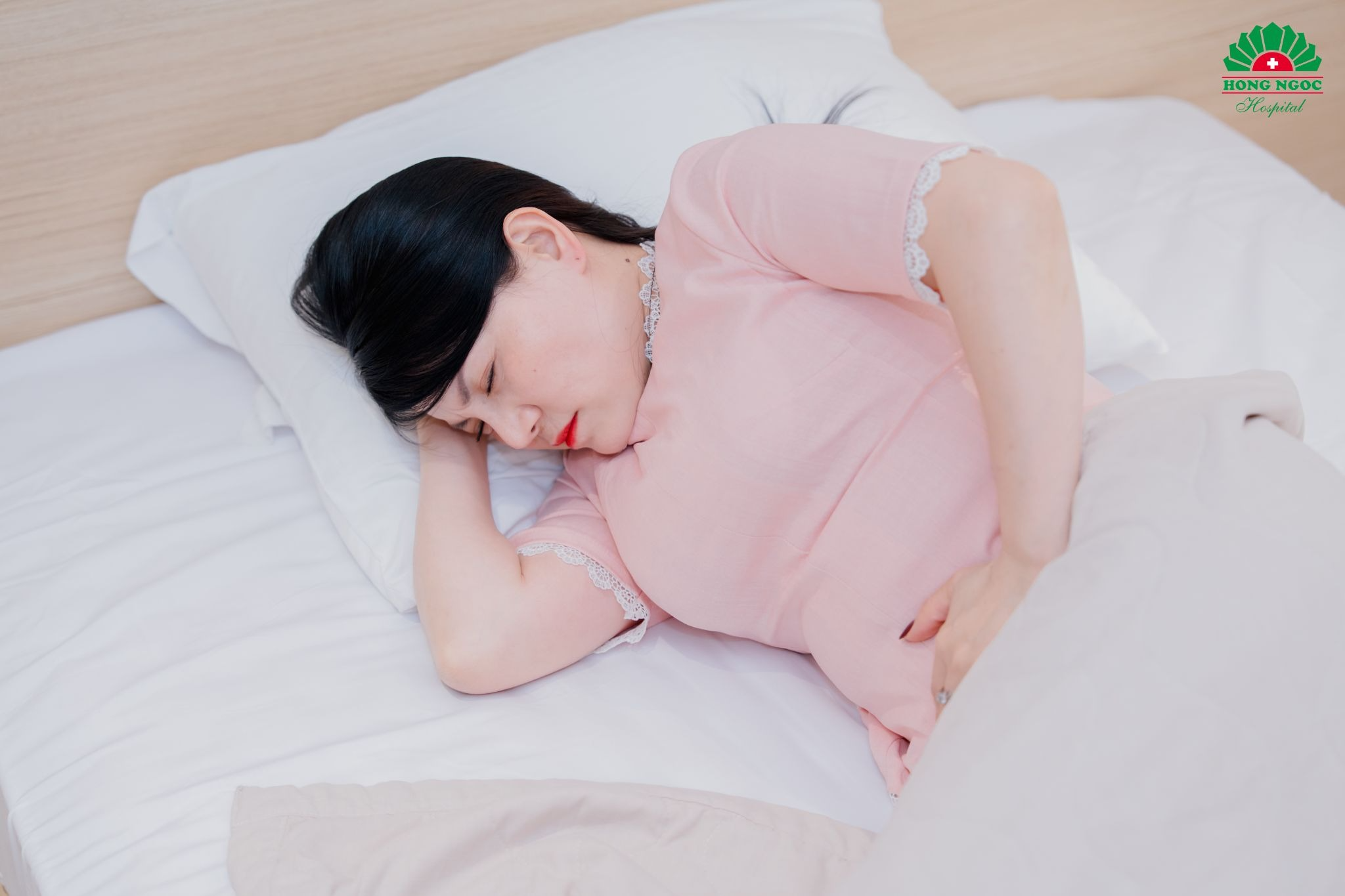
Conditions such as cervicitis, pelvic inflammatory disease and other disorders affecting the reproductive organs may cause persistent lower abdominal or pelvic pain, which can become more noticeable during menstruation.
Pain during sexual intercourse may occur because inflammation causes tenderness, irritation or vaginal dryness. Nausea, dizziness or pallor during menstruation should also not be ignored, particularly if accompanied by severe pain or heavy bleeding, as these symptoms require medical assessment. Learn more about severe gynaecological infections.
2.4. Abnormal vaginal bleeding
Some gynaecological conditions can cause abnormal vaginal bleeding, including bleeding during or after sexual intercourse. Women should also seek medical advice promptly if they experience prolonged periods or unusually heavy menstrual bleeding, as these symptoms may be associated with a range of conditions requiring diagnosis and treatment.

2.5. Pain or burning during urination
Some women with gynaecological infections experience pain or burning when urinating. Frequent urination, urgency or urinary leakage may also indicate a urinary tract condition rather than a gynaecological infection. In some cases, infection or inflammation in the genital area may occur alongside urethritis or a bladder infection.
Women should seek prompt medical assessment if they develop fever, severe abdominal pain, abnormal bleeding or persistent foul-smelling discharge.
2.6. Fever or persistent lower abdominal pain
Fever accompanied by dull or worsening lower abdominal pain may indicate that an infection has spread to the upper reproductive tract, affecting structures such as the uterus or fallopian tubes. Prompt medical assessment is required to reduce the risk of complications.
2.7. Symptoms of infection during pregnancy
Gynaecological infections during pregnancy can cause discomfort and, depending on the underlying condition, may increase the risk of complications such as premature rupture of membranes, preterm birth or neonatal infection. Pregnant women should seek medical advice and use medication only as prescribed to ensure safety for both mother and baby.
2.8. Recurrent symptoms
Repeated episodes may result from reinfection, an incorrect diagnosis, incomplete treatment, antimicrobial resistance or underlying non-infectious conditions. A doctor may recommend further testing, including microbial culture and antimicrobial susceptibility testing when clinically appropriate, to identify the cause and guide treatment.
3. Seven common causes and risk factors for gynaecological infections
Gynaecological infections may result from bacteria, fungi or parasites, as well as hormonal changes and certain lifestyle or hygiene practices. The following are seven common causes and factors that may increase the risk of infection:
3.1. Vaginal candidiasis
Candida is a type of yeast that normally lives on the skin and in the human digestive tract and may also be present in the vagina. Changes in the vaginal environment or a weakened immune system can allow the yeast to overgrow, causing vaginal candidiasis.
Prolonged or unnecessary antibiotic use may reduce beneficial vaginal bacteria, disrupt the vaginal flora and encourage Candida overgrowth. Typical symptoms include intense itching and thick, white, curd-like discharge, which is usually odourless or has only a mild smell. The condition is treatable but may recur in some women.
3.2. Bacterial imbalance or infection
Changes in the vaginal flora may allow certain bacteria to overgrow, causing bacterial vaginosis or other infections. Bacterial vaginosis commonly causes thin, greyish-white discharge with a fishy odour that may become more noticeable after sexual intercourse.
Other organisms can produce different symptoms. For example, Trichomonas vaginalis is a sexually transmitted parasite, not a bacterium, and may cause frothy yellow-green discharge, itching and an unpleasant odour. Identifying the specific cause is important because treatment varies between bacterial, fungal and parasitic infections.

3.3. Unprotected sexual intercourse
Having unprotected sex or having new or multiple sexual partners may increase the risk of sexually transmitted infections, including:
- Chlamydia: Chlamydia is a common sexually transmitted infection affecting both women and men. In women, it often causes no symptoms but may lead to cervicitis, abnormal vaginal discharge, pain or burning during urination, pelvic pain or bleeding after sexual intercourse.
- Gonorrhoea: Gonorrhoea may cause cervicitis, increased or unusual vaginal discharge, pain during urination, pelvic discomfort or pain during sexual intercourse. Without treatment, the infection may spread to the upper reproductive tract and cause pelvic inflammatory disease.
- Genital herpes: Genital herpes may cause painful blisters or ulcers, itching, burning and discomfort around the vulva and vagina. Some women may also experience unusual discharge or pain during urination.
- Genital warts: Genital warts are caused by certain types of human papillomavirus (HPV), which is a virus rather than a bacterium. They may appear as small growths around the vulva, vagina, cervix or anus and can cause irritation or discomfort.
3.4. Using unsuitable intimate hygiene products
Strong antiseptic or fragranced intimate cleansers may irritate the vulva and disrupt the natural vaginal pH and flora, increasing susceptibility to bacterial or fungal overgrowth.
Vaginal douching, particularly when performed incorrectly or without medical advice, may push bacteria further into the reproductive tract and increase the risk of infection. Tight or non-breathable underwear, unclean wiping materials and improper use or infrequent changing of sanitary pads, tampons or menstrual cups may also cause irritation or increase the risk of infection.

3.5. Hormonal changes
Hormonal changes at different stages of a woman’s life can alter the vaginal environment and affect the balance of its natural flora. Changes associated with the menstrual cycle, pregnancy, perimenopause or certain hormonal contraceptives may increase susceptibility to vaginal irritation or infection in some women.
Fluctuations in oestrogen and progesterone can affect vaginal pH, moisture and tissue integrity. However, hormonal changes do not always cause infection directly, and persistent symptoms should be assessed to identify the underlying cause.
3.6. Gynaecological procedures performed under unsafe conditions
Procedures such as surgical abortion, insertion or removal of an intrauterine device, and treatment of cervical lesions may increase the risk of infection if performed at an unlicensed facility or without appropriate infection-control measures. Potential risks include:
- Introducing bacteria into the upper reproductive tract: During certain procedures, instruments pass through the cervix. If aseptic technique is not followed, bacteria may enter the uterus and fallopian tubes, potentially causing pelvic inflammatory disease.
- Cross-infection: Reusable medical instruments that are not properly sterilised may transmit bacteria, fungi or viruses between patients.
- Infection during recovery: Following a procedure, genital and reproductive tissues may be more sensitive or require time to heal. Poor hygiene or exposure to infectious organisms during this period may increase the risk of complications.
3.7. Tight clothing and underwear
The genital area naturally produces moisture and perspiration. Tight or poorly breathable underwear can retain heat and moisture, creating conditions that may encourage fungal overgrowth, particularly Candida.
Repeated friction from tight clothing may also irritate sensitive skin, causing redness, swelling or minor injury around the groin, labia majora and labia minora. It may also contribute to folliculitis. Wearing clean, breathable underwear and changing out of damp clothing promptly can help reduce irritation.

4. How are gynaecological conditions treated?
Self-treatment without a confirmed diagnosis may delay appropriate care or worsen some conditions. Women experiencing gynaecological symptoms should seek assessment at a reputable specialist facility so that treatment can be tailored to the underlying cause and severity.
Depending on the diagnosis, treatment may include medication, a procedure, surgery or a combination of approaches.
4.1. Medical treatment
Medication is commonly used for vaginal or reproductive tract infections and certain conditions that do not require a procedure or surgery.
- Vaginal preparations or topical medication: Antifungal, antibacterial or antiparasitic treatments may be prescribed in forms such as vaginal tablets, pessaries, creams or gels, depending on the organism responsible.
- Oral or injectable medication: Antibiotics may be prescribed for bacterial infections, while antifungal or antiparasitic medicines are used for the relevant organisms. The medicine, dose and duration must be selected by a doctor. Sexual partners may also require treatment for certain sexually transmitted infections.
Patients should complete the prescribed course and avoid reusing old prescriptions, as different infections can cause similar symptoms but require different treatments.
4.2. Procedures and surgery
Procedural or surgical treatment may be considered when a structural abnormality, precancerous lesion, tumour or another condition does not respond to conservative management.
- Gynaecological procedures: Techniques such as electrosurgery, laser treatment, cryotherapy or loop electrosurgical excision procedure (LEEP) may be used for selected cervical abnormalities when clinically indicated. These procedures are not routine treatments for uncomplicated vaginal infections.
- Gynaecological surgery: Surgery may be considered for conditions such as symptomatic ovarian cysts, large uterine fibroids, suspected malignancy or other significant structural disorders. Depending on the individual case, doctors may use minimally invasive techniques to remove the lesion while preserving healthy tissue and reproductive function where possible.
4.3. Lifestyle adjustments
When symptoms are associated with lifestyle factors, appropriate changes may support treatment and reduce recurrence. Patients should maintain a balanced diet, exercise regularly, obtain adequate sleep and limit alcohol and tobacco use.
If vaginal symptoms develop after taking antibiotics, consult a doctor rather than stopping or changing the medication independently. The doctor can determine whether treatment needs to be adjusted and assess for antibiotic-associated Candida overgrowth.
4.4. Appropriate personal hygiene
Good personal hygiene can help reduce irritation and support treatment. Women should change their underwear daily, choose breathable fabrics and use mild, fragrance-free products on the external genital area only.
Extra care may be needed during menstruation, including changing sanitary products regularly. Avoid vaginal douching and harsh cleansers. Before and after sexual intercourse, gentle external washing is sufficient; internal cleansing is unnecessary and may disrupt the natural vaginal flora.

5. How to reduce the risk of gynaecological infections
Obstetricians and gynaecologists recommend appropriate intimate hygiene, safer sexual practices, healthy daily habits and regular medical care to help reduce the risk of gynaecological infections.
5.1. Practise appropriate intimate hygiene
Improper hygiene may irritate the genital area and disrupt the natural vaginal flora. Excessive vaginal douching, strong antiseptic cleansers and very hot water can alter the vaginal environment and increase susceptibility to irritation or infection.
Wash the external genital area gently with warm water and, if needed, a mild, fragrance-free cleanser. During menstruation, change sanitary products regularly. Gentle external washing before or after sexual intercourse is sufficient; internal vaginal cleansing is unnecessary.
Note: Avoid perfumes, talcum powder, fragranced products and harsh cleansers on the genital area.
5.2. Practise safer sex
Rough sexual activity may cause small abrasions in the vaginal lining, increasing irritation and susceptibility to infection. Unprotected sex and having new or multiple sexual partners may also increase the risk of sexually transmitted infections.
Use condoms consistently and correctly, avoid sexual activity that causes pain or injury and attend sexual health screening when appropriate. Open communication and mutual testing between partners can also support reproductive health.
5.3. Change underwear regularly
A persistently warm and damp environment may encourage bacterial or fungal overgrowth and increase the risk of itching and irritation. Change underwear daily, wash it thoroughly and allow it to dry completely.
Choose well-fitting underwear made from breathable materials such as cotton. Avoid wearing tight, damp or poorly breathable garments for extended periods. Replace underwear when it becomes stretched, damaged or no longer absorbs moisture effectively.
5.4. Support general health
Smoking and excessive alcohol consumption may impair immune function and overall health. Avoid tobacco and recreational drugs, limit alcohol and consume caffeinated drinks in moderation according to your health needs.
A balanced diet, regular physical activity, sufficient sleep and appropriate management of underlying conditions such as diabetes may also support immune and reproductive health.
5.5. Attend appropriate gynaecological examinations
Routine gynaecological care can help detect abnormalities early and provide an opportunity to discuss infection prevention, contraception and cervical screening.
The appropriate interval depends on age, symptoms, medical history and individual risk factors rather than a fixed schedule for everyone. Women previously treated for a gynaecological condition should attend follow-up appointments as recommended by their doctor.
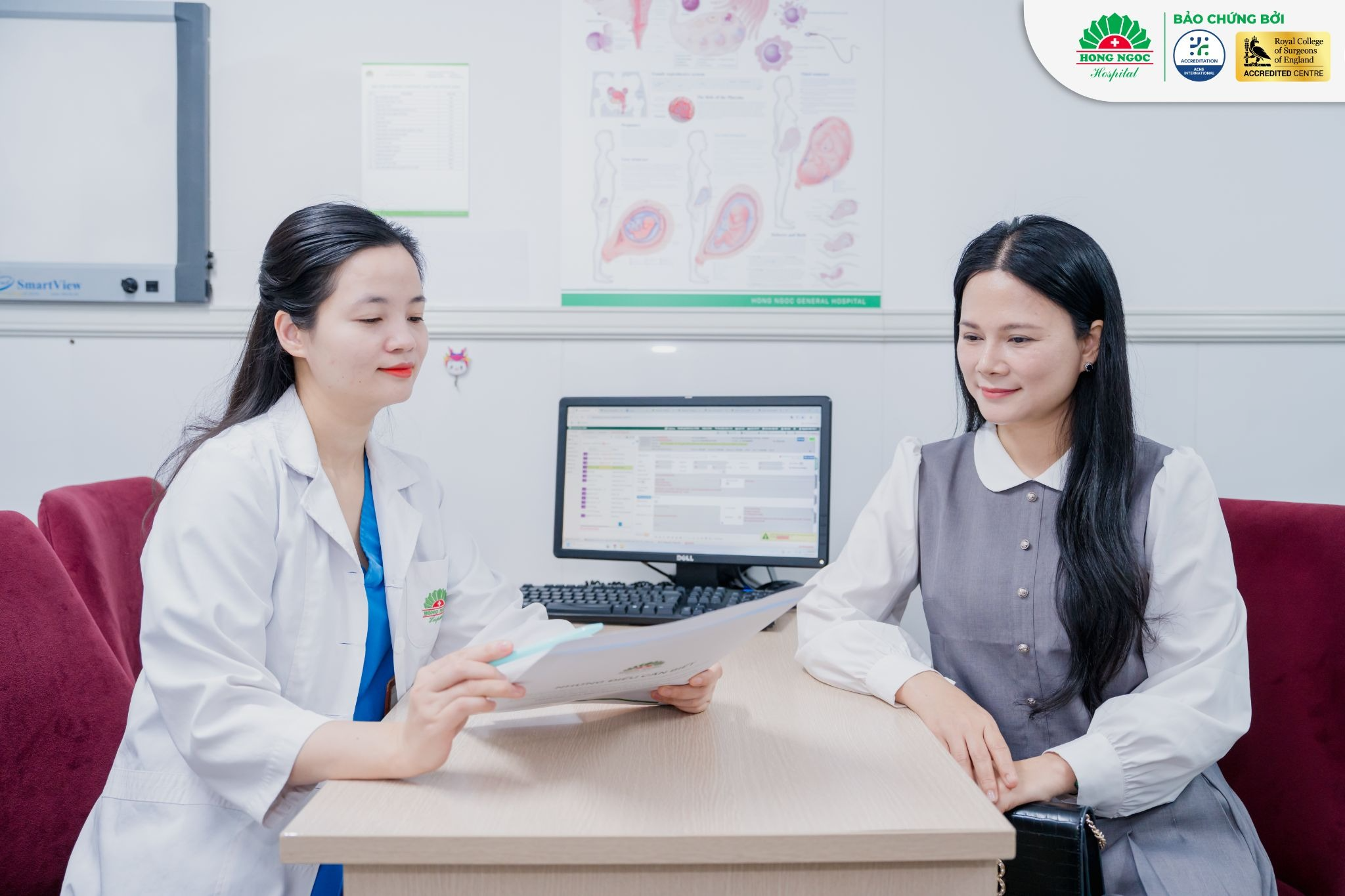
6. Effective and comfortable treatment for gynaecological infections at Hong Ngoc General Hospital
With more than 25 years of experience in reproductive healthcare, Hong Ngoc General Hospital has become a trusted provider of gynaecological examinations and treatment for women.
Alongside its clinical expertise, the hospital offers two notable advantages:
A private and confidential care pathway
Recognising that women may feel uncomfortable discussing sensitive gynaecological concerns, Hong Ngoc General Hospital provides a coordinated care pathway covering reception, consultation, ultrasound, laboratory testing and treatment advice.
Each consultation room follows a one doctor, one nurse and one patient model. Combined with secure medical record management, this approach enables patients to discuss their symptoms with greater privacy and confidence.
Modern medical equipment
To support diagnostic accuracy and appropriate treatment, the hospital has invested in medical technology from established international manufacturers. Its equipment includes the AI-integrated Voluson Expert 22 and GE Voluson E8 ultrasound systems.
Surgical facilities include Karl Storz endoscopic systems, the LigaSure vessel-sealing system and a tissue morcellator, together with operating theatres designed to meet strict infection-control standards. These technologies support precise, minimally invasive treatment and patient safety when procedures are clinically indicated.
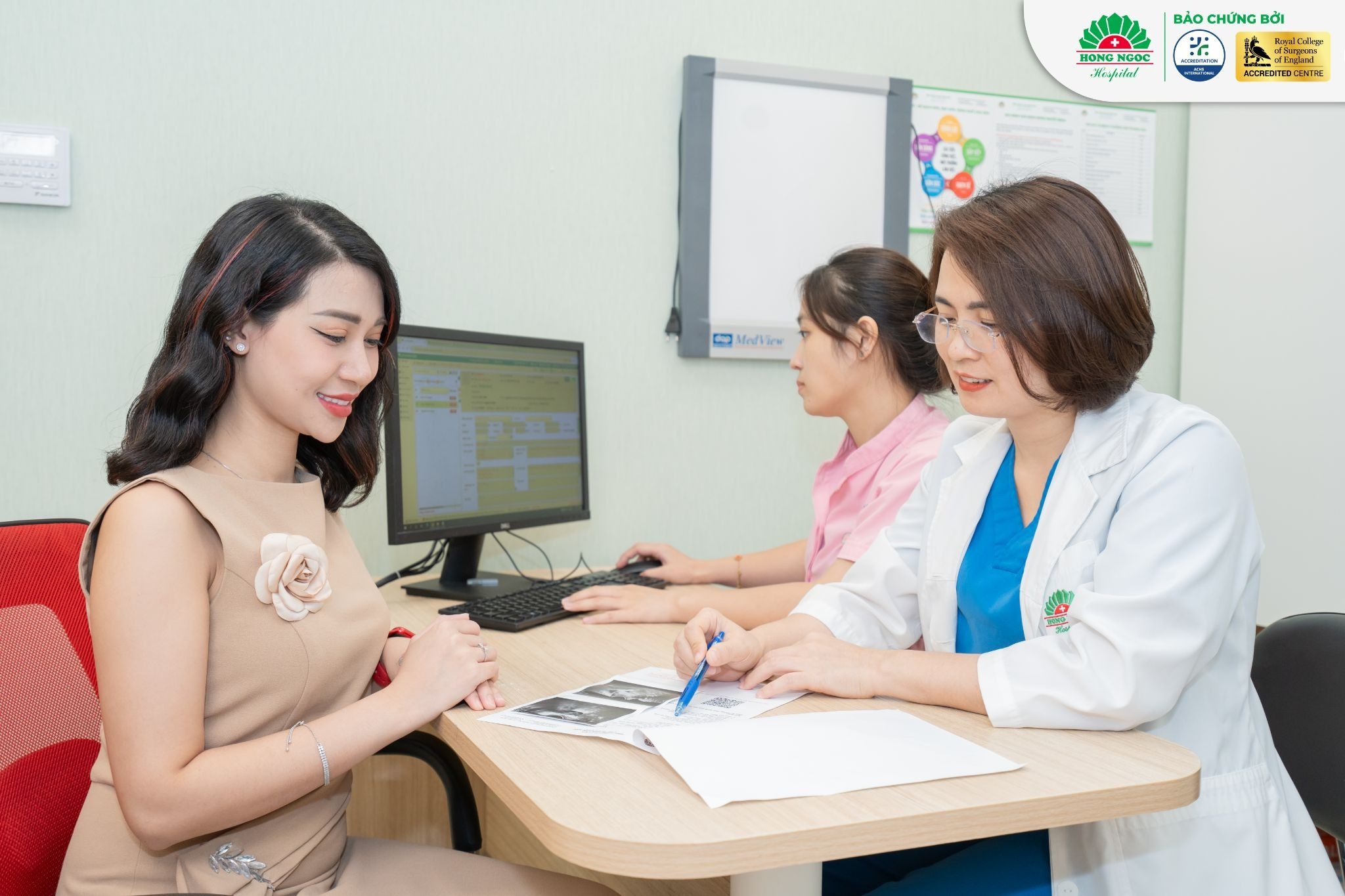
7. Frequently asked questions about the causes of gynaecological infections
Below are answers from specialists to common questions about the causes and risk factors associated with gynaecological infections.
7.1. What causes vaginal candidiasis?
Vaginal candidiasis occurs when Candida, a yeast that may naturally be present in the body, grows excessively. Factors that may increase the risk include:
- Recent or prolonged antibiotic use, which can disrupt beneficial vaginal bacteria
- Pregnancy and other hormonal changes
- Poorly controlled diabetes
- A weakened immune system
- Vaginal douching or the use of irritating intimate hygiene products
- Frequently wearing tight, damp or poorly breathable underwear
Candida symptoms may recur, but similar symptoms can also result from other conditions. Women should therefore seek medical assessment rather than repeatedly using antifungal medicine without a confirmed diagnosis.
7.2. Who is more susceptible to gynaecological infections?
The risk varies according to the specific condition. Groups who may be more susceptible include pregnant women, women approaching or experiencing menopause, people taking prolonged courses of antibiotics, and those with weakened immunity or poorly controlled diabetes.
Vaginal dryness, unprotected sexual intercourse, new or multiple sexual partners and inappropriate intimate hygiene may also increase the risk of irritation or infection. Some contraceptive methods can alter bleeding patterns or the vaginal environment, but intrauterine devices and contraceptive implants do not automatically cause gynaecological infections when appropriately selected and inserted under sterile conditions.
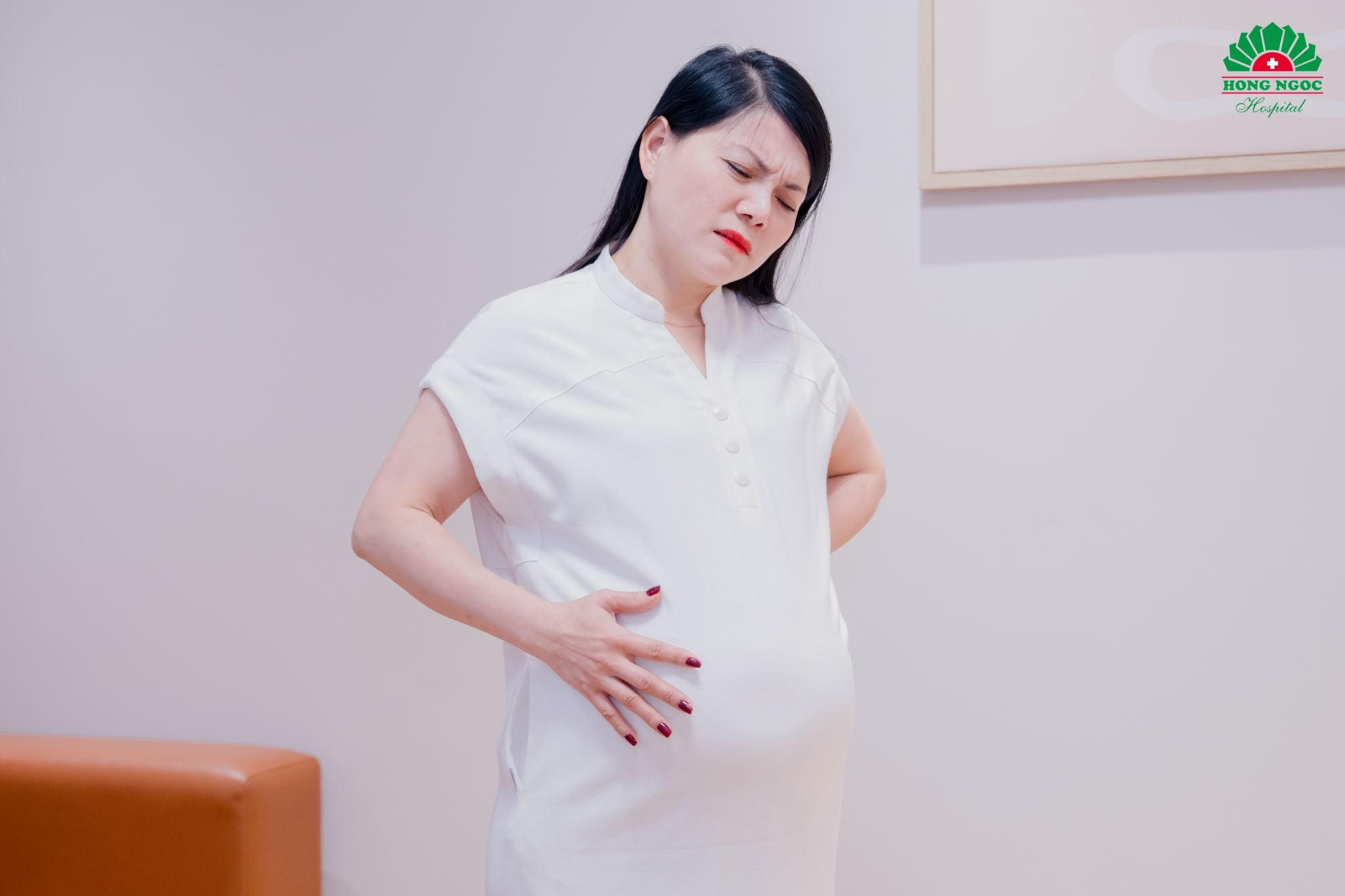
7.3. Can a gynaecological infection resolve without treatment?
Some mild symptoms may improve temporarily, and certain disturbances of the vaginal flora may resolve without treatment. However, persistent or recurrent symptoms should not be ignored because they may indicate an infection or another underlying condition requiring medical care.
Untreated infections such as chlamydia or gonorrhoea may spread to the upper reproductive tract and cause pelvic inflammatory disease, potentially leading to fallopian tube damage and fertility problems. Women should seek medical assessment for an accurate diagnosis rather than assuming the condition will resolve on its own.
7.4. Can a gynaecological infection be transmitted to a male partner?
This depends on the underlying cause. Sexually transmitted infections such as trichomoniasis, chlamydia, gonorrhoea and genital herpes can be passed between partners. Men may have mild symptoms or no symptoms and can unknowingly transmit the infection.
By contrast, vaginal candidiasis and bacterial vaginosis are not generally classified as sexually transmitted infections, and routine treatment of male partners is not always required.
Both partners should be tested or treated when recommended by a doctor, particularly when a sexually transmitted infection is diagnosed. Sexual intercourse may need to be avoided until treatment has been completed and the doctor confirms that it is safe to resume.
7.5. Is sexual intercourse advisable during a gynaecological infection?
It is generally advisable to avoid sexual intercourse while symptoms such as pain, itching, burning, sores or abnormal discharge are present. Friction may worsen irritation and discomfort.
If the condition is sexually transmitted, sexual activity may also expose the partner to infection or cause reinfection. Follow the doctor’s advice regarding treatment, condom use, partner management and when sexual activity can safely resume.
7.6. Why are women susceptible to gynaecological infections?
Several anatomical and physiological factors may increase susceptibility:
- Anatomical location: The vaginal opening is close to the urethra and anus, making the transfer of microorganisms more likely if hygiene practices are inappropriate.
- Warm and moist environment: Natural vaginal discharge and perspiration can create a moist environment. Tight, damp or poorly breathable clothing may encourage irritation and microbial overgrowth.
- Changes in the vaginal environment: Hormonal changes during menstruation or pregnancy, antibiotic use and vaginal douching may disrupt the natural vaginal flora and pH, allowing certain organisms to overgrow.
Understanding the symptoms and causes of gynaecological infections and adopting appropriate preventive measures can help women protect their reproductive health. Women should not delay seeking medical care because of embarrassment or repeatedly self-treat without a confirmed diagnosis.
The Department of Obstetrics and Gynaecology at Hong Ngoc General Hospital provides gynaecological screening, diagnosis and treatment. With more than 25 years of experience in women’s healthcare, the hospital brings together experienced specialists and modern medical equipment to develop treatment plans tailored to each patient’s condition.
Medical disclaimer: The information provided in this article by Hong Ngoc General Hospital is for reference only and does not replace professional diagnosis or treatment. Patients should attend a reputable medical facility for direct examination and personalised medical advice.
Follow the Hong Ngoc General Hospital fanpage for more useful health information.