


Medical review: Nguyen Van Xuyen, MD, MSc, Specialist Level II, Resident Physician, Department of Obstetrics and Gynaecology, Hong Ngoc Phuc Truong Minh General Hospital
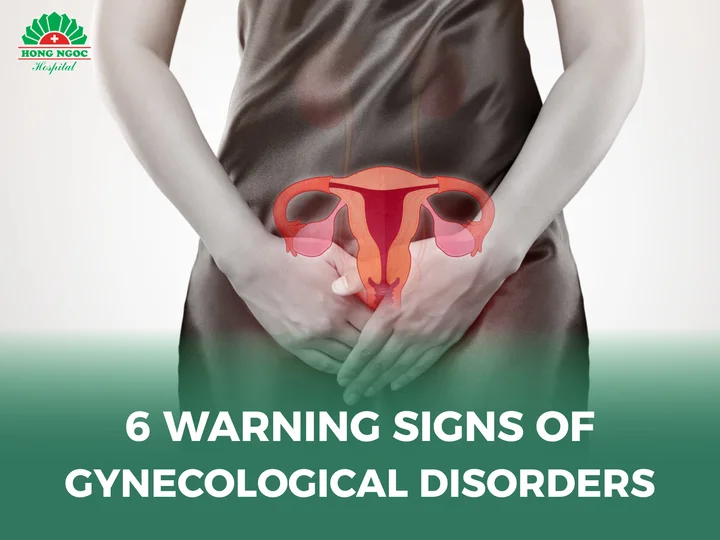
Unpleasant vaginal odour can affect many women’s confidence and quality of life. It may result from normal physiological changes or indicate an underlying gynaecological condition requiring medical attention. Learn more in this article from Hong Ngoc General Hospital.
1. Causes of unpleasant vaginal odour
In addition to physiological factors such as inadequate or improper intimate hygiene and hormonal changes, an unusual vaginal odour may be associated with one of the following conditions:
1.1. Bacterial vaginosis
Bacterial vaginosis is a common cause of unpleasant vaginal odour, particularly among women of reproductive age. It occurs when the natural vaginal flora becomes imbalanced and certain bacteria overgrow. Typical symptoms include:
- A fishy odour, particularly after sexual intercourse
- Thin, greyish-white vaginal discharge
- Mild itching or irritation in some cases
Bacterial vaginosis may recur if it is not treated appropriately or if contributing factors are not addressed.
1.2. Candida infection
Candida is a type of yeast that may naturally be present in the vagina. When the immune system is weakened or the vaginal environment changes, Candida can overgrow and cause inflammation.
Typical symptoms of vaginal candidiasis include:
- Thick, white, clumpy discharge resembling cottage cheese
- Intense itching, usually without a strong odour
- Burning during urination or sexual intercourse
Candida infections are more common during pregnancy and among women with diabetes, weakened immunity, prolonged antibiotic use or frequent exposure to damp, tight-fitting underwear.

1.3. Trichomoniasis
Trichomoniasis is a sexually transmitted infection caused by the parasite Trichomonas vaginalis. The parasite can infect the vagina, causing inflammation and an unpleasant odour. Typical symptoms include:
- Thin, frothy, yellow-green vaginal discharge
- A strong, unpleasant or fishy odour
- Intense itching and burning during urination or sexual intercourse
Trichomoniasis can be transmitted to sexual partners and may also be associated with urethritis or inflammation of the upper genital tract. Sexual partners may therefore require testing and treatment.
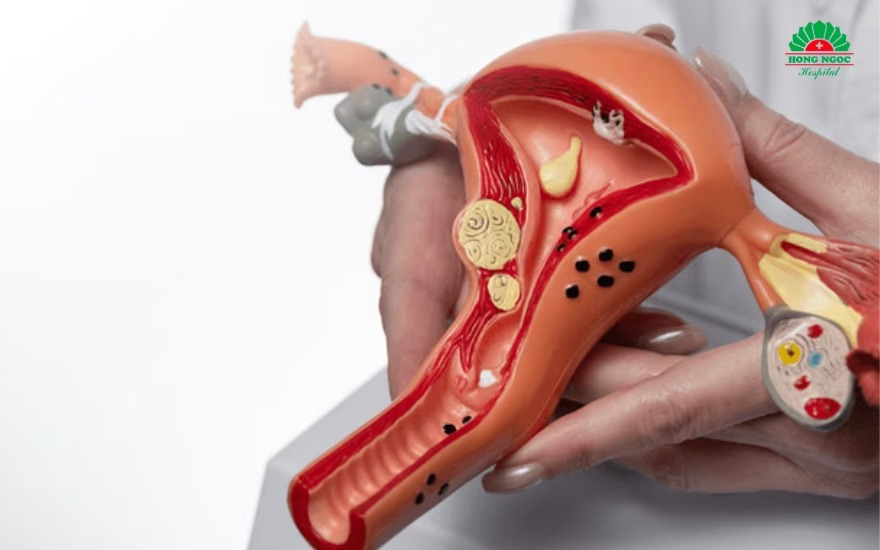
1.4. Cervical ectropion with inflammation
Cervical ectropion occurs when glandular cells from inside the cervical canal are present on the outer surface of the cervix. Although the condition itself is usually benign, accompanying inflammation may increase vaginal discharge and cause an unpleasant odour. Possible symptoms include:
- Increased cloudy white or yellow discharge
- Persistent unpleasant odour, sometimes accompanied by bleeding after sexual intercourse
- Lower abdominal discomfort or abnormal menstrual bleeding
These symptoms are not specific to cervical ectropion and require a gynaecological examination to determine the underlying cause.
1.5. Cervical cancer
Cervical cancer is less common than vaginal infections as a cause of unpleasant odour and may not produce symptoms in its early stages. Warning signs that require medical assessment include:
- Foul-smelling or brown vaginal discharge
- Abnormal vaginal bleeding, including bleeding between periods or after sexual intercourse
- Pelvic pain, unexplained weight loss or persistent fatigue
1.6. Vaginal odour during pregnancy or after childbirth
Vaginitis is a common cause of unpleasant vaginal odour during pregnancy. However, several other factors may also lead to noticeable changes in vaginal odour. Many women experience a heightened sense of smell during pregnancy, while dietary changes associated with food cravings may also affect body odour. Increased blood flow to the vagina and changes in pregnancy hormones, including oestrogen, progesterone and prolactin, may alter the vaginal pH and produce a different odour.
Changes in vaginal odour are also common after childbirth. As the uterus returns to its pre-pregnancy state, it discharges blood, mucus and pregnancy-related tissue known as lochia. Normal lochia may have a musty or metallic smell similar to menstrual blood. However, a strong foul smell, particularly when accompanied by fever, pelvic pain or heavy bleeding, may indicate an infection and requires prompt medical assessment. [1]
2. Managing and preventing unpleasant vaginal odour
The following measures may help reduce unpleasant vaginal odour and support vaginal health:
- Practise appropriate intimate hygiene: Wash regularly using warm water and, if needed, a mild, fragrance-free cleanser on the external genital area only. Shower and change into clean, dry clothing promptly after exercise or swimming. Remaining in damp, sweaty clothing creates a warm, moist environment that encourages bacterial and yeast growth.
- Avoid vaginal douching: Frequent or improper douching can disrupt the natural vaginal pH and reduce beneficial bacteria. It may also push bacteria further into the reproductive tract, increasing the risk of cervical inflammation and pelvic inflammatory disease.
- Wear loose, breathable clothing: Avoid tight-fitting clothing and underwear that retain heat and moisture. Choose breathable cotton underwear and change it regularly.
- Maintain adequate hydration: Drinking enough water supports overall health and helps dilute urine, reducing strong urinary odours that may be mistaken for vaginal odour. However, hydration does not treat vaginal infections.
- Protect vaginal health during sexual intercourse: Appropriate condom use can help prevent pregnancy and reduce the risk of sexually transmitted infections. If lubricant is required, choose a fragrance-free and flavour-free product to minimise irritation. [1]
- Attend regular gynaecological examinations and seek medical advice if an unusual odour develops: Assessment at a specialist medical facility can help identify the underlying cause and enable the doctor to recommend appropriate treatment.

3. Frequently asked questions about unpleasant vaginal odour
Specialists from the Department of Obstetrics and Gynaecology at Hong Ngoc General Hospital answer common questions about vaginal odour to help women better understand this condition.
Is unpleasant vaginal odour without itching a cause for concern?
Unpleasant vaginal odour without itching is relatively common. It may be related to inadequate or excessive intimate hygiene, vaginal douching, tight and non-breathable underwear, hormonal changes during menstruation or changes after childbirth.
However, if the odour persists or is accompanied by abnormal discharge, pain, burning or menstrual irregularities, women should seek medical assessment to identify the underlying cause and protect their reproductive health.
What causes a rotten egg-like vaginal odour?
A strong, rotten egg-like odour may indicate an imbalance in the vaginal flora. Possible causes include bacterial vaginosis, particularly the overgrowth of anaerobic bacteria, or a sexually transmitted infection such as trichomoniasis. Vaginal candidiasis generally causes intense itching and thick discharge rather than a strong foul smell.
Less commonly, the odour may be associated with conditions such as cervicitis or pelvic inflammatory disease. Contributing factors may include inappropriate intimate hygiene, hormonal changes or antibiotic use that disrupts the normal vaginal flora. A persistent or severe odour should be assessed by a doctor rather than treated without a confirmed diagnosis.
Identifying the cause of unpleasant vaginal odour is an important step towards receiving appropriate treatment and protecting reproductive health. If the odour persists or is accompanied by other unusual symptoms, it should not be ignored. Seek assessment at a reputable medical facility.
The Department of Obstetrics and Gynaecology at Hong Ngoc General Hospital provides private, one-to-one consultations with experienced specialists, supporting accurate diagnosis and appropriate treatment. Contact us for further advice or to arrange an appointment.
Medical disclaimer: This article is for reference only and does not replace professional diagnosis or treatment. Please consult a qualified doctor for advice tailored to your condition.
Follow the Hong Ngoc General Hospital fanpage for more useful health information.
References