



Rheumatoid arthritis is a chronic autoimmune joint disorder characterized by primary inflammation of the synovial membrane. Early recognition of the signs and symptoms of rheumatoid arthritis and timely initiation of appropriate treatment are essential to slow disease progression and prevent joint deformities and irreversible structural damage.
Individuals at increased risk of rheumatoid arthritis
The following groups are at higher risk of developing rheumatoid arthritis:
- Women: Females have a significantly higher incidence compared with males.
- Family history: Individuals with first degree relatives affected by rheumatoid arthritis have an increased genetic susceptibility.
- Cigarette smokers: Smoking is a well established risk factor and is associated with both disease onset and more severe progression.
- Exposure to environmental hazards: People living or working in environments with exposure to asbestos, silica, air pollution, or chemical fumes may have an elevated risk.
- Overweight and obesity: Excess body weight, particularly among women aged 20 to 55 years, is associated with a higher likelihood of developing the disease.
Warning signs of rheumatoid arthritis
Rheumatoid arthritis presents with a broad spectrum of manifestations, including articular symptoms, systemic features, and extra articular involvement affecting various organ systems. Recognizing these warning signs early is essential for timely diagnosis and appropriate management.
Articular manifestations
- Joint pain: This is the most recognizable symptom of rheumatoid arthritis. Pain results from synovial inflammation, which increases joint sensitivity and intra articular pressure, leading to tenderness in the affected joints.
- Morning stiffness: Typically occurs upon waking and may persist for approximately one hour or longer, reflecting ongoing inflammatory activity.
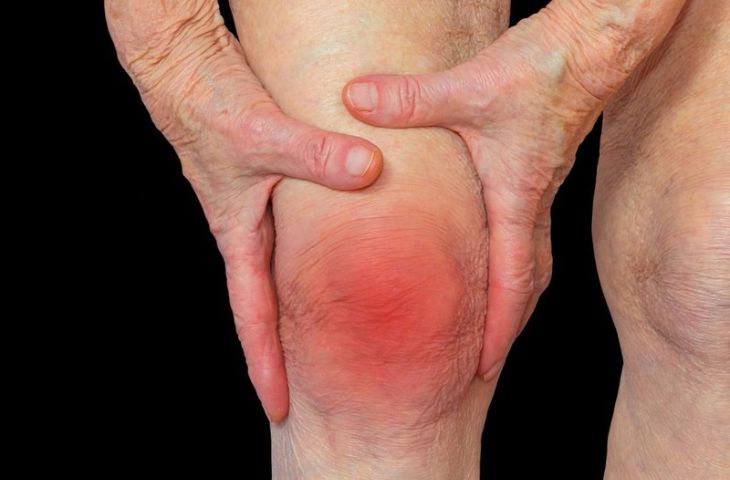
- Joint swelling: Swelling may be observed due to synovial hypertrophy and joint effusion, causing visible or palpable enlargement of the affected joints.
- Warmth over the joint: The skin overlying inflamed joints may feel warmer compared with surrounding areas, indicating active inflammation.
- Erythema: The skin around inflamed joints may appear mildly pink or red relative to adjacent tissue.
Systemic manifestations
- Fatigue, lethargy, and generalized weakness resulting from chronic systemic inflammation.
- Loss of appetite and nausea, which may contribute to unintended weight loss.
- Diffuse myalgia, characterized by generalized muscle aches and discomfort.

Extra articular manifestations
- Subcutaneous rheumatoid nodules: Firm, non mobile nodules adherent to underlying structures, typically measuring 5 to 20 mm in diameter. These are commonly located over pressure points such as the elbows. They are usually painless, although occasional tenderness may occur.
- Pleural involvement: Asymptomatic pleuritis may develop. However, if patients experience shortness of breath or pleuritic chest pain, prompt medical evaluation is required.
- Laryngeal involvement: Hoarseness may occur due to inflammation affecting the laryngeal structures.
- Cardiovascular complications: Patients may be at increased risk of coronary artery disease, presenting with chest pain or myocardial infarction. Other manifestations include pericarditis, myocarditis, valvular inflammation, cardiac arrhythmias, amyloidosis, and systemic vasculitis.
- Ocular involvement: Fewer than 5 percent of patients develop ocular manifestations such as conjunctival hyperemia, ocular pain, dry eye syndrome, scleritis, or, in advanced cases, scleral thinning with risk of perforation.
- Hematologic abnormalities: In chronic, longstanding rheumatoid arthritis, patients may develop thrombocytosis, while white blood cell counts are typically normal or mildly elevated.
Complications of rheumatoid arthritis
If not diagnosed and treated promptly, rheumatoid arthritis may progress and lead to serious complications, including:
- Osteoporosis: Certain medications used in the treatment of rheumatoid arthritis, particularly long term corticosteroids, may reduce bone mineral density. In addition, reduced physical activity due to joint pain further increases the risk of osteoporosis and fragility fractures.
- Rheumatoid nodules: Firm subcutaneous nodules may develop, typically at pressure points such as the elbows and fingers. These nodules can also occur in other organs, including the lungs.
- Infections: Immunosuppressive therapies used to control rheumatoid arthritis may weaken the immune system, increasing susceptibility to infections.
- Carpal tunnel syndrome: Inflammation of the wrist joints may compress the median nerve, leading to tendon inflammation and an increased risk of carpal tunnel syndrome.
- Sjogren syndrome: In advanced disease, patients may develop secondary Sjogren syndrome, an autoimmune condition characterized by decreased tear and saliva production, resulting in dry eyes and dry mouth.
- Neurologic involvement: Cervical spine instability or inflammation may lead to neck pain, balance disturbances, and potential neurologic impairment.
- Gastrointestinal complications: Long term use of corticosteroids and nonsteroidal anti inflammatory drugs may cause gastric and intestinal irritation, abdominal pain, or gastrointestinal bleeding.
- Pulmonary disease: Patients are at increased risk of interstitial lung fibrosis, small airway obstruction, pulmonary hypertension, or pleural inflammation.
- Vasculitis: Inflammation of blood vessels may result in vascular narrowing, reduced vessel integrity, and impaired blood flow.
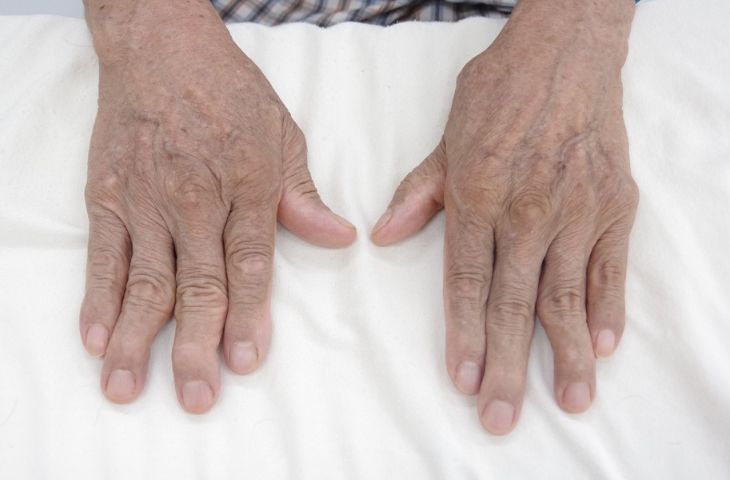
Many patients with rheumatoid arthritis tend to underestimate the disease and do not seek regular medical evaluation or adhere to appropriate treatment, leading to serious complications and progressive disease worsening. Rheumatoid arthritis carries a high risk of long term disability due to ongoing joint destruction when not adequately monitored and managed according to established therapeutic protocols.
Therefore, early diagnosis and appropriate, guideline directed treatment are critically important. When warning signs of rheumatoid arthritis appear, patients should closely monitor their symptoms and proactively seek evaluation at reputable healthcare facilities. Regular follow up with a rheumatology specialist ensures timely intervention and individualized treatment strategies to prevent irreversible joint damage and functional impairment.
At Hong Ngoc General Hospital, patients diagnosed with rheumatoid arthritis receive comprehensive evaluation and management while experiencing premium healthcare services recognized among the leading standards in the capital city:
- Evaluation and treatment delivered by a highly experienced team of specialists who have previously practiced at leading national and international institutions, including Bach Mai Hospital, Viet Duc Hospital, and Royal North Shore Hospital in Australia.
- A comprehensive system of advanced, U.S. imported medical equipment, including the SIGNA Prime MRI system, 128 slice CT scanner, Hologic bone densitometry system, and Logiq P7 musculoskeletal ultrasound platform. These technologies provide high resolution imaging, enabling accurate early detection of tumors and musculoskeletal lesions at the initial stage.
- An integrated treatment approach in collaboration with the Department of Physical Therapy and Rehabilitation, utilizing German therapeutic equipment and advanced Austrian manual therapy techniques to facilitate rapid functional recovery and alleviate pain associated with knee osteoarthritis and other joint conditions.
- Individualized follow up schedules with proactive appointment reminders tailored to each patient.
- A clean, modern hospital environment equipped with premium amenities, including complimentary Wi Fi, on site café, and restaurant facilities.
- Services available on weekends without additional charges.
- Streamlined direct billing insurance procedures to ensure maximum patient benefits and administrative convenience.
If you require further information or would like in depth consultation regarding rheumatoid arthritis, please contact our hotline at 0889 621 046 for prompt professional support.
Note: The information provided in this article by Hong Ngoc General Hospital is for reference purposes only and does not substitute for professional medical diagnosis or treatment. Patients should not self administer medication. For an accurate evaluation of their medical condition, individuals are advised to visit a healthcare facility for direct examination, diagnosis, and appropriate treatment consultation with a qualified physician.
For more useful health information, please follow the official Fanpage of Hong Ngoc General Hospital: https://www.facebook.com/BenhvienHongNgoc