


Polyhydramnios is a potentially serious obstetric complication that not only causes significant discomfort for the mother but may also pose life threatening risks to the fetus.
What are polyhydramnios?
Polyhydramnios refers to a condition in which an excessive amount of amniotic fluid accumulates in the amniotic sac. Amniotic fluid is the liquid that surrounds the fetus and is partly produced by the fetal kidneys. It plays an essential role in protecting the fetus from external trauma while in the uterus. In addition, amniotic fluid has antimicrobial properties that help protect the fetus from infection and support proper lung development.
Amniotic fluid also contains nutrients derived from the mother. The fetus periodically swallows this fluid, which contributes to growth and the development of taste perception. Furthermore, amniotic fluid helps maintain a stable fetal body temperature.
Amniotic fluid begins to form around the 12th week of pregnancy and gradually increases in volume. By approximately 37 weeks of gestation, the volume typically reaches about one liter. After that, it gradually decreases, and by 40 weeks, the amount is usually around 0.5 liters.
When the amniotic fluid volume exceeds 2000 milliliters, the condition is diagnosed as polyhydramnios. The severity and potential risks depend on various amniotic fluid indices and clinical findings, which physicians evaluate to determine the most appropriate management plan.
Polyhydramnios often causes a sensation of abdominal heaviness, fatigue, and discomfort in pregnant women, and in some cases may also adversely affect fetal health.
Causes of polyhydramnios
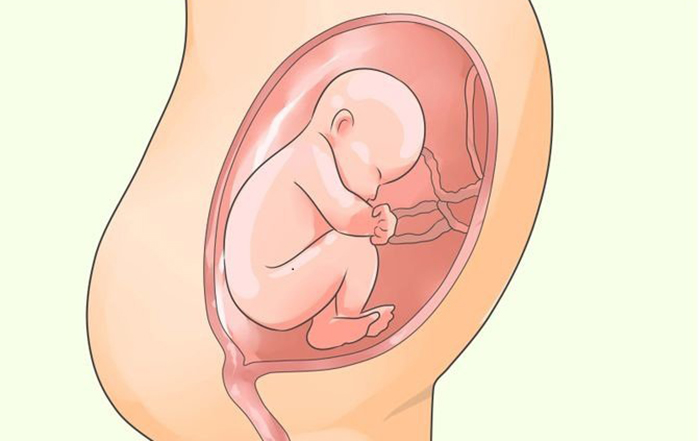
Severe polyhydramnios may require early termination of pregnancy if serious symptoms develop.
The exact cause of polyhydramnios has not been clearly identified by current medical research. However, several factors may increase the risk of developing this condition, including factors related to the mother, the fetus, or the fetal membranes and placenta.
Polyhydramnios may also be associated with certain maternal medical conditions.
One of the most common causes is maternal diabetes, either preexisting diabetes or diabetes that develops during pregnancy. Approximately 10 percent of pregnant women with poorly controlled diabetes may experience polyhydramnios.
In addition, maternal hemolytic disorders caused by abnormal antibodies, such as Rh incompatibility, may lead to severe fetal anemia or hydrops fetalis, both of which are conditions associated with polyhydramnios.
Maternal viral infections during pregnancy, such as rubella, may also contribute to the development of polyhydramnios.
Fetal abnormalities may also lead to polyhydramnios
Certain fetal congenital anomalies can contribute to the development of polyhydramnios. Abnormalities of the central nervous system, such as anencephaly or neural tube defects, as well as structural defects of the gastrointestinal tract, may impair the fetus’s ability to swallow amniotic fluid, resulting in excessive fluid accumulation. In addition, chromosomal abnormalities in the fetus can also increase the risk of polyhydramnios.
Furthermore, twin to twin transfusion syndrome in monochorionic twin pregnancies may also cause polyhydramnios in one of the fetuses.
Other abnormalities related to the placenta and fetal membranes
Placental abnormalities, such as placental tumors (chorioangioma), may lead to fetal heart failure, which in turn can result in polyhydramnios.
In addition, conditions such as endometrial inflammation or maternal infections like syphilis may damage the placenta and cause placental edema, which can also contribute to the development of polyhydramnios.
Warning signs of polyhydramnios in pregnant women
Polyhydramnios can be classified into acute polyhydramnios and chronic polyhydramnios, although the acute form is less common. Each type presents with distinct clinical manifestations and warning signs.
Signs of acute polyhydramnios
Acute polyhydramnios usually occurs between 16 and 20 weeks of gestation and may lead to preterm labor, sometimes before 28 weeks. In severe cases, pregnancy may need to be terminated due to serious maternal symptoms. Common manifestations include:
Rapid and abnormal enlargement of the abdomen, often accompanied by marked abdominal tension
A tense and tender uterus, with pain upon palpation
Difficulty in palpating fetal parts during physical examination
Vaginal bulging, partial opening of the cervix, and increased pelvic pressure
Shortness of breath, which in severe cases may progress to respiratory distress
Edema and varicose veins, particularly in the lower limbs, caused by compression of the inferior vena cava
When experiencing these symptoms, pregnant women should seek immediate consultation with an experienced obstetrician and visit a reputable medical facility for prompt evaluation and management.
If the abdomen enlarges rapidly and becomes tense, pregnant women should seek medical examination promptly.
Chronic polyhydramnios
Chronic polyhydramnios accounts for approximately 95 percent of all cases. It typically occurs during the later months of pregnancy. Because the condition develops gradually, symptoms often progress slowly, making them difficult for pregnant women to recognize. Many women may also adapt to the symptoms over time.
During the final months of pregnancy, the abdomen and uterus may enlarge further, causing the mother to feel heaviness and shortness of breath, which can sometimes be mistaken for normal pregnancy changes. However, pregnant women should seek medical evaluation promptly if the following warning signs appear:
The uterus appears significantly larger than expected for the gestational age
Difficulty palpating the fetal poles during examination
Bulging of the lower vaginal segment
A fluid wave sensation in the abdomen
These manifestations may indicate chronic polyhydramnios. Therefore, pregnant women should seek medical evaluation promptly to obtain an accurate diagnosis and timely, appropriate management.
Are polyhydramnios dangerous?
Any obstetric abnormality carries potential risks, although the severity may vary depending on the nature and progression of the condition. Polyhydramnios is no exception.
The earlier polyhydramnios develops and the greater the volume of amniotic fluid, the higher the potential risk for both the mother and the fetus. Below are some complications that may occur as a result of polyhydramnios:
Premature rupture of membranes due to excessive amniotic fluid increasing pressure on the amniotic sac, which may also lead to placental abruption
Abnormal fetal presentation, such as breech presentation, increasing the likelihood of complicated delivery
Umbilical cord prolapse
Restricted fetal development, with a higher risk of skeletal development abnormalities
Increased risk of preterm birth, which may result in incomplete development of the infant’s organs and physiological functions
Higher risk of postpartum hemorrhage compared with pregnancies with normal amniotic fluid volume, because excessive amniotic fluid can cause uterine overdistension and impair normal uterine contraction after delivery
In severe cases, particularly acute polyhydramnios occurring around 20–24 weeks of gestation, the condition may lead to intrauterine fetal demise or the need for pregnancy termination.
What should be done when polyhydramnios occurs?
Polyhydramnios is relatively common in pregnancy. In mild cases, pregnant women usually do not need to worry excessively. Physicians may advise regular prenatal check ups and may prescribe diuretic medications to help reduce the volume of amniotic fluid. If polyhydramnios is caused by infection, appropriate antibiotic therapy that is safe for the fetus may be recommended.
In more severe cases, closer medical monitoring is required to evaluate potential effects on the fetus. If the amniotic fluid volume increases rapidly, amnioreduction (amniocentesis to remove excess amniotic fluid) may be performed. When the pregnancy approaches term, physicians may consider early cesarean delivery to protect fetal health.
In some situations, pregnant women may need hospital admission for close observation, allowing immediate intervention if concerning symptoms arise, such as shortness of breath, chest discomfort, or sudden rapid abdominal enlargement.
In addition, pregnant women should keep the following recommendations in mind:
Maintain a balanced and nutritious diet to support maternal health and fetal development.
Avoid excessive anxiety, as not all cases of polyhydramnios lead to serious complications for the fetus.
Allow sufficient time for rest and relaxation, and avoid strenuous activities. If increasing fetal size causes significant fatigue or discomfort, mothers may consider starting maternity leave earlier to better protect the health of both mother and baby.
Can women with polyhydramnios have a vaginal delivery?
Polyhydramnios not only poses potential risks to the fetus but may also negatively affect the labor and delivery process. Therefore, many pregnant women wonder whether vaginal delivery is possible when polyhydramnios is present.
According to obstetric specialists, the method of delivery depends on the severity of the condition and the associated risks in each individual case. Pregnant women may still be able to have a vaginal delivery if the amniotic fluid volume has stabilized and no serious complications are present.
However, in situations where there is a high risk of complications, physicians may recommend a cesarean section to ensure the safety of both the mother and the baby. Specifically:
Excessive amniotic fluid before labor, increasing the risk of premature rupture of membranes
Prenatal examination indicating a high risk of stillbirth due to excessive amniotic fluid
Fetal macrosomia, when the baby’s weight is excessively high
Malpresentation of the fetus or emergency rupture of membranes
Other complications such as placental abruption, umbilical cord prolapse, or umbilical cord entanglement may also require cesarean delivery to ensure maternal and fetal safety.
Should delivery be induced early if polyhydramnios occurs at 36 weeks of pregnancy?
From 36 to 37 weeks of gestation, polyhydramnios may progress to acute polyhydramnios, a condition that can be potentially dangerous. For this reason, many pregnant women worry about whether they should opt for early delivery or planned cesarean section to ensure safety.
However, if the mother does not exhibit symptoms of acute polyhydramnios, such as severe shortness of breath, chest pain, or persistent abdominal tension, early delivery is usually not necessary. To ensure optimal safety, the mother may be advised to remain under close medical observation in the hospital, allowing physicians to promptly manage any complications should they arise.
From 36 weeks of pregnancy onward, women with polyhydramnios should pay close attention to the following dietary and care recommendations:
Increase the intake of green vegetables, but limit those with high water content such as cucumber and celery. When preparing meals, avoid cooking them primarily in the form of soups or broths.
Ensure adequate protein intake in daily meals by consuming foods rich in protein such as seafood and lean meats.
Consume fruits in moderation, but avoid fruits with very high water content such as grapefruit and watermelon. Instead, choose alternatives like apples, papaya, and bananas.
Limit daily fluid intake to approximately 1.5–2 liters per day.
Avoid overly salty foods, as sodium can cause the body to retain excess fluid.
Attend weekly prenatal check ups to monitor amniotic fluid levels, fetal presentation, and fetal heart activity in order to assess fetal well being.
If symptoms such as shortness of breath, persistent abdominal tightness, or leakage of amniotic fluid occur, pregnant women should seek medical attention immediately.
Polyhydramnios is a potentially serious obstetric complication. If not managed promptly, it may lead to dangerous outcomes such as miscarriage, preterm birth, or stillbirth. Therefore, pregnant women should pay close attention to any unusual symptoms and attend regular prenatal examinations to closely monitor the health of both the mother and the fetus.
Note: The information provided in articles published by Hong Ngoc General Hospital is for reference purposes only and does not replace professional medical diagnosis or treatment. Patients should not self medicate. To determine the exact medical condition, individuals should visit a hospital for direct examination, diagnosis, and consultation with a physician to receive an appropriate treatment plan.
Polyhydramnios is a potentially serious obstetric complication that not only causes significant discomfort for the mother but may also pose life threatening risks to the fetus.
What are polyhydramnios?
Polyhydramnios refers to a condition in which an excessive amount of amniotic fluid accumulates in the amniotic sac. Amniotic fluid is the liquid that surrounds the fetus and is partly produced by the fetal kidneys. It plays an essential role in protecting the fetus from external trauma while in the uterus. In addition, amniotic fluid has antimicrobial properties that help protect the fetus from infection and support proper lung development.
Amniotic fluid also contains nutrients derived from the mother. The fetus periodically swallows this fluid, which contributes to growth and the development of taste perception. Furthermore, amniotic fluid helps maintain a stable fetal body temperature.
Amniotic fluid begins to form around the 12th week of pregnancy and gradually increases in volume. By approximately 37 weeks of gestation, the volume typically reaches about one liter. After that, it gradually decreases, and by 40 weeks, the amount is usually around 0.5 liters.
When the amniotic fluid volume exceeds 2000 milliliters, the condition is diagnosed as polyhydramnios. The severity and potential risks depend on various amniotic fluid indices and clinical findings, which physicians evaluate to determine the most appropriate management plan.
Polyhydramnios often causes a sensation of abdominal heaviness, fatigue, and discomfort in pregnant women, and in some cases may also adversely affect fetal health.
Causes of polyhydramnios
Severe polyhydramnios may require early termination of pregnancy if serious symptoms develop.
The exact cause of polyhydramnios has not been clearly identified by current medical research. However, several factors may increase the risk of developing this condition, including factors related to the mother, the fetus, or the fetal membranes and placenta.
Polyhydramnios may also be associated with certain maternal medical conditions.
One of the most common causes is maternal diabetes, either preexisting diabetes or diabetes that develops during pregnancy. Approximately 10 percent of pregnant women with poorly controlled diabetes may experience polyhydramnios.
In addition, maternal hemolytic disorders caused by abnormal antibodies, such as Rh incompatibility, may lead to severe fetal anemia or hydrops fetalis, both of which are conditions associated with polyhydramnios.
Maternal viral infections during pregnancy, such as rubella, may also contribute to the development of polyhydramnios.
Fetal abnormalities may also lead to polyhydramnios
Certain fetal congenital anomalies can contribute to the development of polyhydramnios. Abnormalities of the central nervous system, such as anencephaly or neural tube defects, as well as structural defects of the gastrointestinal tract, may impair the fetus’s ability to swallow amniotic fluid, resulting in excessive fluid accumulation. In addition, chromosomal abnormalities in the fetus can also increase the risk of polyhydramnios.
Furthermore, twin to twin transfusion syndrome in monochorionic twin pregnancies may also cause polyhydramnios in one of the fetuses.
Other abnormalities related to the placenta and fetal membranes
Placental abnormalities, such as placental tumors (chorioangioma), may lead to fetal heart failure, which in turn can result in polyhydramnios.
In addition, conditions such as endometrial inflammation or maternal infections like syphilis may damage the placenta and cause placental edema, which can also contribute to the development of polyhydramnios.
Warning signs of polyhydramnios in pregnant women
Polyhydramnios can be classified into acute polyhydramnios and chronic polyhydramnios, although the acute form is less common. Each type presents with distinct clinical manifestations and warning signs.
Signs of acute polyhydramnios
Acute polyhydramnios usually occurs between 16 and 20 weeks of gestation and may lead to preterm labor, sometimes before 28 weeks. In severe cases, pregnancy may need to be terminated due to serious maternal symptoms. Common manifestations include:
Rapid and abnormal enlargement of the abdomen, often accompanied by marked abdominal tension
A tense and tender uterus, with pain upon palpation
Difficulty in palpating fetal parts during physical examination
Vaginal bulging, partial opening of the cervix, and increased pelvic pressure
Shortness of breath, which in severe cases may progress to respiratory distress
Edema and varicose veins, particularly in the lower limbs, caused by compression of the inferior vena cava
When experiencing these symptoms, pregnant women should seek immediate consultation with an experienced obstetrician and visit a reputable medical facility for prompt evaluation and management.
If the abdomen enlarges rapidly and becomes tense, pregnant women should seek medical examination promptly.
Chronic polyhydramnios
Chronic polyhydramnios accounts for approximately 95 percent of all cases. It typically occurs during the later months of pregnancy. Because the condition develops gradually, symptoms often progress slowly, making them difficult for pregnant women to recognize. Many women may also adapt to the symptoms over time.
During the final months of pregnancy, the abdomen and uterus may enlarge further, causing the mother to feel heaviness and shortness of breath, which can sometimes be mistaken for normal pregnancy changes. However, pregnant women should seek medical evaluation promptly if the following warning signs appear:
The uterus appears significantly larger than expected for the gestational age
Difficulty palpating the fetal poles during examination
Bulging of the lower vaginal segment
A fluid wave sensation in the abdomen
These manifestations may indicate chronic polyhydramnios. Therefore, pregnant women should seek medical evaluation promptly to obtain an accurate diagnosis and timely, appropriate management.
Are polyhydramnios dangerous?
Any obstetric abnormality carries potential risks, although the severity may vary depending on the nature and progression of the condition. Polyhydramnios is no exception.
The earlier polyhydramnios develops and the greater the volume of amniotic fluid, the higher the potential risk for both the mother and the fetus. Below are some complications that may occur as a result of polyhydramnios:
Premature rupture of membranes due to excessive amniotic fluid increasing pressure on the amniotic sac, which may also lead to placental abruption
Abnormal fetal presentation, such as breech presentation, increasing the likelihood of complicated delivery
Umbilical cord prolapse
Restricted fetal development, with a higher risk of skeletal development abnormalities
Increased risk of preterm birth, which may result in incomplete development of the infant’s organs and physiological functions
Higher risk of postpartum hemorrhage compared with pregnancies with normal amniotic fluid volume, because excessive amniotic fluid can cause uterine overdistension and impair normal uterine contraction after delivery
In severe cases, particularly acute polyhydramnios occurring around 20–24 weeks of gestation, the condition may lead to intrauterine fetal demise or the need for pregnancy termination.
What should be done when polyhydramnios occurs?
Polyhydramnios is relatively common in pregnancy. In mild cases, pregnant women usually do not need to worry excessively. Physicians may advise regular prenatal check ups and may prescribe diuretic medications to help reduce the volume of amniotic fluid. If polyhydramnios is caused by infection, appropriate antibiotic therapy that is safe for the fetus may be recommended.
In more severe cases, closer medical monitoring is required to evaluate potential effects on the fetus. If the amniotic fluid volume increases rapidly, amnioreduction (amniocentesis to remove excess amniotic fluid) may be performed. When the pregnancy approaches term, physicians may consider early cesarean delivery to protect fetal health.
In some situations, pregnant women may need hospital admission for close observation, allowing immediate intervention if concerning symptoms arise, such as shortness of breath, chest discomfort, or sudden rapid abdominal enlargement.
In addition, pregnant women should keep the following recommendations in mind:
Maintain a balanced and nutritious diet to support maternal health and fetal development.
Avoid excessive anxiety, as not all cases of polyhydramnios lead to serious complications for the fetus.
Allow sufficient time for rest and relaxation, and avoid strenuous activities. If increasing fetal size causes significant fatigue or discomfort, mothers may consider starting maternity leave earlier to better protect the health of both mother and baby.
Can women with polyhydramnios have a vaginal delivery?
Polyhydramnios not only poses potential risks to the fetus but may also negatively affect the labor and delivery process. Therefore, many pregnant women wonder whether vaginal delivery is possible when polyhydramnios is present.
According to obstetric specialists, the method of delivery depends on the severity of the condition and the associated risks in each individual case. Pregnant women may still be able to have a vaginal delivery if the amniotic fluid volume has stabilized and no serious complications are present.
However, in situations where there is a high risk of complications, physicians may recommend a cesarean section to ensure the safety of both the mother and the baby. Specifically:
Excessive amniotic fluid before labor, increasing the risk of premature rupture of membranes
Prenatal examination indicating a high risk of stillbirth due to excessive amniotic fluid
Fetal macrosomia, when the baby’s weight is excessively high
Malpresentation of the fetus or emergency rupture of membranes
Other complications such as placental abruption, umbilical cord prolapse, or umbilical cord entanglement may also require cesarean delivery to ensure maternal and fetal safety.
Should delivery be induced early if polyhydramnios occurs at 36 weeks of pregnancy?
From 36 to 37 weeks of gestation, polyhydramnios may progress to acute polyhydramnios, a condition that can be potentially dangerous. For this reason, many pregnant women worry about whether they should opt for early delivery or planned cesarean section to ensure safety.
However, if the mother does not exhibit symptoms of acute polyhydramnios, such as severe shortness of breath, chest pain, or persistent abdominal tension, early delivery is usually not necessary. To ensure optimal safety, the mother may be advised to remain under close medical observation in the hospital, allowing physicians to promptly manage any complications should they arise.
From 36 weeks of pregnancy onward, women with polyhydramnios should pay close attention to the following dietary and care recommendations:
Increase the intake of green vegetables, but limit those with high water content such as cucumber and celery. When preparing meals, avoid cooking them primarily in the form of soups or broths.
Ensure adequate protein intake in daily meals by consuming foods rich in protein such as seafood and lean meats.
Consume fruits in moderation, but avoid fruits with very high water content such as grapefruit and watermelon. Instead, choose alternatives like apples, papaya, and bananas.
Limit daily fluid intake to approximately 1.5–2 liters per day.
Avoid overly salty foods, as sodium can cause the body to retain excess fluid.
Attend weekly prenatal check ups to monitor amniotic fluid levels, fetal presentation, and fetal heart activity in order to assess fetal well being.
If symptoms such as shortness of breath, persistent abdominal tightness, or leakage of amniotic fluid occur, pregnant women should seek medical attention immediately.
Polyhydramnios is a potentially serious obstetric complication. If not managed promptly, it may lead to dangerous outcomes such as miscarriage, preterm birth, or stillbirth. Therefore, pregnant women should pay close attention to any unusual symptoms and attend regular prenatal examinations to closely monitor the health of both the mother and the fetus.
Note: The information provided in articles published by Hong Ngoc General Hospital is for reference purposes only and does not replace professional medical diagnosis or treatment. Patients should not self medicate. To determine the exact medical condition, individuals should visit a hospital for direct examination, diagnosis, and consultation with a physician to receive an appropriate treatment plan.
Để lại câu hỏi của bạn để nhận được giải đáp từ các bác sĩ của Hồng Ngọc
Lorem ipsum dolor
Lorem ipsum dolor sit amet, consectetur adipiscing elit. Mauris odio lectus, pretium faucibus nisi eu, accumsan consectetur orci. In blandit vehicula nisl, vel lacinia ligula finibus a. Donec fermentum rhoncus