

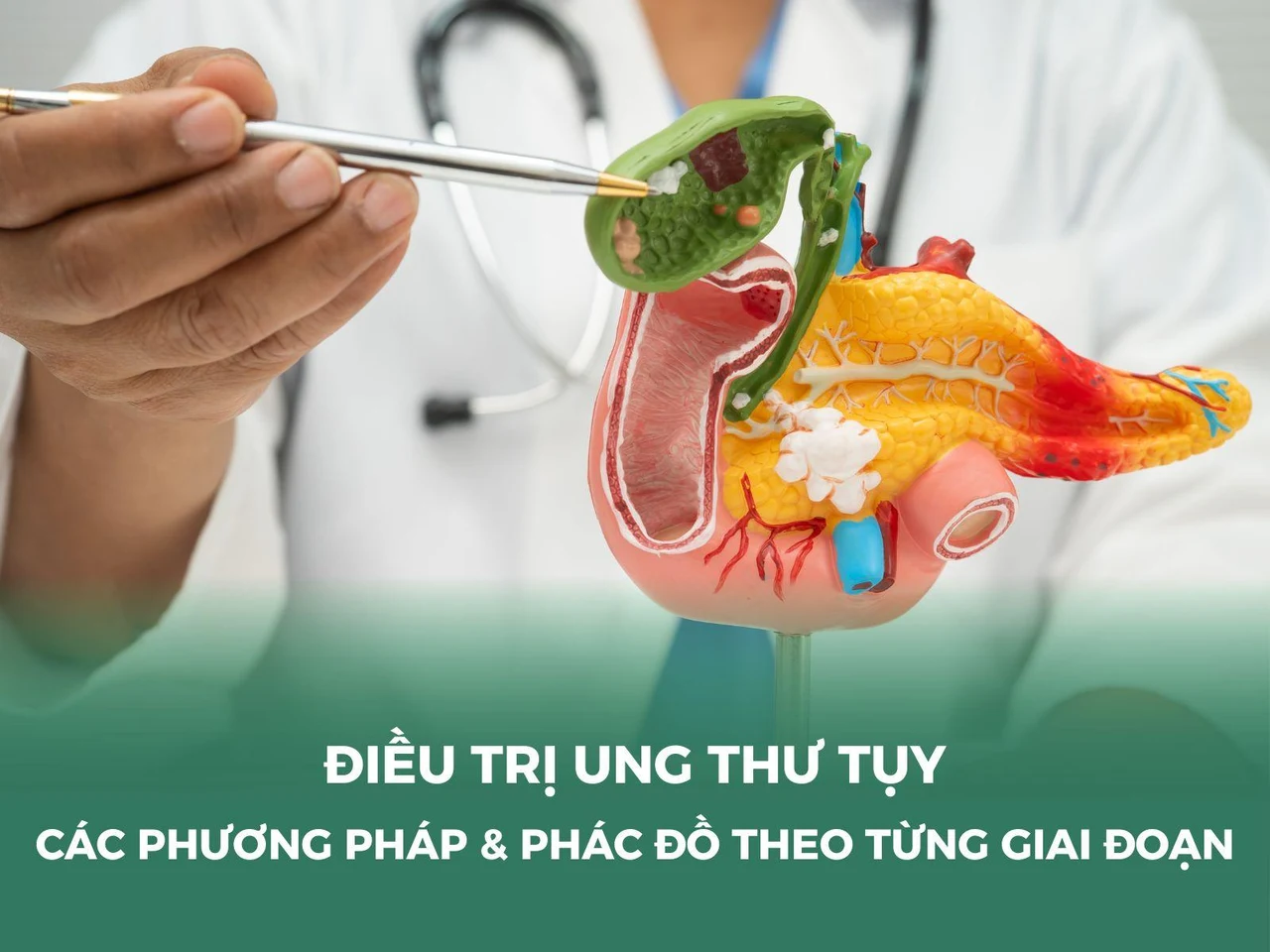

After a pancreatic cancer diagnosis, many people wonder whether surgery is still an option, whether chemotherapy is the only treatment, or whether immunotherapy may be suitable for them. The choice of treatment depends on the tumour’s characteristics, the cancer stage, the patient’s overall health and other factors. This article explains the treatment approaches and medical plans that may be considered at each stage.
Key points:
- Why staging matters: Accurately assessing how far the tumour has spread is important when choosing an appropriate pancreatic cancer treatment plan.
- Treatment by stage: Treatment for stage 1 and stage 2 pancreatic cancer may focus on surgery with curative intent. For stage 3 disease, chemotherapy and/or radiotherapy may be used to shrink the tumour. Treatment for advanced pancreatic cancer aims to control disease progression and extend survival.
- A range of treatment options: In addition to established approaches such as Whipple surgery and chemotherapy for pancreatic cancer, newer options such as targeted therapy and immunotherapy may offer additional possibilities for some patients.
- The role of supportive care: Palliative care is provided alongside cancer treatment when appropriate to help manage pain, support nutrition and maintain quality of life.
Core principles of pancreatic cancer treatment
|
1. Choosing a pancreatic cancer treatment plan by stage
Treatment for pancreatic cancer is tailored to each patient. The plan depends on the cancer stage, whether surgery is possible, the tumour’s biological features, the patient’s age and overall health, and their preferences [1].
1.1. Stages 1 and 2: Assessing whether curative-intent surgery is possible
Disease status: In stage 1 and some stage 2 cases, the tumour may still be surgically resectable. The cancer may have spread to nearby lymph nodes but not to distant sites, while still meeting the criteria for surgery.
Preferred approach: Curative-intent surgery is the main treatment approach. Procedures may include a Whipple procedure or removal of the body and tail of the pancreas. The aim is to remove the tumour along with the associated tissue and lymph nodes, with clear surgical margins. In some cases, neoadjuvant chemotherapy may be given before surgery to shrink the tumour and make the operation more feasible.
Adjuvant treatment: After recovering from surgery, most patients will be considered for adjuvant chemotherapy to reduce the risk of recurrence. Treatment usually lasts around six months, depending on the regimen and the patient’s condition.
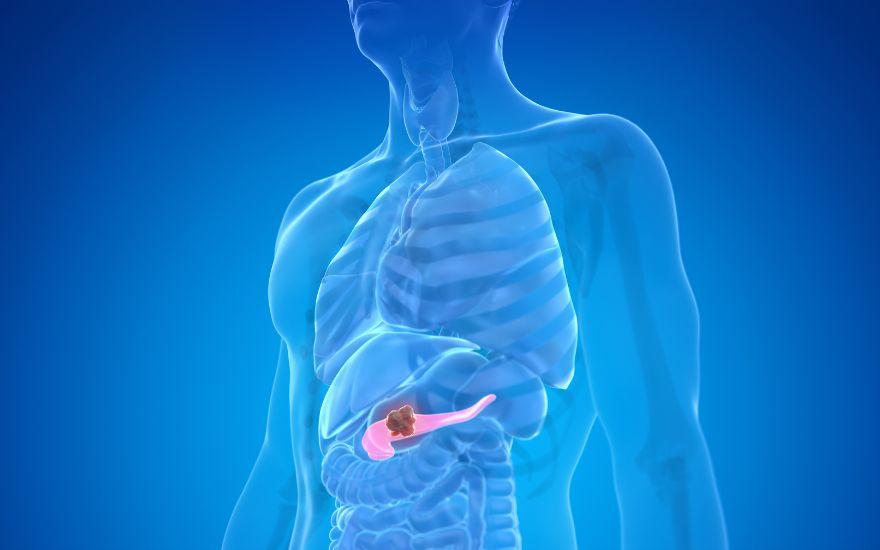
1.2. Stage 3: Treatment based on whether the tumour can be removed
Disease status: By stage 3, the tumour has often grown and invaded major blood vessels around the pancreas. Based on the extent of vascular involvement at diagnosis, it may be classified as borderline resectable or locally advanced and unresectable. As a result, surgery may not be recommended as the initial treatment.
Preferred approach: Systemic chemotherapy is usually given first. After assessing how the tumour responds, doctors may consider adding radiotherapy or chemoradiotherapy to improve disease control and help determine whether surgery may be possible.
Goal: Chemotherapy and radiotherapy may help shrink the tumour, control disease progression and improve the chances of surgical removal in some cases. After around 2–4 months of treatment, the patient will have a CT or MRI scan for reassessment. If the cancer responds, has not spread to distant sites and the tumour is considered resectable, doctors may consider surgery following a multidisciplinary team review.
1.3. Stage 4 (distant metastases)
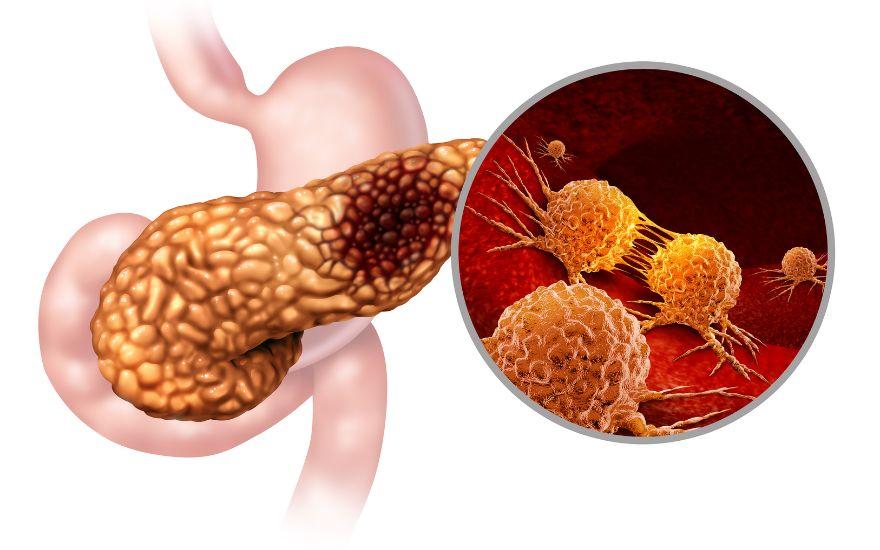
Disease status: At stage 4, the cancer may have spread to distant organs such as the liver, lungs or bones, or to the peritoneum. Surgery with curative intent is generally no longer appropriate, although some procedures may be used to relieve symptoms.
Treatment goals: Treatment focuses on controlling tumour progression, extending survival and helping the patient maintain the best possible quality of life.
Preferred approach: Systemic chemotherapy is the main treatment. Targeted therapy or immunotherapy may be considered for some patients if molecular testing identifies suitable mutations or biomarkers.
Palliative care alongside cancer treatment: Palliative care should be provided alongside cancer treatment to manage symptoms and pain, support nutrition, improve quality of life, and provide psychological support for patients and their families. Depending on the patient’s needs, this may include pain medication, biliary or duodenal stenting, or a gastrojejunostomy, as well as nutritional counselling and comprehensive supportive care.
2. Pancreatic cancer treatment options
Modern medicine uses a multimodal approach to pancreatic cancer treatment to optimise disease control [2].
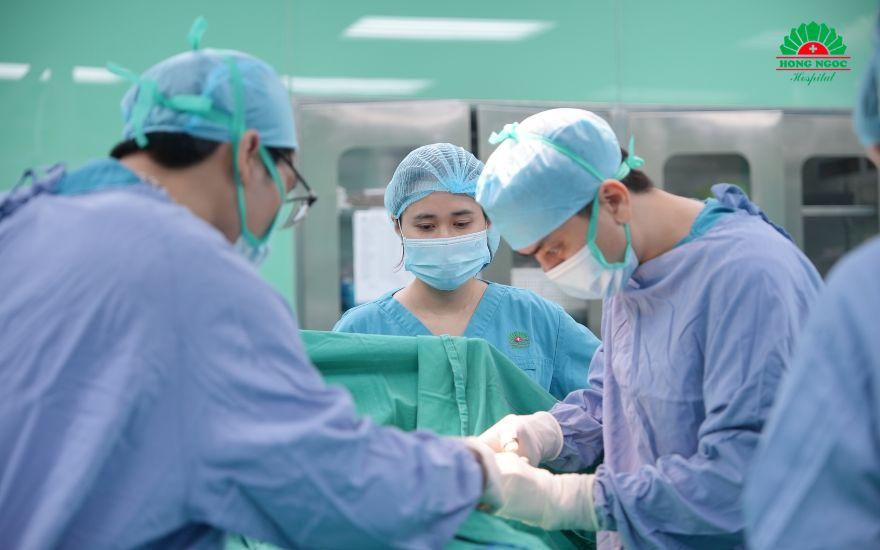
2.1. Surgery
For suitable patients, surgery is an important treatment that may offer the possibility of a cure. However, only a small proportion of patients are diagnosed while the tumour is still localised and can be completely removed. Before recommending surgery, doctors carefully assess whether the tumour has invaded major blood vessels and whether the cancer has spread to other organs.
Depending on the tumour’s location, the doctor may choose one of the following complex procedures:
- Whipple procedure (pancreaticoduodenectomy): This is commonly used for tumours in the head of the pancreas. The surgeon removes the head of the pancreas, duodenum, gallbladder and lower part of the common bile duct. In some cases, part of the stomach may also be removed. After removing the tumour, the surgeon reconstructs the digestive tract to restore the passage of food. The patient may need to adjust their diet and take pancreatic enzymes as prescribed.
- Distal pancreatectomy: This procedure is used for tumours in the body or tail of the pancreas. The surgeon removes the body and tail of the pancreas and often removes the spleen as well, because the two organs share blood vessels. Nearby lymph nodes are also commonly removed to help determine the cancer stage and improve the chance of removing all cancer cells.
- Total pancreatectomy: In certain cases, when cancer affects the entire pancreas or multiple areas cannot be preserved, the doctor may recommend removing the whole pancreas. After surgery, the patient will need insulin and pancreatic enzyme replacement as prescribed by their doctor.
2.2. Chemotherapy (systemic therapy)
Chemotherapy is a systemic treatment that uses medicines, given intravenously or by mouth, to travel through the bloodstream and kill cancer cells or slow their growth. In pancreatic cancer, chemotherapy is used not only after the cancer has spread but also as part of treatment at several different stages:
- Neoadjuvant chemotherapy (before surgery): This may be given before surgery to shrink the tumour and make it easier to remove completely. It may also help destroy micrometastases—tiny clusters of cancer cells that may have spread but are too small to detect with standard imaging tests. As a result, some patients whose tumours initially involve nearby structures in a complex way may become candidates for surgery.
- Adjuvant chemotherapy (after surgery): Chemotherapy may be recommended even after the primary tumour has been successfully removed. It aims to destroy any microscopic cancer cells that may remain and cannot be seen on ultrasound or CT scans, thereby reducing the risk of recurrence.
- Palliative chemotherapy: When pancreatic cancer has spread or can no longer be removed with curative intent, chemotherapy is mainly used to control tumour growth, relieve symptoms, improve quality of life and extend survival.

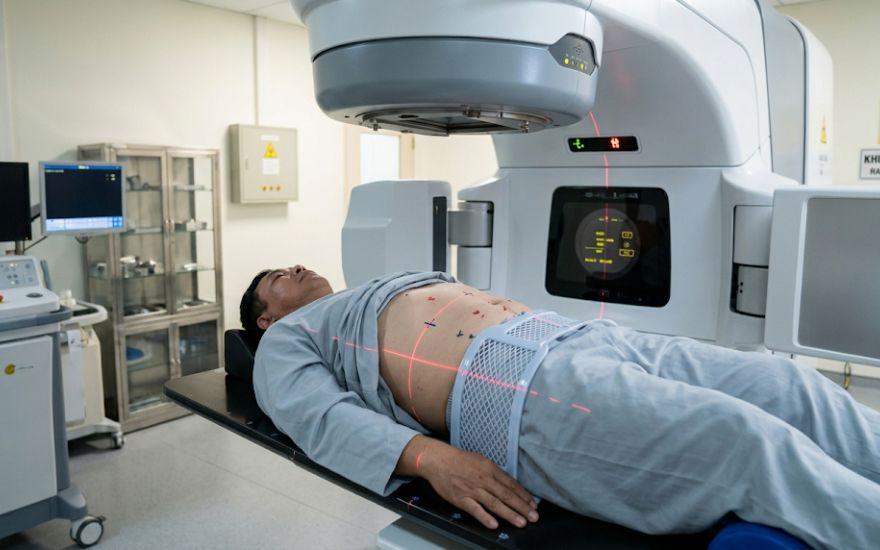
2.3. Radiotherapy (local treatment)
Radiotherapy uses high-energy beams, such as X-rays or proton beams, directed at the tumour to destroy cancer cells. For pancreatic cancer, radiotherapy is not a standard treatment for every patient. A specialist may consider it in specific cases:
- To support treatment before surgery: For some tumours with complex involvement of nearby structures, doctors may recommend radiotherapy combined with chemotherapy before surgery. This may help control the tumour’s spread, make surgical removal more feasible and reduce the risk of cancer cells remaining after the operation.
- To relieve symptoms: If a patient is not fit for surgery or the tumour has spread to nearby organs, radiotherapy may be used to control tumour growth. It can help relieve pressure on surrounding organs and nerves, ease pain and improve quality of life.
2.4. Targeted therapy
Targeted therapy is a modern treatment option for some people with pancreatic cancer, depending on their condition and overall health. Unlike chemotherapy, which affects cells more broadly, targeted medicines are designed to act on specific molecular targets involved in cancer cell growth.
Before recommending this treatment, doctors may order molecular tests to determine whether the tumour’s features make the patient a suitable candidate. For example, PARP inhibitors may be used in some patients with BRCA1 or BRCA2 mutations to prolong disease control after they have responded to a platinum-based chemotherapy regimen.
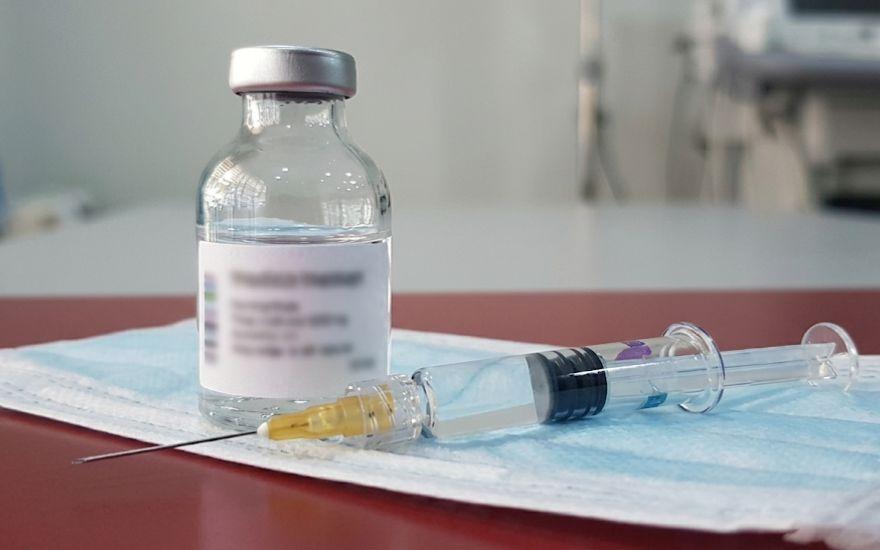
2.5. Immunotherapy
Like targeted therapy, immunotherapy is a modern treatment approach. Some cancer cells develop mechanisms that help them evade the immune system. Immunotherapy uses specific medicines to block these mechanisms, helping the body’s immune system recognise and attack cancer cells.
However, immunotherapy is currently effective only for a subset of people with pancreatic cancer whose tumours have specific biological features. Doctors use specialised tests to assess whether this treatment may be suitable for each patient.
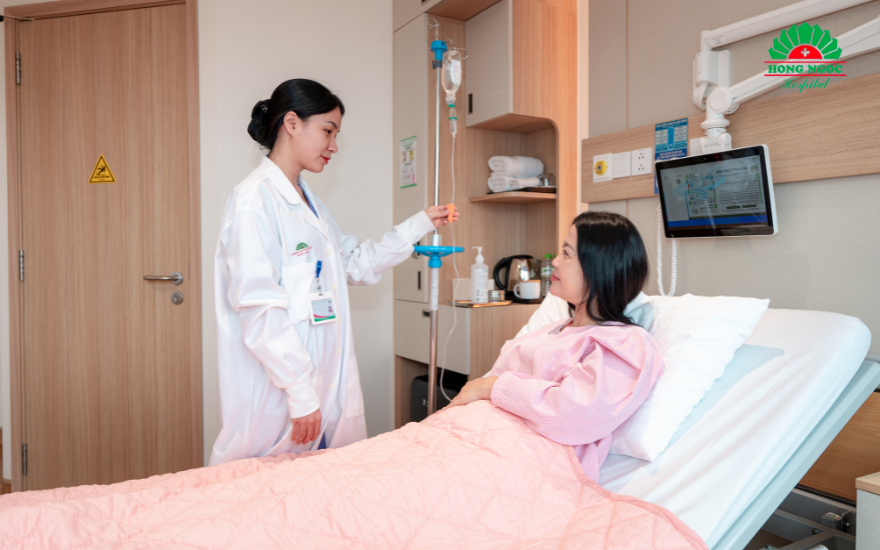
2.6. Palliative care
Palliative care, which focuses on improving quality of life, is an important part of pancreatic cancer care and may begin when treatment starts. Provided alongside cancer-directed treatment, it aims to manage symptoms and pain, support nutrition and emotional wellbeing, and help patients maintain the best possible quality of life.
Common palliative interventions for pancreatic cancer include:
- Relieving jaundice: If the tumour blocks the bile duct, doctors may perform endoscopic retrograde cholangiopancreatography (ERCP) to place a biliary stent. This helps restore bile flow, relieve jaundice and itching, and reduce the risk of a bile duct infection.
- Relieving digestive tract obstruction: If the tumour presses on the duodenum and blocks the passage of food, doctors may place a duodenal stent or perform a gastrojejunostomy to help improve eating and reduce vomiting.
- Pain management: Depending on the severity of the pain, doctors may prescribe pain medicines of varying strengths. If a large tumour causes severe pain by pressing on nearby structures, a nerve block may also be considered. This procedure involves injecting medication to block pain signals from nerves in the abdomen from reaching the brain, which may provide relief.
- Nutritional support: Pancreatic cancer can reduce the production of digestive enzymes, leading to poor fat absorption and weight loss. In these cases, doctors may prescribe pancreatic enzyme replacement therapy (PERT) to support digestion, improve nutrient absorption and help maintain weight.
The choice and combination of palliative interventions depend on the patient’s symptoms and the specialist’s assessment.

3. Follow-up care after pancreatic cancer treatment
Care after treatment is important for helping patients regain strength and manage their health over the long term:
- Attend regular follow-up appointments: Follow the recommended schedule, often every 3–6 months, for blood tests and CT or MRI scans to monitor treatment response and detect possible recurrence early.
- Follow a suitable diet: Choose soft, easy-to-digest foods and eat 5–6 smaller meals a day. If prescribed, take digestive enzyme supplements or insulin to support pancreatic function.
- Monitor and care for your health: Keep track of health indicators, especially blood glucose and weight. Tell your doctor promptly if you develop unusual symptoms such as persistent abdominal pain, jaundice or fever.
- Maintain emotional wellbeing: Make time for rest and take steps to manage your emotions. Support and encouragement from family, along with psychological support groups, can help ease stress.
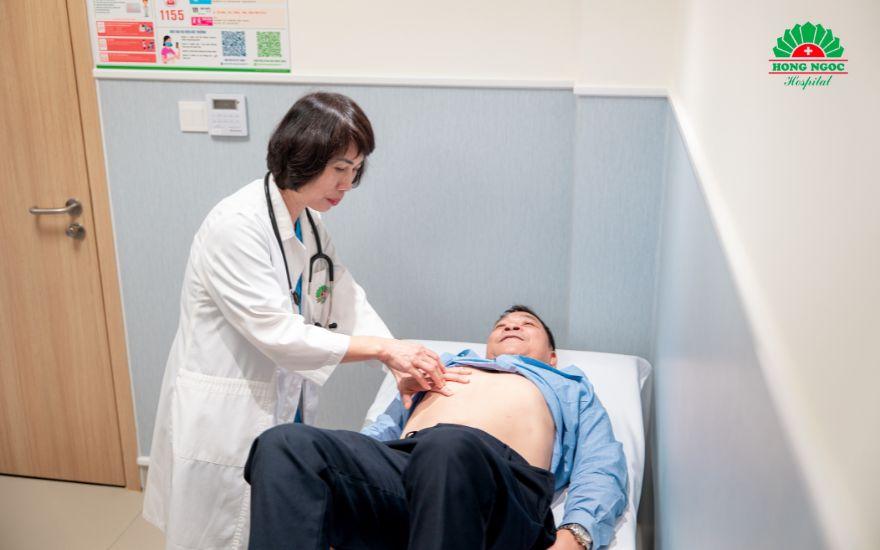
4. Comprehensive, evidence-based pancreatic cancer care at Hong Ngoc General Hospital
Choosing a reputable medical facility with the appropriate expertise is an important first step in pancreatic cancer treatment. At Hong Ngoc General Hospital, we understand the worry and strain patients may experience when facing a pancreatic tumour. With a patient-centred approach, the hospital provides specialist care and supports patients and their families throughout treatment.
Hong Ngoc General Hospital offers specialist expertise, multidisciplinary case reviews, personalised treatment plans and facilities that meet international standards:
- Experienced hepatobiliary and pancreatic specialists: Patients are assessed and treated by experienced specialists, including doctors who have worked for many years at major central hospitals. The medical team carefully reviews each case, provides guidance and supports patients throughout treatment.
- Multidisciplinary team (MDT) reviews: Each case is carefully assessed through close collaboration among oncology specialists, gastrointestinal and hepatobiliary-pancreatic surgeons, radiologists and pathologists to determine the most appropriate treatment approach.
- Personalised, multimodal treatment: The multidisciplinary team develops a treatment plan suited to each patient’s condition and overall health. This approach aims to optimise treatment outcomes while limiting the risk of excessive treatment burden.
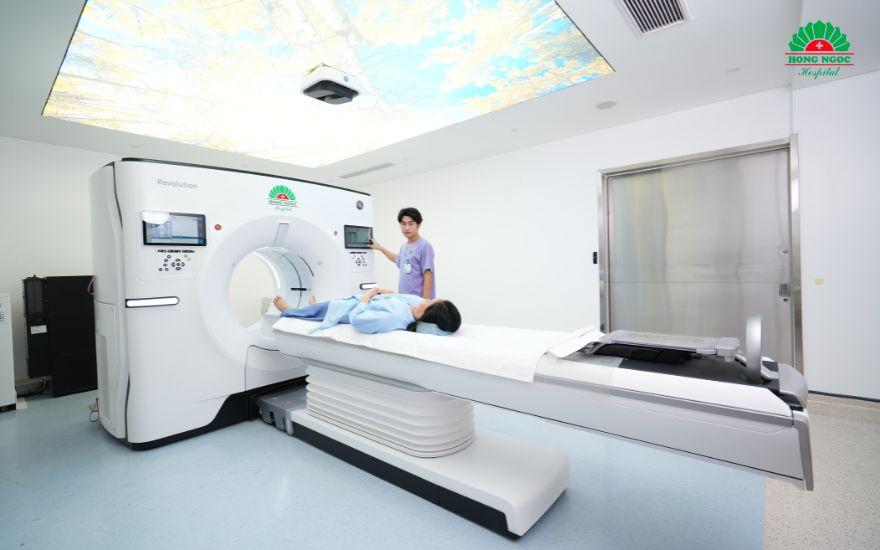
- Advanced diagnostic and treatment equipment: The hospital has an integrated range of modern equipment, including multi-slice CT scanners, next-generation MRI systems, high-definition magnifying gastrointestinal endoscopes, automated laboratory systems and sterile operating theatres. These facilities support early screening, accurate diagnosis and complex major surgery.
- Care that meets international standards: The hospital meets rigorous global healthcare quality standards, including ACHS International accreditation from the Australian Council on Healthcare Standards and an international surgical training certificate from the Royal College of Surgeons (RCS). Surgical procedures follow strict safety protocols for surgery and anaesthesia, and the enhanced recovery after surgery (ERAS) programme helps patients recover sooner.
- Pain management and comprehensive palliative care: The medical team works closely with patients to manage pain, reduce the side effects of chemotherapy and radiotherapy, provide emotional support and meet nutritional needs—helping patients maintain their strength and wellbeing throughout treatment.
- Comfortable facilities and a relaxing environment: Inpatient areas are modern, private and quiet. Hospital amenities include a nutritional restaurant, café, aquarium, children’s play area and spa. These facilities are designed to make hospital stays more comfortable and ease some of the stress for patients and their families.
- Health insurance and direct billing: The hospital provides health insurance benefits in accordance with government regulations and offers direct billing through partnerships with life and non-life insurance providers. This can help manage treatment costs and ease the financial burden on families.
5. Frequently asked questions (FAQ)
5.1. Can pancreatic cancer be completely cured?
Pancreatic cancer may be treated with curative intent if it is detected early, before the tumour has spread extensively, and can be surgically removed. After surgery, patients are often recommended adjuvant chemotherapy to reduce the risk of recurrence. However, many cases are diagnosed after the cancer has progressed or spread. At that point, treatment focuses on controlling tumour growth, extending survival and maintaining the best possible quality of life.
5.2. Does chemotherapy for pancreatic cancer cause hair loss?
It can, but not all chemotherapy drugs cause hair loss to the same extent. Some commonly cause hair loss, while others may only thin the hair or have less effect. The degree of hair loss depends on the medicines used, the treatment dose and the individual patient. Hair usually grows back in the months after chemotherapy ends.
5.3. Does pancreatic cancer treatment require a long hospital stay?
The length of stay depends on the treatment and the patient’s overall health. After surgery, patients usually stay in hospital for about 1–2 weeks for monitoring and recovery. Chemotherapy or radiotherapy is generally given on an outpatient basis, or may require only a short hospital stay after each treatment cycle.
5.4. What are the side effects of pancreatic cancer treatment?
Side effects vary depending on the treatment plan. Surgery may cause pain around the incision, slower digestion or changes in blood glucose levels. Chemotherapy and radiotherapy may cause fatigue, nausea, loss of appetite, hair loss or low red or white blood cell counts. Doctors can provide medicines and supportive care to help manage these symptoms.
5.5. How long does it take to recover from pancreatic cancer surgery?
Recovery takes time because these are often complex major operations. Patients typically need about 6–8 weeks to resume basic daily activities. It may take several months for digestion and overall health to stabilise, so patients should follow their doctor’s advice on nutrition and physical activity.
5.6. What should people being treated for pancreatic cancer eat?
Patients should aim for a diet that provides enough calories and protein, ideally divided into several small meals throughout the day to ease bloating and support nutrient absorption. If reduced pancreatic function leads to poor fat absorption, the doctor may prescribe pancreatic enzyme replacement therapy (PERT) to aid digestion. Patients should also drink enough fluids, limit alcohol, and speak with a doctor or dietitian if they are losing significant weight or having difficulty eating, so they can receive tailored nutritional advice [3].
5.7. How long can someone with pancreatic cancer live?
Life expectancy varies from person to person and depends on many factors, including the stage at diagnosis, the tumour’s biological features, response to treatment and overall health. Early detection can offer a better chance of effective treatment. Rather than becoming overly concerned about general statistics, patients should focus on following their treatment plan, maintaining good nutrition and looking after their emotional wellbeing to make the most of their time and quality of life.
The choice of pancreatic cancer treatment should be based on a comprehensive assessment of the cancer stage, whether surgery is possible and each patient’s health. Care at a facility with specialists in gastrointestinal surgery, medical oncology, diagnostic imaging and palliative care can help ensure an appropriate treatment plan and ongoing monitoring.
If you or a family member is looking for a trusted medical facility for an assessment, a specialist second opinion, or more information about suitable treatment options, contact the Department of Oncology at Hong Ngoc General Hospital. The specialist team is available to provide timely support.
Hong Ngoc General Hospital - a trusted destination for cancer care Hotline: 0911 858 626 Addresses:
Website: https://hongngochospital.vn/vi/chuyen-khoa/khoa-ung-buou Facebook: https://www.facebook.com/profile.php?id=61584865256272 Email: info@hongngochospital.vn |
If you are experiencing unusual pancreatic symptoms or need advice on a treatment plan and tailored diet, contact Hong Ngoc General Hospital on 0911 858 626 for timely support.
Medical note: The information in this article by Hong Ngoc General Hospital is for reference only and does not replace a medical diagnosis or specialist treatment. For an accurate assessment, visit a reputable medical facility to be examined by a doctor and receive advice on an appropriate treatment plan.
References:
- (N.d.). Nccn.org. Retrieved August 21, 2026, from https://www.nccn.org/patients/guidelines/content/PDF/pancreatic-patient.pdf
- Surgery for pancreatic cancer. (n.d.). Cancer.org. Retrieved August 21, 2026, from https://www.cancer.org/cancer/types/pancreatic-cancer/treating/surgery.html
- Pancreatic cancer diet and nutrition. (2012, December 20). Pancreatic Cancer Action Network. https://pancan.org/facing-pancreatic-cancer/living-with-pancreatic-cancer/diet-and-nutrition/