




Many people notice that their heart beats faster, or that palpitations become more noticeable on hot days. In many cases, this is only a temporary response of the body as it adapts to high temperatures, mild dehydration, lack of sleep, stress, or excessive intake of stimulants such as coffee and energy drinks. However, in some cases, it may also be a sign of a serious medical condition.
Medical disclaimer: This article is intended for reference purposes only and is not a substitute for medical diagnosis or treatment. If palpitations are accompanied by chest pain, shortness of breath, fainting, cold sweats, cyanosis, confusion, or a rapid heartbeat that persists and does not improve with rest, emergency services should be called or the patient should seek immediate medical care.
Quick answer: Palpitations in summer are often related to dehydration, heat-induced vasodilation, electrolyte imbalance, lack of sleep, stress, or caffeine and energy drink consumption. However, if a rapid heartbeat persists, or if the patient feels skipped beats or an irregular heartbeat accompanied by chest pain, shortness of breath, dizziness, or fainting, they should seek medical evaluation early to rule out cardiac arrhythmias and cardiovascular disease.
Transient palpitations after sun exposure, physical activity, or inadequate hydration may improve with rest and fluid replacement. However, palpitations accompanied by chest pain, shortness of breath, fainting, or an irregular heartbeat are warning signs that require medical assessment.
Professional consultation: This article was medically reviewed by a general internal medicine specialist at Hong Ngoc General Hospital.
Last updated: June 4, 2026.
Quick summary of the article
- Palpitations refer to the sensation of a pounding, rapid, fluttering, skipped, or irregular heartbeat.
- Symptoms may become more noticeable during summer due to dehydration, vasodilation, an increased heart rate to help dissipate heat, and electrolyte imbalance.
- Not all cases of palpitations indicate heart disease, but persistent or recurrent symptoms should not be overlooked.
- Common causes include dehydration, electrolyte imbalance, caffeine intake, lack of sleep, anemia, hyperthyroidism, medications, and cardiac arrhythmias.
- Emergency care is required if palpitations are accompanied by chest pain, shortness of breath, fainting, cyanosis, cold sweats, or confusion.
- Depending on the patient’s condition, doctors may order an electrocardiogram, Holter monitoring, electrolyte tests, a complete blood count, thyroid function tests, or echocardiography.
What do palpitations feel like?
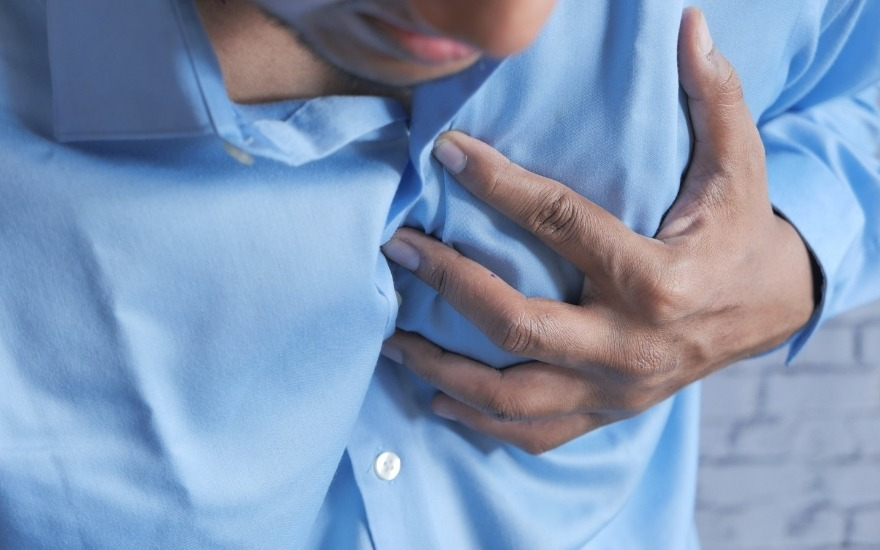
Palpitations refer to the sensation that the heart is pounding, beating rapidly, skipping beats, missing beats, or beating irregularly. This sensation may be felt in the chest, neck, or throat. Some people describe it as “a pounding heartbeat,” “the heart skipping a beat,” “a fluttering sensation,” or “rapid pounding in the chest.”
Not all cases of palpitations indicate heart disease. Some may be related to stress, lack of sleep, dehydration, strenuous physical activity, coffee, energy drinks, or alcohol consumption. However, if symptoms occur suddenly, persist, recur frequently, or are accompanied by chest pain, shortness of breath, dizziness, or fainting, the patient should undergo cardiovascular evaluation.
An important point is to distinguish between a rapid heartbeat and palpitations. A rapid heartbeat refers to an increased heart rate measured in beats per minute, while palpitations are the patient’s subjective awareness of their heartbeat. Some people may feel palpitations even when the heart rate is not particularly fast, but the rhythm may be irregular or the heartbeat may feel stronger than usual.
Why are palpitations more likely to occur in summer?
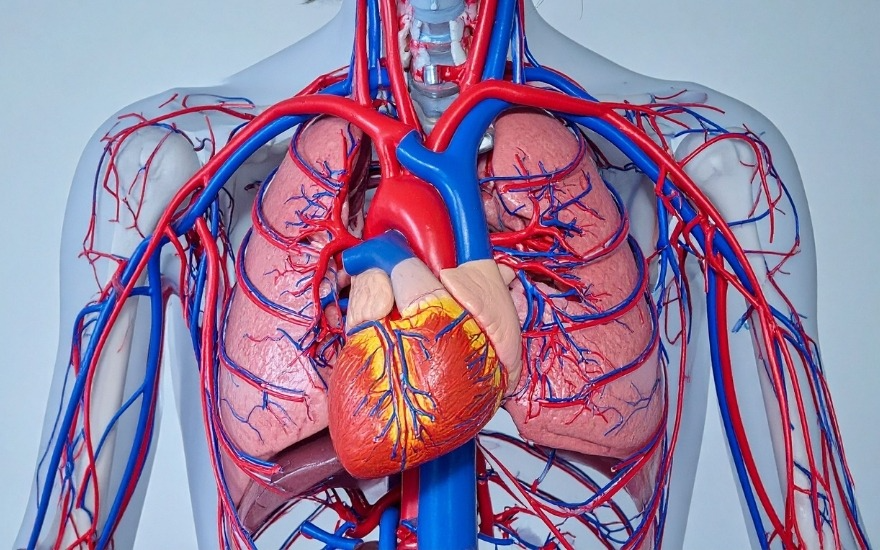
When the ambient temperature rises, the body has to work harder to maintain a stable core temperature. One important mechanism is the dilation of blood vessels beneath the skin, which allows more blood to flow toward the periphery and helps release heat. At the same time, the heart may increase its rate of contraction to maintain circulation.
On hot days, the body also produces more sweat. If fluids and electrolytes are not adequately replaced, the volume of fluid within the blood vessels may decrease, making the heart rate more likely to rise and palpitations more noticeable.
In healthy individuals, these changes are usually temporary and improve with rest, cooling, and adequate hydration. However, in people with cardiovascular disease, hypertension, arrhythmias, anemia, hyperthyroidism, or those taking certain medications, hot weather may make symptoms more pronounced.
Summary of common causes of palpitations during summer
Cause | Suggestive signs | When to seek medical attention |
| Dehydration | Thirst, dry mouth, reduced urination, dark-colored urine | Palpitations accompanied by dizziness, severe fatigue, or no improvement after rest |
| Electrolyte imbalance | Muscle cramps, muscle weakness, irregular heartbeat | Sensation of skipped beats, near-fainting, or persistent palpitations |
| Stress and lack of sleep | Restlessness, insomnia, palpitations during periods of anxiety | Recurrent symptoms or symptoms that affect daily activities |
| Caffeine, energy drinks, or alcohol | Palpitations after drinking coffee, strong tea, energy drinks, or alcohol | Persistent rapid heartbeat, significant discomfort, or symptoms accompanied by dizziness or chest pain |
| Anemia | Pale skin, prolonged fatigue, shortness of breath, rapid heartbeat on exertion | Palpitations during mild activity, dizziness, shortness of breath, or persistent fatigue |
| Hyperthyroidism | Hand tremors, weight loss, heat intolerance, excessive sweating | Rapid heartbeat even at rest |
| Medications or dietary supplements | Symptoms appearing after starting a new medication or increasing the dose | Patients should bring a list of all medications and supplements when seeing a doctor |
| Cardiac arrhythmias | Skipped beats, irregular heartbeat, sudden palpitations | Early medical evaluation is needed; seek emergency care if palpitations are accompanied by chest pain, shortness of breath, fainting, or a persistent rapid heartbeat |
Common causes of palpitations during summer
Dehydration
On hot days, dehydration is a very common cause of a rapid heartbeat or unusual palpitations.
When the body sweats heavily without adequate fluid replacement, the volume of fluid within the blood vessels decreases. To ensure that blood continues to reach the brain, heart, and other organs, the heart often has to beat faster and work harder to maintain circulation. This may create the sensation of palpitations or a pounding heartbeat.
In addition to palpitations, people who are dehydrated often experience persistent thirst, dry lips, dry mouth, fatigue, reduced concentration, decreased urination, or dark-colored urine. Some may also develop headaches, dizziness, or lightheadedness when standing up, especially when rising suddenly or standing for a long time in the sun.
If palpitations occur only after sun exposure or strenuous activity and improve with rest and small sips of water, the cause may be related to mild dehydration. However, patients with heart failure, kidney disease, or those advised by their doctor to restrict fluid intake should follow individualized guidance and should not drink excessive amounts of water on their own. If a rapid heartbeat does not improve after rest, or is accompanied by dizziness, lightheadedness, or markedly reduced urination, the patient should be examined to rule out severe dehydration, electrolyte imbalance, or cardiovascular disease.

Electrolyte imbalance
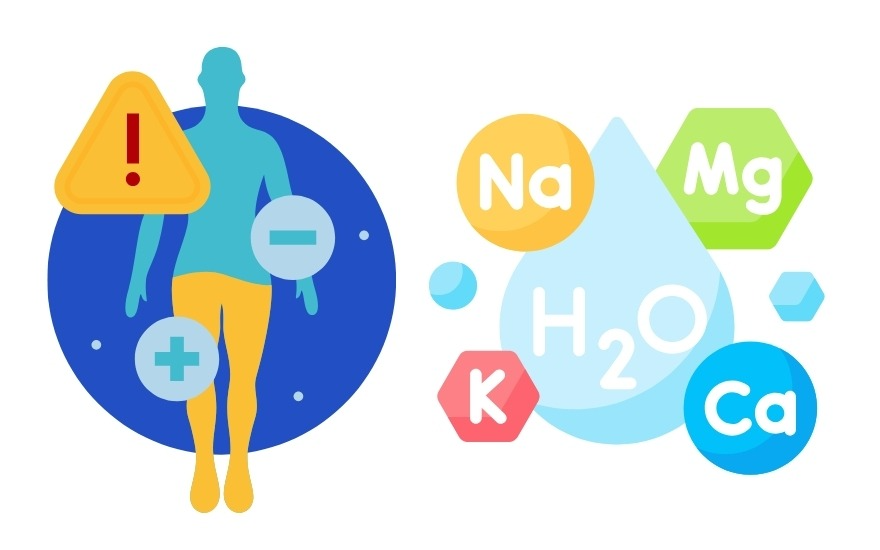
Each time the body sweats, it loses not only water but also essential minerals such as sodium, potassium, and magnesium. These electrolytes play an important role in the electrical conduction system of the heart.
When electrolyte levels change significantly, the heart rhythm may become abnormal. Some people may feel that their heart is beating faster, while others may experience skipped beats, an irregular heartbeat, or a sensation of the heart “dropping” in the chest.
Electrolyte imbalance is more likely to occur in people who sweat heavily, vomit, have diarrhea, drink too little water, take diuretics, or have kidney disease. Associated symptoms may include muscle cramps, muscle weakness, severe fatigue, headache, or dizziness.
If the patient experiences skipped beats, persistent palpitations, lightheadedness, chest pain, shortness of breath, or near-fainting, they should seek medical evaluation early, as these may be signs of an arrhythmia related to electrolyte imbalance.
Stress and lack of sleep due to hot weather
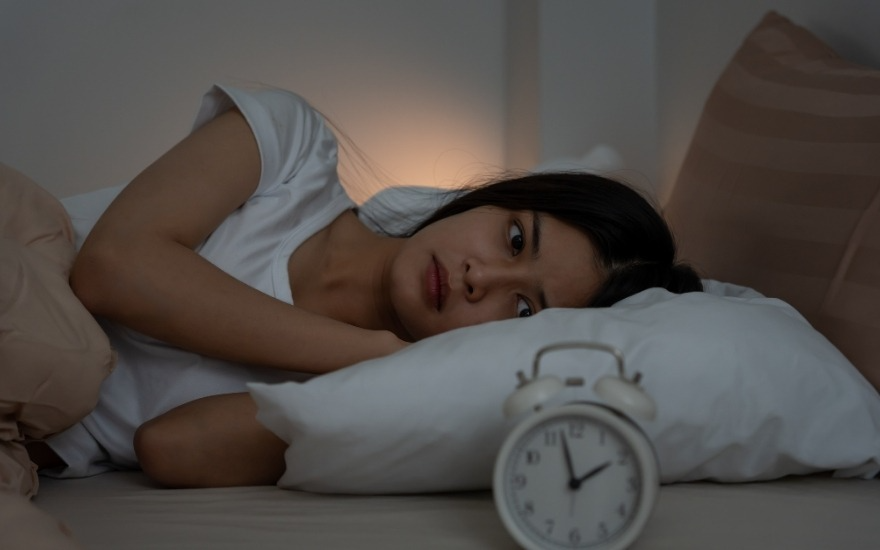
Not all cases of summer palpitations are related to cardiovascular disease. Prolonged high temperatures can disrupt sleep, make the body more fatigued, and increase stress levels.
When a person does not get enough sleep or frequently wakes up during the night, the sympathetic nervous system may become more active, leading to an increased heart rate and more noticeable palpitations. Patients may feel their heart beating faster upon waking, experience palpitations during stressful work, or feel restless, tense, and anxious.
If symptoms are transient and improve after adequate sleep, rest, reduced caffeine intake, and avoidance of overexertion, they are usually less concerning. Conversely, if palpitations occur even at rest, become progressively worse, or are accompanied by chest pain, shortness of breath, dizziness, or fainting, medical evaluation is required.
Coffee, energy drinks, alcohol, and other stimulants
During summer, many people consume iced coffee, strong tea, energy drinks, or alcohol to stay alert, cool down, or socialize. These substances can stimulate the sympathetic nervous system, causing the heart to beat faster and making palpitations more noticeable.
Alcohol can also contribute to greater fluid loss, especially when consumed in hot weather. In people who are sensitive to stimulants or have underlying cardiovascular disease, palpitations may occur after consuming these substances, along with restlessness, difficulty sleeping, a pounding heartbeat, or an irregular heartbeat.
If palpitations recur after consuming coffee, energy drinks, or alcohol, patients should reduce or avoid these triggers. If symptoms persist or are accompanied by chest pain, shortness of breath, dizziness, or near-fainting, medical evaluation is needed.

Anemia
Anemia is another possible cause of palpitations, particularly in women, people with poor dietary intake, those with heavy menstrual bleeding, or individuals with chronic medical conditions.
When the number of red blood cells or the hemoglobin level decreases, the blood’s capacity to carry oxygen is reduced. To compensate, the heart has to work harder to deliver enough oxygen to tissues throughout the body. As a result, patients may experience a rapid heartbeat, palpitations, or shortness of breath even during mild physical activity.
People with anemia often experience not only palpitations but also prolonged fatigue, pale skin, pale mucous membranes, dizziness, reduced exercise tolerance, or shortness of breath when climbing stairs. If these symptoms persist or affect daily activities, blood tests should be performed to identify the underlying cause.
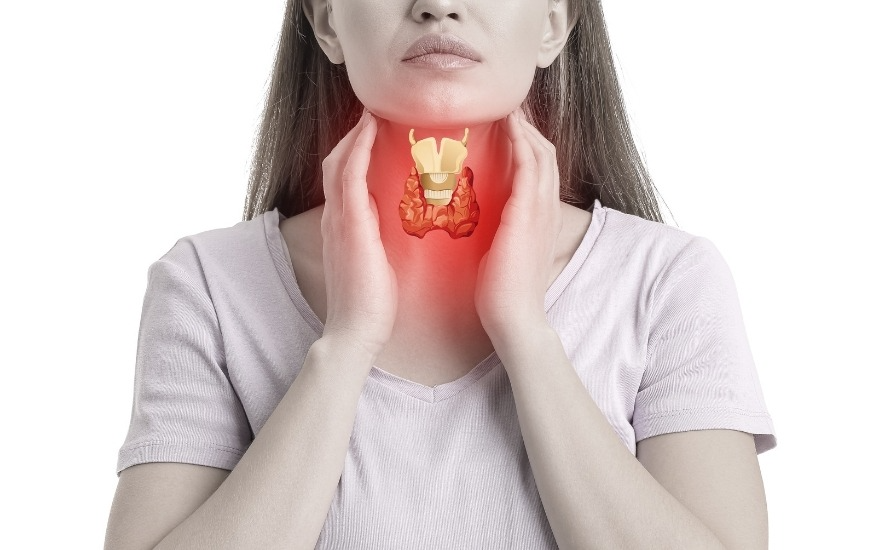
Hyperthyroidism
The thyroid gland produces hormones that regulate metabolism and directly affect cardiac function. When thyroid hormone levels become excessively elevated, the body enters a hypermetabolic state, causing the heart to beat faster than normal even at rest.
In addition to palpitations, patients with hyperthyroidism may experience weight loss despite normal food intake, hand tremors, excessive sweating, heat intolerance, irritability, insomnia, or diarrhea. Summer heat may make heat intolerance and palpitations more noticeable.
If these symptoms persist for several weeks, the patient should see an endocrinology or general internal medicine specialist for thyroid function assessment.
Certain medications or underlying conditions under treatment
Certain medications may trigger palpitations, cause a rapid heartbeat, or make symptoms more noticeable during hot weather. Examples include cold and flu medications containing stimulants, bronchodilators, thyroid medications, weight-loss drugs, certain dietary supplements with unclear ingredients, or the abrupt discontinuation of cardiovascular medications, all of which may affect heart rhythm.
Patients should not stop taking their medications on their own when palpitations occur. If symptoms appear after starting a new medication, increasing a dose, taking dietary supplements without medical guidance, or changing a treatment regimen, the patient should bring a complete list of all medications and supplements to the medical visit so the doctor can assess the possible cause.
Cardiac arrhythmias
Among the causes of palpitations, cardiac arrhythmias require particular attention because they may be directly related to cardiovascular disease.
Normally, the heart beats in a regular rhythm controlled by its electrical conduction system. When this system functions abnormally, the heart may beat too fast, too slowly, or irregularly. Patients often describe a sensation of rapid pounding in the chest, fluttering, skipped beats, a “dropping” sensation, or palpitations that appear suddenly and then resolve on their own.
Some arrhythmias may be benign, but others require treatment, especially in people with underlying cardiovascular disease, hypertension, coronary artery disease, heart failure, or a history of stroke.
If palpitations are accompanied by chest pain, shortness of breath, dizziness, fainting, cyanosis, or a persistent irregular heartbeat, the patient should seek medical care immediately, as these may be signs of an arrhythmia that requires evaluation with an electrocardiogram or Holter monitoring.

When can palpitations in summer be considered a physiological response?
Palpitations may be a temporary physiological response if they occur after exposure to hot weather, strenuous physical activity, lack of sleep, stress, or inadequate fluid intake during the day. In such cases, the sensation of a rapid heartbeat usually improves after the patient rests in a cool place, drinks water, relaxes, and avoids further exertion.
Signs suggesting a lower level of concern include symptoms that last only a few minutes, do not recur frequently, and are not accompanied by chest pain, shortness of breath, dizziness, fainting, or a sensation of an irregular heartbeat.
However, if palpitations occur even at rest, persist for several hours, recur repeatedly, or become progressively worse, they should not be regarded as a normal response to hot weather.
When are palpitations a warning sign?
Emergency services should be called, or the patient should go to a medical facility immediately, if palpitations are accompanied by any of the following signs:
- Chest pain, chest tightness or heaviness, or pain radiating to the shoulder, arm, back, neck, or jaw.
- Shortness of breath, bluish discoloration of the lips, or cold sweats.
- Fainting or near-fainting.
- Severe dizziness or confusion.
- A very rapid, irregular, or persistent heartbeat that does not improve with rest.
- Palpitations occurring in a person with cardiovascular disease, atrial fibrillation, heart failure, or a history of stroke.
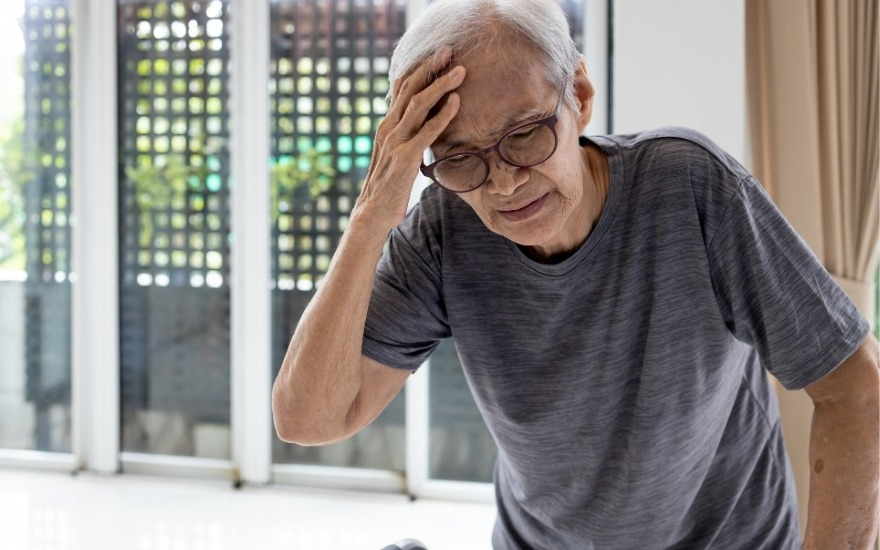
Patients should see a cardiology or general internal medicine specialist if palpitations recur frequently, occur weekly, appear even at rest, affect sleep, or are accompanied by fatigue, weight loss, hand tremors, anemia, or thyroid disorders.
People with cardiovascular disease, atrial fibrillation, heart failure, a history of stroke, or those taking cardiovascular medications should be more cautious if palpitations occur during hot weather, especially when the symptoms are new, progressively worsening, or different from usual.
What can be done to reduce palpitations during summer?
Rest in a cool place
If palpitations occur after sun exposure or outdoor physical activity, the patient should stop the activity, move to a shaded or well-ventilated area, sit down to rest, and avoid further exertion. Continuing to work in a hot environment may worsen dehydration, tachycardia, and severe fatigue.
Drink water properly
Healthy adults may refer to a total daily water intake of approximately 2.7 liters for women and 3.7 liters for men from all sources, including beverages and food. Actual fluid needs vary depending on age, body weight, activity level, weather conditions, and underlying medical conditions.
In hot weather or when sweating heavily, water should be consumed regularly throughout the day, rather than waiting until thirst occurs. If palpitations occur after sun exposure or physical activity, the patient should take small sips of water and avoid drinking too quickly, especially if nausea is present or after recent exertion. In cases of heavy sweating, appropriate electrolyte replacement may be needed, but electrolyte solutions should not be overused unnecessarily.
Patients with heart failure, kidney disease, liver disease, or those advised by their doctor to restrict fluid intake should not increase their water intake excessively on their own and should consult their doctor about an appropriate amount of fluid.

Limit caffeine, energy drinks, and alcohol
Coffee, strong tea, energy drinks, and alcohol can make palpitations more noticeable, especially when the body is dehydrated or sleep-deprived. If palpitations tend to occur after consuming these beverages, patients should reduce their intake or avoid them during hot weather.
Get enough sleep and reduce stress
Lack of sleep can increase sympathetic nervous system activity, making the heart more prone to rapid beating and palpitations. Patients should maintain a regular sleep schedule, avoid caffeine in the late afternoon and evening, keep the bedroom cool and well ventilated, and avoid overexertion during prolonged periods of hot weather.
Control underlying medical conditions
People with hypertension, cardiovascular disease, diabetes, hyperthyroidism, anemia, or kidney disease should attend follow-up appointments as recommended. Patients should not stop taking medications or change doses on their own when palpitations occur unless instructed by a doctor.
Monitor symptoms
Patients should record when palpitations occur, how long they last, possible triggers such as sun exposure, coffee intake, lack of sleep, stress, physical activity, or newly used medications, and any accompanying symptoms. If home monitoring devices are available, they may also record heart rate, blood pressure, or blood glucose at the time symptoms occur. This information helps doctors make a more accurate assessment during consultation.

What tests may doctors perform for palpitations?
Depending on the symptoms and underlying medical conditions, doctors may order several tests, including:
Electrocardiogram: This records the electrical activity of the heart at the time of examination and helps detect certain arrhythmias.
24- to 48-hour Holter monitoring, or longer: This is useful when palpitations occur in episodes and are not present during the medical visit. For less frequent episodes, doctors may consider longer-term heart rhythm monitoring depending on the patient’s specific condition.
Electrolyte tests: These assess sodium, potassium, magnesium, and calcium levels when dehydration or electrolyte imbalance is suspected.
Complete blood count: This helps evaluate anemia, especially in patients with prolonged fatigue, pale skin, dizziness, or shortness of breath on exertion.
Thyroid function tests: These may be considered if the patient has hand tremors, weight loss, heat intolerance, insomnia, or excessive sweating.
Blood glucose testing: This may be useful if palpitations are accompanied by hand tremors, cold sweats, intense hunger, confusion, or in patients with diabetes who experience fluctuating blood glucose levels.
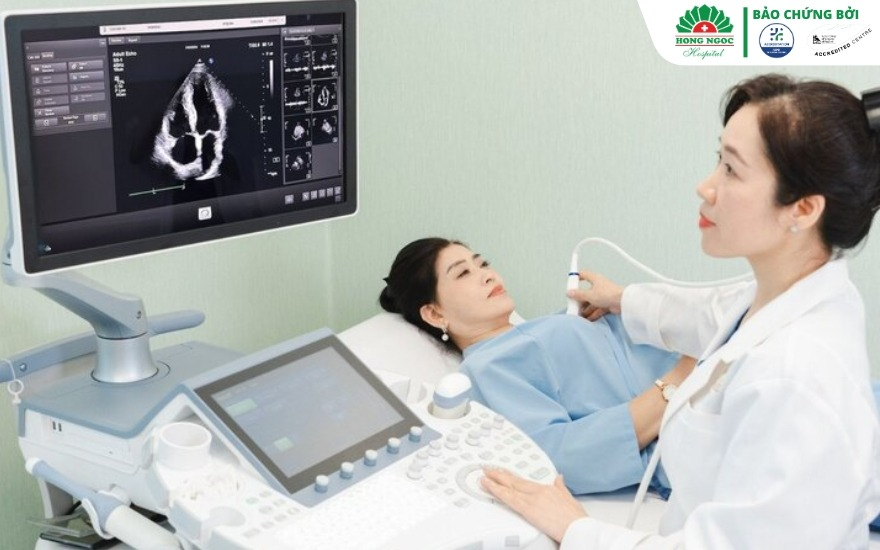
Echocardiography or other cardiovascular tests: These may be considered when heart valve disease, heart failure, cardiomyopathy, or structural heart disease is suspected. If palpitations are accompanied by chest pain, shortness of breath, or suspected cardiovascular events, doctors may order additional specialized tests as appropriate.
Not every patient with palpitations needs all of these tests. Doctors will determine the appropriate investigations based on symptoms, age, underlying conditions, current medications, and physical examination findings.
Frequently Asked Questions
Does hot weather cause a rapid heart rate?
Yes. In hot weather, the body increases blood flow to the skin to dissipate heat, which can accelerate the heart rate. If the symptom is transient and subsides after resting and hydrating, it is generally benign. However, if the rapid heart rate persists or is accompanied by chest pain, shortness of breath, or dizziness, medical evaluation is required.
Is palpitation the same as tachycardia (a rapid heart rate)?
Not entirely. Tachycardia refers specifically to an elevated heart rate (increased beats per minute). Palpitation, on the other hand, is the subjective sensation of a racing, pounding, fluttering, or irregular heartbeat, or skipped beats. Some individuals may experience palpitations even when their heart rate is within the normal range.
Can summer palpitations be caused by dehydration?
It is a distinct possibility. Dehydration leads to a reduction in blood volume, forcing the heart to beat faster to maintain adequate cardiac output. However, palpitations can also be triggered by electrolyte imbalances, anemia, hyperthyroidism, caffeine consumption, certain medications, or underlying arrhythmias.
Are palpitations accompanied by dizziness dangerous?
They can be potentially serious, especially if the dizziness is severe or accompanied by near-syncope (lightheadedness), syncope (fainting), chest pain, or dyspnea (shortness of breath). These could indicate a severe arrhythmia, profound hypotension, critical dehydration, or other cardiovascular conditions that necessitate prompt clinical evaluation.
Should I self-medicate with cardiac medications when experiencing palpitations?
Absolutely not. Patients should never self-administer heart-rate-lowering agents, antiarrhythmics, sedatives, antihypertensive medications, or dietary supplements without a physician's prescription. A proper diagnostic evaluation is essential to determine the root cause before any treatment is initiated.
Can drinking water help alleviate palpitations?
It can be beneficial if the underlying cause is related to dehydration or hypovolemia (decreased blood volume). However, patients with heart failure, kidney disease, or those advised to restrict fluid intake must manage their hydration according to tailored medical guidelines. If palpitations are accompanied by chest pain, dyspnea, syncope, an irregular heartbeat, or if they persist despite resting, oral hydration alone is insufficient, and immediate medical attention is required.
When do heart palpitations warrant emergency medical care?
Emergency medical intervention is critical if palpitations occur alongside chest pain, shortness of breath, fainting, cyanosis (bluish skin discoloration), cold sweats, altered mental status, or a severely rapid/irregular heartbeat that fails to subside with rest.
Conclusion
Summer palpitations are often associated with dehydration, electrolyte imbalances, stress, sleep deprivation, or the consumption of stimulants such as coffee, energy drinks, and alcohol. However, this symptom can also be an underlying indicator of anemia, hyperthyroidism, cardiac arrhythmias, or other cardiovascular diseases.
Patients should not disregard these symptoms if the palpitations are persistent, recurrent, or accompanied by chest pain, dyspnea (shortness of breath), dizziness, syncope (fainting), or an irregular heartbeat. Early clinical evaluation is essential to identify the underlying etiology and establish an appropriate management plan.
If you frequently experience a racing heart, tachycardia, or palpitations during the summer months, you can schedule a consultation with the Department of General Internal Medicine or Cardiology at Hong Ngoc General Hospital. A comprehensive assessment will be conducted to evaluate the root causes, including checking heart rhythm, electrolyte levels, complete blood count (CBC), thyroid function, and other associated cardiovascular risk factors.
Please contact our hotline at 024 3927 5568 or leave your information below to receive a personalized consultation from our medical specialists.

References
- Cleveland Clinic. Heart Palpitations: Symptoms, Causes & Treatment.
- Mayo Clinic. Heart Palpitations: Symptoms & Causes.
- U.S. Centers for Disease Control and Prevention (CDC). Clinical Overview of Heat and Cardiovascular Disease.
- U.S. Centers for Disease Control and Prevention (CDC). About Heat and Your Health.
- The National Academies of Sciences, Engineering, and Medicine (NASEM). Dietary Reference Intakes for Water, Potassium, Sodium, Chloride, and Sulfate.
- American Heart Association (AHA). How Serious Are Heart Palpitations? Causes, Symptoms and When to Worry.