



Bacteria are the leading cause of urinary tract infections during pregnancy. This condition not only causes discomfort and painful urination for the mother but may also pose potential risks to the fetus, making early detection and timely treatment essential.
What is urinary tract infection during pregnancy?
Urinary tract infection during pregnancy refers to a bacterial infection affecting any part of the urinary system in pregnant women, including the kidneys, ureters, bladder, or urethra. This condition is most commonly caused by Escherichia coli (E. coli). In its early stages, the infection may present with few or no obvious symptoms, which makes it difficult to detect.
In many cases, pregnant women may mistake the symptoms for common physiological changes during pregnancy, leading to delayed diagnosis.
If urinary tract infection during pregnancy is not detected early and treated appropriately, it may result in serious complications for both the mother and the fetus.
Three common types of urinary tract infections during pregnancy
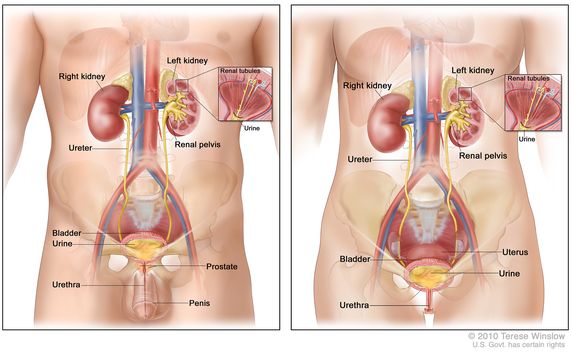
Urinary tract infection during pregnancy is a relatively common condition among pregnant women, largely due to reduced immune resistance, which makes it more difficult for the body to combat bacteria such as Escherichia coli (E. coli). This condition is typically classified into three main types corresponding to different levels of severity:
- Asymptomatic bacteriuria This form of urinary tract infection during pregnancy usually does not present with obvious clinical symptoms. However, urine cultures obtained from two separate samples may reveal at least 100,000 bacteria per milliliter of urine. If left untreated, this condition carries a significant risk of progressing to acute pyelonephritis.
- Lower urinary tract infection (acute cystitis) In this form, pregnant women may experience painful urination, frequent urination, dark colored urine, and occasionally blood at the end of urination. Patients often report burning or stinging sensations during urination, general fatigue, but typically no fever. Urinalysis may show negative protein results. Without timely treatment, acute cystitis may progress to acute kidney infection (pyelonephritis).
- Upper urinary tract infection (acute pyelonephritis) This is the most severe form of urinary tract infection during pregnancy. Patients may develop high fever ranging from 39 to 40°C, rapid pulse, chills, profound fatigue, and general weakness. Other symptoms include lower back pain (often on the right side), nausea, vomiting, headache, painful and frequent urination, and rapid onset of generalized edema. In severe cases, patients may develop uremia, impaired renal function leading to acute kidney failure, and potentially circulatory or respiratory failure. Without prompt medical intervention, this condition can pose serious risks to both the mother and the fetus.
Contact the hotline at 0919 645 271 or fill in the form below to schedule a prenatal consultation with leading obstetric specialists.
Causes of urinary tract infection during pregnancy
Many pregnant women wonder why they are more susceptible to urinary tract infections during pregnancy. According to medical experts, this condition may arise from multiple factors, with the most common cause being reduced immune resistance, which allows bacteria such as Escherichia coli (E. coli) to proliferate and cause infection.
In addition, urinary tract infections during pregnancy may also result from several other contributing factors, including:
- During pregnancy, increased hormonal levels can cause urine to become more concentrated. Substances such as salts, glucose, and proteins create a favorable environment for bacterial growth. These microorganisms may adhere to the urethral opening, multiply, and eventually lead to infection.
- As the uterus enlarges, it can compress the ureters, leading to dilation of the renal pelvis and calyces. In addition, vesicoureteral reflux, in which urine flows backward from the bladder into the ureters, may occur, creating an ideal environment for bacteria to proliferate.
- From approximately the sixth week of pregnancy onward, the ureters tend to dilate, and bladder capacity increases. However, bladder tone may decrease significantly, making it difficult to completely empty the bladder during urination. This urinary retention provides favorable conditions for bacteria already present in the urinary tract to multiply and cause infection.
In addition, urinary tract infections during pregnancy may also be associated with unsafe sexual practices. This can facilitate the entry and proliferation of bacteria within the urinary tract and may increase the risk of infection affecting the reproductive tract and the intrauterine environment.
Signs and symptoms of urinary tract infection during pregnancy
More than 2 percent of pregnant women experience urinary tract infections during pregnancy. Notably, this condition may recur multiple times, particularly in women who have previously delivered vaginally. In many cases, the early manifestations are subtle and nonspecific, making them easy to confuse with normal physiological changes during pregnancy.
Therefore, if pregnant women experience any of the following symptoms, they should not ignore them and should seek medical evaluation promptly to obtain an accurate diagnosis and appropriate management.
Common symptoms of urinary tract infection during pregnancy may include:
- Frequent urination, painful urination, and a burning sensation during urination
- Lower back pain, abdominal pain, and pelvic pain
- Nausea and vomiting, which may resemble symptoms of morning sickness
- Chills and fever

Potential risks for pregnant women
If urinary tract infection during pregnancy is not treated promptly, it may lead to serious complications for both the mother and the fetus.
The most severe form of urinary tract infection may progress to acute pyelonephritis, a condition characterized by high fever, rapid heart rate, severe fatigue, nausea, and vomiting. In pregnant women, this condition may cause significant physical deterioration and can lead to respiratory failure, circulatory failure, preterm birth, or even intrauterine fetal demise, posing serious risks to maternal and fetal health.
Furthermore, if a mother develops urinary tract infection during pregnancy, the fetus may face an increased risk of neonatal infection, preterm delivery, or stillbirth.
How is urinary tract infection during pregnancy diagnosed?
In addition to clinical symptoms and suspected signs of infection, physicians often perform urinalysis to accurately diagnose urinary tract infection during pregnancy and determine the most appropriate treatment strategy. This test helps identify the presence of bacteria, white blood cells, or other abnormal findings in the urine. Urine testing is commonly performed during the first trimester of pregnancy as part of routine prenatal screening.
Once the results are available, if a urinary tract infection is confirmed, the bacterial sample may be cultured in a laboratory. The isolated bacteria are then tested against various antibiotics (antibiotic susceptibility testing) to determine the most effective medication for treatment.
Treatment of urinary tract infection during pregnancy
Urinary tract infections can significantly affect the health of both the pregnant woman and the fetus, making early detection and prompt treatment essential. Since bacteria are the primary cause of this condition, antibiotic therapy is commonly required for effective management.
However, because some medications may contain components that could potentially harm the fetus, pregnant women should only take antibiotics prescribed by a qualified physician and strictly follow medical guidance.
Common antibiotics that may be considered relatively safe for use during pregnancy include amoxicillin, erythromycin, and penicillin, depending on the physician’s assessment and antibiotic susceptibility results. With appropriate treatment and good response to medication, symptoms may improve significantly within approximately three days.

In addition to medical treatment, pregnant women should regularly undergo urine testing during prenatal visits to help prevent and detect urinary tract infections at an early stage.
Moreover, expectant mothers are encouraged to drink healthy fruit juices and fluids with mild diuretic effects, which may help support urinary tract health and aid in both treatment and prevention of infection.
Equally important is maintaining good personal hygiene, especially proper daily cleansing of the genital and urinary areas, to prevent bacteria from multiplying and causing infection.
Prevention of urinary tract infection during pregnancy
To reduce the risk of urinary tract infection during pregnancy, the following preventive measures are recommended:
- Maintain proper intimate hygiene: Keeping the genital area clean helps minimize bacterial growth and reduce the risk of bacteria entering the urinary tract.
- Avoid excessive irritation of the genital area: Bacteria can proliferate more easily in irritated tissues. Therefore, pregnant women should use mild soap, gentle shampoo, and mild body wash, and avoid cleaning the genital area with rough tissues or harsh products.
- Empty the bladder regularly: Retained urine in the bladder can create favorable conditions for bacterial growth. Pregnant women should avoid holding urine and urinate regularly to help prevent infection.
- Avoid synthetic underwear: Synthetic fabrics may promote bacterial growth. Medical experts recommend wearing breathable cotton underwear, which is more comfortable and helps maintain proper hygiene.
- Drink sufficient water: Adequate hydration helps flush bacteria out of the urinary tract, reducing the risk of infection.
When experiencing symptoms suggestive of urinary tract infection during pregnancy, expectant mothers should seek consultation with a Nephrology and Urology specialist for accurate diagnosis and appropriate treatment. It is important to choose a reputable medical facility with experienced physicians to ensure safe and effective management throughout the treatment process.

Where can urinary tract infection during pregnancy be treated?
In Hanoi, the Nephrology and Urology Department at Hong Ngoc General Hospital is a reputable center for the examination and treatment of urinary and kidney diseases. The department is highly regarded by many patients for both medical expertise and service quality.
When choosing medical services at Hong Ngoc, patients benefit from high quality healthcare with several outstanding advantages, including:
- A team of highly experienced and well trained specialists, including Dr. Nguyen Thi Thu Hai, PhD, MD, who has over 30 years of experience at the Nephrology and Dialysis Center of Bach Mai Hospital
- Comprehensive services that cover the entire diagnostic and treatment process for both acute and chronic kidney and urinary tract diseases
- A comfortable medical environment designed to meet five star hospital hotel standards, ensuring a high quality patient experience during examination and treatment.
- Spacious and well ventilated hospital environment, minimizing waiting time for patients
- State of the art medical facilities and advanced diagnostic equipment
- Comfortable, clean, and well equipped inpatient rooms
- Medical consultations available every day of the week with no additional surcharges
- Complimentary buffet after the medical examination at the hospital restaurant
Note: The information provided in articles published by Hong Ngoc General Hospital is for reference purposes only and does not replace professional medical diagnosis or treatment. Patients should not self medicate. To determine the exact medical condition, individuals should visit a hospital for direct examination, diagnosis, and consultation with a physician to receive an appropriate treatment plan.
Follow the official fanpage of Hong Ngoc General Hospital for more useful health information:https://www.facebook.com/BenhvienHongNgoc