




Neck and shoulder pain is often a sign of compression, restricted blood circulation, disc herniation, or cervical spine degeneration. To reduce the risk of serious complications, patients should listen to their bodies and be alert to symptoms of neck and shoulder pain so they can seek timely medical examination and treatment.
10+ common symptoms of neck and shoulder pain
Neck and shoulder pain is one of the most common musculoskeletal disorders. Symptoms may be accompanied by blurred vision, dizziness, shortness of breath, or pain radiating upward to the head or downward to the arm, which may indicate an underlying medical condition.
Simple neck and shoulder pain
Simple neck and shoulder pain is mainly caused by fatigue and stress. During periods of stress, patients may experience mental strain, which can also lead to tension in the neck and shoulder region.
Neck and shoulder pain accompanied by blurred vision and dizziness
This may be related to reduced blood flow to the brain or vascular headache, which occurs due to disturbances in neurotransmitter levels in the cerebral blood vessels. It may cause severe pain in the back of the head, extending to the temples, and may be accompanied by dizziness and nausea.
Neck and shoulder pain accompanied by headache
This type of neck and shoulder pain is often associated with headache, facial pain, or pain around the eye socket. In some cases, the pain may radiate to the neck, the occipital region, or even both temples.
Pain on one side of the neck and shoulder, either left or right
This symptom often appears in the morning after waking up, after heavy work, or after sitting at a desk in the same position for too long. At this point, the most important measure is to rest.
Neck and shoulder pain radiating down the arm
This symptom may occur due to exposure to cold or poor blood circulation to the neck and shoulder region. However, in most cases, it is associated with cervical spondylosis, cervical disc herniation, or spinal canal stenosis. The pain may become significantly worse after prolonged sitting, excessive walking, sneezing, or changes in weather.
Pain accompanied by shortness of breath
When injury, poor posture, cervical spine disease, or disc herniation compresses the nerves, patients may experience shortness of breath, chest tightness, rapid breathing, and sharp pain in the back.

Although symptoms of neck and shoulder pain may vary, the most basic signs of this condition generally include:
- Pain ranging from dull to severe.
- Sudden or persistent pain.
- Pain that worsens when the patient walks, stands, sits for a long time, coughs, sneezes, moves the neck, or when the weather changes.
- Pain that improves with rest.
- Swelling that may lead to muscle or joint deformity, accompanied by itching or discomfort.
- Difficulty moving and performing daily activities, which may lead to paralysis over time in severe cases.
- Numbness or sharp pain in the arms and legs, and memory impairment.
- Difficulty sleeping or insomnia, causing fatigue.
- Pain radiating from the shoulder blade down to one or both arms, making the shoulders and arms feel numb, heavy, and difficult to move.
- Stiffness and numbness when touching the shoulder blade or arm area.
In some cases, even gentle walking may trigger pain in the neck and shoulder region. Sleeping on one side may also cause pain. Depending on the condition, patients may also experience additional symptoms such as dizziness, tinnitus, or blurred vision.

If symptoms of neck and shoulder pain are not detected and treated promptly, they may lead to several complex complications, including:
- Muscle atrophy and weakness in the arms.
- Cervical spinal cord compression, causing severe pain.
- Vestibular disorders and cerebral ischemia, leading to headache, insomnia, and difficulty concentrating.
- Decline in overall health and quality of life.
- Paralysis.
When should patients see a doctor?
When the following abnormal symptoms occur, patients should seek medical attention promptly for early treatment and to prevent serious complications:
- Neck and shoulder pain lasting for more than one week.
- Pain that gradually worsens and occurs more frequently, even at rest.
- Pain accompanied by symptoms such as blurred vision, tinnitus, dizziness, nausea, or shortness of breath.
- Acute neck and shoulder pain with severe intensity after a sudden injury, causing damage to the muscles and ligaments. In this case, early medical intervention is required.
Who is at risk of neck and shoulder pain?
Symptoms of neck and shoulder pain can occur at any age. However, people at higher risk often include:
- People who sit for long periods, office workers, drivers, and those who perform heavy labor.
- People affected by external factors or underlying medical conditions, such as cervical spondylosis, disc herniation, tuberculosis, or cancer in the neck region, which may directly cause persistent neck and shoulder pain.
- People with congenital abnormalities in the neck and shoulder region, or those affected by weather changes.
Diagnosis and treatment of neck and shoulder pain symptoms
To accurately identify the cause of neck and shoulder pain, patients should visit a reputable healthcare facility for examination by a specialist. Clinical assessment may be combined with paraclinical diagnostic tests, including:
- X ray: This imaging technique can help detect tumors, narrowing of the space between two vertebrae, and other abnormalities.
- Computed tomography (CT): CT scanning provides detailed images of the internal structures in the neck and shoulder region.
- Magnetic resonance imaging (MRI): MRI helps detect disease by allowing doctors to visualize the nerves, spinal cord, and ligaments in the neck and shoulder region.
- Myelography: This method may be used as an alternative to MRI in certain cases.
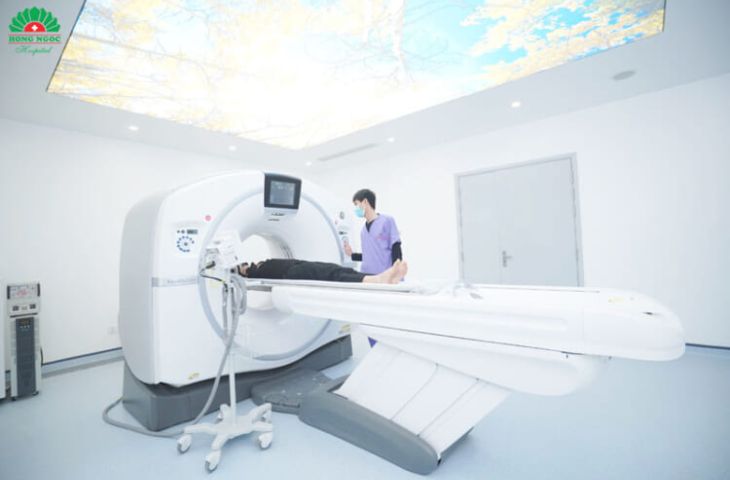
Neck and shoulder pain can be treated. Depending on the patient’s condition, the doctor will recommend the most appropriate treatment option, including:
- Medication: Patients should use medication under a doctor’s guidance. Medications may be administered by injection, taken orally, or applied topically, and may include pain relievers, anti inflammatory drugs, and muscle relaxants.
- Physical therapy: This is a modern treatment method recommended by many specialists for patients with neck and shoulder pain, helping relieve symptoms quickly. Physical therapy may include pain relief exercises, cervical spine stretching, and other rehabilitation techniques. At Hong Ngoc Hospital, physical therapy is prioritized for patients with neck and shoulder pain, combining German therapy technology with advanced Austrian manual therapy techniques to help relieve compressed nerve roots, reduce calcification, and restore mobility quickly without medication overuse.
- Surgery: This method is usually indicated for severe cases, when patients do not respond to medication or physical therapy, or when the injury is too serious.
Overall, neck and shoulder pain is not difficult to treat if it is detected early and managed properly. Understanding the condition and accurately identifying symptoms of neck and shoulder pain can help patients relieve pain more quickly and improve their quality of life.
For more in depth consultation on symptoms of neck and shoulder pain with a specialist, please contact the hotline at 0911 858 622 or register your information for support.
Note: The information provided in this article by Hong Ngoc General Hospital is for reference purposes only and is not intended to replace professional medical diagnosis or treatment. Patients should not purchase or use medications on their own for treatment. To accurately determine their medical condition, patients should visit a hospital or reputable healthcare facility for direct examination, diagnosis, and consultation with a physician on an appropriate treatment plan.
Follow the official fanpage of Hong Ngoc General Hospital for more useful health information:https://www.facebook.com/BenhvienHongNgoc