



Mouth ulcers are not considered a serious medical condition, but they can cause significant discomfort and pain during eating and oral hygiene practices. The condition can often be prevented through proper prevention measures, a healthy diet, and adequate rest.
Clearly, mouth ulcers, also commonly known as canker sores, are far from a “minor inconvenience.” The pain caused by these lesions can significantly affect eating, sleeping, and many aspects of daily life.
What you may not know about mouth ulcers
Mouth ulcers are a very common condition, and almost everyone experiences them at least once in their lifetime. Some studies have shown that up to 20% of the population suffers from recurrent mouth ulcers.
The condition presents in various forms, but it typically begins with the appearance of a small blister that ruptures easily, leaving behind a shallow ulcer on the oral mucosa. These ulcers are usually round or oval in shape, measuring approximately 2–10 mm in diameter, with clearly defined borders, a pale yellow base, and a bright red surrounding rim. They often cause significant pain during speaking, eating, or drinking.
Common sites of involvement include the inner cheeks, lips, gums, and the tip of the tongue. Mouth ulcers generally do not cause fever or swelling of nearby lymph nodes and often heal spontaneously.
Local symptoms are mainly inflammatory in nature, including redness, swelling, heat, pain, and ulceration, leading to considerable discomfort, especially during chewing and swallowing.
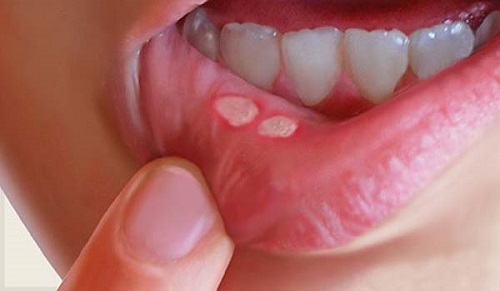
Importantly, if not properly cared for, ulcers may progress to acute inflammation, becoming severely swollen, red, and painful. In some cases, patients may develop high fever, enlarged lymph nodes at the angle of the jaw, and extreme difficulty eating and drinking.
Many people believe that mouth ulcers are caused by “internal heat” or consuming “hot” foods such as jackfruit or mangoes. However, according to modern medicine, oral ulceration may result from a wide range of causes, including dental caries, periodontal disease, periapical inflammation, pulpitis, external trauma, bacterial or viral infections, or hypersensitivity reactions to certain chemical components, such as ingredients in toothpaste. Nutritional deficiencies, particularly folic acid deficiency in pregnant women, may also contribute to the condition.
In addition, studies have shown that individuals exposed to prolonged and severe stress tend to experience mouth ulcers more frequently.
Mouth ulcers are generally considered a benign condition. The lesions usually heal spontaneously without scarring. Because of this benign nature, many people pay little attention to preventive measures.
Most individuals simply tolerate the pain or purchase topical medications from pharmacies once symptoms develop. However, coping with the pain and discomfort from the onset of ulceration until complete healing can be a challenging and unpleasant experience.
Do you know how to prevent mouth ulcers?
- To help prevent mouth ulcers and reduce the risk of recurrence, doctors often recommend drinking plenty of water, increasing the intake of fresh fruits and vegetables, and minimizing excessive stress and overwork.
- For recurrent or severely painful cases, patients should seek medical evaluation. Depending on the severity of the condition, overall health status, age, sex, and potential medication side effects, doctors will determine the most appropriate treatment approach for each individual.
- In most mild cases of oral ulceration, symptoms can improve within approximately 10 days with proper oral hygiene, pain relief measures, anti inflammatory or anti allergic medications, immune support, and supplementation with B complex vitamins.
- However, in some severe infections, such as deep oral abscesses or diffuse cellulitis involving areas beneath the tongue or jaw, especially when accompanied by systemic weakness and serious infection, careful medical treatment under a doctor’s supervision is essential.

- In addition, in all cases of mouth ulcers, maintaining good oral hygiene is considered a top priority to help prevent secondary infection and reduce the risk of worsening symptoms.
- Patients are advised to use toothpaste containing natural extracts to minimize irritation to the oral mucosa while providing a soothing and cooling effect inside the mouth.
- Although mouth ulcers are not considered a serious disease, they can cause significant discomfort and pain during eating and oral hygiene practices. The condition can often be prevented through proper preventive care, a balanced diet, and adequate rest.
- Green tea is one of the natural ingredients commonly recommended for the prevention of mouth ulcers, as its antioxidant compounds may help inhibit viral activity and shorten the duration of infection spread.
Note: The information provided in this article by Hong Ngoc General Hospital is for reference purposes only and is not intended to replace medical diagnosis or treatment.
Follow the official fanpage of Hong Ngoc General Hospital for more useful healthcare information: https://www.facebook.com/BenhvienHongNgoc/