


Pregnant women have a relatively weakened immune system, making them more susceptible to infectious diseases, including measles. If not detected and managed promptly, measles during pregnancy may lead to serious complications, adversely affecting both maternal health and fetal development.
What is measles?
Measles is an acute infectious disease caused by a virus of the Paramyxoviridae family. It typically occurs during the winter and spring seasons and is commonly seen in children, although adults can also be affected.
The virus is primarily transmitted via the respiratory route. Exposure to respiratory droplets or saliva from an infected individual significantly increases the risk of infection. Due to its high transmissibility, measles can easily develop into community outbreaks if not properly controlled.
In addition to causing measles, the Paramyxoviridae virus may lead to serious complications, including otitis media, pneumonia, corneal ulceration, and even encephalitis.
Clinical manifestations of measles in pregnant women
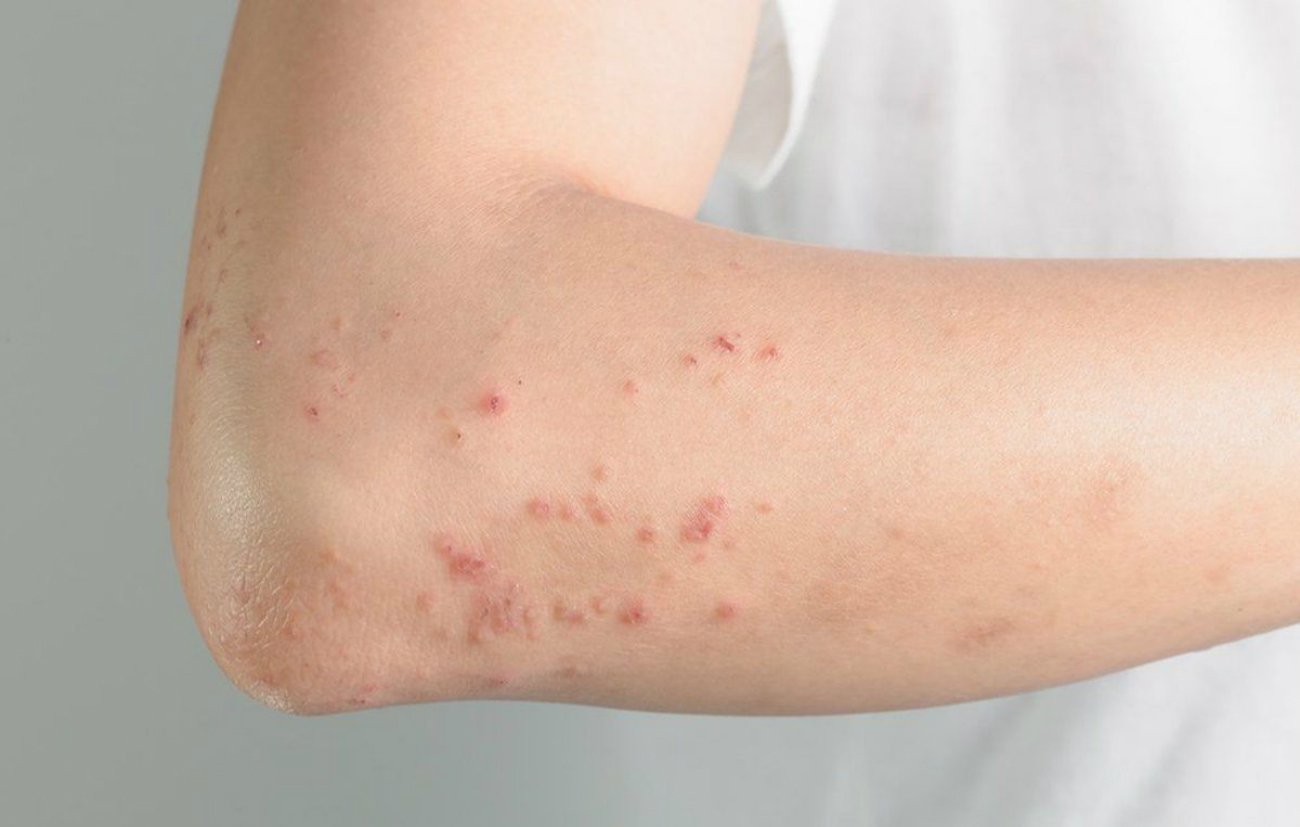
Measles in pregnant women has an incubation period of approximately 7 to 21 days. During this time, the following clinical manifestations may appear:
Prodromal stage
- High fever ranging from 39 to 40°C, accompanied by fatigue, anorexia, and headache
- Upper respiratory tract inflammation, including nasal congestion, rhinorrhea, and sneezing
- Hoarseness due to laryngitis
- Koplik spots on the buccal mucosa, appearing as small white or gray lesions measuring approximately 0.5 to 1 mm with an erythematous halo
Exanthem stage
- Maculopapular rash appearing after 3 to 4 days of high fever
- The rash typically begins behind the ears, then spreads to the hairline, face, neck, trunk, and extremities, including the palms and soles
- Fever gradually subsides as the rash becomes generalized
Recovery stage
- The rash gradually fades, turning darker or grayish, followed by desquamation and residual hyperpigmentation with a mottled appearance
- Skin lesions resolve progressively in the same order of appearance
- Cough may persist for 1 to 2 weeks after the rash has resolved
For maternity care package registration, please contact the hotline: 0919 645 271 or complete the registration form below.
Why are pregnant women more susceptible to measles?
During pregnancy, hormonal fluctuations can lead to a relative suppression of the immune system, reducing the body’s ability to effectively combat viral infections such as measles.
Although some women may have previously received measles vaccination through national immunization programs, protective antibody levels can decline over time, typically after 3 to 5 years, resulting in reduced immunity that may not be sufficient to fully protect both the mother and the fetus.
In addition, nutritional deficiencies during pregnancy, particularly in the early stages associated with nausea and poor intake, may further compromise immune function, creating favorable conditions for the Paramyxoviridae virus to invade and cause infection.
Complications of measles in pregnant women
Measles during pregnancy may lead to serious maternal complications, including increased mortality risk, tachycardia, and a higher likelihood of secondary infections such as pneumonia and urinary tract infections.

Effects of measles during pregnancy on the fetus vary by gestational stage:
- First trimester: There is a high risk of fetal malformations or miscarriage, and infants may be born with low birth weight.
- Second trimester: The risk of congenital anomalies is lower, but there remains a possibility of fetal demise or miscarriage.
- Third trimester: The risk of congenital malformations is relatively low; however, the likelihood of preterm delivery or stillbirth increases. In addition, neonates may face complications such as acute encephalitis after birth due to the effects of the measles virus.
Management of measles during pregnancy
Currently, there is no specific antiviral treatment for measles in pregnant women. Management is primarily supportive and focused on symptom relief, including:
- Fever control: Apply warm compresses or use paracetamol as prescribed by a physician
- Nutritional support: Ensure adequate and balanced nutrition to support immune function
- Hydration: Maintain sufficient fluid and electrolyte intake
In cases of persistent high fever, severe fatigue, or extensive rash, pregnant women should seek prompt evaluation at a reputable healthcare facility for appropriate medical management.
Prevention of measles during pregnancy
For women planning pregnancy: It is recommended to receive two doses of the measles vaccine if there is no prior immunization history.
For pregnant women: The MMR vaccine (measles, mumps, rubella) is contraindicated during pregnancy and should only be administered postpartum.
Infection prevention measures: Avoid crowded places and wear a mask when going outside
Perform nasal and throat hygiene using saline solution
Wash hands frequently with soap
Nutritional support: Maintain a balanced diet and ensure adequate intake of vitamin C to enhance immune function
Environmental hygiene: Keep living spaces clean, well ventilated, and hygienic
Medical attention: Seek prompt medical evaluation at a healthcare facility if symptoms such as fever or rash develop
Where to get measles vaccination before pregnancy?
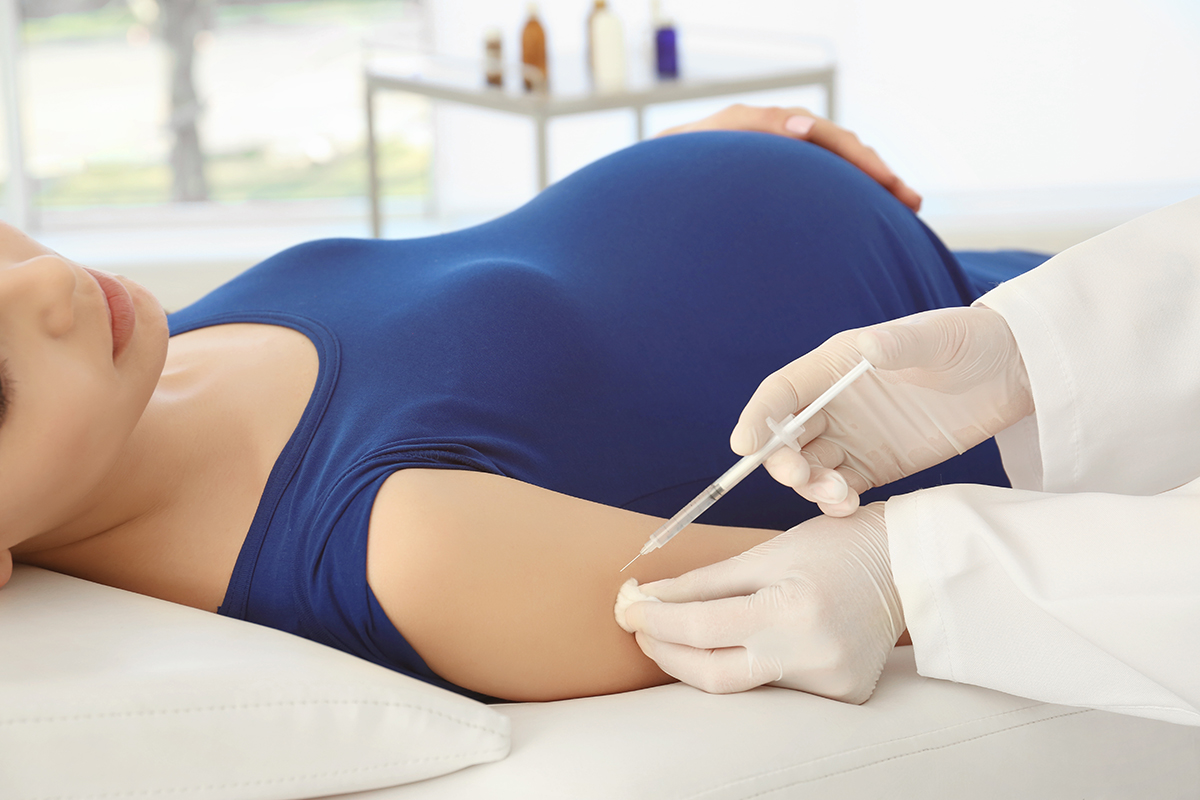
Measles vaccination is an essential preventive measure for both maternal and fetal health. Women are advised to receive the measles vaccine at least 3 months prior to conception to establish adequate immunity, and pre vaccination testing is not routinely required.
Choosing a reputable healthcare facility for vaccination is crucial. Hong Ngoc General Hospital is recognized as a trusted medical institution, supported by a team of experienced physicians, nurses, and modern medical equipment.
At Hong Ngoc, comprehensive maternity and childbirth packages are available, providing continuous healthcare support for both mother and baby from pregnancy through delivery.
Within the maternity care programs, pregnant women benefit from a full range of prenatal services, including clinical examinations, laboratory testing, ultrasound, and vaccination.
Notably, vaccination services are conducted following thorough screening and medical consultation. Vaccine sources are strictly regulated in accordance with Ministry of Health standards, ensuring quality from international importation to advanced cold chain storage systems, allowing patients to feel confident and reassured when receiving care at the hospital.
Note: The information provided in this article by Hong Ngoc General Hospital is for reference purposes only and does not replace professional medical diagnosis or treatment. Patients should not self medicate. For an accurate diagnosis and appropriate treatment plan, individuals are advised to visit a hospital for direct consultation with a qualified physician.
Follow the official fanpage of Hong Ngoc General Hospital for more useful health information:https://www.facebook.com/BenhvienHongNgoc