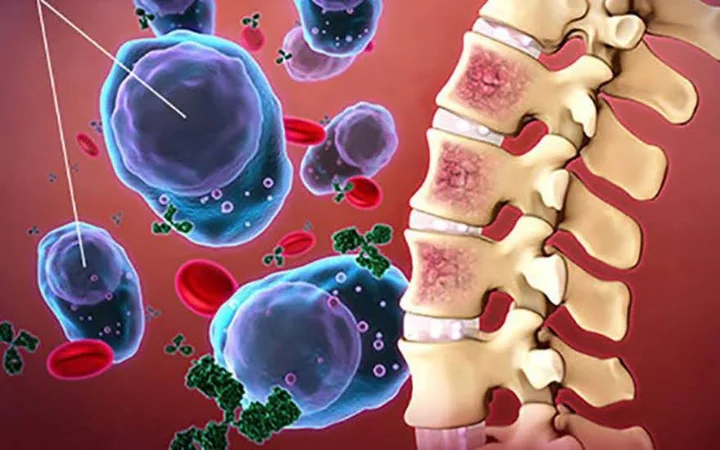



Knee pain may occur due to knee injuries or musculoskeletal disorders. How is knee pain treated? Learn more in the article below.
What is knee pain?
Knee pain is a sign that the knee joint may be damaged, either in the soft tissues or joint structures, due to injury or musculoskeletal disease. In most cases, knee pain occurs when structures such as the articular cartilage, tendons, ligaments, or bursae are affected.
Causes of knee pain
Knee injury
Knee pain caused by injury is fairly common, especially among people who frequently lift heavy objects, work out at the gym, or play sports such as football, basketball, or athletics. Knee injuries may affect the tendons, ligaments, bursae, articular cartilage, and other structures, and are often accompanied by soft tissue damage such as bruising, swelling, and redness.
Common knee injuries include ligament injuries, meniscal tears, bursitis, and patellar tendinitis.
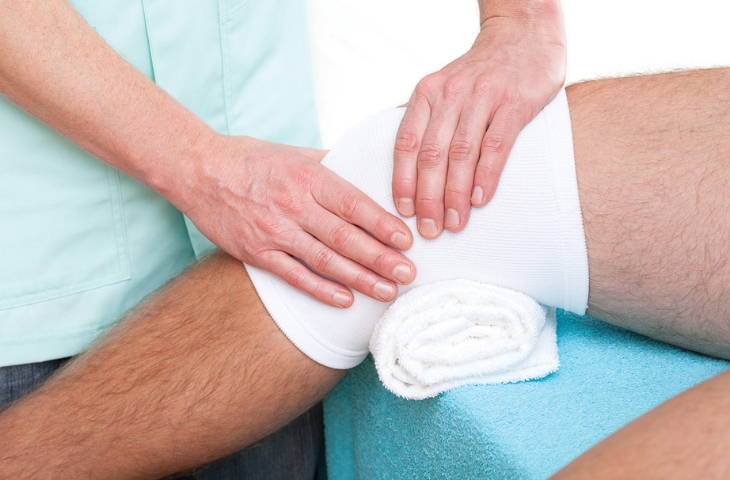
Knee joint diseases
Many knee joint diseases can cause knee pain. Some common conditions associated with knee pain include:
- Knee osteoarthritis: This condition is commonly seen in people over the age of 50 due to the natural aging process. Knee pain caused by osteoarthritis may progress from mild to severe, starting as pain after a day of walking or running and gradually developing into pain even during walking. It may also be accompanied by joint stiffness after prolonged sitting or upon waking in the morning.
- Septic arthritis: This most commonly affects the knee joint and causes knee pain accompanied by swelling, redness, warmth, and possible joint effusion. It may occur due to gonococcal or nongonococcal infection.
- Rheumatoid arthritis: This condition causes joint pain, soft tissue swelling, or effusion in multiple joints, including the knee. The exact cause of rheumatoid arthritis has not yet been fully identified. Therefore, if knee pain is caused by rheumatoid arthritis, patients should seek early examination and treatment to avoid serious consequences.
- Gout: Symptoms of gout are usually most obvious in the big toe joint. However, in severe cases, the pain may gradually worsen and spread to the knee, hands, wrists, and elbows.
- Other conditions: Other causes may include patellar tendinitis, flat foot syndrome, and synovitis.
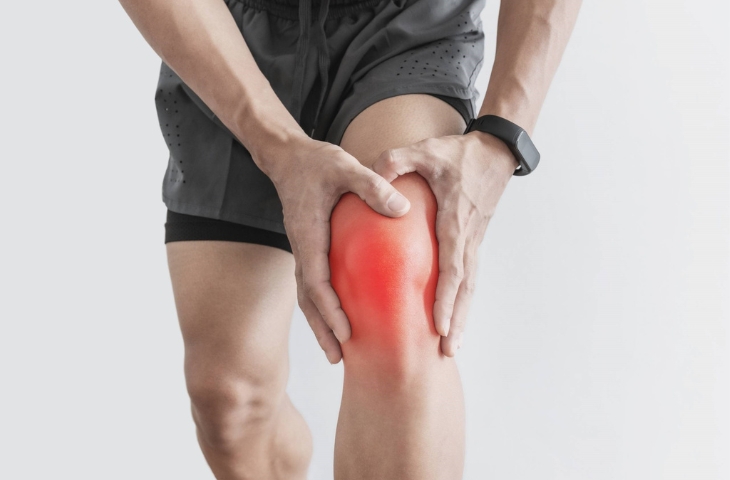
Other risk factors
Several other factors may also contribute to knee pain, including:
- Overweight and obesity, which place significant pressure on the knee joints.
- Jobs or activities that require frequent, repetitive knee movement, such as athletics, football, or farming.
How is knee pain diagnosed?
Clinical diagnosis
Because knee pain can be caused by many different factors, assessing clinical signs is very important for diagnosis. Clinical evaluation may include:
- Identifying soft tissue injuries, such as swelling, redness, and bruising.
- Assessing the nature of the pain, pain location, and the time when pain occurs most frequently.
- Performing and measuring the range of motion of the knee joint.
- Conducting specific knee joint tests to evaluate damage to the joint structures.
Diagnostic imaging
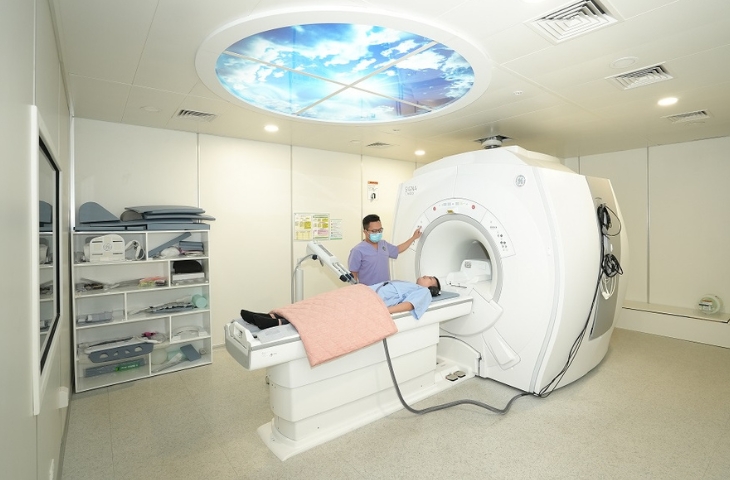
Depending on clinical symptoms, medical history, age, and other factors, the doctor may order imaging tests to support diagnosis, such as X ray, CT scan, MRI, or ultrasound.
- X ray: Helps detect bone fractures or bone spurs.
- Ultrasound: Assesses the joint space, joint effusion, bone spurs, cartilage thickness, synovial membrane, and degenerative changes.
- Magnetic resonance imaging (MRI): Helps detect structural damage, such as injuries to the articular cartilage, ligaments, and synovial membrane.
- Computed tomography (CT): CT is less accurate for certain knee joint conditions and is usually indicated only when MRI is not available.
Laboratory tests
Certain laboratory tests, such as blood tests, biochemical tests, and joint fluid aspiration, may be performed if inflammation or infection is suspected.
Treatment methods for knee pain
Non pharmacological treatment
- Rest: When knee pain occurs, patients should rest and perform only gentle movements to allow the joint time to recover and avoid the risk of worsening injury.
- Cold and warm compresses: Cold compresses are effective in reducing pain and swelling caused by injury within the first 48 hours. Meanwhile, warm compresses can help support the treatment of muscle pain and chronic joint pain.
- Pay attention to posture: Patients should avoid sitting or lying down for too long, as this may cause joint stiffness. They should also avoid sitting with the body tilted to one side, maintain an upright sitting posture, and choose a chair with a height that provides comfort for the body.
Pharmacological treatment
Depending on the cause of knee pain, doctors will prescribe oral medications appropriate for the patient’s condition. In general, pain relievers and nonsteroidal anti inflammatory drugs are commonly used to treat knee pain caused by osteoarthritis, synovitis, and inflammatory joint diseases. In some cases, doctors may recommend corticosteroid injections to relieve symptoms of arthritis.
Treatment with active substances or biologic preparations
For patients with knee pain caused by knee osteoarthritis, effective treatment options may include hyaluronic acid injection in the form of hyaluronate or platelet rich plasma, or PRP, injection.
Hyaluronic acid injection helps prolong the concentration and molecular weight of endogenous hyaluronic acid, providing effective pain relief, improving joint function, and slowing the degenerative process. Various hyaluronic acid products are used in the treatment of knee osteoarthritis. Depending on each patient’s specific condition, the doctor will prescribe the most appropriate option.
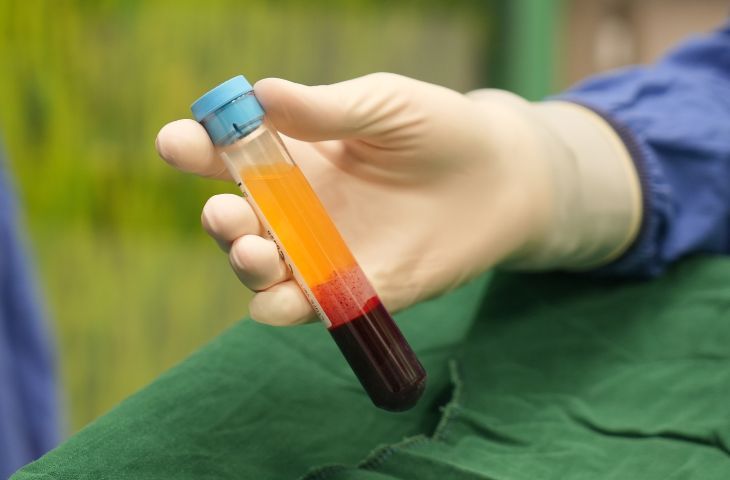
PRP injection is currently one of the most advanced treatment methods for knee osteoarthritis, with advantages including no risk of disease transmission, no allergic reaction, and no risk of incompatibility. The doctor draws the patient’s own blood, centrifuges it to extract platelet rich plasma at a concentration six to ten times higher than normal, and injects it into the damaged knee joint. This method helps stimulate local tissue and cellular repair. Recovery may occur within a few weeks or months, and the injection does not affect the patient’s daily activities afterward.
Physical therapy
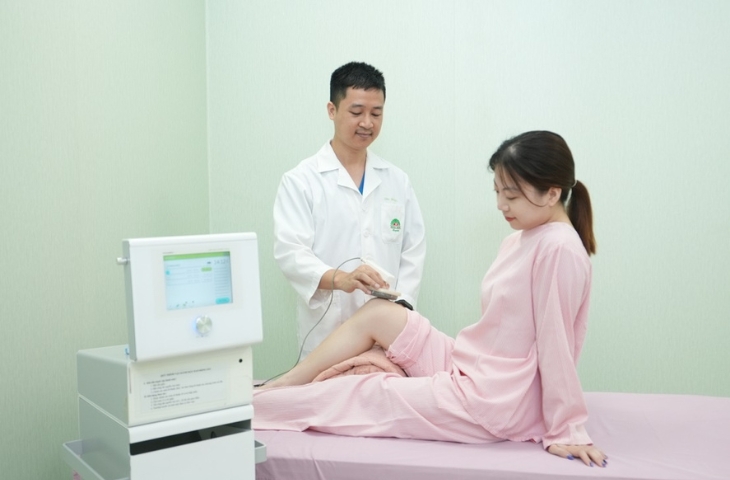
Physical therapy for knee pain helps relieve pain, restore function, and prevent pain recurrence. Patients may be treated with several types of therapeutic equipment, such as ultrasound therapy and electrical stimulation, which help relax the muscles and improve blood circulation. They may also exercise with an automatic knee flexion and extension machine to support restoration of knee joint mobility.
In addition, patients should perform physical therapy exercises under the guidance of a physician and professional technician. Exercises such as leg raises, calf raises, thigh muscle stretching, and squats are designed to relieve pain, strengthen muscles, and improve flexibility and overall mobility. Patients may perform these exercises two to three times per day, gradually increasing the frequency and intensity from low to higher levels.
Surgery
Surgery is usually indicated when patients do not respond to medical treatment for more than three months or when the disease has progressed severely and caused significant loss of mobility. Depending on the underlying condition causing knee pain, the doctor will recommend an appropriate surgical method.
For example, patients with severe knee osteoarthritis may undergo partial or total knee replacement. Arthroscopic surgery may also be performed to remove or repair damaged cartilage and reconstruct torn ligaments.
How to prevent knee pain
- Follow a diet that provides adequate calcium and vitamins B, C, and E to help maintain strong bones.
- Avoid standing or sitting for too long to prevent excessive pressure on the articular cartilage.
- Avoid heavy lifting or high intensity work that may harm the spine and knee joints.
- Maintain daily physical activity and exercise. Warm up thoroughly before exercising and stop immediately if pain occurs. Activities such as yoga, aerobics, and cycling can help strengthen muscles and improve joint flexibility.
- Keep body weight within a healthy range and avoid overweight or obesity, which can place excessive stress on the knee joints.
- Wear properly fitted footwear that suits your body structure to help protect the knee joints.

Knee pain may be a warning sign of an underlying musculoskeletal disorder that is progressing silently. Therefore, when knee pain occurs, patients should visit a major hospital or reputable healthcare facility so that specialists can make an accurate diagnosis and recommend timely treatment, helping prevent serious complications.
In Hanoi, the Musculoskeletal Department at Hong Ngoc General Hospital is a trusted medical address for the examination and treatment of knee joint conditions, highly regarded by many patients for both professional expertise and service quality.
- Patients can feel reassured by a team of experienced and highly qualified doctors who have worked at leading hospitals in Vietnam and abroad, including Bach Mai Hospital, Viet Duc University Hospital, and Royal North Shore Hospital in Australia.
- The hospital is equipped with a modern medical equipment system imported from Germany, helping detect inflammation and structural damage that may cause knee pain at an early stage.
- Advanced Austrian manual therapy techniques are also combined in treatment to help rapidly relieve knee pain.
- In particular, patients undergoing examination and treatment for knee pain at Hong Ngoc General Hospital can access a wide range of conveniences, including a five star hotel style hospital environment, a specific follow up schedule with proactive appointment reminders, fast direct billing services, and weekend availability on both Saturday and Sunday with no additional charges.
For more in depth consultation on knee pain conditions at Hong Ngoc General Hospital, please contact the hotline at 0889 621 046.
Note: The information provided in this article by Hong Ngoc General Hospital is for reference purposes only and is not intended to replace professional medical diagnosis or treatment. Patients should not purchase or use medications on their own for treatment. To accurately determine their medical condition, patients should visit a hospital or reputable healthcare facility for direct examination, diagnosis, and consultation with a physician on an appropriate treatment plan.
Follow the official fanpage of Hong Ngoc General Hospital for more useful health information:https://www.facebook.com/BenhvienHongNgoc