


Whether thyroid cancer is dangerous remains a common concern for many people, especially as thyroid cancer has become the most common endocrine malignancy. What complications can thyroid cancer cause, and how can this disease be prevented? Let us hear the insights from an endocrinologist with more than 20 years of clinical experience at Hong Ngoc General Hospital.
Causes and symptoms of thyroid cancer
To answer the question of whether thyroid cancer is dangerous, it is first important to understand what causes the disease and how it manifests clinically.
Causes of thyroid cancer
At present, there is no definitive conclusion regarding the exact cause of thyroid cancer. However, numerous studies have identified several factors that may contribute to an increased risk of developing the disease, including:
- Genetic factors: Heredity is considered one of the major risk factors for thyroid cancer. Individuals with a family history of thyroid cancer are at a higher risk of developing the disease.
- Thyroid disorders: Thyroiditis may interfere with the regulation of thyroid hormone production, thereby increasing the risk of thyroid cancer. Hashimoto’s disease is an autoimmune disorder in which immune cells attack the body’s thyroid gland.
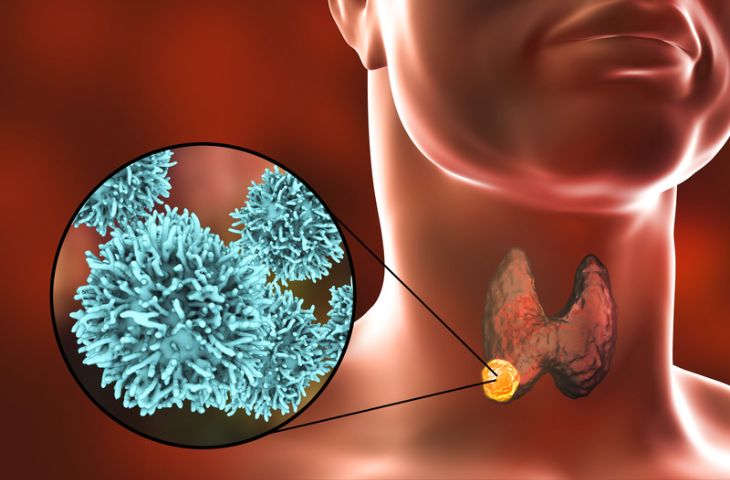
- Environmental factors: Environmental exposure plays an important role in the development of thyroid cancer. Certain harmful substances, such as herbicides, pesticides, airborne pollutants, contaminants in drinking water and food, tobacco, and alcohol, may contribute to an increased risk of thyroid cancer.
- Immune system dysfunction: When the immune system becomes dysregulated, the body may be more vulnerable to invading agents such as viruses and bacteria, which can attack the thyroid gland.
Symptoms of thyroid cancer
The following are the main symptoms of thyroid cancer:
Enlargement of the thyroid gland: This is one of the key symptoms of thyroid cancer. When the thyroid gland becomes larger than normal, patients may experience discomfort or difficulty swallowing food or liquids. In addition, thyroid enlargement may cause discomfort or aching pain in the neck and shoulder area.
Voice changes: Another symptom of thyroid cancer is a change in the voice. Because the thyroid gland is located at the front of the neck, an enlarged thyroid or thyroid tumor may exert pressure on the laryngeal nerves and affect the voice. As a result, the voice may become hoarse, deeper, or more resonant when speaking.
Fatigue or weakness: Some patients with thyroid cancer may also experience fatigue or generalized weakness. This usually occurs when the disease progresses to a more advanced stage and begins to affect the patient’s overall health. Patients may also feel unsteady or dizzy due to reduced thyroid hormone levels.
Skin discoloration in the neck area: Some patients with thyroid cancer may notice a dark or greenish spot on the neck, which may be caused by blood pooling in the blood vessels of the neck region.
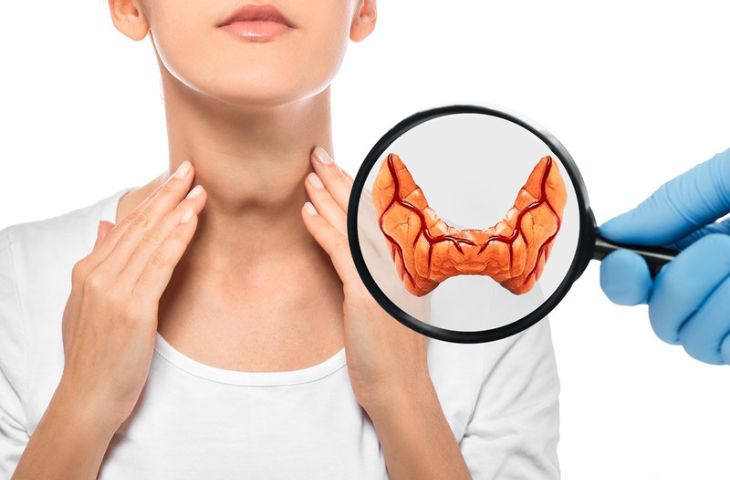
Is thyroid cancer dangerous?
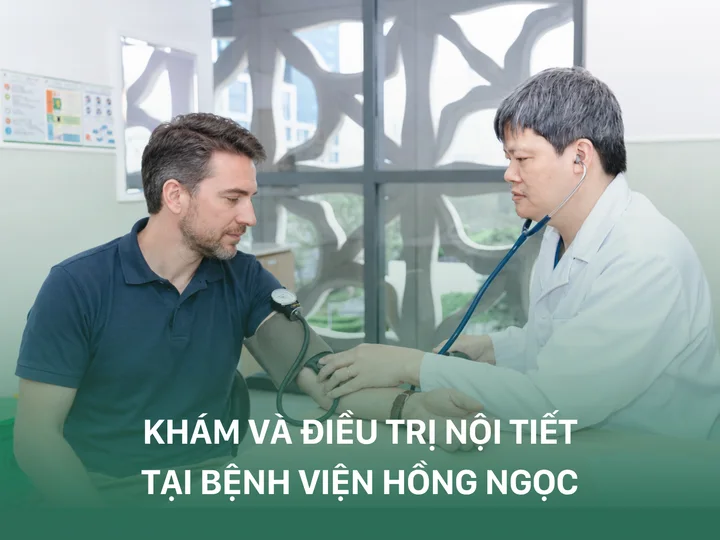
With more than 20 years of experience in diagnosing and treating thyroid disorders, Master’s-level physician Dr. Ha Luong Yen from the Department of Endocrinology at Hong Ngoc General Hospital said that the severity of thyroid cancer depends on multiple factors, including tumor size, cancer type, timing of diagnosis, and treatment.
In fact, thyroid cancer is generally a relatively slow-growing disease, and patients often have a favorable prognosis. If detected at an early stage, the disease is usually not highly dangerous and is associated with a high likelihood of successful treatment.
However, without timely diagnosis and treatment, thyroid cancer may spread to other parts of the body and lead to serious complications.
Notably, thyroid cancer often causes no obvious symptoms in its early stages. Symptoms may become more apparent only as the disease progresses, including swollen lymph nodes in the neck, difficulty swallowing or breathing, sudden weight loss or weight gain, and fatigue.
In patients with medullary thyroid carcinoma or anaplastic thyroid carcinoma, tumors in the thyroid gland may metastasize to the cervical and mediastinal lymph nodes, and even to the liver, lungs, and bones through the lymphatic system.
To better understand their thyroid health status, patients should visit a reputable medical facility for examination and seek specialist consultation from endocrinologists. To schedule an appointment with an endocrinology and thyroid specialist, please contact the hotline at 0911 858 626 or register HERE.
Preventive measures against thyroid cancer
The question of whether thyroid cancer is dangerous has now been addressed. Preventing thyroid cancer is important to reduce the risk of developing the disease and to improve overall quality of life.
Below are several preventive measures for thyroid cancer based on reputable medical references:
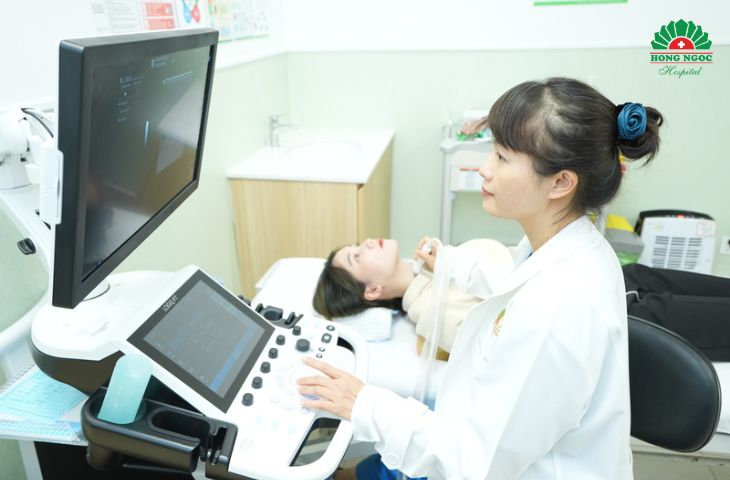
- Regular thyroid screening: To detect any abnormal signs of thyroid cancer at an early stage, individuals should undergo periodic thyroid screening through ultrasound examinations or blood tests. These routine check-ups should be performed by an experienced endocrinologist.
- Diet and physical activity: A healthy diet and regular physical activity may help reduce the risk of thyroid cancer. People should increase their intake of green vegetables, fruits, and whole grains, while limiting processed foods, fast food, sweets, and alcoholic beverages. Regular exercise is also recommended to maintain overall health and support weight management when necessary.
- Avoid risk factors: Risk factors such as smoking, excessive alcohol consumption, exposure to toxic substances, and radiation may increase the risk of thyroid cancer. Avoiding these factors can help protect thyroid health.
- Treat thyroid-related disorders: Any thyroid-related condition should be treated promptly to help reduce the risk of thyroid cancer, particularly Graves’ disease and chronic thyroiditis. Proper management of these conditions may help prevent thyroid cancer and other complications.
- Medical management of thyroid nodules: If a thyroid nodule is detected, patients should consult a physician to determine whether medication is needed to control the nodule or whether surgery is required for its removal.
A trusted medical address for thyroid examination and treatment
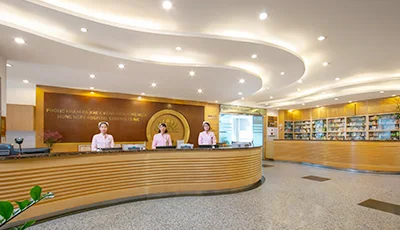
Over the years, the Thyroid Disease Center at Hong Ngoc General Hospital has been trusted as a reputable medical facility for thyroid cancer screening. The center applies thyroid elastography in diagnostic evaluation to provide an accurate assessment of the patient’s condition. Its physicians have many years of experience in diagnosing and treating thyroid disorders at leading medical institutions, including Bach Mai Hospital and the National Hospital of Endocrinology.
Each year, the center receives more than 2,000 visits for thyroid-related diseases and performs 1,000 thyroid surgeries. These figures reflect patients’ trust in a high-quality healthcare facility.
Contact information:
Department of Endocrinology – Hong Ngoc Hospital
Address: No. 8 Chau Van Liem Street, Nam Tu Liem District, Hanoi
Hotline: 0911 858 626
Note: The information provided in this article by Hong Ngoc General Hospital is for reference purposes only and is not intended to replace professional medical diagnosis or treatment. To accurately assess their condition, patients should visit a reputable healthcare facility for direct examination by a physician and consultation on an appropriate and effective treatment plan.
Follow the official fanpage of Hong Ngoc General Hospital for more useful health information.