


Iodine deficiency during pregnancy is a significant public health concern. Each year, a considerable number of infants are born with impaired cognitive development due to insufficient maternal iodine intake during gestation. This serves as an important warning for all expectant mothers.
What is iodine?
Iodine is an essential micronutrient that plays a critical role in maintaining overall health. It is naturally found in various foods such as fish, meat, and vegetables grown in iodine-rich soil. In addition, iodine is commonly fortified in products like iodized salt and bread.
The human body requires iodine for the synthesis of thyroid hormones, which are vital for normal growth and development. These hormones regulate key physiological functions, including brain development, cardiac function, skeletal growth, immune response, and metabolism in both the mother and the fetus.
Iodine deficiency during pregnancy can adversely affect the health of both mother and child. More importantly, it may impair fetal neurological development, with long-term consequences that are often irreversible.
Role of iodine in pregnant women and fetal development
Many pregnant women wonder why iodine deficiency during pregnancy is considered dangerous. According to nutrition and health experts, iodine is an essential element in metabolic processes. The following are key reasons why adequate iodine intake is crucial during pregnancy:
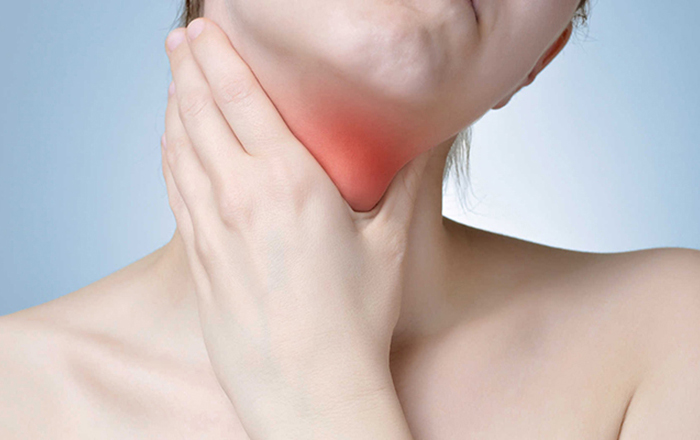
- Prevention of goiter: Iodine deficiency during pregnancy may lead to goiter, a condition in which the thyroid gland enlarges in an attempt to produce sufficient thyroid hormones. This can negatively affect maternal health and fetal development.
- Fetal thyroid development: Iodine is a critical component for the synthesis of thyroid hormones, including thyroxine (T4) and triiodothyronine (T3). These hormones play an indispensable role in fetal development, particularly in brain maturation, nervous system development, and muscle growth. Maternal iodine deficiency may result in fetal hypothyroidism, reduced metabolic activity, and impaired neurological development.
- Reduced risk of preeclampsia: Health experts indicate that iodine deficiency during pregnancy is associated with an increased risk of complications such as preeclampsia, preterm birth, and placental abnormalities.
In addition to the factors mentioned above, adequate daily iodine intake is an effective strategy to prevent congenital abnormalities such as intellectual impairment, congenital heart defects, and delayed physical development. In cases of maternal iodine deficiency during pregnancy, newborns may be at risk of strabismus, speech impairment, hearing loss, mutism, and even hemiplegia.
Pregnant women are advised to consult obstetric specialists and seek evaluation at reputable healthcare facilities. Register for consultation via the form below:
Recommended daily iodine intake during pregnancy
Medical studies indicate that, to meet the increased physiological demands of both the mother and the fetus, pregnant women require approximately 1.5 times the normal iodine intake. According to the U.S. National Institutes of Health (NIH), the recommended daily iodine intake during pregnancy is 220 mcg.
This requirement can typically be met through dietary sources such as iodized salt, meat, and seafood. In cases of significant iodine deficiency, physicians may prescribe iodine supplementation to ensure adequate intake and support optimal maternal and fetal health.
Signs of iodine deficiency during pregnancy
Several signs may suggest iodine deficiency in pregnant women, including:
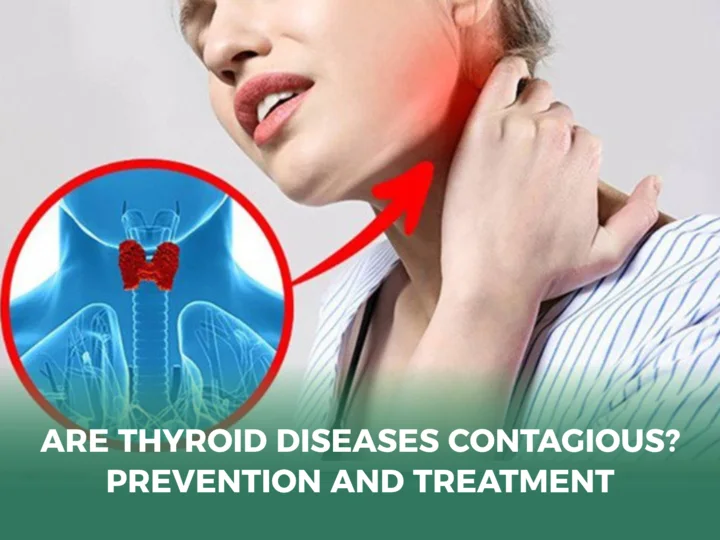
- Swelling or discomfort in the throat and neck region
- Hair and skin changes, such as persistent hair loss and dry, itchy skin
- Unexplained or excessive weight gain
- Persistent fatigue and low energy levels
- Increased sensitivity to cold
- Symptoms of depression or anxiety
However, these manifestations are nonspecific and may overlap with other medical conditions. Therefore, for an accurate diagnosis, pregnant women should seek evaluation at a reputable healthcare facility.
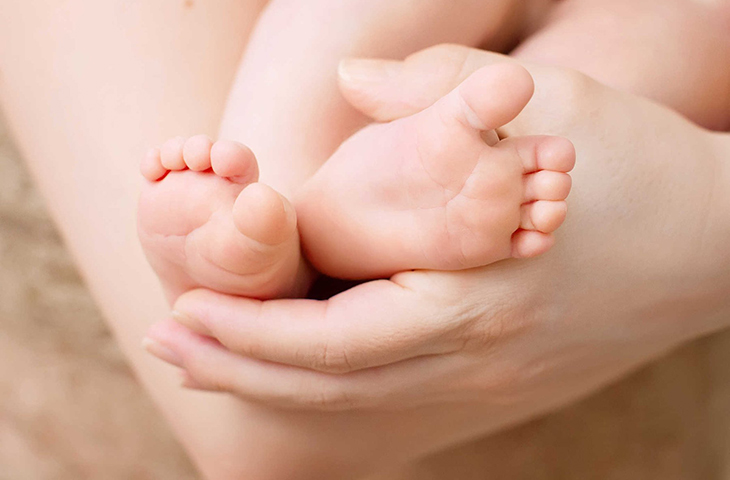
Dietary recommendations for pregnant women with iodine deficiency
When diagnosed with iodine deficiency, pregnant women should increase their intake of iodine-rich foods to meet both maternal and fetal requirements, supporting healthy fetal development.
Recommended dietary sources include:
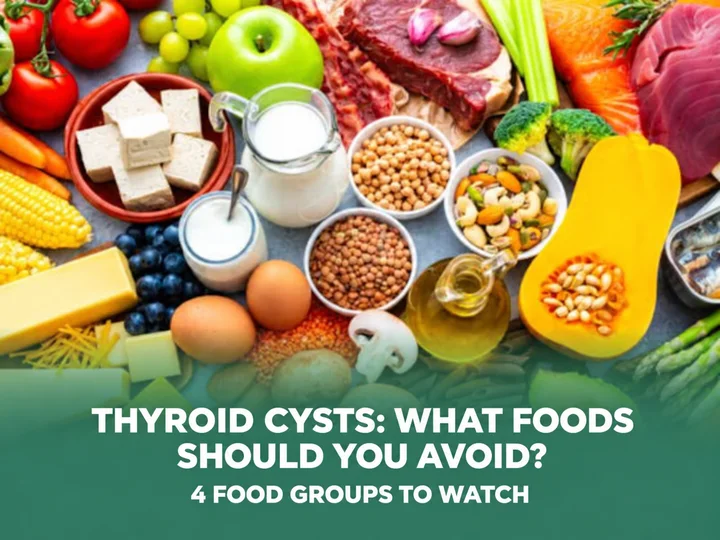
- Meat, eggs, vegetables (such as potatoes, white beans, apples), and dairy products
- Packaged bread, which is often fortified with iodine
- Seafood, a rich source of iodine; however, certain fish high in mercury (e.g., swordfish, sea bass) should be avoided due to potential harm to the fetus
- Iodized salt, which should be used regularly in daily meals
Reader may also be interested in:
- What should pregnant women eat to supplement iron?
- Diarrhea during pregnancy - a condition that should not be underestimated
In cases where dietary intake is insufficient such as during periods of severe nausea or food aversion iodine may be supplemented through medications or nutritional supplements. However, supplementation should only be undertaken under medical supervision to ensure safety for both mother and fetus.
Safe iodine supplementation during pregnancy
In many cases, dietary intake alone may not provide sufficient iodine to meet the increased demands of pregnancy. Therefore, supplementation with iodine-containing products may be necessary.
Most clinicians consider iodine supplementation to be safe for both mother and fetus when used appropriately. However, it is essential to ensure correct dosage and proper use:
- Pregnant women with iodine deficiency are generally advised to supplement approximately 150 mcg of iodine per day from dietary supplements, in addition to dietary intake
- If iodine supplementation was initiated prior to pregnancy for thyroid-related conditions, patients should inform their physician to ensure appropriate dose adjustment
- Seaweed and seaweed-based supplements should be avoided due to variable iodine content and potential contamination with heavy metals such as mercury
- Prenatal vitamins are recommended, as they typically contain adequate iodine; combined supplementation with iodine and folate may also be considered under medical guidance
Iodine supplementation should always be undertaken under the supervision of a healthcare professional to ensure safety and optimal outcomes for both mother and fetus.
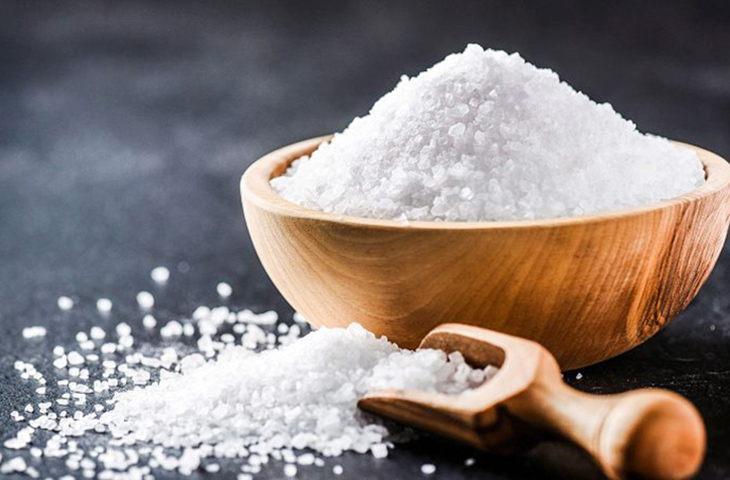
What are the risks of excessive iodine intake during pregnancy?
While iodine is essential for maternal and fetal health, excessive intake can lead to adverse effects and should be avoided.
Studies indicate that excessive iodine supplementation during pregnancy may increase the risk of congenital hypothyroidism in newborns. If not promptly diagnosed and treated, this condition can result in long-term neurocognitive impairment.
In addition, excessive iodine intake may lead to the following complications in pregnant women:
- Goiter, due to abnormal enlargement of the thyroid gland
- Burning sensation in the throat, mouth, and gastrointestinal tract
- Thyroiditis, and in severe cases, an increased risk of thyroid malignancy
- Fever and diarrhea
- Nausea and vomiting associated with iodine excess
- In rare cases, cardiovascular instability (weak pulse) and even altered consciousness or coma
Therefore, iodine supplementation should be carefully tailored. Pregnant women are advised to consult healthcare professionals to determine the appropriate dosage and to undergo regular antenatal check-ups to monitor iodine status, ensuring timely detection and management of both deficiency and excess.
Note: The information provided in this article by Hong Ngoc General Hospital is for reference purposes only and does not replace professional medical diagnosis or treatment. Patients should not self-medicate. For an accurate assessment of their condition, individuals are advised to visit a medical facility for direct examination, diagnosis, and appropriate treatment planning by qualified physicians.
Follow the official fanpage of Hong Ngoc General Hospital for more useful health information and updates:https://www.facebook.com/BenhvienHongNgoc/