


Diarrhea during pregnancy can become a distressing condition for expectant mothers. It significantly impacts maternal health and daily activities, leading to discomfort and fatigue. If not promptly managed, the condition may worsen and pose potential risks to both the mother and the fetus.
Causes of diarrhea during pregnancy
Diarrhea is a gastrointestinal disorder characterized by frequent loose or watery stools (more than three times per day) that may persist over a period of time. The primary causes are infections of the gastrointestinal tract, including bacterial, viral, or parasitic pathogens.
In addition, diarrhea during pregnancy may result from several other factors, including:
- Food poisoning: Consumption of contaminated or unhygienic food, or food containing harmful additives, can adversely affect the digestive system. Associated symptoms may include nausea, bloating, and loss of appetite
- Rapid dietary changes: Sudden alterations in eating habits may overwhelm the digestive system, leading to temporary gastrointestinal disturbances, particularly during the first trimester
- Food intolerance or sensitivity: Certain foods such as dairy products or high-protein meals may not be well tolerated, resulting in diarrhea as the body attempts to eliminate them
- Underlying gastrointestinal disorders: Conditions such as irritable bowel syndrome (IBS), Crohn’s disease, celiac disease, or ulcerative colitis may contribute to diarrhea during pregnancy
- Medication and supplements: Side effects of certain medications or excessive intake of prenatal vitamins may lead to gastrointestinal upset and diarrhea
- Hormonal changes: Fluctuations in maternal hormones during pregnancy can alter gastrointestinal motility. Increased intestinal activity may accelerate transit time, leading to diarrhea
What are the severity levels of diarrhea during pregnancy?
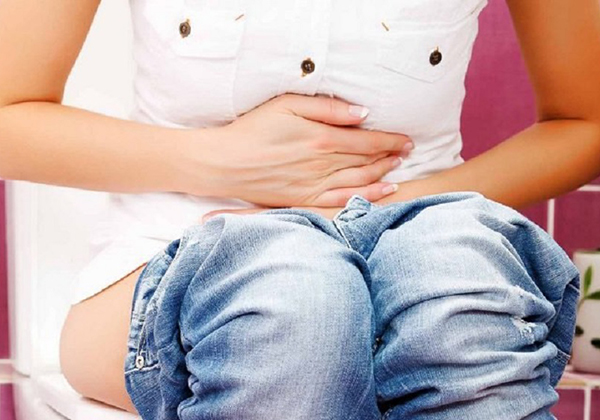
Diarrhea during pregnancy may last from 1–2 days to several weeks, depending on the underlying cause and the mother’s health status. According to medical experts, the severity and duration vary as follows:
- Food poisoning–related diarrhea: May persist for up to a week if not promptly managed. This condition can lead to dehydration, fatigue, pallor, and may be accompanied by vomiting and excessive sweating.
- Diet-related diarrhea: Typically lasts 1–2 days, resolving once poorly digested or irritating foods are eliminated from the body.
- Hormonal changes: Usually transient and intermittent. Hormone-related diarrhea can occur at any stage of pregnancy and may become more frequent in the third trimester.
- Infectious diarrhea (bacterial or viral): Often more severe and prolonged, associated with significant fluid loss. This type does not resolve spontaneously and requires medical intervention.
In mild cases, adequate hydration, electrolyte replacement, and safe dietary practices (properly cooked and hygienic food) may be sufficient.
However, in more severe cases, if not treated promptly, diarrhea can lead to dehydration, marked fatigue, and potentially serious risks to both maternal and fetal health. Therefore, this condition should not be underestimated.
Complications of diarrhea during pregnancy
The impact of diarrhea during pregnancy varies depending on the underlying cause and the effectiveness of management. Potential complications include:
- Severe dehydration and fatigue: In cases caused by bacterial or viral infections, diarrhea may be frequent and persistent throughout the day, often accompanied by an urgent need for defecation. Notably, rotavirus infection may also cause vomiting and excessive sweating, leading to significant fluid loss and maternal exhaustion.
- Uterine contractions and risk of preterm complications: Abdominal cramping associated with diarrhea may stimulate uterine contractions. Prolonged diarrhea can increase the risk of miscarriage or preterm labor.
- Adverse fetal outcomes: Sustained diarrhea may result in dehydration and nutrient loss in the mother, leading to inadequate nutritional supply for the fetus. This may contribute to impaired fetal growth, low birth weight, or congenital abnormalities associated with nutritional deficiencies.
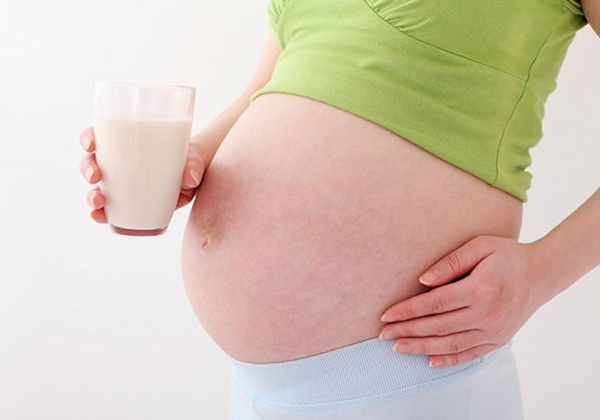
If diarrhea during pregnancy is not promptly managed and progresses to a severe stage requiring emergency care and antibiotic treatment, it may increase the risk of miscarriage and potential fetal abnormalities, posing significant risks to both mother and fetus.
Management of diarrhea during pregnancy
In many cases, diarrhea during pregnancy may resolve spontaneously as the body adapts to dietary changes or eliminates irritant foods. However, if symptoms persist for more than 2–3 days without improvement, pregnant women should seek medical consultation.
Reader may also be interested in:
- What should pregnant women eat to supplement iron?
- Iodine deficiency during pregnancy and its unexpected consequences
Diarrhea during pregnancy should not be underestimated. Early medical evaluation is essential to ensure appropriate treatment with the correct medication, dosage, and duration. In mild cases, oral rehydration solutions (ORS) may be recommended to restore fluid and electrolyte balance. In cases associated with bacterial or viral infections, antimicrobial therapy may be indicated under strict medical supervision.
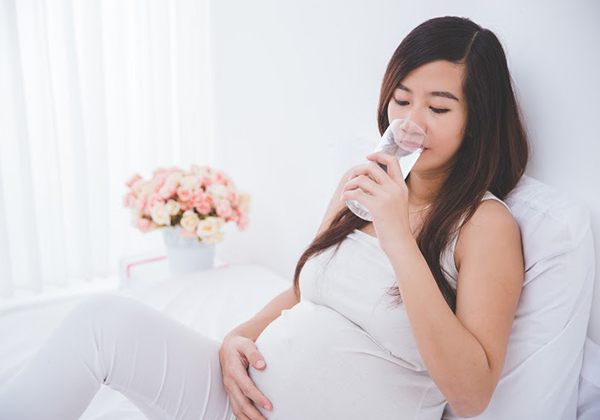
Prompt rehydration is critical to prevent complications for both mother and fetus. Adequate fluid intake can be maintained with water or digestive-supportive beverages such as ginger tea, honey water, or fluids infused with peppermint. Conversely, fruit juices and dairy-based or high-sugar beverages should be avoided, as they may exacerbate diarrhea.
Preventive measures for diarrhea during pregnancy
Pregnant women should take certain precautions to reduce the risk of diarrhea. One of the most important aspects is dietary control.
When experiencing diarrhea, particular attention should be paid to food choices. Some foods not only fail to improve symptoms but may also exacerbate the condition.
The following types of foods should be avoided during episodes of diarrhea in pregnancy:
- Fried and high-fat foods: Although palatable, fried foods are difficult to digest and can exacerbate gastrointestinal symptoms. Foods such as French fries or oily curries require increased fluid for digestion, which may worsen dehydration in pregnant women with diarrhea.
- Red meat: Red meats (e.g., beef, lamb) are rich in protein but relatively difficult to digest. Consumption of undercooked red meat (e.g., rare beef dishes) may further aggravate diarrhea.
- Seafood: Certain seafood may contain inorganic mercury, which can be harmful and difficult to metabolize. Consumption during episodes of diarrhea may worsen symptoms. Additionally, excessive seafood intake during pregnancy should generally be limited due to potential adverse effects on fetal development.
- Fresh milk: Improperly stored milk carries a risk of bacterial contamination. In pregnant women with diarrhea, excessive milk consumption may aggravate symptoms despite its nutritional value.
- Carbonated beverages and caffeinated drinks: While hydration is essential, carbonated drinks and coffee should be avoided. These beverages have diuretic effects and may worsen dehydration and gastrointestinal irritation.
- Certain fruits: Papaya may stimulate uterine contractions and increase gastrointestinal motility, potentially worsening diarrhea. Pineapple contains bromelain, an enzyme that may increase the risk of uterine stimulation and gastrointestinal upset; therefore, it should be avoided during episodes of diarrhea.
Register to receive more information HERE
Avoid self-medication during pregnancy
If diarrhea occurs during pregnancy, patients should not self-prescribe medications but must seek medical advice. A qualified physician will assess the clinical condition and prescribe appropriate treatment to ensure optimal outcomes. Self-medication may be ineffective and could pose risks to fetal health; therefore, caution is strongly advised.
Seek care at reputable healthcare facilities
If diarrhea persists or worsens and does not resolve spontaneously, pregnant women should promptly visit a trusted medical facility for evaluation and treatment. Physicians will provide appropriate guidance and prescribe suitable medications to effectively manage the condition.
Note: The information provided in this article by Hong Ngoc General Hospital is for reference purposes only and does not replace professional medical diagnosis or treatment.
Follow the official fanpage of Hong Ngoc General Hospital for more useful health information and updates: https://www.facebook.com/BenhvienHongNgoc