


Chickenpox during pregnancy can lead to serious complications affecting both maternal health and fetal development. Therefore, effective prevention and timely treatment are essential to protect the health of both mother and baby.
What is chickenpox?
Chickenpox, commonly known in Vietnam as “phỏng rạ” in the North and “trái rạ” in the South, is a contagious infectious disease transmitted through the respiratory route or by direct contact with the Varicella zoster virus. The most characteristic manifestation of the disease is the appearance of small fluid filled blisters resembling pea sized vesicles that spread across the body, including the mucous membranes of the eyes and mouth.
Chickenpox often occurs during seasonal transitions, particularly around March each year. The disease can occur anywhere and affect individuals of all ages; however, infection rates tend to be higher in densely populated urban areas. The group most susceptible to infection is children between 2 and 7 years of age who have not received the chickenpox vaccine, while the disease is rarely seen in infants younger than 6 months. Adults may also contract chickenpox if they are exposed to the virus.
Symptoms of chickenpox during pregnancy
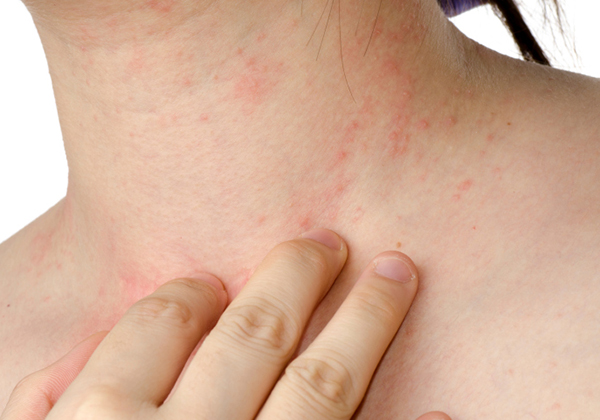
Chickenpox during pregnancy typically has an asymptomatic incubation period of about 14 to 15 days. After this period, the disease begins to present with noticeable symptoms.
- Vesicular skin rash: Initially, pregnant women may notice small fluid filled blisters appearing on the skin and mucous membranes. These lesions often appear sparsely and develop in successive crops, causing itching and irritation. As a result, different stages of the rash can be observed simultaneously in the same area of skin, including red spots, small blisters, larger vesicles, and crusted lesions.
- High fever, fatigue, and weakness: The disease is often accompanied by fever, general malaise, and physical exhaustion.
- Pustular lesions: In cases of secondary infection, the blisters may become filled with pus, enlarge, and cause increased swelling, burning, and itching, sometimes accompanied by fever.
Pregnant women should note that without proper treatment, chickenpox may not resolve safely. The blisters on the body may rupture after about three days, dry out, and form crusts; however, if the condition is neglected, new lesions may continue to appear, often larger and filled with more pus.
In severe cases, the rash may become extensive, with hundreds to more than a thousand lesions spreading densely across the body. The lesions may also develop on the oral mucosa and the conjunctiva of the eyes, where they can rupture quickly and cause significant discomfort.
Contact the hotline at 0919 645 271 or fill in the form below to receive consultation on comprehensive maternity care packages with experienced obstetric specialists.
Incidence of chickenpox during pregnancy
According to statistics from the United States Centers for Disease Control and Prevention (CDC), the incidence of chickenpox during pregnancy is approximately 0.3 percent. In the United Kingdom, this rate may be slightly higher during seasonal transitions, reaching about 0.4 percent. This means that among every 1,000 pregnant women, around 3 to 4 may develop chickenpox. In the United States, it is estimated that approximately 9,000 pregnant women are affected by chickenpox each year.
Other studies indicate that about 0.07 percent of pregnant women experience primary chickenpox infection during pregnancy, meaning the disease occurs for the first time. This relatively low rate is largely attributed to previous vaccination, which helps provide effective protection against the disease.
How does chickenpox affect pregnancy?
Chickenpox is usually not considered a severe illness in healthy individuals, but during pregnancy it can pose significant risks. Pregnant women who contract chickenpox may experience serious complications affecting both maternal health and fetal development.
Approximately 20 percent of pregnant women infected with chickenpox are at risk of developing varicella pneumonia, a severe complication caused by the Varicella zoster virus, with a mortality rate that can reach up to 40 percent. In pregnant women, the virus may progress more aggressively, and in severe cases the mortality rate can reach up to 50 percent if complications occur.
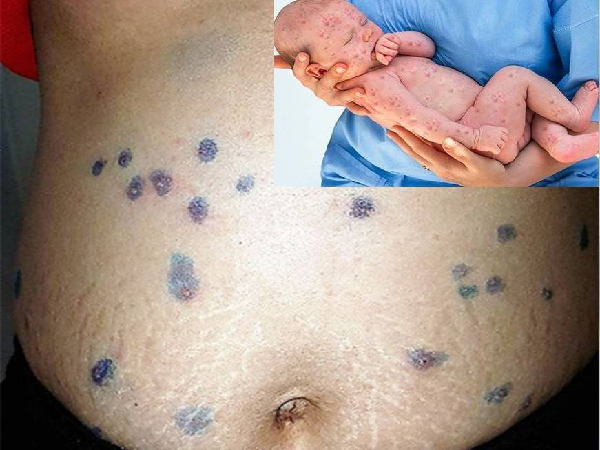
Chickenpox during pregnancy may also lead to congenital abnormalities in the newborn, such as microcephaly, limb deformities, and cataracts. The impact of the infection on the fetus largely depends on the gestational age at which the mother becomes infected.
- During the first trimester, particularly between weeks 8 and 12 of pregnancy, if a pregnant woman develops chickenpox, the risk of the fetus developing congenital varicella syndrome is approximately 0.4 percent. This relatively low rate is partly because after treatment, the mother may produce antibodies that can be transferred to the fetus, helping reduce the risk of infection in utero.
- During the second trimester, especially between weeks 13 and 20, the risk of the fetus developing congenital varicella syndrome increases to about 2 percent. After 20 weeks of pregnancy, maternal chickenpox infection generally has minimal impact on the fetus.
- However, if the mother becomes infected within five days before delivery or within two days after childbirth, the newborn is at high risk of developing neonatal disseminated varicella, because the mother has not had enough time to produce and transfer protective antibodies to the fetus before birth. In such cases, the mortality rate may reach 25 to 30 percent among infected infants.
Can pregnancy be maintained if a pregnant woman develops chickenpox?
In addition to concerns about contracting chickenpox during pregnancy, many expectant mothers wonder whether pregnancy should be terminated if they become infected. According to medical experts, chickenpox infection during pregnancy does not necessarily mean the baby will be born with congenital abnormalities. The disease mainly poses a risk to the fetus if the mother becomes infected before 20 weeks of gestation. If infection occurs during the first two months of pregnancy, the mother should attend regular prenatal examinations and follow the physician’s recommendations closely.
When chickenpox during pregnancy is carefully monitored and treated promptly according to appropriate medical protocols, it may not cause harm to the fetus. Moreover, if the mother recovers from chickenpox, the newborn may inherit protective antibodies from the mother, which can help defend against the virus during the early months of life. Therefore, pregnant women generally do not need to worry excessively about whether the pregnancy should be continued or terminated solely because of chickenpox infection.
In addition to following medical treatment as prescribed by healthcare professionals, pregnant women should maintain adequate hydration, follow a balanced and nutritious diet, and keep a positive and calm mindset to support both maternal health and fetal development.
Management of chickenpox during pregnancy
The most effective way to prevent chickenpox during pregnancy is to undergo a comprehensive health check before conception and receive vaccination, ensuring a healthier pregnancy.
If a pregnant woman suspects that she may have been exposed to or infected with chickenpox, it is important to maintain adequate hydration and proper nutrition so that the immune system can function optimally. Any medication used to treat chickenpox during pregnancy must be prescribed and supervised by qualified physicians.
Depending on the severity of the condition, doctors may recommend intravenous acyclovir to inhibit the replication of the varicella virus.
For supportive care, pregnant women with chickenpox should rest adequately, drink plenty of fluids, and consume light, easily digestible foods. Increasing the intake of foods rich in vitamin C may also help strengthen the immune system.
Maintaining good personal hygiene is essential, and the blisters should not be intentionally broken because this may increase the risk of secondary infection. If symptoms worsen or unusual signs appear, the patient should seek prompt medical evaluation to receive appropriate treatment and prevent serious complications.
Prevention of chickenpox during pregnancy
The most effective preventive measure is vaccination against chickenpox during childhood or at least three months before pregnancy. If a pregnant woman develops chickenpox, she should avoid close contact with individuals who are infected with the disease to reduce the risk of further transmission.
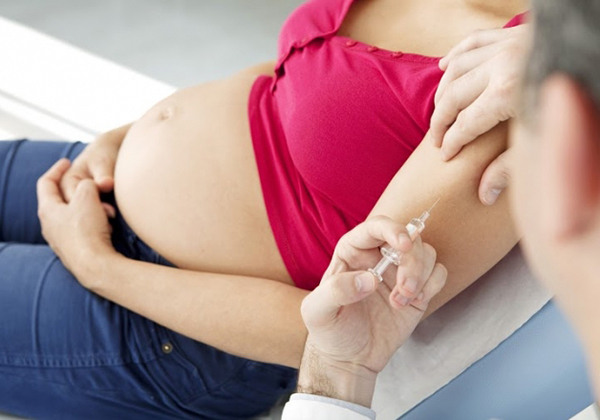
Chickenpox is generally a mild illness; however, if it is not detected early, not properly managed, or not treated promptly and appropriately, the condition may worsen and lead to serious complications.
Prevention of chickenpox during pregnancy includes the following measures:
- Chickenpox vaccination: Receiving the varicella vaccine at least three months before pregnancy is currently the most effective preventive measure.
- Avoid contact with infected individuals: Pregnant women should not visit or care for individuals who are infected with chickenpox.
- Maintain good personal hygiene: Practicing proper personal hygiene can help reduce the risk of infection.
- Ensure a clean and well ventilated living environment: Keeping the living space clean and well ventilated helps limit viral transmission.
- Seek medical advice after exposure: If a pregnant woman has been exposed to someone with chickenpox, she should inform her physician immediately. Preventive treatment with varicella zoster immunoglobulin may be recommended, ideally within four days after exposure.
Can pregnant women receive the chickenpox vaccine?
Another common concern among expectant mothers is whether the chickenpox vaccine can be administered during pregnancy. In practice, the varicella vaccine is a live attenuated vaccine, which means it contains a weakened form of the virus. Because of this, vaccination during pregnancy is generally not recommended due to the potential risk of adverse effects.
For pregnant women who have already developed symptoms of chickenpox, the priority is appropriate medical treatment under a physician’s guidance, along with supportive care such as adequate rest and proper nutrition to strengthen the immune system.
In cases where a pregnant woman has been exposed to the varicella virus, physicians may recommend varicella zoster immunoglobulin (VZIG) to help reduce the severity of the disease if infection develops. However, VZIG does not prevent fetal infection and cannot fully eliminate the risk of congenital varicella syndrome. Its main role is to reduce complications in the mother.
For this reason, medical experts strongly recommend that women receive the chickenpox vaccine at least three months before becoming pregnant. This period allows the immune system enough time to develop protective antibodies against the virus.
For a healthy pregnancy, it is important not to ignore any unusual symptoms and to seek medical advice promptly when needed.
Note: The information provided in articles published by Hong Ngoc General Hospital is for reference purposes only and does not replace professional medical diagnosis or treatment.
Follow the official fanpage of Hong Ngoc General Hospital for more useful health information:https://www.facebook.com/BenhvienHongNgoc