


Hemorrhoids can cause significant pain and discomfort for pregnant women, not only during pregnancy but also well into the postpartum period. Therefore, expectant mothers should take preventive measures before symptoms develop in order to protect their health and overall well-being.
What are hemorrhoids during pregnancy?
Hemorrhoids are swollen veins located in the anus and rectum. This is a common condition among pregnant women, particularly during the third trimester, when the enlarging uterus places increased pressure on the pelvic and rectal veins.
In expectant mothers, hemorrhoids may cause anal pain, itching, irritation, or rectal bleeding during bowel movements. The condition can lead to considerable discomfort and significantly affect daily activities and quality of life during pregnancy.
Hemorrhoids may worsen during labor due to the intense pushing efforts involved in vaginal delivery. Even after childbirth, many women continue to experience pain and discomfort from the condition for a period of time.
Women who develop hemorrhoids during their first pregnancy are also at higher risk of recurrence or more severe symptoms in subsequent pregnancies.
Although hemorrhoids can greatly impact the mother’s daily life and well-being, the condition typically does not pose direct risks or complications to the fetus.
Causes of hemorrhoids during pregnancy
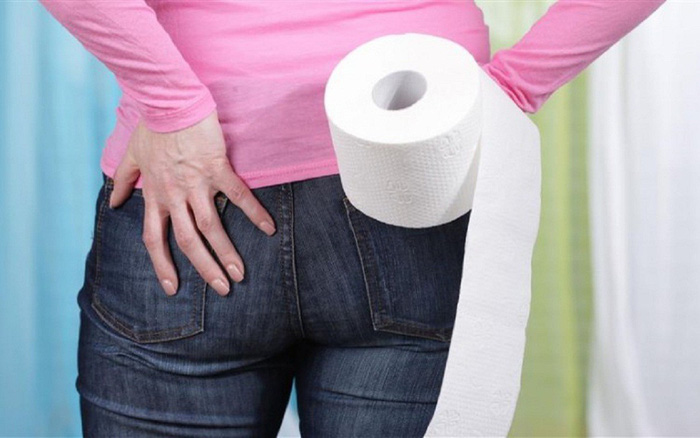
There are many factors that can contribute to hemorrhoids during pregnancy. Below are some of the most common causes seen in expectant mothers.
- pressure from the uterus: one of the primary causes of hemorrhoids in pregnant women is the enlargement of the uterus during pregnancy. as the uterus expands, it places pressure on the pelvic veins as well as the veins in the lower extremities. this slows blood circulation in the lower half of the body, increases abdominal pressure, and contributes to the development of hemorrhoids.
- elevated progesterone levels: increased levels of the hormone progesterone cause the walls of blood vessels to relax and dilate, making them more susceptible to swelling. this is also considered one of the contributing factors to hemorrhoids during pregnancy.
- constipation: constipation is another common cause of hemorrhoids in pregnant women and occurs frequently during pregnancy. constipation increases abdominal pressure, which may lead to hemorrhoids or worsen existing hemorrhoidal disease in affected mothers.
Some pregnant women may also develop thrombosed hemorrhoids, a condition in which blood clots form inside the hemorrhoidal tissue. This can cause severe pain and make movement and daily activities more difficult for the expectant mother.
Fill out the form below to register for a hemorrhoid examination.
Symptoms of hemorrhoids during pregnancy
The two most common types of hemorrhoids experienced during pregnancy are internal hemorrhoids and external hemorrhoids.
With internal hemorrhoids, pregnant women may not notice any obvious symptoms until blood appears on toilet paper or during bowel movements. In contrast, external hemorrhoids often create the sensation of a swollen lump protruding from the anus.
Common symptoms of hemorrhoids during pregnancy
Hemorrhoids during pregnancy are commonly associated with the following symptoms:
- Constipation: constipation is very common in pregnant women, regardless of whether they have hemorrhoids. However, hemorrhoids may worsen constipation, followed by rectal bleeding. In many cases, blood may not be visible in the stool, and stools are typically not black in color.
- Pain and discomfort: because hemorrhoids involve swollen veins in the anus and rectum, they can cause pain and discomfort, especially during bowel movements or when pressure is applied to the hemorrhoidal tissue. Some women may also experience sharp pain around the hemorrhoids after sexual intercourse.
- Rectal bleeding: one of the most common signs of hemorrhoids during pregnancy is rectal bleeding during or after defecation. blood may appear mixed with the stool in mild cases or present as more significant bleeding during bowel movements. If left untreated for a prolonged period, chronic blood loss may increase the risk of anemia.
- Anal itching, burning sensation, and prolapsed hemorrhoids: these symptoms may persist and become more severe as the disease progresses to grade II, III, or IV hemorrhoids.
- Toxin accumulation due to prolonged constipation: hemorrhoids can contribute to persistent constipation, making bowel movements more difficult and causing waste products to remain in the intestines for longer periods. Over time, retained waste may lead to the accumulation of harmful substances in the body.
If pregnant women experience any of the symptoms above, they should seek medical attention promptly for appropriate evaluation and treatment. Early management can help prevent disease progression and protect maternal health throughout pregnancy and the postpartum period.
Is Hemorrhoids During Pregnancy Dangerous?
Hemorrhoids are a very common condition among pregnant women. Therefore, many expectant mothers wonder whether hemorrhoids during pregnancy can be dangerous. Let’s take a closer look.
How hemorrhoids affect pregnant women
Although hemorrhoids during pregnancy are generally not life-threatening, the condition can significantly affect daily activities and may interfere with the labor and delivery process. Therefore, pregnant women should not underestimate the condition.
When experiencing hemorrhoids, many expectant mothers also develop constipation. Stool retained in the intestines for prolonged periods may contain harmful substances that can be reabsorbed through the rectal wall back into the body, potentially affecting both maternal and fetal health.
In addition, the pushing efforts required during labor can worsen existing hemorrhoids, causing more severe pain and discomfort during childbirth and throughout the postpartum period. This may greatly impact the mother’s daily life and overall quality of life after delivery.
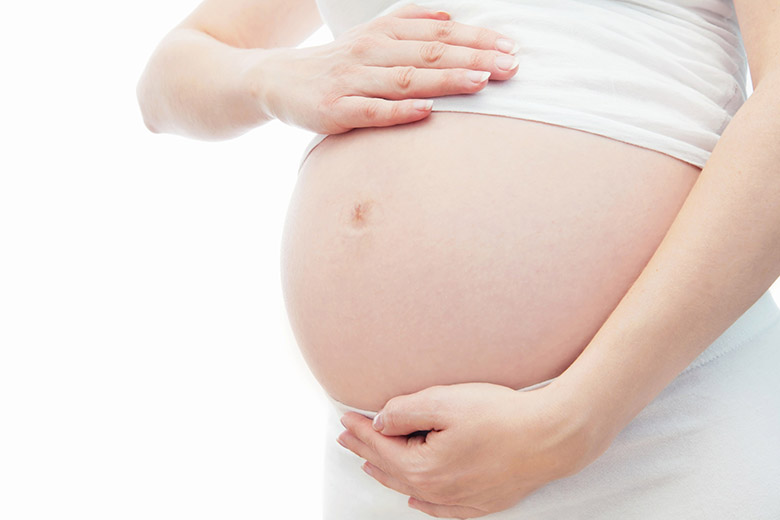
Can pregnant women with hemorrhoids have a vaginal delivery?
Pregnant women with hemorrhoids often experience a more painful and difficult labor process compared to those without the condition. However, not all women with hemorrhoids are unable to have a vaginal delivery. The decision between vaginal birth and cesarean section depends largely on the severity of the condition.
In mild cases, pregnant women with hemorrhoids may still be able to deliver vaginally. However, it is important to understand that vaginal childbirth can cause greater pain and discomfort, which may persist even after delivery. This is because the pushing efforts during labor can cause the hemorrhoids to protrude further and worsen damage to the affected area.
For women with severe hemorrhoids, especially when prolapsed hemorrhoids, constipation, rectal bleeding, and anal itching are present, cesarean delivery is often considered the safer option. In severe cases, the intense straining during vaginal delivery may cause the hemorrhoids to prolapse more significantly and worsen the condition, posing greater risks and discomfort for the mother.
Treatment options for hemorrhoids during pregnancy
Hemorrhoids during pregnancy can significantly affect a mother’s daily life and overall well-being. Therefore, once symptoms appear, pregnant women should seek appropriate treatment early to avoid complications and protect the health of both mother and baby. The following measures may help relieve symptoms and improve the condition effectively:
- Apply cold compresses or ice packs to the hemorrhoidal area to help reduce pain and swelling. This can be done several times a day.
- Soak the rectal and anal area in warm water multiple times daily to help relieve discomfort and improve circulation.
- Lubricating creams or ointments may be used to make bowel movements easier and reduce irritation during defecation.
- Use soft toilet paper, or gently clean the area with a towel soaked in warm water after each bowel movement. The anal area should be kept clean and dry, as excessive moisture may worsen irritation and discomfort.
- Pregnant women should consult a doctor for appropriate evaluation and the safest, most effective treatment plan based on their condition.
Do pregnant women with hemorrhoids need surgery?
According to specialists, hemorrhoid surgery is generally not recommended during pregnancy because of potential risks associated with anesthesia. In addition, pregnant women may face complications such as difficulty controlling bleeding or anal infections, which can further affect maternal health.
In severe cases, where hemorrhoids significantly impact daily activities and the mother’s overall health, doctors may consider hemorrhoidectomy based on clinical evaluation and individual risk factors.
Mild hemorrhoids during pregnancy may resolve spontaneously within approximately three months after childbirth. In more severe cases, recovery may take longer.
Doctors also emphasize that hemorrhoid surgery should absolutely not be performed during the first and second trimesters of pregnancy.
How to prevent hemorrhoids during pregnancy
Preventing hemorrhoids during pregnancy is very important, as it helps expectant mothers enjoy a healthier and more comfortable pregnancy. The following measures may help reduce the risk of developing hemorrhoids during pregnancy:
- Eat fiber-rich foods: Foods high in fiber help improve digestion and minimize constipation, thereby reducing the risk of hemorrhoids during pregnancy. Fiber-rich foods such as pears, avocados, broccoli, brown rice, oats, and legumes are commonly recommended by specialists as part of a hemorrhoid-prevention diet for pregnant women.
- Drink plenty of water: Adequate hydration is essential not only for preventing hemorrhoids but also for maintaining overall health during pregnancy. Drinking enough water helps soften stools, reduce constipation, and decrease pressure on external hemorrhoids.
- Avoid sitting or standing for prolonged periods: Sitting or standing in one position for too long increases pressure on the veins in the anus and rectum. This is one of the contributing factors that pregnant women should avoid to reduce the risk of hemorrhoids.
- Exercise regularly: Regular physical activity not only supports overall health but also helps reduce the likelihood of hemorrhoid formation. Gentle exercises suitable for pregnancy can improve digestion, stimulate bowel movements, and support easier stool passage.
- Prevent constipation and diarrhea: Constipation is one of the leading causes of hemorrhoids during pregnancy. To help prevent both constipation and diarrhea, pregnant women should avoid delaying bowel movements and should go to the bathroom as soon as the urge arises. Establishing a regular bowel habit at a fixed time each day is recommended. During bowel movements, pregnant women should also avoid reading or using mobile phones, as prolonged sitting may increase pressure and dilation of rectal veins, contributing to hemorrhoids.

10 foods recommended for pregnant women with hemorrhoids
Diet plays an important role in both the prevention and management of hemorrhoids during pregnancy. Pregnant women are encouraged to include the following foods in their daily meals:
Sweet potatoes
Sweet potatoes are rich in dietary fiber and highly beneficial for digestive health. They help soften stools, promote bowel movements, and reduce constipation, thereby lowering the risk of hemorrhoids during pregnancy.
Pumpkin
Pumpkin contains high levels of vitamins, iron, and zinc, which help support blood production. In addition, its high fiber content promotes bowel regularity and helps prevent constipation and hemorrhoids.
Ripe papaya
Ripe papaya is an excellent source of fiber. It helps stimulate digestive function, relieve indigestion and constipation, and effectively reduce hemorrhoidal symptoms during pregnancy.
Apples
Apples contain soluble fiber, particularly pectin, which supports digestion and facilitates smoother bowel movements. Pregnant women may benefit from eating one to two apples daily to help improve hemorrhoidal symptoms.
Carrots
Carrots are rich in beta-carotene, vitamins B1, B2, and C, protein, and dietary fiber. These nutrients help regulate bowel function and improve stool passage. Eating carrot porridge daily for several consecutive days or drinking carrot juice may help relieve hemorrhoidal symptoms.
Bananas
Ripe bananas contain many beneficial vitamins and are also high in soluble fiber, especially pectin. They help reduce digestive disorders, constipation, diarrhea, and hemorrhoidal discomfort. Eating two to three ripe bananas daily may help make bowel movements easier and more comfortable.
Pears
A small pear contains approximately 4.3 grams of fiber. This fruit is highly recommended for pregnant women with hemorrhoids, as it supports digestion and helps reduce symptoms associated with the condition.
Fish mint (houttuynia cordata)
According to traditional medicine, fish mint may help relieve hemorrhoids, boils, and skin eruptions. Pregnant women may consume it as a raw vegetable or drink its juice daily to help alleviate hemorrhoidal symptoms.
Pickled cabbage
A small bowl of pickled cabbage contains around 3 grams of fiber. Consuming pickled cabbage may support digestion and help reduce discomfort caused by hemorrhoids during pregnancy.
Beans and legumes
Beans and legumes are among the best natural sources of dietary fiber. Half a small bowl of beans can provide up to 9.5 grams of soluble fiber, making them particularly beneficial for pregnant women with hemorrhoids.
Note: The information provided in this article by Hong Ngoc General Hospital is for reference purposes only and is not intended to replace medical diagnosis or treatment. Patients should not self-medicate without professional guidance. For an accurate assessment of their medical condition, patients should visit a hospital or healthcare facility for direct examination, diagnosis, and appropriate treatment consultation by qualified physicians.
Follow the official fanpage of Hong Ngoc General Hospital for more useful healthcare information: https://www.facebook.com/BenhvienHongNgoc