



Gastritis causes various uncomfortable symptoms such as epigastric pain, bloating, acid reflux, and nausea, which can significantly affect daily life. Understanding its causes, symptoms, diagnostic methods, and treatment options helps patients take proactive measures to protect their health and prevent serious complications.
What is gastritis?
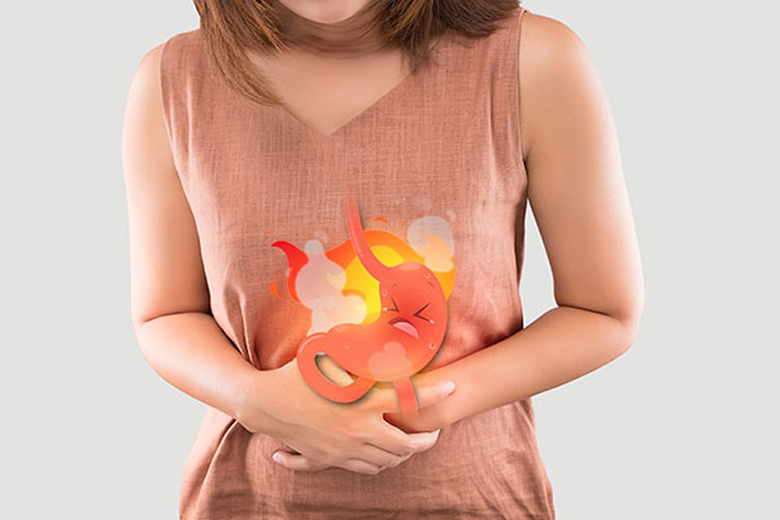
Gastritis is a condition in which the stomach lining becomes inflamed, irritated, or eroded due to various causes. The gastric mucosa is a thin protective layer that shields the stomach wall from the effects of acid and digestive enzymes. When this protective layer weakens, stomach acid can penetrate deeper, leading to inflammation that may progress to ulceration over time.
Gastritis can occur in two forms: acute or chronic.
- Acute gastritis: Occurs suddenly with severe epigastric pain, nausea, or vomiting, sometimes accompanied by fever; it can progress rapidly if left untreated.
- Chronic gastritis: Develops gradually and may persist for months or years. Symptoms are often mild but long-lasting and easily overlooked, which can lead to serious complications if not properly managed.
If left untreated, both acute and chronic gastritis can significantly increase the risk of developing gastric ulcers, duodenal ulcers, or even stomach cancer.
Causes of gastritis
Gastritis can be triggered by various factors, with the most common causes including:
- Helicobacter pylori (H. pylori) infection: Accounts for the majority of chronic gastritis and peptic ulcer cases, damaging the gastric mucosa when the stomach’s protective barrier is weakened.
- Overuse of NSAIDs (nonsteroidal anti-inflammatory drugs): Medications such as aspirin, ibuprofen, and naproxen reduce the stomach’s mucosal protection, increasing the risk of inflammation, ulceration, and bleeding.
- Excessive alcohol consumption and smoking: Irritate the stomach lining, stimulate acid secretion, and—along with caffeine and other stimulants—increase pressure on the stomach.
- Unhealthy eating habits: Eating too much, too fast, consuming spicy, greasy foods, skipping meals, or eating irregularly all contribute to the development of gastritis.
- Chronic stress, anxiety, and sleep deprivation: Increase acid secretion and weaken the mucosal barrier, making the stomach more susceptible to damage.
- Autoimmune causes: Occur when the immune system mistakenly attacks gastric mucosal cells, leading to atrophic inflammation and impaired nutrient absorption.
- Aging: Reduces mucosal defense mechanisms and slows tissue regeneration, creating favorable conditions for chronic gastritis to develop.

High-risk groups for gastritis
Gastritis can occur in anyone, but certain groups are at greater risk, including:
- Individuals who frequently consume alcohol or smoke: These substances irritate the gastric mucosa and stimulate excessive acid secretion.
- Those experiencing chronic stress or prolonged sleep deprivation: Mental stress and hormonal imbalance can affect the digestive system and increase gastric acid production.
- Those with irregular eating habits: Skipping meals, eating late, or consuming fast, spicy, and greasy foods overburdens the stomach and weakens its protective lining.
- Older adults: Reduced mucosal protection and slower tissue regeneration increase the likelihood of chronic gastritis.
- Patients with underlying health conditions such as diabetes, liver or kidney diseases, or those using NSAIDs or corticosteroids long-term, which elevate the risk of gastritis and peptic ulcers.
Common symptoms of gastritis
Individuals with gastritis often present with the following symptoms:
- Dull or burning pain in the epigastric region (especially when hungry, after meals, or at night).
- Bloating, indigestion, belching, acid reflux, or heartburn.
- Nausea and vomiting (more common in acute gastritis).
- General symptoms: Loss of appetite, fatigue, anemia in cases of chronic gastritis, and insomnia.
Diagnosis and treatment of gastritis and peptic ulcer disease
Diagnosis
Gastroduodenoscopy is the gold standard and most effective method for accurately diagnosing gastritis and peptic ulcers. Through endoscopy, doctors can directly visualize the gastric mucosa, assess the extent of inflammation or ulceration, and perform immediate interventions if necessary. Additionally, physicians may order tests for Helicobacter pylori (H. pylori) infection, anemia screening, or other assessments depending on each individual case.
At Hong Ngoc General Hospital, the Japanese NBI (Narrow Band Imaging) endoscopy technology is applied, allowing magnification up to 150 times for detailed visualization of microvascular structures. This enables precise evaluation of mucosal inflammation, early detection of ulcers, H. pylori testing, and immediate treatment interventions during the procedure, thereby optimizing diagnostic accuracy and treatment outcomes.
Contact Hotline: 0911 908 856 to receive the best offers for gastroduodenal endoscopy.
Treatment of gastritis and duodenal ulcer
Treatment for gastritis and duodenal ulcer requires a combination of medication and lifestyle modification. Patients should maintain a balanced diet, avoid irritating foods and beverages, discontinue the use of NSAIDs without medical indication, and attend regular follow-up appointments to prevent recurrence and complications.
At Hong Ngoc General Hospital, patients are examined and treated directly by leading gastroenterology specialists with over 30 years of experience from top hospitals such as Bach Mai and Military Hospital 108, including Dr. Dang Thi Kim Oanh (MD, PhD – Specialist Level II), Assoc. Prof. Dr. Nguyen Canh Binh, and MSc. Dr. Le Thi Van Anh.
These experts provide personalized treatment plans tailored to each specific case, helping to eliminate gastritis and duodenal ulcer pain within just two weeks of therapy (*).
Contact the hotline 0911 908 856 to schedule an appointment with Hong Ngoc Hospital’s gastroenterology specialists.
What to eat and avoid when having gastritis
A scientific and balanced diet plays a crucial role in supporting the treatment and recovery of gastritis.
Recommended foods for gastritis:
- Soft, easily digestible foods such as porridge, soup, or soft rice. Eat slowly and chew thoroughly to reduce pressure on the stomach lining.
- Green vegetables and low-acid fruits like bananas, apples, and pears; low-fat milk, unsweetened yogurt, fish, lean meat, and tofu provide gentle protein without irritating the stomach.
Foods to avoid:
- Alcohol, tobacco, coffee, and carbonated beverages – these strongly irritate the stomach lining and increase acid secretion.
- Spicy, greasy, fried, processed, or canned foods – such items can aggravate inflammation and worsen symptoms.
Home prevention of gastritis
To prevent gastritis and reduce the risk of recurrence, it is important to maintain a healthy lifestyle at home by following these measures:
- First, maintain a balanced eating routine — do not skip meals, avoid overeating, and divide your daily intake into smaller meals. Always eat well-cooked food and drink boiled water to ensure food safety and prevent H. pylori infection.
- Avoid using anti-inflammatory painkillers (NSAIDs) unnecessarily. If medication is required, take it after meals and under medical supervision.
- Engage in regular physical activity, get adequate sleep, and manage stress effectively — these are key factors in reducing the risk of gastritis.
- In addition, individuals with a history of gastritis, peptic ulcers, or chronic stomach inflammation should undergo regular health check-ups to detect complications early.

Frequently asked questions about gastritis and peptic ulcer disease
Is gastritis dangerous?
Gastritis is a serious condition — if not detected early and treated properly, it can progress to gastric ulcer, duodenal ulcer, gastrointestinal bleeding, or even stomach cancer.
Is gastritis contagious?
Gastritis can be contagious if it is caused by Helicobacter pylori (H. pylori) infection. Other forms of gastritis are not contagious.
When should you see a doctor for gastritis?
If you experience persistent epigastric pain, acid reflux, heartburn, or indigestion lasting several days without improvement, you should consult a gastroenterologist. In particular, if you have symptoms such as vomiting blood, black stools, or unexplained weight loss, these may indicate ulceration or gastrointestinal bleeding, and you should seek immediate medical attention.
Causes of chronic gastritis: Chronic gastritis is commonly caused by long-term H. pylori infection, repeated use of NSAIDs, or autoimmune factors. An unhealthy lifestyle further contributes to the progression of chronic inflammation.
Causes of acute gastritis: Acute gastritis is usually triggered by sudden irritation of the stomach lining due to microorganisms, certain medications, excessive alcohol consumption, severe stress, or a high single dose of NSAIDs — all of which can cause acute and intense inflammation.
(*) Results may vary depending on each patient’s condition and overall health status.
Note: The information provided in this article by Hong Ngoc General Hospital is for reference purposes only and should not replace professional medical diagnosis or treatment. Patients are advised not to self-medicate. To accurately determine their condition, they should visit a hospital for direct examination, diagnosis, and consultation with a physician to receive the most appropriate and effective treatment plan and prescription.
Gastroenterology Center – Hong Ngoc General Hospital
- Hong Ngoc Phuc Truong Minh General Hospital: No. 8 Chau Van Liem, Tu Liem, Hanoi
- Hong Ngoc General Hospital: 55 Yen Ninh, Ba Dinh, Hanoi
- Hong Ngoc Tasco Long Bien Clinic: 3rd Floor, Tower B, Tasco Megamall, 07–09 Nguyen Van Linh, Viet Hung, Hanoi
Hotline: 0911 908 856 – 0932 232 016 Email: trungtamtieuhoa@hongngochospital.vn
Follow the Hong Ngoc Gastroenterology Center for more useful information and special offers.