


Sciatica symptoms are often recognizable, with the most characteristic feature being pain radiating from the lumbar spine to the buttocks, thighs, calves, and toes. Early detection and accurate diagnosis are essential for achieving optimal treatment outcomes.
What is sciatica?
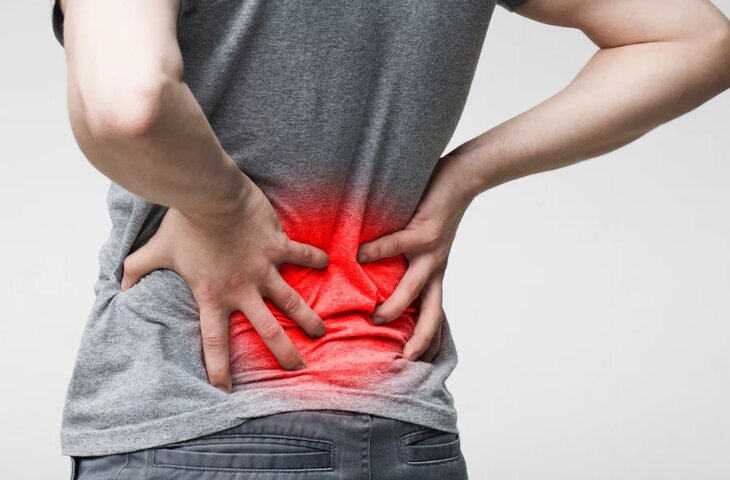
Sciatica, also known as sciatic nerve pain, is characterized by pain radiating from the lumbar spine along the course of the sciatic nerve. In the early stages, it is often mistaken for common low back pain due to mild, nonspecific discomfort. However, unlike typical back pain, sciatica tends to radiate beyond the lower back to adjacent regions such as the buttocks, thighs, calves, and even the feet and toes.
Sciatica most commonly affects individuals between 30 and 50 years of age. However, there is a growing trend toward younger onset, largely attributed to sedentary lifestyle and poor ergonomic habits. Initially presenting as intermittent pain, the condition may progressively worsen and lead to serious complications if left untreated. Therefore, early detection and accurate diagnosis are essential, significantly improving treatment outcomes, with effectiveness rates potentially exceeding 80%.

Five common symptoms of sciatica
Pain along the course of the sciatic nerve
This is the most characteristic manifestation of sciatica. Pain typically originates in the lumbar spine and radiates to the buttocks, lateral thigh, lower leg, ankle, and toes. The clinical presentation varies depending on the affected nerve root:
- L4 nerve root involvement: Pain radiates from the lumbar spine to the popliteal region
- L5 nerve root involvement: Pain extends from the lumbar spine to the dorsum of the foot, reaching the great toe, or may radiate to the sole and the little toe
- S1 nerve root involvement: Pain radiates from the lumbar spine to the posterior buttock and the lateral aspect of the foot
In some cases, patients may not experience lower back pain but only pain radiating along the leg.
Sciatic pain may be continuous or intermittent, typically worsens with walking or physical activity, and improves with rest. Pain may be sharp when stamping the foot and can be exacerbated by movement over uneven surfaces. In cases of nerve compression, symptoms often intensify during coughing, straining, or sneezing.

Paraspinal muscle spasm
When the sciatic nerve is inflamed or compressed, it may impair local blood circulation, leading to paraspinal muscle spasm. Patients often experience stiffness in the lower back and difficulty with movements such as bending, twisting, or changing position. Sharp pain and stiffness may also be exacerbated during coughing or sneezing.
Reduced mobility
In advanced stages, sciatica can significantly limit lower limb mobility. Patients may experience severe low back pain when bending forward or may be unable to bend beyond 90 degrees. Lateral bending may also be restricted, with the inability to reach the ground, accompanied by intense pain in the buttocks and thighs.
Postural abnormalities
One of the primary causes of sciatica is lumbar disc herniation, which leads to nerve compression. Prolonged conditions may result in altered posture, including limping gait, pelvic asymmetry, loss of normal spinal curvature, or spinal deformities. These are considered serious complications of untreated sciatica.
Sciatic nerve root involvement
The sciatic nerve is responsible for both motor and sensory functions in the lower extremities. Therefore, common symptoms include paresthesia such as tingling or a crawling sensation in the feet and toes. Additionally, patients may experience autonomic and sensory disturbances, including reduced sweating, sensory deficits in the lower limbs, impaired bowel and bladder control, and trophic skin changes.
Causes of sciatica
The leading causes of sciatica include intervertebral disc herniation, disc degeneration, spondylolisthesis, and lumbar spondylosis. These conditions can affect both older and younger individuals due to various risk factors.
- Lumbar disc herniation: This occurs when the nucleus pulposus protrudes through the annulus fibrosus and compresses the nerve roots, resulting in persistent sciatic pain radiating to other regions. Approximately 90% of disc herniation cases are associated with sciatica. Individuals engaged in heavy lifting or physically demanding occupations are at higher risk.
- Lumbar spine and disc degeneration: Commonly seen in older adults due to natural aging processes. Degenerated discs can exert pressure on the sciatic nerve, leading to pain. In younger individuals, poor posture and prolonged sitting can accelerate degeneration, increasing the risk of sciatica.
- Lumbar spondylolisthesis: This condition involves the displacement of one vertebra over another, causing compression of the sciatic nerve roots and resulting in radiating pain from the lower back to one or both legs.
- Other causes: Include discitis, vertebral body lesions, trauma, and physiological changes during pregnancy.
Is sciatica dangerous?
If not promptly detected, accurately diagnosed, and appropriately managed, sciatica can lead to serious complications that significantly impair daily functioning.
- Muscle atrophy: Persistent pain along the course of the sciatic nerve may indicate nerve inflammation or damage. Over time, patients may develop atrophy of the quadriceps muscle, leading to progressive loss of mobility.
- Paralysis: This is the most severe complication of sciatica. In advanced stages, patients may develop paralysis of the lower extremities, making treatment more challenging and potentially resulting in long term dependence on others for daily activities.
Prevention of sciatica
Sciatica is primarily associated with degenerative and spinal disorders. Early prevention is essential to avoid persistent pain and serious complications. Recommended preventive measures include:
- Maintain proper spinal alignment, especially during prolonged sitting or driving; lumbar support belts may be beneficial
- Engage in regular physical activity with appropriate intensity; activities such as swimming or yoga can help improve flexibility and strengthen back muscles
- Establish and maintain a healthy lifestyle and ergonomic working habits; avoid poor posture and sudden excessive movements
- Avoid heavy lifting or activities that place excessive mechanical stress on the spine
Sciatica symptoms are often recognizable. Therefore, at the onset of symptoms, patients should seek evaluation at reputable healthcare facilities for timely diagnosis and appropriate management to prevent disease progression and complications.

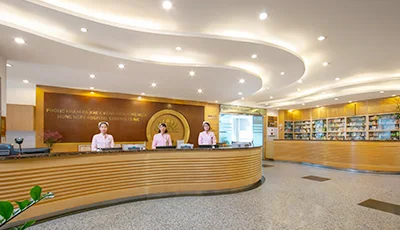
In Hanoi, the Department of Musculoskeletal Medicine at Hong Ngoc General Hospital is a trusted destination for the examination, diagnosis, and management of sciatica, widely recognized for both clinical excellence and service quality.
The hospital is staffed by a team of highly experienced specialists who have trained and worked at leading institutions both domestically and internationally, including Bach Mai Hospital, Viet Duc Hospital, and Royal North Shore Hospital in Australia.
Advanced diagnostic systems, such as the SIGNA Prime MRI and 128 slice CT scanner from the United States, enable early detection of disc herniation, precise localization of lesions, and comprehensive assessment of structural abnormalities.
Treatment is optimized through the integration of physical therapy and rehabilitation, utilizing German therapeutic technologies combined with specialized manual therapy techniques from Austria, effectively relieving pain and improving functional mobility.
Patients undergoing evaluation and treatment for sciatica at Hong Ngoc General Hospital also benefit from a range of premium services, including a hospital hotel model environment, structured follow up schedules, streamlined insurance procedures, and weekend services without additional charges.
For further consultation on sciatica management at Hong Ngoc General Hospital, please contact the hotline: 0889 621 046 for prompt assistance.
Note: The information provided in this article by Hong Ngoc General Hospital is for reference purposes only and does not substitute for professional medical diagnosis or treatment. Patients should not self medicate. For an accurate diagnosis and appropriate treatment plan, individuals are advised to visit a healthcare facility for direct examination and consultation with a qualified physician.
For more health related updates, please follow:https://www.facebook.com/BenhvienHongNgoc