



Disc bulging is considered a mild form of disc degeneration and an early stage in the development of a herniated disc. However, if left undiagnosed and untreated, it may progress and lead to serious complications, significantly affecting a patient’s health, mobility, and quality of life.
What is disc bulging?
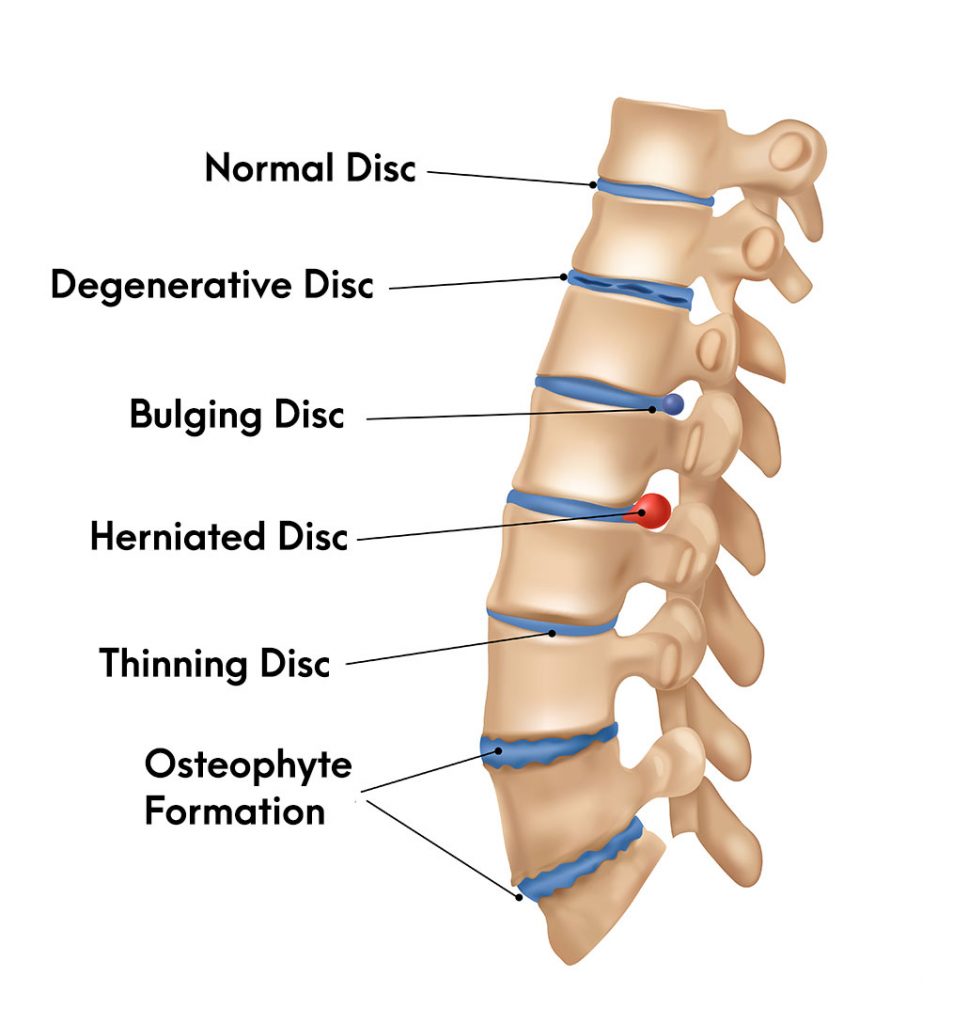
Intervertebral discs are located between adjacent vertebrae and consist of two main components: a tough outer fibrous ring (annulus fibrosus) and a gel-like inner core (nucleus pulposus). These discs act as shock absorbers, reducing pressure and friction between the vertebrae during movement and daily activities.
Disc bulging, often considered a mild form or early stage of disc herniation, occurs when the nucleus pulposus protrudes outward but remains contained within the annulus fibrosus. As the disc extends beyond its normal boundaries, it may place pressure on nearby nerve structures, leading to pain and other neurological symptoms.
Causes of disc bulging
Disc bulging can result from a variety of factors, with age-related degeneration being the most common cause. As people age, intervertebral discs gradually lose water content and elasticity, making them more susceptible to injury and structural changes. Other contributing factors include:
- Unhealthy dietary habits and poor lifestyle choices.
- A sedentary lifestyle with prolonged sitting or inactivity.
- Smoking, alcohol consumption, and the use of other harmful substances, which may accelerate disc degeneration.
- Repetitive heavy lifting or traumatic injuries that place excessive stress on the spine and intervertebral discs.
- Weakness of the back and core muscles, reducing spinal support and increasing the risk of disc disorders.
- Poor posture during daily activities, including improper sitting, standing, sleeping, or exercise techniques.
- Overweight and obesity, which increase mechanical stress on the spine and discs.
- Excessive or improper physical training beyond the body's tolerance.
- Activities that cause repetitive muscle strain or excessive spinal stretching, potentially contributing to disc weakening and degeneration.

Is disc bulging dangerous?
In most cases, disc bulging is considered a mild spinal condition and is not immediately dangerous. However, if left undiagnosed or untreated, it may progressively worsen and lead to more serious complications, including disc herniation, chronic pain, nerve compression, and impaired mobility.
According to spine specialists, the majority of patients with disc bulging can achieve favorable outcomes when the condition is detected early and managed appropriately. Early intervention can help relieve symptoms, prevent disease progression, and preserve spinal function. By contrast, once disc bulging progresses to a herniated disc, treatment becomes more challenging and recovery may be less predictable.
For this reason, individuals should pay close attention to persistent back or neck pain, numbness, weakness, or other unusual symptoms and seek medical evaluation promptly. Early diagnosis and timely treatment are key to preventing complications and maintaining long-term spinal health.
Treatment options for disc bulging
A variety of treatment options are available for disc bulging. Individuals experiencing persistent back or neck pain, numbness, weakness, or other concerning symptoms should seek evaluation at a specialized healthcare facility for an accurate diagnosis. Based on the severity of the condition and the underlying cause, physicians will recommend the most appropriate treatment approach.
Common treatment options include:
Heat and cold therapy: Applying cold packs to the affected area during the initial phase may help reduce inflammation and alleviate pain. This can be followed by heat therapy to relax muscles, improve circulation, and reduce stiffness.
Regular low-impact exercise: Prolonged inactivity can weaken muscles and joints, potentially worsening symptoms and slowing recovery. Engaging in gentle physical activities for at least 30 minutes a day, tailored to the individual's condition, can help improve flexibility, strengthen supporting muscles, and enhance spinal health.
Medication therapy: Depending on the patient's symptoms, physicians may prescribe medications such as analgesics, muscle relaxants, anti-inflammatory drugs, corticosteroids, or other medications as clinically indicated. All medications should be used under medical supervision.
Physical therapy and rehabilitation: Physical therapy aims to improve spinal alignment, restore mobility, strengthen supporting musculature, and reduce pressure on affected structures. These interventions can help relieve pain, improve function, and may reduce the need for more invasive treatments. The specific rehabilitation program will be individualized based on the patient's condition and underlying cause of disc bulging.
Treatment plans should always be tailored to each patient, taking into account the location, severity, and contributing factors of the condition.

Surgery may be recommended for patients with severe disc bulging associated with persistent pain, weakness, and functional limitations. The procedure aims to decompress the spinal cord or spinal nerves by addressing the bulging disc that is causing nerve compression.
Physical therapy for effective disc bulging treatment at Hong Ngoc General Hospital
With extensive experience in the management of musculoskeletal disorders, Hong Ngoc General Hospital is recognized as a trusted destination for the treatment of disc bulging in Hanoi.
Patients undergoing evaluation and treatment for disc bulging at Hong Ngoc benefit from high-quality healthcare services, including:
- Highly experienced physicians and rehabilitation therapists with strong expertise in musculoskeletal medicine and rehabilitation, including professionals who have undergone advanced training and clinical practice in Austria. Patients receive individualized treatment plans tailored to their specific condition to ensure optimal outcomes.
- Advanced rehabilitation equipment and technology, with key systems imported from Germany, including spinal traction tables, therapeutic ultrasound devices, microwave therapy systems, interferential therapy machines, hydrotherapy facilities, and Aquatix exercise equipment. Notably, Hong Ngoc General Hospital is home to one of Northern Vietnam’s most advanced hydrotherapy pools, supporting effective rehabilitation for a wide range of conditions.
- Dedicated and professional healthcare staff providing comprehensive support and attentive care throughout the registration, consultation, and rehabilitation process.
- A modern, premium healthcare environment designed to five-star standards, ensuring patient comfort and convenience.
- Effective rehabilitation programs focused on delivering early symptom relief and functional improvement.
- Scientifically designed treatment packages tailored to each patient’s age, clinical condition, and rehabilitation goals.
- A wide range of patient amenities, including complimentary parking, high-speed Wi-Fi, on-site restaurants and cafés for patients and visitors, and conveniently located ATMs within the hospital campus.
Hong Ngoc General Hospital is committed to delivering high-quality rehabilitation services designed to meet each patient’s individual needs. For further information or personalized consultation, please contact our hotline at 0889 621 046. Our team is ready to assist you.
Note: The information provided in articles published by Hong Ngoc General Hospital is intended for informational and educational purposes only and should not be considered a substitute for professional medical advice, diagnosis, or treatment. Patients should not self-medicate or initiate treatment without consulting a qualified healthcare professional. For an accurate diagnosis and appropriate treatment recommendations, individuals are advised to seek direct medical evaluation from a licensed physician.
For more health information and updates, follow the official Facebook page of Hong Ngoc General Hospital: https://www.facebook.com/BenhvienHongNgoc