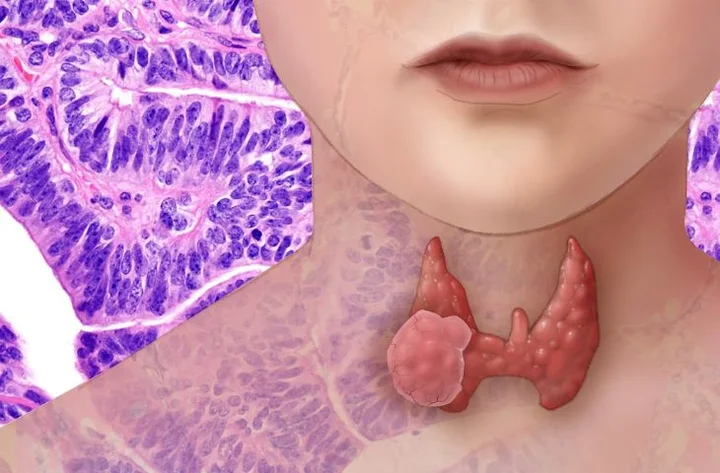



Hypothyroidism (also known as thyroid hormone deficiency) is a common thyroid disorder that can lead to serious cardiovascular, neuropsychiatric, and reproductive complications. Early recognition of the clinical manifestations of hypothyroidism plays a crucial role in timely diagnosis and effective management.
The importance of recognizing the symptoms of hypothyroidism and ensuring timely diagnosis
Recognizing thyroid disease symptoms and making a timely diagnosis of hypothyroidism are of great importance for both patients and physicians.
For patients, early recognition of hypothyroidism symptoms enables them to seek medical attention and initiate treatment sooner, thereby preventing complications and improving overall quality of life. According to Dr. Ha Luong Yen, MSc – endocrinologist at the Outpatient Department, Hong Ngoc Hospital, many patients tend to underestimate the signs of hypothyroidism, often attributing them to common causes such as seasonal changes or fatigue from overwork.
If not detected early, hypothyroidism may lead to various health problems such as memory impairment, headaches, reduced concentration, insomnia, goiter, weight gain, and sensory disturbances. These complications can significantly affect patients’ quality of life and may also diminish their self-confidence in social interactions.

For physicians, recognizing the clinical signs of hypothyroidism is a key factor in accurately assessing a patient’s health status
According to Dr. Yen, having a thorough understanding of the patient’s condition allows doctors to provide timely and precise diagnoses, identify the underlying causes of symptoms, and recommend the most appropriate treatment plan. This, in turn, ensures optimal treatment outcomes for patients.
To better understand their health condition, patients are advised to seek professional consultation from endocrinologists. To book an appointment with our endocrinology and thyroid specialists, please contact our hotline at 0911.858.626 or register HERE.
Five common symptoms of hypothyroidism
When the thyroid gland produces insufficient thyroid hormones, hypothyroidism develops. Thyroid hormone deficiency affects multiple systems throughout the body, leading to the following symptoms:
- Shortness of breath and bradycardia
A reduction in thyroid hormone levels slows the heart rate, which may cause patients to experience shortness of breath even during normal activities. This can make daily routines more difficult. Without timely diagnosis and treatment, the cardiovascular system may be severely affected.
- Dry skin and hair loss
Thyroid hormone deficiency affects multiple types of cells, including those in the skin and hair. As a result, patients with hypothyroidism often experience dry skin and hair loss. Women are two to five times more likely to develop hypothyroidism than men. These symptoms may cause anxiety and loss of self-confidence, especially if left undetected and untreated.

- Fatigue and lethargy
This is one of the most common but frequently neglected symptoms of hypothyroidism. Thyroid hormones play a critical role in regulating the body’s energy metabolism. When the gland cannot produce adequate hormones, energy conversion is impaired, leading to persistent fatigue and lethargy.
- Poor concentration
In addition to energy metabolism, thyroid hormones also influence the nervous system, including memory and concentration. Deficiency may therefore result in reduced focus and memory impairment. Over time, this can contribute to nervous exhaustion and decreased work or academic performance.
- Mood changes
Thyroid hormone deficiency can affect the production of serotonin, a key neurotransmitter involved in mood regulation. Consequently, hypothyroidism may cause low mood, depression, fatigue, anxiety, irritability, and difficulty concentrating. Patients may struggle to regulate their emotions and become more sensitive to stress, conflict, or depressive episodes.
- Weight gain
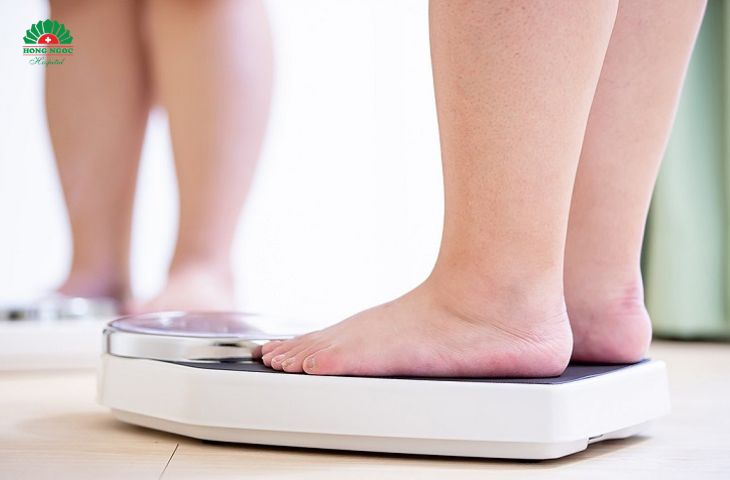
Thyroid hormone deficiency slows metabolic processes, reducing the body’s ability to convert fat into energy. This leads to fat accumulation and weight gain, even when dietary habits remain unchanged.
Causes of hypothyroidism
The following are some of the most common causes of hypothyroidism:
- Thyroiditis: Thyroid inflammation is one of the leading causes of hypothyroidism. When the gland becomes inflamed, it is unable to produce sufficient thyroid hormones to maintain normal body functions.
- Thyroid surgery: Patients who have undergone thyroidectomy or surgery for thyroid cancer may develop hypothyroidism if the thyroid gland is removed or damaged during the procedure.
- Thyroid disorders: Certain thyroid conditions, such as thyroid cancer, Hashimoto’s thyroiditis, Graves’ disease, and hyperthyroidism, may lead to hypothyroidism.
- Medications: Several drugs, including lithium, amiodarone, and interferon-alpha, can interfere with thyroid function and cause hypothyroidism.
- Other medical conditions: Disorders such as Addison’s disease, kidney disease, and celiac disease may also contribute to the development of hypothyroidism.
Important considerations in the treatment of hypothyroidism
Recognizing the typical symptoms of hypothyroidism enables more timely and effective treatment. However, during the course of managing thyroid hormone deficiency, patients should also pay attention to the following:
- Medication adjustment: The dosage must be carefully tailored to the severity of hypothyroidism in each patient. Any adjustment should only be made under the supervision of an endocrinologist. Regular monitoring of clinical indicators is essential to ensure that the prescribed dose remains safe and effective.
- Regular follow-up testing: Patients with hypothyroidism require ongoing monitoring through routine blood tests to measure thyroid hormone levels. These evaluations help confirm that the treatment regimen is appropriate and effective.
- Diet and lifestyle modifications: Nutritional balance and healthy lifestyle choices play an important role in treatment outcomes. Patients are advised to maintain a well-balanced diet and engage in regular physical activity to support overall health and enhance the effectiveness of therapy.
- Awareness of potential side effects: Certain thyroid medications may cause side effects such as headache, fatigue, nausea, hair loss, or jaundice. Patients should seek professional medical advice before starting or adjusting any medication.
Note: The information provided in this article by Hong Ngoc General Hospital is for reference purposes only and is not a substitute for medical diagnosis or treatment. To obtain an accurate assessment of their condition, patients should visit reputable healthcare facilities for direct consultation and personalized treatment planning by qualified physicians.
Follow the official fanpage of Hong Ngoc General Hospital for more useful health information.