


In addition to the mandatory vaccines included in the national expanded immunization program, parents should learn about other optional vaccines to provide more comprehensive protection for their children’s health, including the pneumococcal vaccine.
So, what is the pneumococcal vaccine? What are its benefits, and what is the recommended vaccination schedule? Let’s find out in the article below.
What is pneumococcus, and is it dangerous?
Pneumococcus, or Streptococcus pneumoniae, is a disease-causing bacterium. It commonly causes illnesses such as pneumonia, otitis media, sinusitis, meningitis, and sepsis. Pneumococcus is found worldwide and is particularly common in children and older adults.
Pneumococcus has long been considered a major concern in medicine:
- Approximately every 20 seconds, pneumococcal pneumonia claims the life of one child.
- Pneumococcus is the leading cause of meningitis in children under 5 years old, accounting for about 80% of cases. Notably, up to 15% of children die from pneumococcal meningitis despite treatment and emergency care.
- Pneumococcus increases the risk of death from sepsis in young children.
Pneumococcus poses a serious threat in many countries. Even with intensive treatment, the risk of long term physical health complications remains high. Therefore, the first and most important preventive measure is pneumococcal vaccination, which helps create a protective barrier against this dangerous bacterium.
What is pneumococcal vaccination?
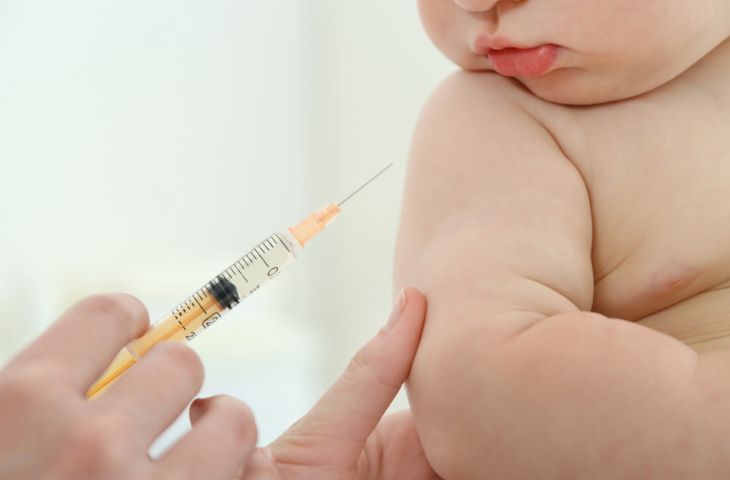
Pneumococcal vaccination, or vaccination against pneumococcal disease, is the administration of a vaccine to protect against Streptococcus pneumoniae. Pneumococcal vaccines usually contain antigens or surface proteins of pneumococcal bacteria, which are designed to stimulate the body’s immune system to produce antibodies against the bacteria.
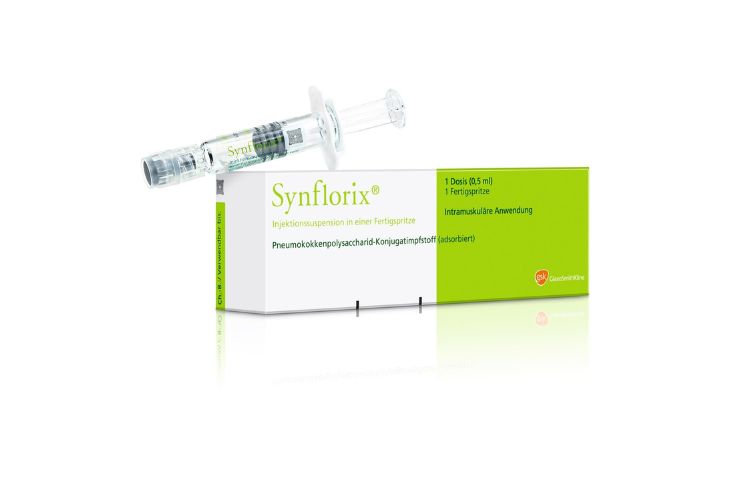
In Vietnam, two types of pneumococcal vaccines are commonly available: Synflorix, or PCV10, and Prevenar 13, or PCV13. PCV10 protects against 10 different types of pneumococcal bacteria, while PCV13 protects against 13 types.
Pneumococcal vaccination is recommended for people at high risk of pneumococcal disease, including older adults, children under 2 years of age, smokers, people with malnutrition, and individuals with respiratory, cardiovascular, or immune-related conditions. Pneumococcal vaccination is an important measure in preventing infections caused by pneumococcal bacteria.
Currently in Vietnam, the national expanded immunization program does not include the pneumococcal vaccine. Therefore, parents should choose reputable and high quality vaccination facilities that can ensure the origin and quality of vaccines.
Register for vaccination HERE.
Should children receive the pneumococcal vaccine?
Young children, especially those under 2 years of age, have immature immune systems and are highly vulnerable to pneumococcal bacteria. Diseases caused by pneumococcus include pneumonia, meningitis, and otitis media. In the most severe cases, pneumococcal infections may lead to death or leave long term complications, such as hearing loss, visual impairment, or intellectual disabilities.
Pneumococcal vaccination is an effective way to protect young children from infections caused by pneumococcal bacteria. The vaccine helps a child’s immune system produce antibodies against the bacteria, or at least reduces the risk of severe complications and death. In addition, the pneumococcal vaccine can also help prevent the spread of this bacterium in the community.
Children aged 2 to 5 years, especially those at high risk of pneumococcal infection, such as children with chronic respiratory, cardiovascular, kidney, liver, or immunodeficiency conditions, may also be recommended to receive the pneumococcal vaccine. However, before deciding to vaccinate their child, parents should consult a doctor to fully understand the vaccine information and establish an appropriate vaccination schedule.
Pneumococcal vaccination schedule for children
In fact, there is no single fixed time at which pneumococcal vaccination must be given. However, parents should consider having their children vaccinated as early as possible to help prevent serious diseases caused by pneumococcal bacteria.
Vaccination schedules may vary from country to country, depending on the type of vaccine, the child’s age, and overall health condition. In Vietnam, parents may choose Synflorix, or PCV10, or Prevenar 13, or PCV13, for their children. Both vaccines originate from Belgium. The vaccination schedule is as follows:
PCV10 vaccination schedule
Synflorix, or PCV10, is a commonly used pneumococcal vaccine that helps protect against 10 strains of pneumococcal bacteria. The vaccination schedule is as follows:
For children under 6 months of age
Children receive 4 doses:
- Dose 1: When the child is 6 to 8 weeks old
- Dose 2: When the child is 3 to 4 months old
- Dose 3: When the child is 4 to 6 months old
- Dose 4: This booster dose is given 6 months after the third dose.
For children under 12 months of age who have not previously received pneumococcal vaccination
In this case, children only need 3 doses:
- Dose 1: The first dose, with no specific timing requirement
- Dose 2: About 1 month after the first dose
- Dose 3: The booster dose should be given at least 2 months after the second dose, and is usually recommended 6 months after the second dose.
For children from 1 year old to under 6 years old who have not previously been vaccinated
The vaccination course includes only 2 doses:
- Dose 1: The first dose
- Dose 2: About 2 months after the first dose
Please note that the PCV10 vaccination schedule may vary depending on each specific case. However, these doses are usually coordinated with other vaccines in the immunization schedule to ensure comprehensive protection for children.
Prevenar 13, or PCV13, vaccination schedule
Prevenar 13 can help protect children against 13 different strains of pneumococcal bacteria. In addition, this vaccine can also be used in adults. Like PCV10, PCV13 is recommended to be administered to children as early as possible. The vaccination schedule is as follows:
Children from 6 weeks to 7 months of age
This group receives 3 primary doses and 1 booster dose:
- Dose 1: The first dose
- Dose 2: At least 1 month after the first dose
- Dose 3: At least 1 month after the second dose
- Booster dose: At least 2 months after the third dose. The best time for the booster dose is around 11 months of age.
Children under 1 year of age who have not previously received pneumococcal vaccination
The schedule includes only 2 primary doses and may include 1 booster dose:
- Dose 1: The first dose
- Dose 2: At least 1 month after the first dose
- Booster dose: Given only when the child is over 1 year old, at least 2 months after the second dose
Children from 12 months to under 2 years of age who have not previously been vaccinated
- Dose 1: The first dose
- Dose 2: Given 2 months after the first dose
Children aged 2 years and older
Only 1 dose is required.
Cost of pneumococcal vaccination
In addition to questions about the pneumococcal vaccination schedule, many parents are also concerned about vaccination costs. In fact, there is no fixed price for pneumococcal vaccination, as the cost may vary depending on the location, type of vaccine, and number of doses required. However, the pneumococcal vaccine is generally considered one of the more expensive vaccines if purchased dose by dose.
To reduce vaccination costs and avoid missing scheduled doses, many parents choose comprehensive vaccination packages. This service is currently available at many vaccination facilities and not only helps families save money but also saves time and provides greater peace of mind.
If parents want to have their child vaccinated against pneumococcal disease, they should consult a doctor or healthcare professional for detailed information on pricing, vaccination schedules, and the most suitable vaccine option.
Important notes on pneumococcal vaccination
Side effects after pneumococcal vaccination
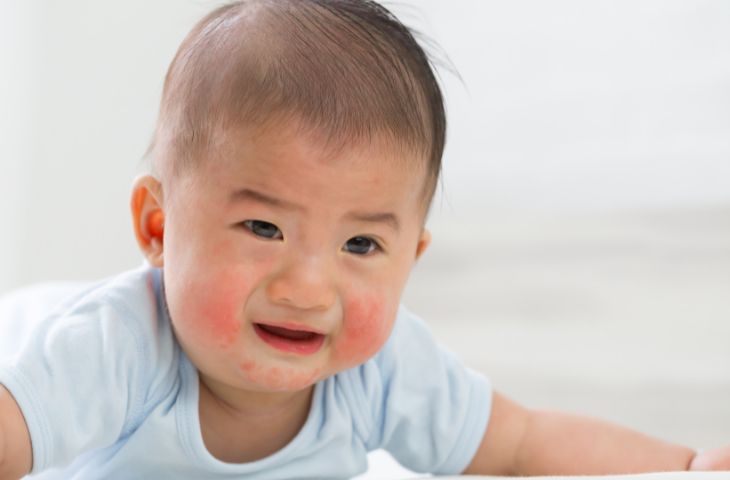
Side effects after pneumococcal vaccination are usually not serious and often last only a few days. They may include:
- Swelling, redness, pain, or warmth at the injection site
- Fever, headache, fatigue, nausea, or drowsiness
- Skin irritation, such as rash or itching
- Muscle pain
These symptoms usually resolve on their own within about 48 hours after vaccination. However, parents should remain cautious. If the child shows signs of difficulty breathing, high fever with seizures, or chest pain, they should take the child to the nearest medical facility immediately for timely management.
Individuals who should exercise caution before vaccination
Young children who should exercise caution or require thorough medical consultation before receiving pneumococcal vaccination include:
- Children with congenital cardiovascular conditions
- Children with bleeding disorders or a tendency toward thrombocytopenia
- Premature infants born before 28 weeks of gestation, who should have an appropriate vaccination schedule carefully considered. In particular, they should be closely monitored for 72 hours after vaccination to prevent respiratory distress.
- Children with high fever or acute infection should have vaccination postponed.
Importantly, healthcare professionals administering the vaccine must be careful not to administer the pneumococcal vaccine intravenously.
Individuals who should not receive the vaccine
Although pneumococcal vaccination is a highly effective preventive measure, it is not suitable for everyone. Individuals who should absolutely not receive the pneumococcal vaccine include:
- People with allergy or a severe reaction to any component of the vaccine
- People with fever or a severe illness who are still recovering
- People with immune system problems, such as chronic diseases or those using immunosuppressive medications
- Newborns under 6 weeks of age
- People with infectious diseases or malaria
- People with blood disorders, such as leukemia, or those undergoing chemotherapy or radiation therapy
Where should children receive the pneumococcal vaccine?
Pneumococcal vaccination is very important for children to help prevent diseases caused by pneumococcal bacteria and is recommended from as early as 6 weeks of age. Getting children vaccinated against pneumococcal disease is one of the most urgent preventive measures parents should prepare for their child.
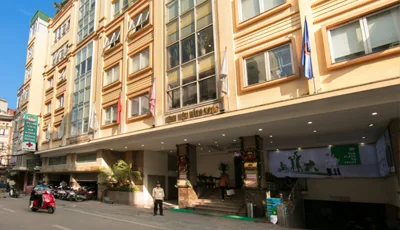
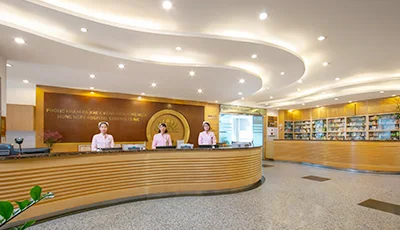
Hong Ngoc Healthcare System is a trusted destination for pneumococcal vaccination, chosen by many families for its reputation, service quality, and medical expertise. Hong Ngoc Vaccination Center uses pneumococcal vaccines imported directly from Belgium, with strict quality control at every stage, from receiving and inventory inspection to vaccine lot release for administration. All vaccines are stored in cold storage facilities that meet GSP standards set by the Ministry of Health. All vaccination rooms follow safety procedures for vaccine preservation and administration.
Hong Ngoc Vaccination and Consultation Center is staffed by a highly qualified and professional medical team. Vaccinating doctors are experienced pediatricians who understand children’s psychology. Before vaccination, 100% of children undergo pre vaccination screening and are carefully monitored for post vaccination reactions.
In particular, parents are encouraged to choose a comprehensive vaccination package for their child to receive vaccination schedule reminders, save costs, and avoid vaccine shortages.
Contact information
Hotline: 0911 858 616 – 0949 416 006 – 0947 616 006
Tel: 0243 927 5568, extension *1
Follow the Facebook fanpage of Hong Ngoc General Hospital for more useful information.